
Victorian Portrait Figure
When you explore a victorian portrait figure, you encounter painted canvases, carved marbles, and glazed ceramics capturing individual likenesses from the nineteenth century.
Victorian Portrait Figure
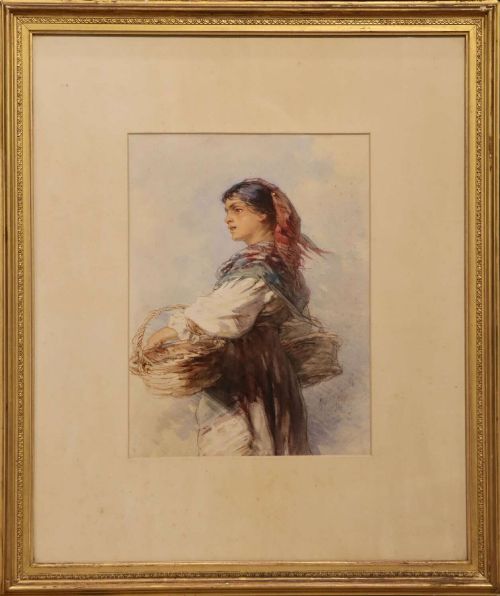
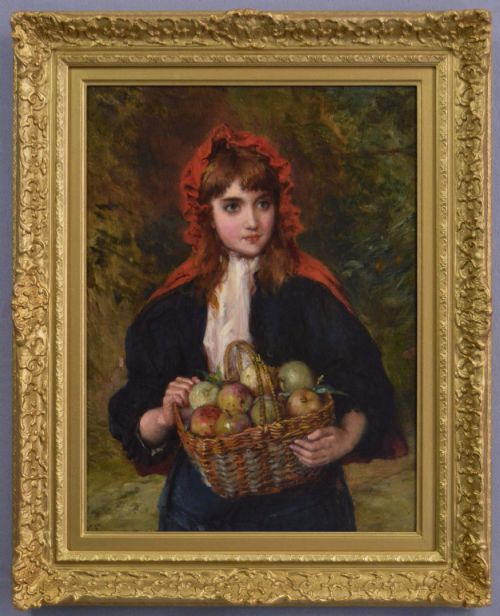
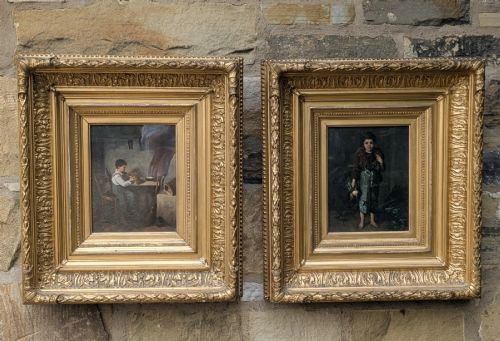
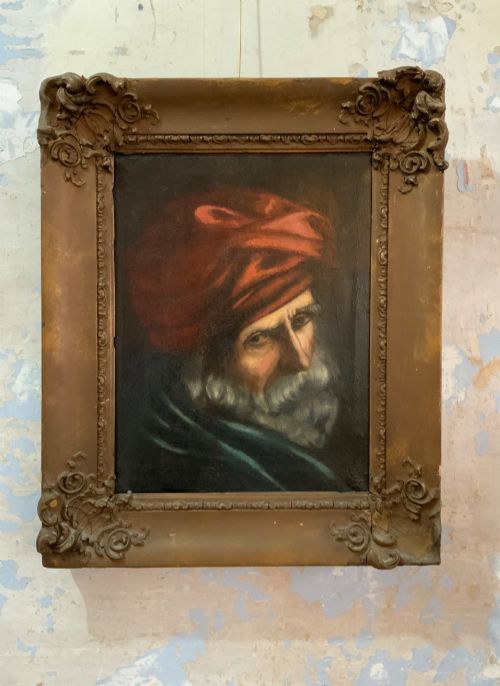
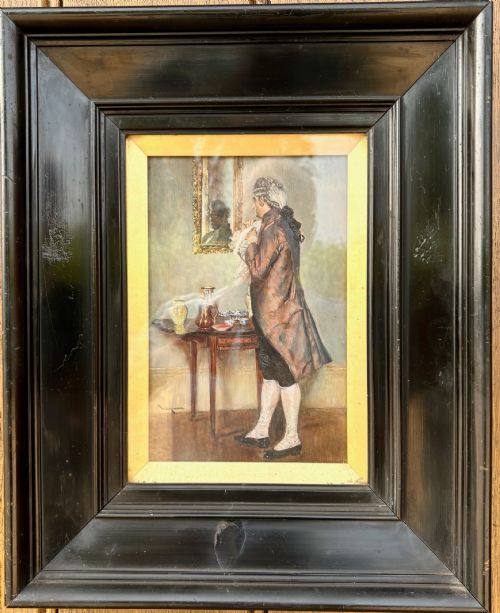
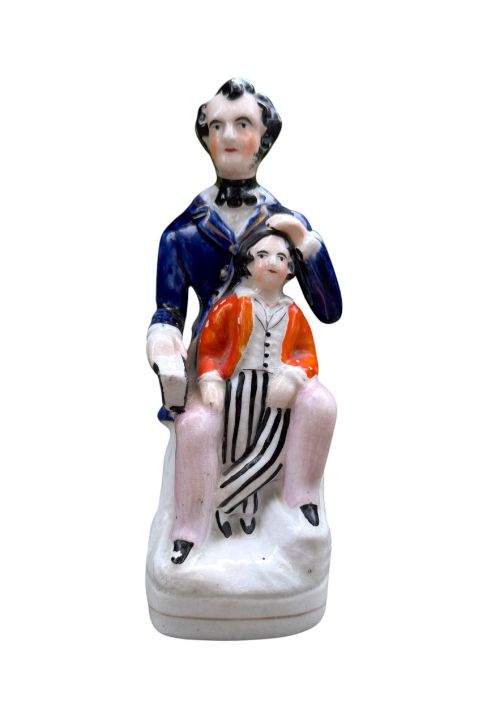
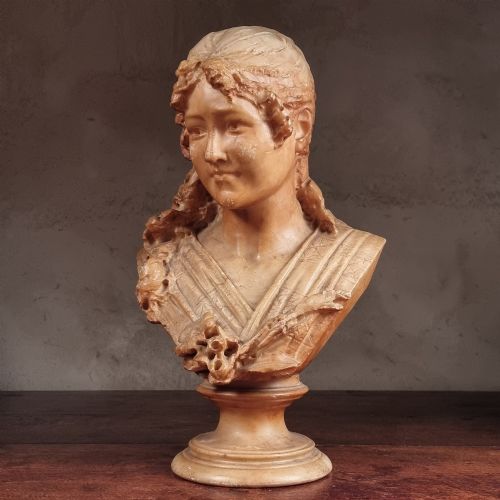
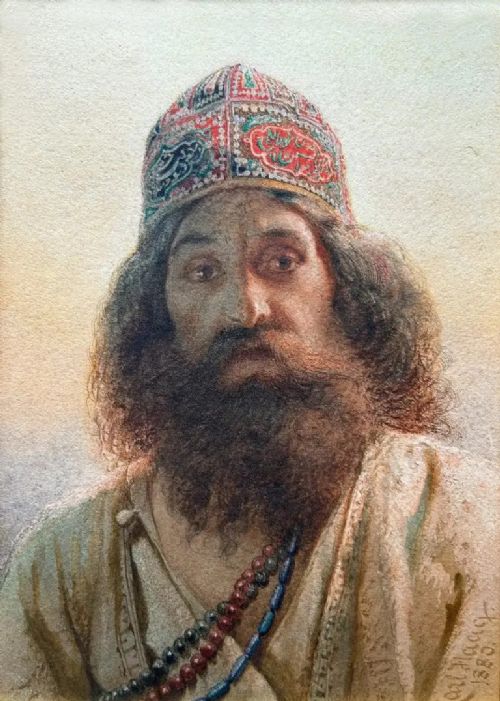
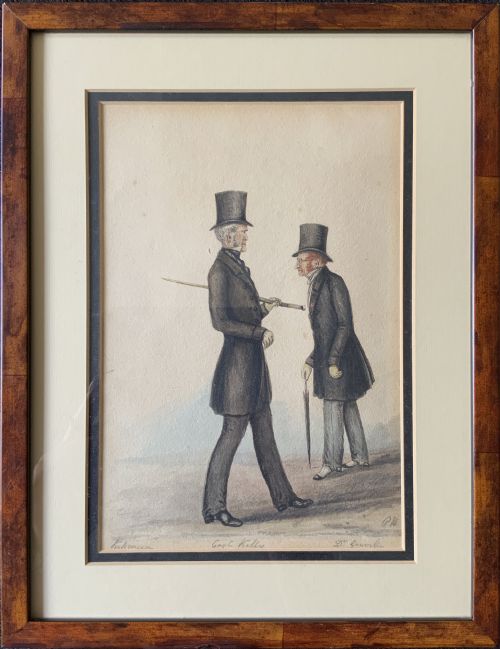
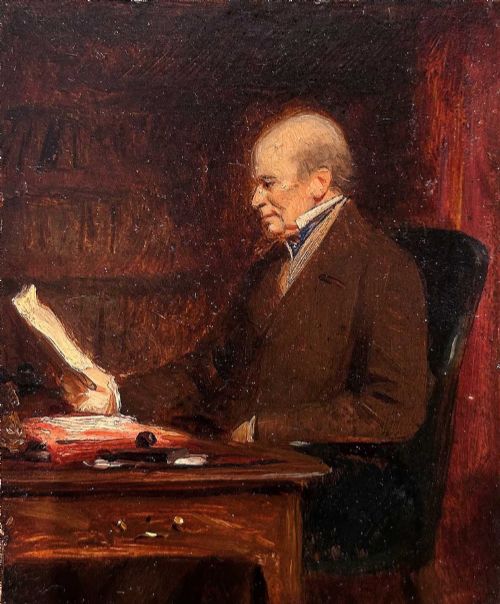
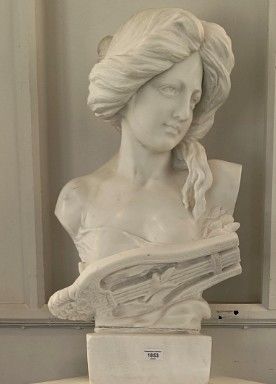
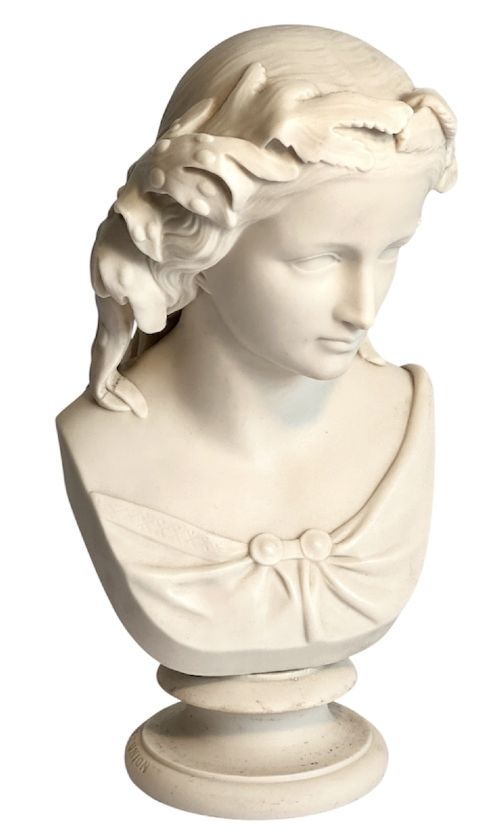
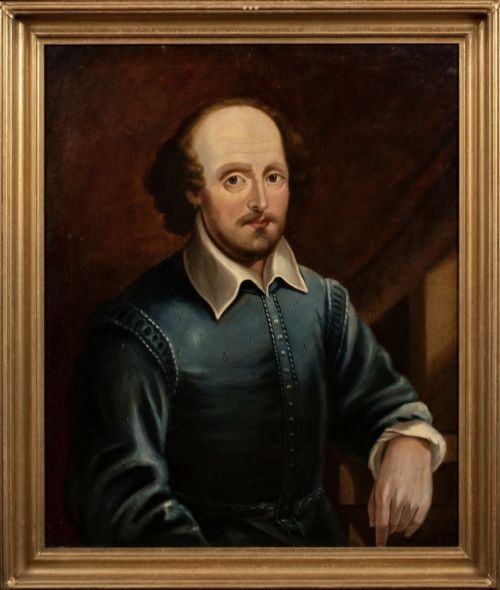
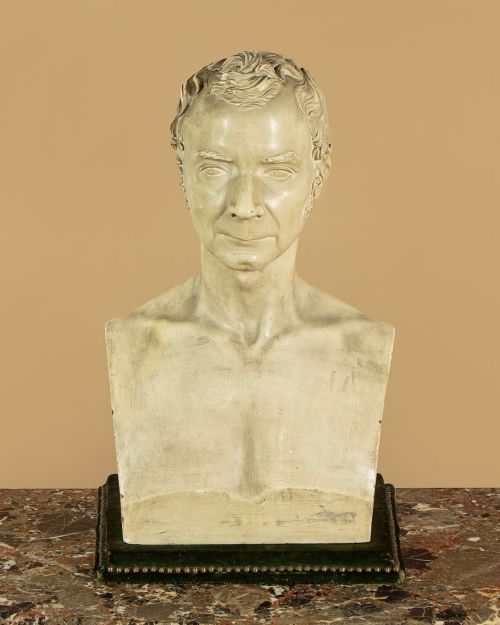
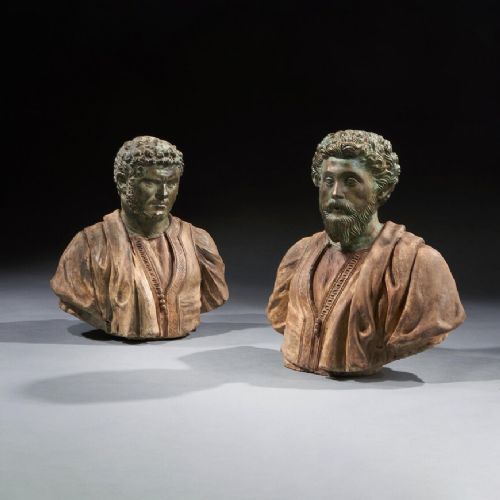
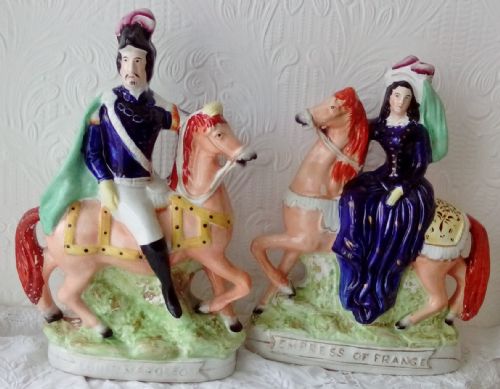
A victorian portrait figure encompasses diverse media ranging from earthenware Staffordshire pottery and porcelain figurines to oil paintings, watercolours, and carved alabaster busts. These pieces record identifiable public leaders, theatrical performers, royalty, and anonymous subjects from the nineteenth century.
Materials and construction
Makers utilised traditional artist materials including oil on canvas, watercolour on paper, and pastel, alongside sculptural mediums such as marble, alabaster, plaster, bronze, and Parian ware. Ceramic pieces like Staffordshire figures were moulded from earthenware or porcelain and hand-painted or glazed.
Sculptural works rely on carving techniques for stone or casting methods for metals and ceramics, while flat works involve pigment application on prepared canvas, board, or paper supports.
Victorian Portrait Figure Retail Price Guide 2026
Typical asking prices for victorian portrait figure among the pieces listed under this phrase on Sellingantiques today, from the lower quarter to the upper quarter. They describe what is for sale here now, not the wider market.
Listings demonstrate a broad material range including oil, watercolour, earthenware, marble, alabaster, bronze, and Parian ware across the nineteenth century.
Assessing craftsmanship
Mass-produced ceramics often show simpler moulding and standard glaze applications, whereas master paintings and finely carved busts display subtle tonal gradations and confident execution by recognised artists or skilled workshops.
Guido Bach·William Oliver·W.D. Almond·Carl Haag·Stephen Pearce·Thomas Spinks·Theodore Jensen·Charles Henry Slater·John A. Monteith·Henry Arthur Roberts·John Watkins Chapman·William Etty·Thomas Edward Roberts·Henry John Yeend King
The Victorian Portrait Figure Glossary
- Staffordshire pottery
- Earthenware ceramic items produced in the potteries of Staffordshire, often moulded as figures, animals, or portrait subjects.
- Parian ware
- A type of fine biscuit porcelain resembling white marble, frequently utilised for nineteenth-century portrait busts and sculptural figures.
- Genre painting
- Artwork depicting scenes from everyday life, ordinary people, or domestic settings rather than grand historical or mythological subjects.
- Neoclassical
- A style drawing inspiration from the art and culture of classical antiquity, evident in formal proportions and mythological themes.
- Oil on canvas
- Pigments bound in a drying oil medium applied to stretched woven fabric, representing a primary painting technique of the period.
Victorian Portrait Figure: Frequently Asked Questions
What is a victorian portrait figure?
A victorian portrait figure is a visual representation of a specific person created during the nineteenth century across media such as oil paint, watercolour, ceramic, marble, and bronze.
These pieces range from Staffordshire pottery figures of royalty and actors to fine oil paintings on canvas and carved stone busts.
Who do these figures depict?
The subjects include British and foreign royals, statesmen, literary figures, military commanders, religious leaders, and theatrical performers alongside peasants and genre subjects.
Well-known individuals such as Queen Victoria, Lord Shaftesbury, William Shakespeare, and historical figures appear alongside anonymous sitters.
How were ceramic figures made?
Ceramic portrait pieces were typically moulded from earthenware or porcelain in slip-cast or pressed sections, then hand-painted with underglaze or enamel colours.
After painting, the figures were fired in kilns to set the glazes and pigments, resulting in durable domestic ornaments.
How do I display these pieces?
Paintings and relief plaques suit wall display in spaces with controlled lighting, away from direct sunlight to protect pigments on canvas and paper.
Sculptures, busts, and ceramic figures require stable shelving or mantel surfaces where their three-dimensional forms can be viewed safely.