



Victorian Portable Desk
A victorian portable desk offers a tangible link to travel and correspondence in the nineteenth century, combining fine timber with practical brass fittings for the road.
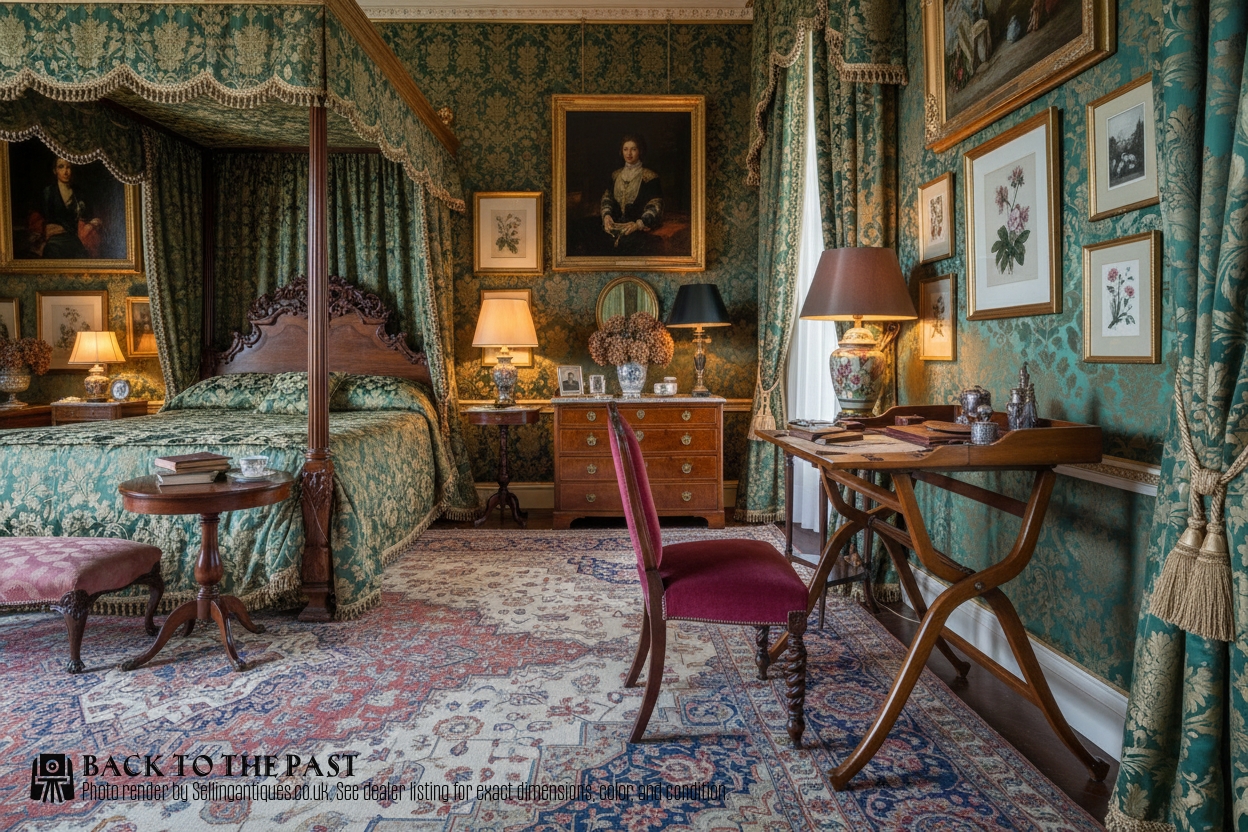
Victorian Portable Desk
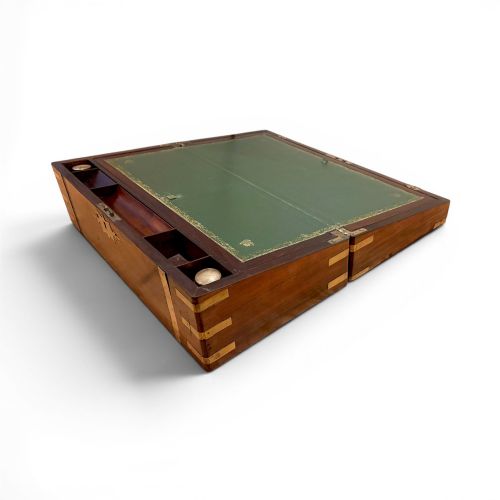
When you search for a victorian portable desk, you encounter writing slopes, lap desks, and writing boxes designed for travel or campaign use. These pieces originate primarily from the nineteenth century, reflecting an era when correspondence required dedicated, transportable storage.
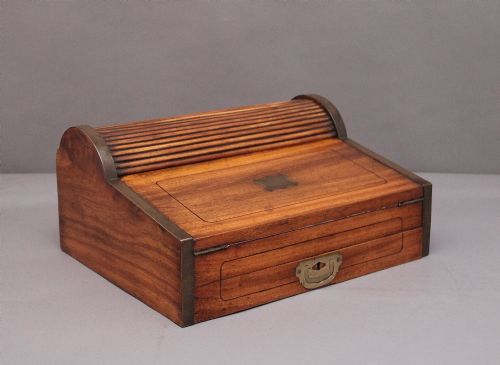
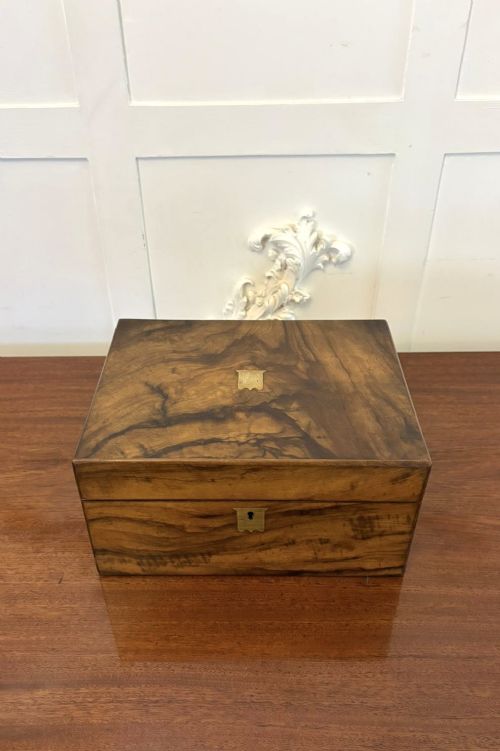
The most common examples on this page are mahogany and walnut writing slopes, often reinforced with brass banding for durability on the move. Alongside these standard timber boxes, you find variants in camphor wood, rosewood, and coromandel, sometimes equipped with secret drawers or fitted interiors.
Materials and Technique
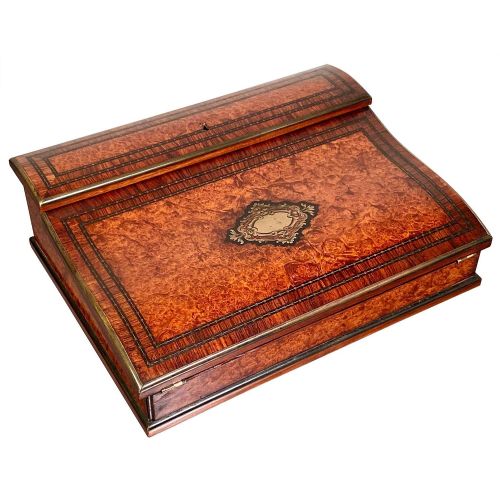
Cabinet makers utilised dense hardwoods such as mahogany, walnut, and pollard oak to withstand the rigours of travel without warping. These timbers were frequently selected for their pronounced grain figures, particularly in burr walnut and birds eye maple varieties.
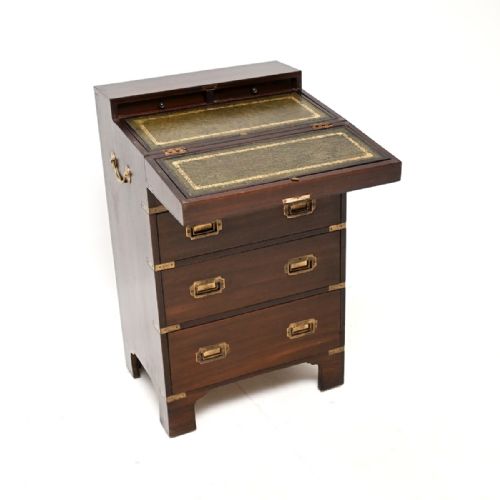
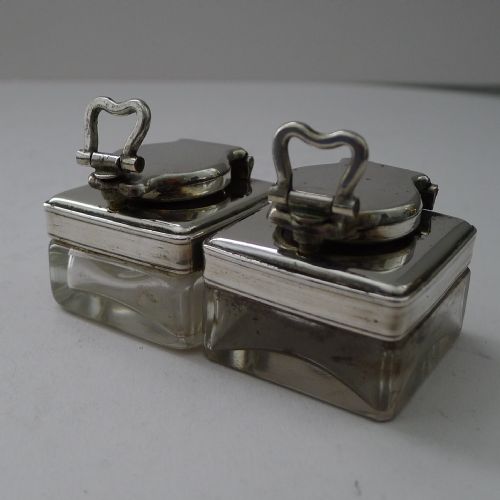
Structural integrity relied on brass corners, binding, and flush handles to protect vulnerable edges from impact. Interiors were typically lined with leather for a suitable writing surface, complemented by compartments for inkwells, pens, and stationery.
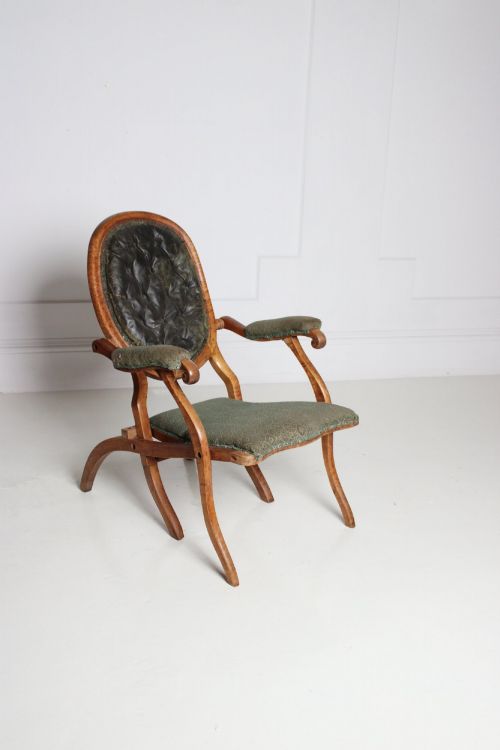
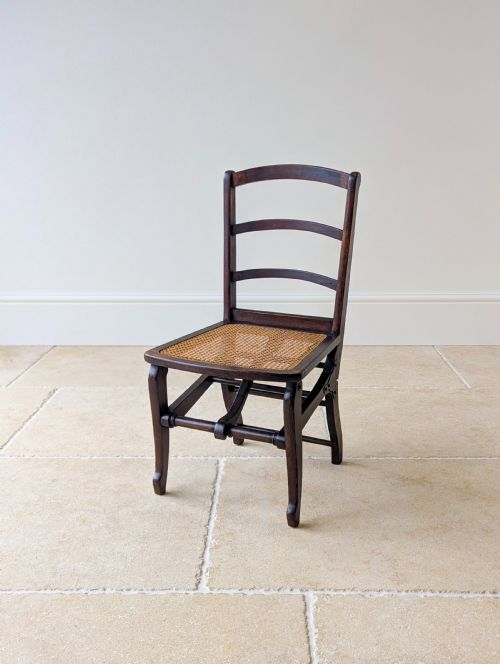
Some folding campaign chairs were engineered to fold flat enough to slip behind a carriage seat.
Craftsmanship and Detail
Quality in these pieces is dictated by the precision of the cabinet work and the selection of timber veneers. Superior examples display meticulously fitted interiors, secret compartments, and branded locks such as Bramah rather than standard mechanisms.
The integration of brass inlay, ivory details, or Tunbridgeware parquetry distinguishes finer workshop output from utilitarian field equipment. The retention of original fitted glass inkwells and working keys also elevates a piece within its category.
Henri Jacot·Mappin and Web·Pickford of London·Latshea and Sons·Veritas Lamp Works·Aitchison London
The Victorian Portable Desk Glossary
- Writing slope
- A portable box with a hinged, slanted lid that opens to reveal a flat or sloping surface for writing. Inside, you typically find fitted compartments for stationery and ink.
- Campaign furniture
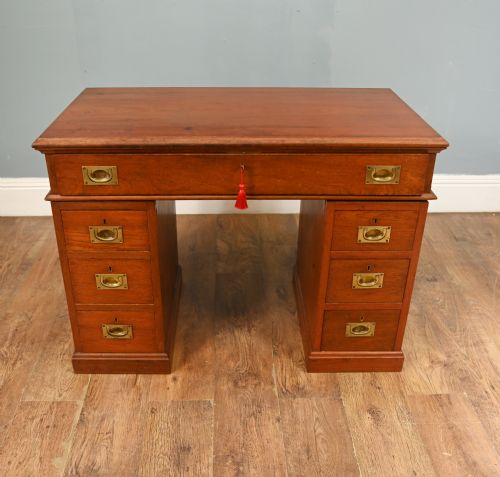
- Pieces designed to be easily packed and transported for military officers or travellers. They frequently incorporate brass corners, recessed handles, and folding supports.
- Secretaire
- A piece of furniture containing a built-in writing drawer or fold-down writing surface. They often feature multiple smaller drawers and pigeonholes inside.
- Bramah lock
- A high-security cylinder lock invented by Joseph Bramah in the late eighteenth century. These mechanisms are frequently found on superior quality nineteenth-century boxes.
- Tunbridgeware
- A distinct type of decorative woodwork featuring intricate mosaic patterns made from tiny wood blocks of various natural colours. It is commonly applied to small Victorian boxes and travel accessories.
Victorian Portable Desk: Frequently Asked Questions
What is a Victorian portable desk?
A Victorian portable desk is a hinged wooden box designed to be carried from place to place, opening up to provide a slanted writing surface and storage for paper and pens.
These pieces were essential for correspondence during the nineteenth century, allowing travellers and officers to write letters comfortably away from a permanent study.
How were writing slopes used?
Users placed the closed box on a table or across their lap, unlocked the lid, and folded it down to create an inclined writing plane. The interior compartments held inkwells, blotting paper, and nibs.
When travel called, the entire apparatus folded back into a secure wooden chest protected by brass corners and locked with a key.
What woods were used for desks?
Cabinet makers relied heavily on durable timbers such as mahogany and walnut, often choosing figured variations or burrs for decorative effect. Exotic woods like camphor, rosewood, and coromandel also appear frequently.
These materials provided the necessary strength for transit while offering a polished surface suitable for a gentleman or lady's parlour.
How do I spot secret drawers?
Secret drawers in Victorian desks are typically concealed behind false panels or beneath removable partitions within the stationery compartment. They require the removal of a specific divider or the tripping of a hidden spring to release.
Cabinet makers added these compartments to secure valuables, extra keys, or sensitive correspondence while on the road.