

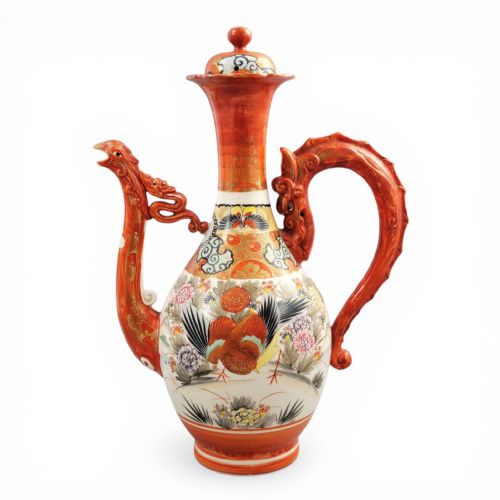


Victorian Porcelain Teapot
These Victorian porcelain teapots bring nineteenth-century table craft into modern rooms, offering genuine period character and varied regional English styles.
Victorian Porcelain Teapot
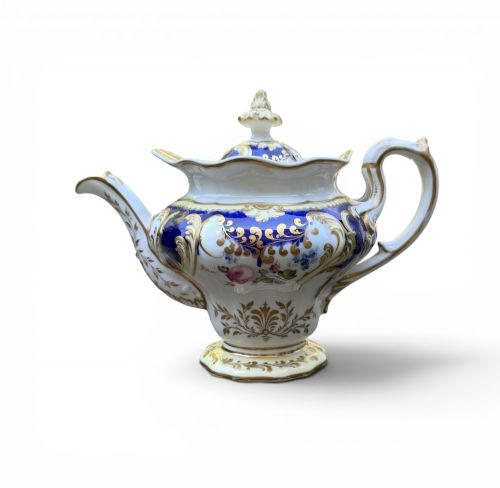
When you search for a victorian porcelain teapot, you encounter a range of nineteenth-century vessels that span simple bachelor sets, miniature solitaire pieces, and larger breakfast services. The objects on this page reflect diverse nineteenth-century aesthetics, moving from early rococo revival shapes to later aesthetic tastes.
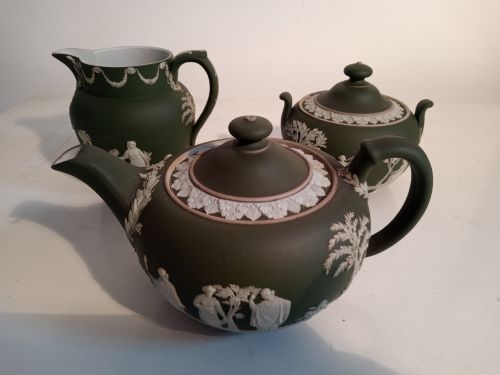
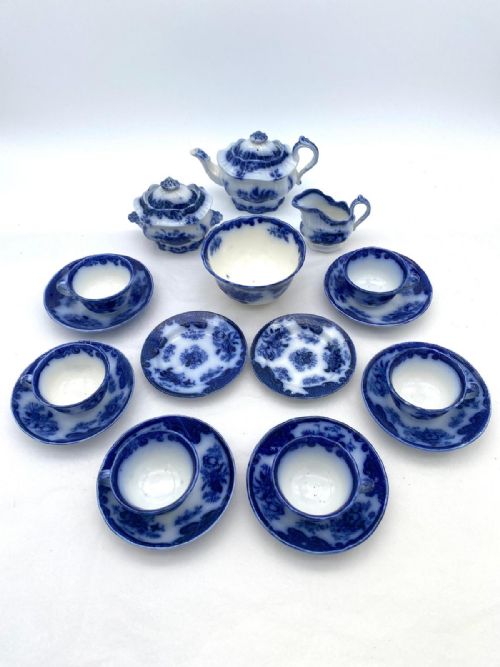
The selection includes standard teapots alongside child's tea services, decorative ewers, and table coasters made across the period. Makers utilised various bodies including porcelain, ironstone china, earthenware, and jasperware to shape these functional items.
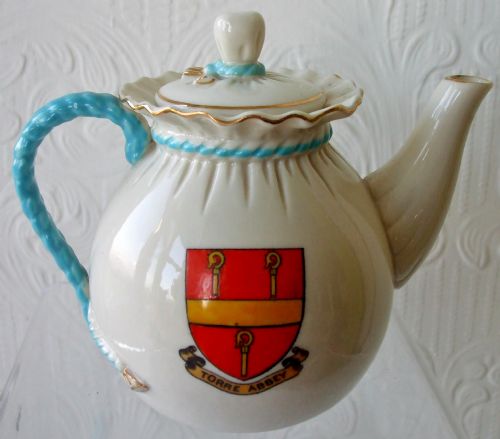
Origin points primarily centre on English workshops, with pieces bearing regional marks from Staffordshire potteries, Torquay, and major manufacturers like Wedgwood, Mintons, and Royal Worcester. Certain examples incorporate influences from Japanese Meiji design alongside traditional European styles.
How they were made
Potters shaped these items using traditional ceramic bodies, including standard porcelain, ironstone, and fine earthenware. Finished pieces often received detailed surface treatments such as cobalt glaze, transfer-printed patterns like Flow Blue and the 'Genevese' design, or hand-applied overglaze enamels.
Many items incorporate gilt decoration, utilising gold leaf highlights to accent moulded handles, spouts, and rims. Specialised techniques such as jasperware production allowed manufacturers to create contrasting coloured relief details on stoneware bodies.
The styles recorded span Victorian Neoclassical, Rococo Revival, Victorian Imari, and the Japanese Meiji period.
What varies in quality
Quality across these items depends largely on the crispness of the moulding and the precision of the hand-painting. Pieces featuring finely detailed overglaze enamels, intricate gilt work, or well-defined relief moulding generally stand apart from plainer utilitarian wares.
The reputation of the maker and the complexity of the form also influence distinction. Miniature sets and specialist items like dragon ewers or marked breakfast services often display a higher degree of artisan skill than standard production pieces.
Wedgwood·W.H. Goss·Royal Worcester·Royal Davenport·Masons Patent Ironstone China·Mintons·Royal Crown Derby
The Victorian Porcelain Teapot Glossary
- Jasperware
- A type of fine stoneware developed by Wedgwood, typically featuring a matte coloured ground with applied white ceramic relief figures and ornaments. It gained immense popularity during the Victorian era for decorative tea wares.
- Flow Blue
- A cobalt blue transfer-printing style originating in Staffordshire potteries during the nineteenth century, where the blue colour purposefully blurred or bled slightly into the white glaze during firing.
- Solitaire
- A small tea service designed for one person, usually comprising a miniature teapot, cup, and saucer, often produced in high-quality porcelain for refined solitary use.
- Overglaze Enamel
- Coloured glass decorations applied over the already fired and glazed ceramic body, requiring a secondary, lower-temperature firing to fuse the pigments to the surface.
- Rococo Revival
- A nineteenth-century design style drawing on eighteenth-century French aesthetics, characterised by asymmetrical scrolls, C-curves, naturalistic floral motifs, and ornate, flowing forms.
Victorian Porcelain Teapot: Frequently Asked Questions
How do I identify a Victorian teapot?
Look at the manufacturing materials, pot stamps, and stylistic cues such as rococo scrolls, flow blue printing, or blush ivory finishes. Makers often used specific ceramic bodies or impressed marks that correspond to nineteenth-century production periods.
Compare the form and decorative techniques against known nineteenth-century patterns, keeping in mind that pieces range from standard domestic tea services to miniature solitaire sets.
Can I still use these teapots today?
While these items are antique collectibles, many robust porcelain and ironstone teapots remain physically capable of holding hot water. However, thermal shock can damage nineteenth-century glazes and delicate overglaze enamels.
Most collectors choose to display them or use them gently for special occasions rather than daily brewing, taking care to avoid harsh modern dishwashers.
What is a bachelor teapot?
A bachelor teapot is a smaller vessel designed to brew tea for a single person, typically forming part of a compact breakfast or tea set. They became popular in the nineteenth century for private use or morning rooms.
These pieces often match larger tea services in pattern and material, offering the same artistic detail on a more intimate scale.
What is the difference between porcelain and ironstone?
Porcelain is a fine, vitrified ceramic material that is often translucent and fired at high temperatures to achieve a smooth, glass-like finish. Ironstone is a durable, heavy type of earthenware patented to resist chipping while mimicking the appearance of true porcelain.
Nineteenth-century potteries utilised both materials depending on whether the desired result was a delicate translucent cup or a robust, heavily patterned family teapot.