




Victorian Porcelain Pitcher
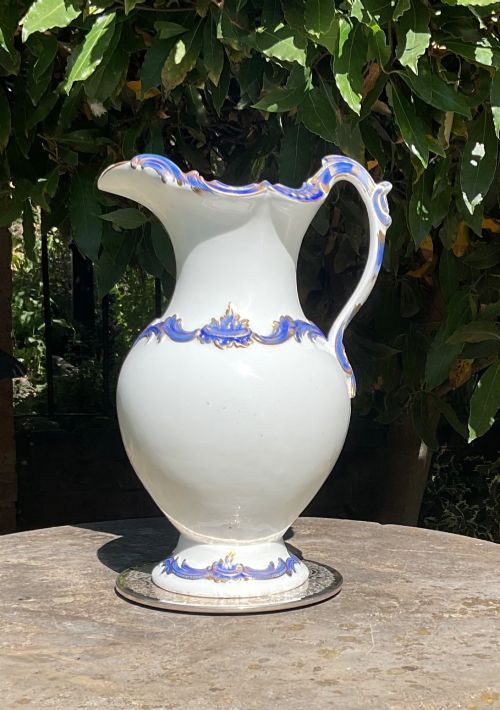
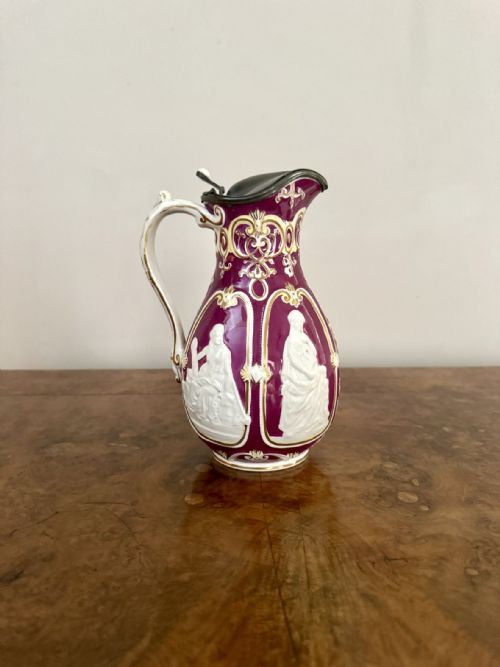
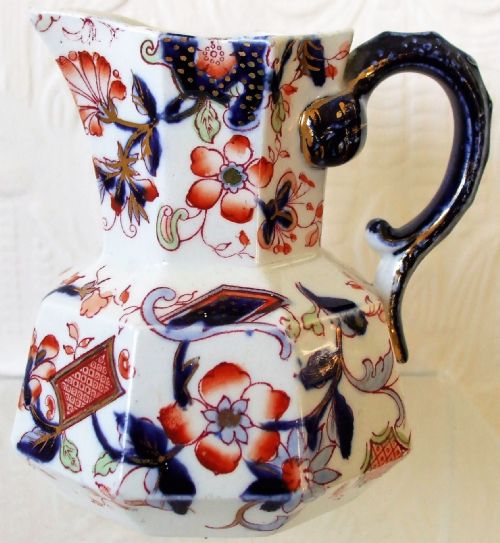
A victorian porcelain pitcher brings floral hand-decorated charm and ornate gilding to a sideboard or washstand.
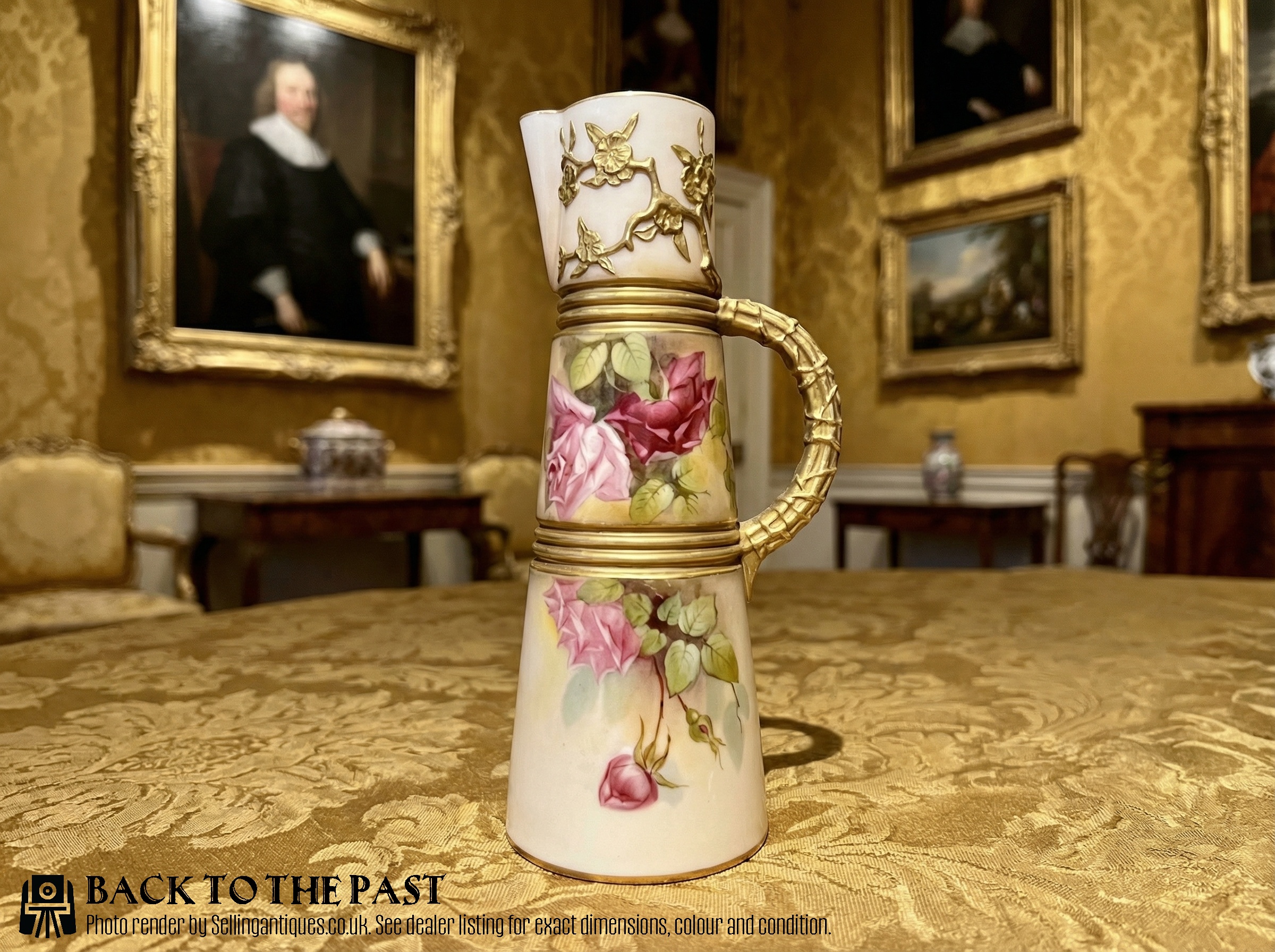
Victorian Porcelain Pitcher
A buyer seeking a victorian porcelain pitcher finds a range of decorative vessels designed for water, wine or washstand sets. These pieces span utility and display, taking forms from simple jugs to elaborate ewers.
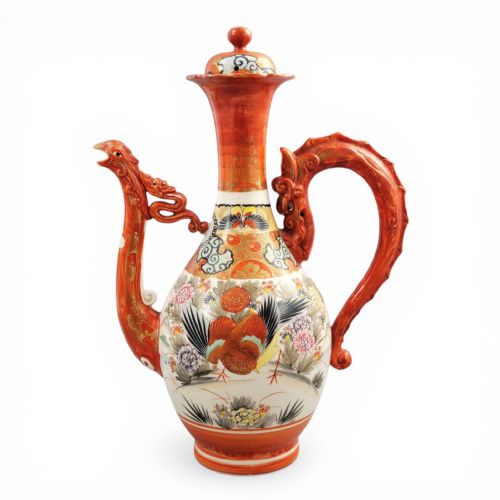
The objects appearing in this selection cross stylistic boundaries, including Victorian Rococo Revival, Aesthetic Movement, and Chinoiserie. Many items emerge from the nineteenth century alongside later Edwardian examples.
Forms include dedicated water jugs, miniature items, and larger bathroom sets complete with basins. Makers ranging from Royal Worcester to Doulton Burslem shaped these ceramic goods.
Materials and production methods
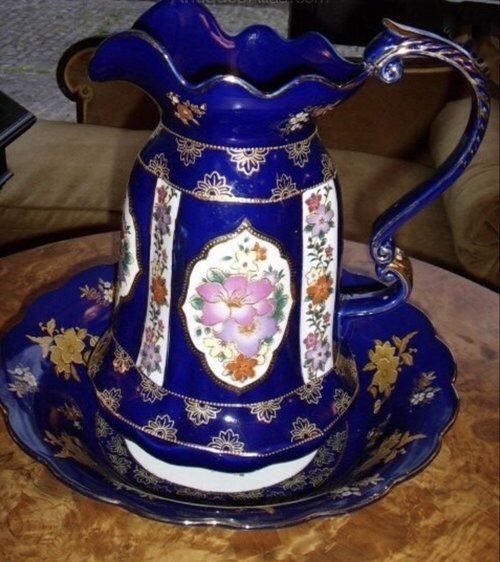
Makers utilised porcelain, ceramic, earthenware, and parian ware as base materials for these vessels. Cobalt blue glazes, enamel, and blush ivory finishes provided colour and ground.
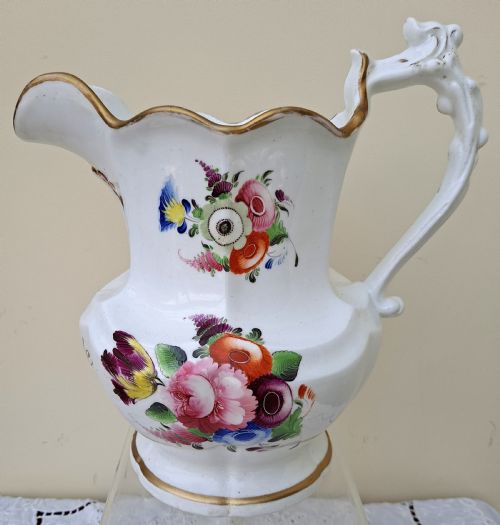
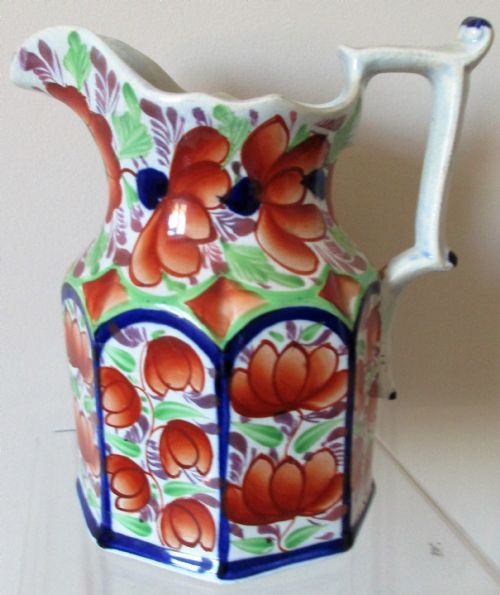
Decoration relied on hand-painted floral motifs, fruit designs, and transfer printing. Artisans applied gold leaf, gilding, and raised gold decor to highlight handles, rims, and spouts.
Listings feature items from 1860 through the Edwardian period, uniting porcelain, earthenware, and parian ware.
Assessing quality in ceramic vessels
Distinction across the range rests on the precision of hand decoration and the complexity of the form. Elaborate moulded handles, reticulated openwork, and signed artisan painting elevate certain pieces above standard production wares.
The application of raised gilding and cobalt grounds marks out the higher tier of manufacture. Factory marks from established potteries offer further indication of origin and standard.
Keeling And Co·John Baley·Masons Ironstone·Grainger Worcester·Royal Worcester·Doulton Burslem·Royal Crown Derby·Vienna Porcelain·Coalport
The Victorian Porcelain Pitcher Glossary
- Ewer
- A large jug with a wide spout and handle, traditionally used for washing or display. These decorative vessels often feature ornate handles and slender necks.
- Parian ware
- A type of fine bisque porcelain developed to imitate marble. It was widely utilised for unglazed nineteenth-century figures and drinking jugs.
- Reticulated
- Describes ceramic work featuring an openwork or pierced lattice design. This delicate technique required skilled cutting before firing.
- Blush ivory
- A specialist soft cream-coloured porcelain glaze developed by Royal Worcester. It provided a matte background for floral painting.
- Hydra
- A classical jug shape featuring a distinctive three-part lip and looped handle. Staffordshire and other English potteries reproduced this ancient form.
Victorian Porcelain Pitcher: Frequently Asked Questions
Were these pitchers used for daily washing?
Many larger vessels formed part of washstand sets paired with matching basins for bedroom hygiene. Other ornamental examples served decorative functions or held wine on the dining table.
Domestic interiors of the nineteenth century relied on these ceramic sets before plumbed bathrooms became common. Surviving pieces often retain their original matching basins.
How do I identify a Royal Worcester piece?
Factories stamped or printed specific date codes and puce marks onto the underside of their porcelain wares. These symbols allow collectors to date the production year accurately.
Artisans sometimes signed their painted floral panels directly on the body or base. Blush ivory grounds and raised gold decor also point toward this manufacturer.
Can these pitchers hold water safely today?
Most glazed ceramic and porcelain interiors remain watertight and capable of holding fresh flowers. Hairline fractures or historical repairs require careful inspection before daily use.
Displaying them as decorative objects protects the delicate gilt and enamel surfaces from moisture damage. Hand washing preserves the antique finishes.