

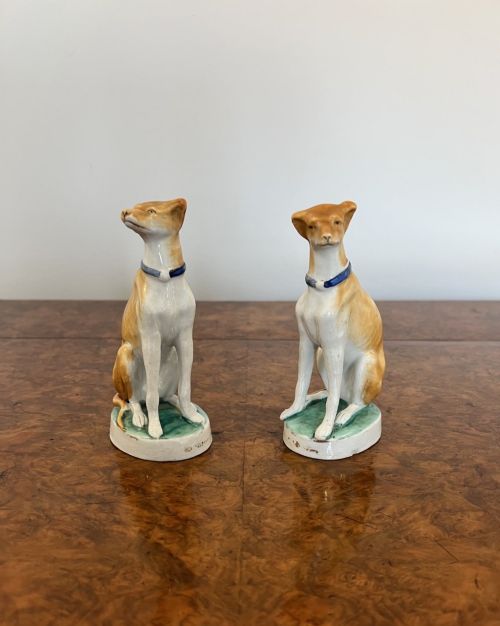
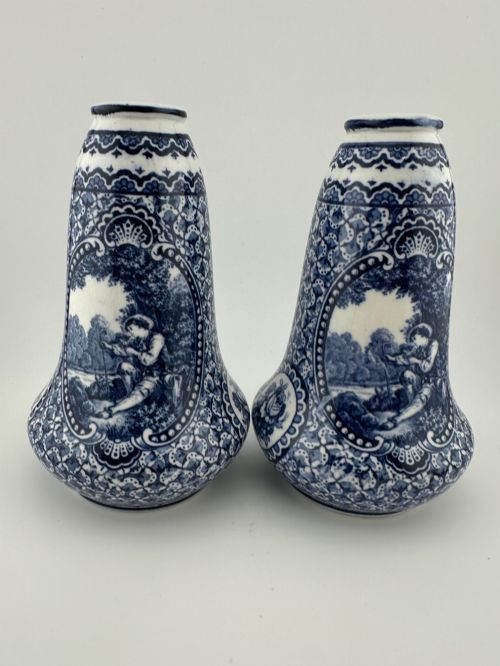
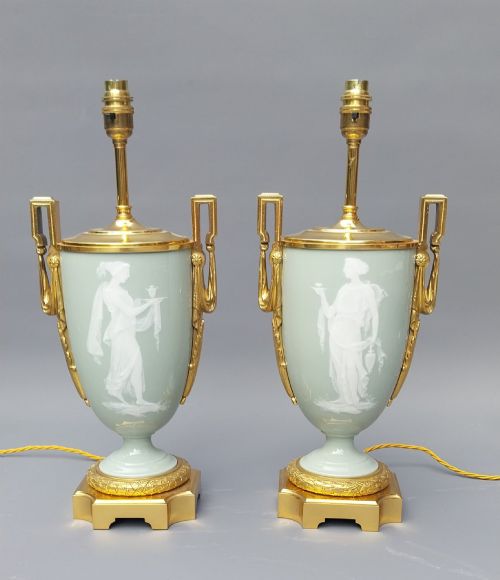
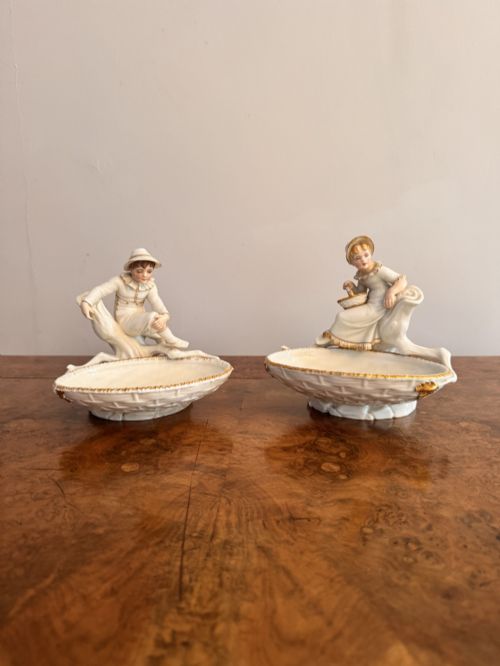
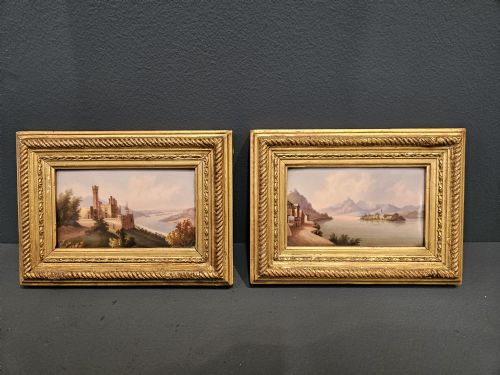
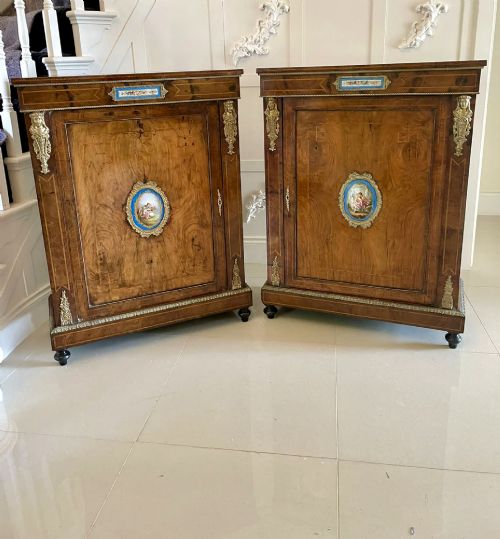
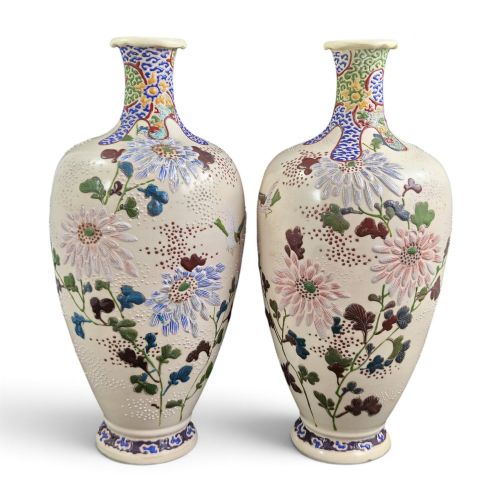
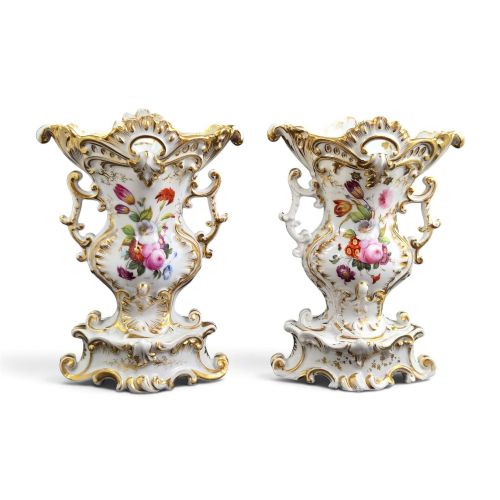
Victorian Porcelain Pair
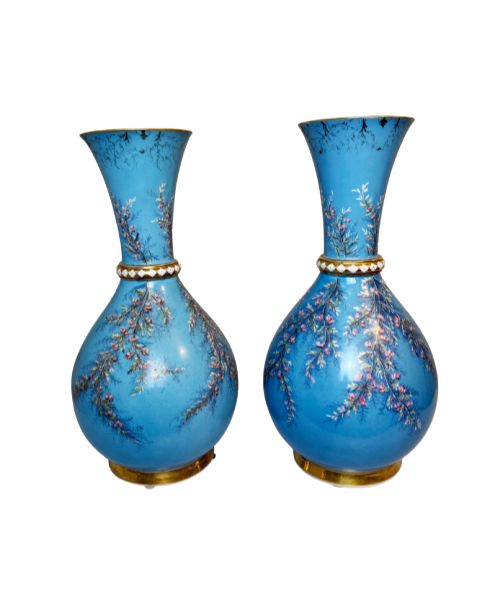
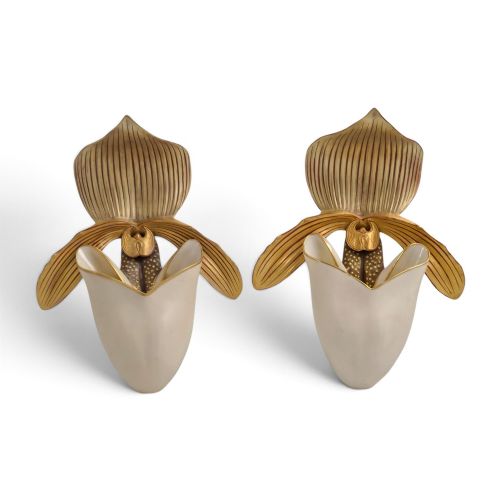
A victorian porcelain pair brings symmetry and balanced decoration to a mantelpiece or console table.
Victorian Porcelain Pair
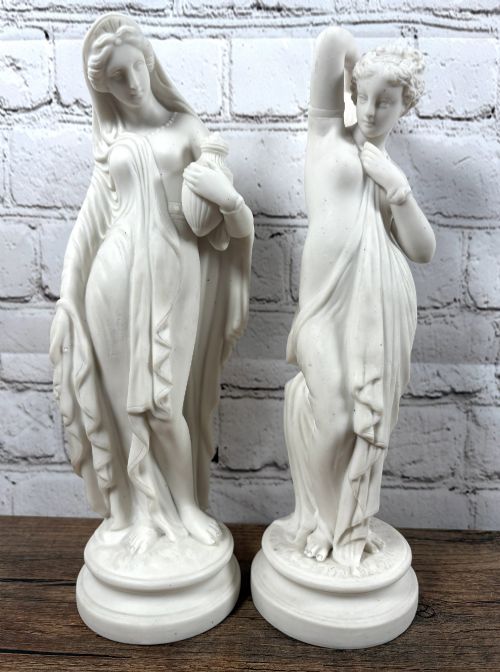
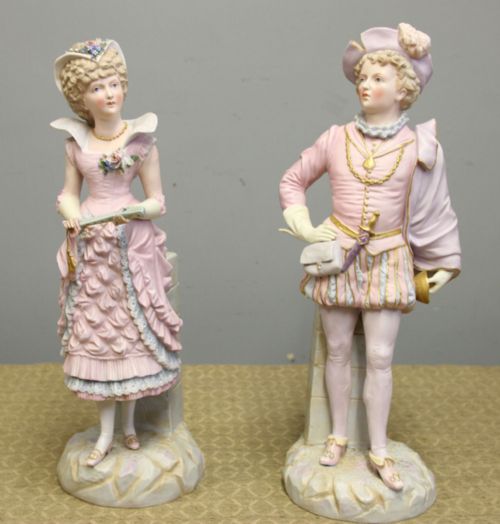
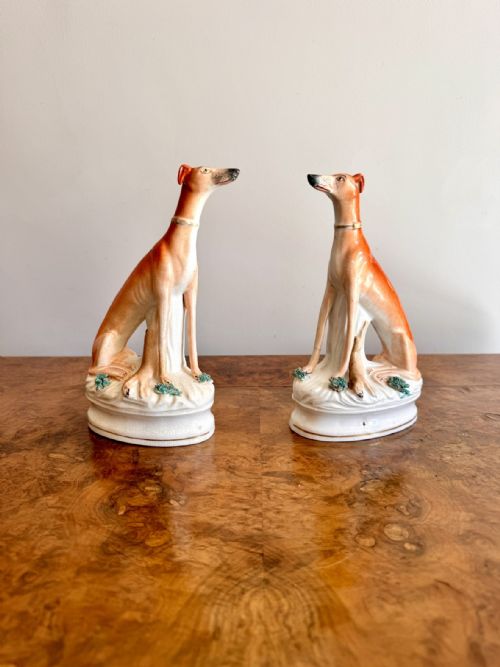
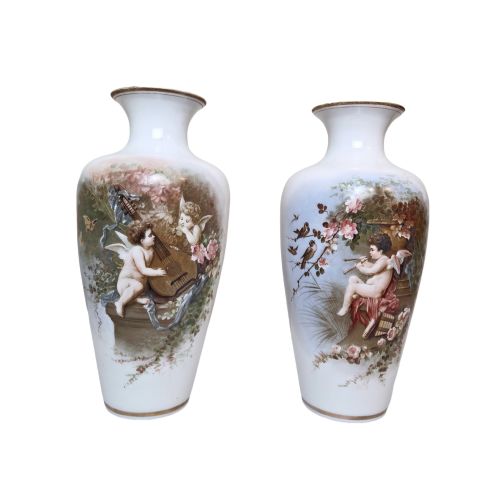
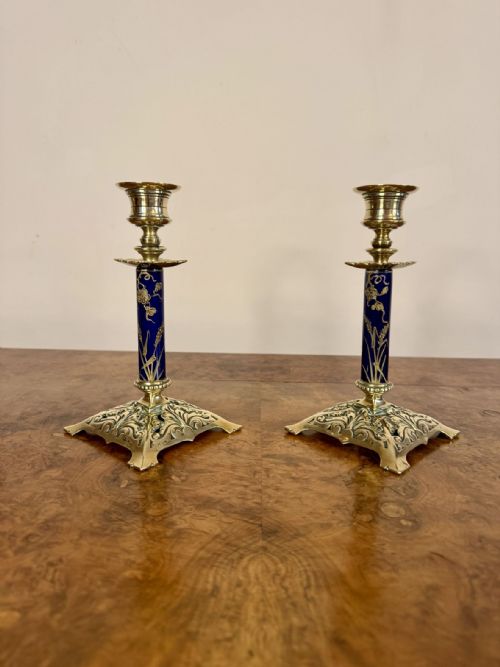
When searching for a victorian porcelain pair, collectors encounter matching groups designed for domestic display during the nineteenth century. The selection on this page centres on decorative objects intended to sit together in formal rooms, including vases, candlesticks, and figurines.
Most examples date from the Victorian era and adjacent periods, taking the form of matched companions rather than isolated single items. These pairings reflect the period taste for symmetrical arrangement on furniture surfaces.
Makers from Staffordshire, Worcester, and European factories produced these matched groups using traditional ceramic bodies and glazes. Buyers find both English earthenware figures and continental porcelain vessels designed for visual balance.
How They Were Made
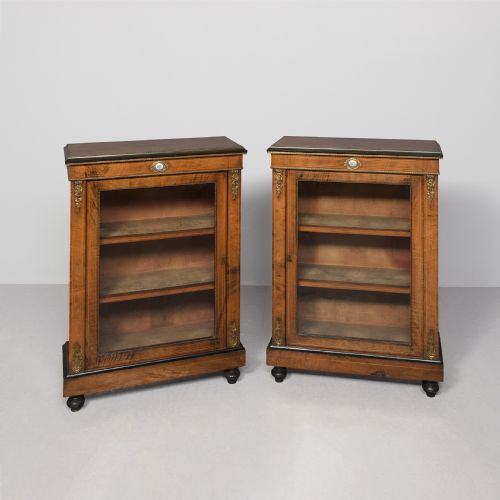
Potters shaped these objects using porcelain or earthenware bodies, often applying enamel colours and gold leaf highlights by hand. Glazing sealed the surface, while specific pieces incorporated brass mounts or gilt bronze elements to frame the ceramic work.
Modelling required skilled hand-forming or moulding, followed by multiple firings to fix the underglaze decoration and surface enamel. Artisans then added fine gilding or detailed brushwork before a final low-temperature firing.
Victorian Porcelain Pair Retail Price Guide 2026
Typical asking prices for victorian porcelain pair among the pieces listed under this phrase on Sellingantiques today, from the lower quarter to the upper quarter. They describe what is for sale here now, not the wider market.
Listings feature items from the 19th Century, Victorian, and Edwardian periods, executed in porcelain, earthenware, and bisque.
What Varies in Quality
The preservation of the original gilt highlights and the clarity of the glaze also determine the standing of an item. Pieces retaining crisp enamel colours without rubbing show greater artistic merit.
Royal Worcester·Edmé Samson·Jacob Petit·Crown Derby·Helena Wolfsohn
The Victorian Porcelain Pair Glossary
- Parian ware
- A fine unglazed white ceramic resembling marble, developed in the nineteenth century for figures and busts. It captures sculptural detail with smooth matte surfaces.
- Bisque
- Biscuit porcelain that has been fired once without a glaze, leaving a porous, matte texture. It is frequently found on nineteenth-century decorative figures.
- Gilding
- The application of gold leaf or powdered gold to ceramic surfaces for decorative emphasis. It provides metallic contrast against painted enamel grounds.
- Satsuma
- Japanese earthenware pottery featuring a crackle glaze and elaborate overglaze enamel and gold decoration. These wares were widely exported during the Meiji period.
- Enamel
- Opaque vitreous material fused to the ceramic surface during firing to create colourful painted designs. Artisans used it for detailed pictorial scenes and floral borders.
Victorian Porcelain Pair: Frequently Asked Questions
What are victorian porcelain pairs?
These items are matched decorative objects produced in twos for symmetrical interior display during the nineteenth century. They include mantel vases, figural groups, and candlesticks.
Craftsmen created them as balanced companions rather than solitary items to suit the formal furnishing styles of the period.
How were they used in homes?
Owners placed them on mantelpieces, side cabinets, and console tables to frame mirrors or clocks. Their matching design brought visual order to domestic rooms.
They served primarily as ornamental items rather than functional vessels, reflecting the decorative tastes of Victorian households.
How do I care for them?
Keep them away from direct sunlight to protect hand-painted enamel colours and delicate gold leaf highlights. Dust them gently with a soft dry brush.
Avoid using water or liquid cleaners, particularly on unglazed surfaces like bisque or Parian ware.
How do I identify the period?
Look at the manufacturing style, the type of ceramic body, and any factory marks stamped or painted on the base. Victorian pieces often combine rich gilding with floral or figural enamel work.
Comparing the moulding quality and glaze characteristics helps distinguish nineteenth-century production from later copies.