


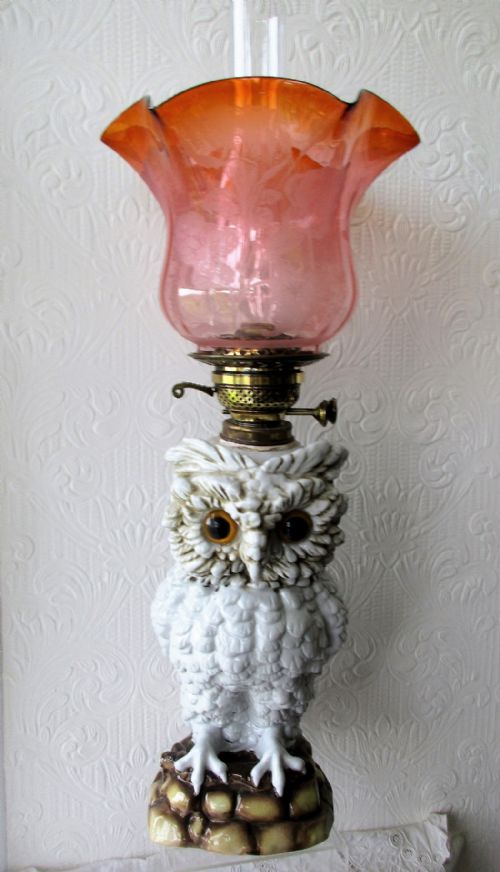
Victorian Porcelain Oil Lamp
A victorian porcelain oil lamp brings weighted nineteenth-century presence to a room, fusing ceramic bodies with brass fittings for a soft table light.
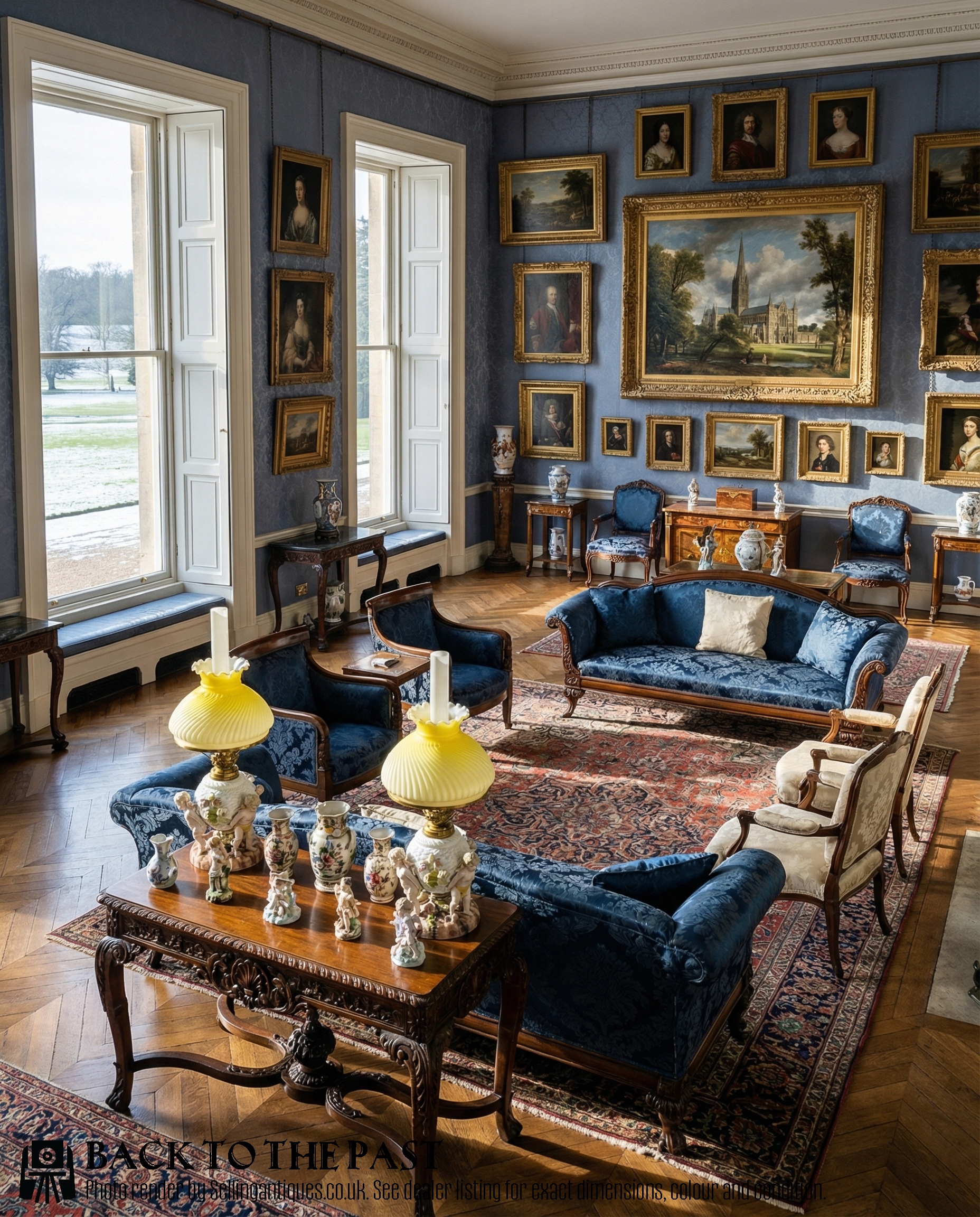
Victorian Porcelain Oil Lamp
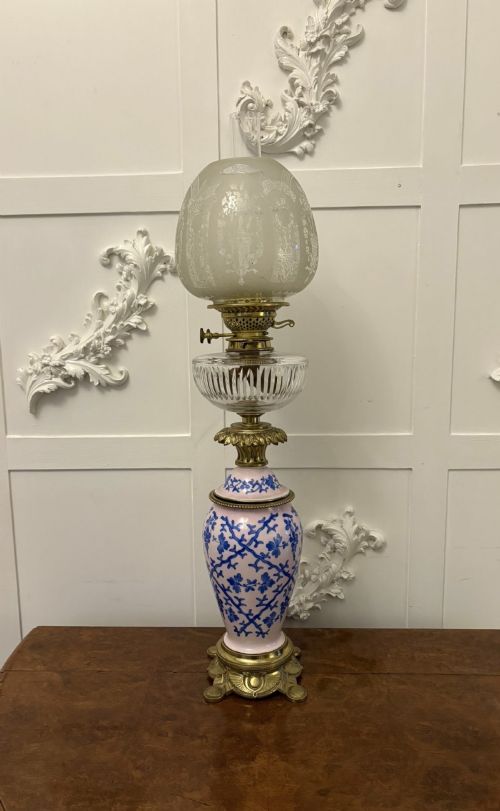
A victorian porcelain oil lamp combines a ceramic or porcelain reservoir with metal mounts, functioning primarily as a table lamp across the nineteenth century. These pieces emerge from periods such as eighteen eighty and eighteen ninety, carrying decorative vocabularies from Victorian to Rococo Revival styles.
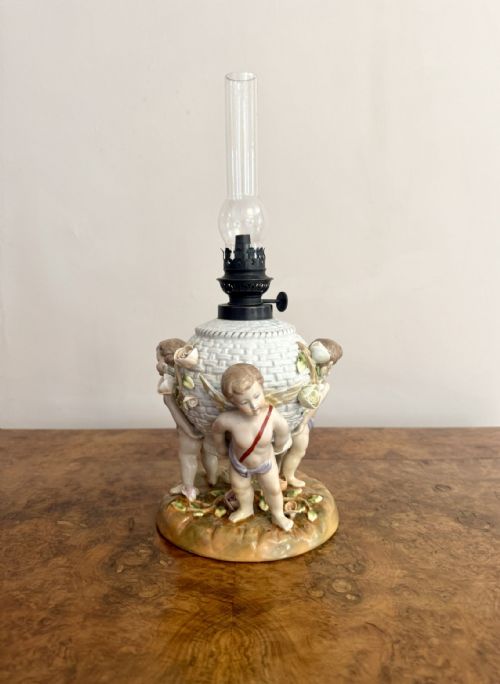
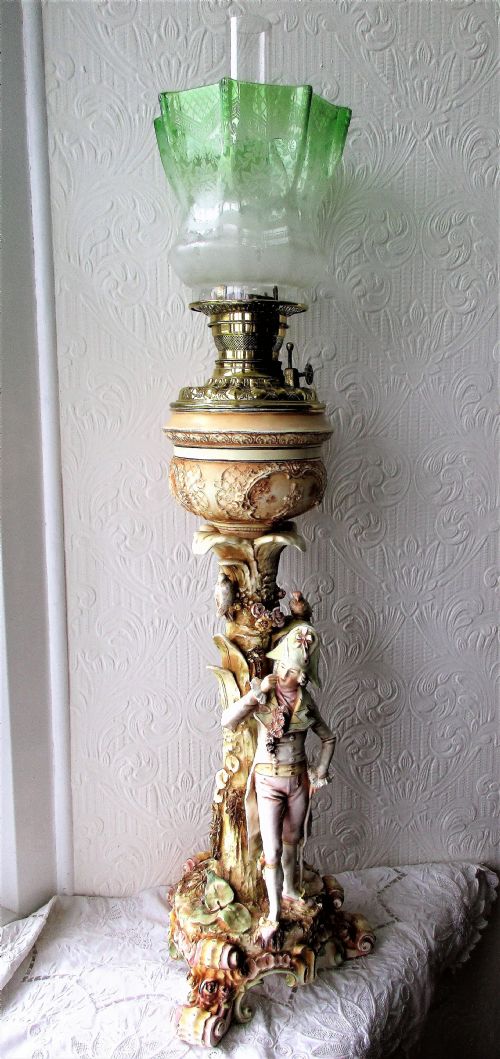
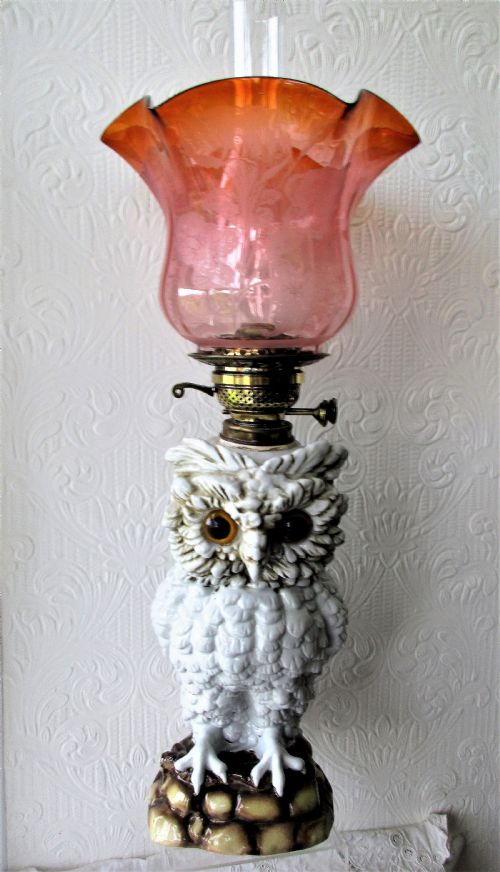
The domestic interior relies on these fittings for functional illumination, often taking the form of figural subjects like owls or cherubs alongside traditional vase bodies. Pieces originate from diverse European centres, including English, German, and French workshops, utilising glazed faience and painted porcelain.
Collectors encounter table lamps paired with fabric shades or standing alone as sculptural objects. The construction bridges utilitarian fuel storage with elaborate ceramic artistry typical of the nineteenth century.
How they were made
Makers shaped porcelain and ceramic bodies through moulding and throwing, frequently applying detailed hand-painted glazes or transfer printing. These ceramic reservoirs integrate with brass and gilt brass mountings to secure the burner mechanisms.
Certain examples incorporate opaline glass and cranberry glass elements alongside the primary porcelain structure, adding contrasting texture and colour. Fabric components often complete the shade assembly on surviving table lamps.
Listings feature porcelain, glass, and brass materials combined across Victorian and Rococo Revival styles from the nineteenth century.
What varies in quality
The finesse of the hand-painted decoration and the crispness of the porcelain moulding define the upper tier of these lamps. Figural pieces with detailed modelling, such as cherubs or owls, demonstrate superior artistic ambition compared to plain vessels.
The integration between the ceramic body and the metal mounts indicates the standard of manufacture. Heavier gauge brass and solid gilt fittings distinguish more substantial examples from simpler domestic lighting.
Sitzendorf·Meissen·Moore Brothers·Sevres
The Victorian Porcelain Oil Lamp Glossary
- Opaline glass
- A type of semi-translucent glass, often pale in colour, used alongside porcelain elements in nineteenth-century lighting.
- Gilt brass
- Brass treated with a thin layer of gold or gold-coloured wash to provide a rich metallic finish on the lamp mounts.
- Glazed faience
- Tin-glazed earthenware offering a smooth, impervious surface suitable for painted decoration on table lamps.
- Famille rose
- A palette of Chinese porcelain enamels dominated by opaque pink, appearing on imported vases later adapted into lamps.
Victorian Porcelain Oil Lamp: Frequently Asked Questions
How do I date a porcelain oil lamp?
Dating relies on stylistic clues like Rococo Revival moulding or specific ceramic bodies associated with nineteenth-century production.
Markings on the porcelain base or metal fittings also help pinpoint the period of manufacture.
Were these lamps converted to electricity?
Many surviving examples undergo conversion to electricity for modern domestic use, replacing the original burner mechanism.
Some retain traces of their original oil-burning hardware alongside modern wiring.
What styles are common in these lamps?
Victorian and Rococo Revival dominate the aesthetic, featuring ornate scrolls, gilding, and figurative elements.
Chinese Export and French regional styles also appear among the recorded inventory.
How should I clean porcelain oil lamps?
Dust the porcelain and metal components gently with a soft dry cloth to preserve painted surfaces and gilding.
Avoid harsh chemical cleaners that might damage the delicate glazes on the ceramic body.