


Rococo Porcelain Lamp
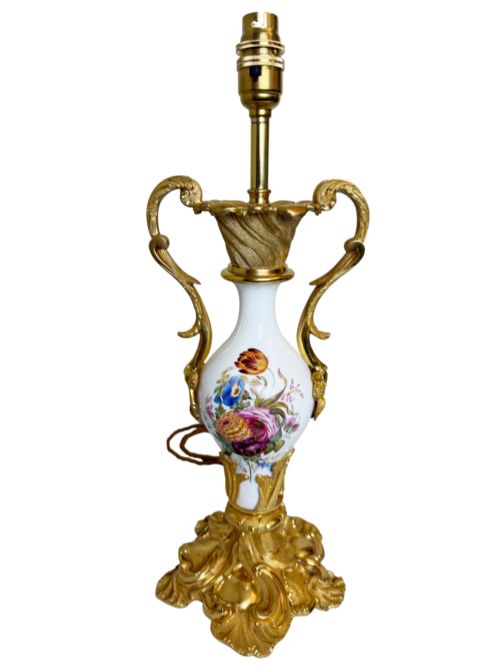
A rococo porcelain lamp brings curving, scrollwork-heavy style and hand-painted figures into a room.
Rococo Porcelain Lamp
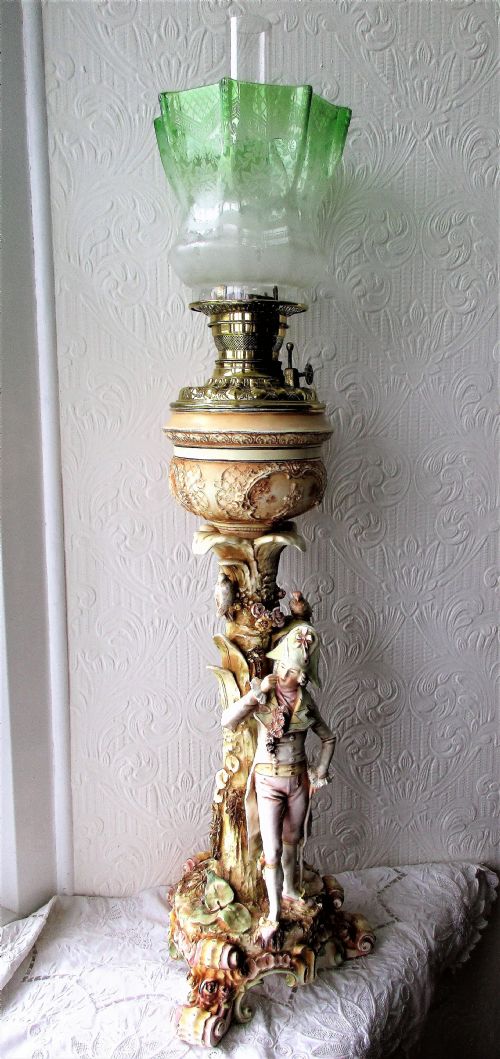
A rococo porcelain lamp combines the sweeping, asymmetric scrollwork of the revival styles with fired ceramic bodies. You will most frequently meet table lamps and oil lamps dating from the nineteenth century, often decorated with hand-painted scenes or figural elements.
Many examples pair painted porcelain with gilt bronze, brass, or ormolu mounts that trace the extravagant curves typical of the French chateau aesthetic. Alongside domestic table lighting, the selection includes fitted vases and chandeliers bearing similar ornamental traits.
The aesthetic draws heavily on eighteenth-century traditions, reinterpreted through nineteenth-century Victorian and continental revival movements. Whether formed as figural cherub groups or cobalt blue bodies, each piece serves as both a functional light source and a decorative centrepiece.
What varies in quality
The weight, chasing, and finishing of the gilt bronze or ormolu mounts dictate overall standard. Well-cast metalwork follows the ceramic contours tightly and displays sharp relief, whereas coarser pieces show softer, less defined decorative casting.
Listings feature materials including porcelain, gilt bronze, ormolu, and glass across nineteenth-century Victorian and French chateau styles.
Sitzendorf·Meissen
The Rococo Porcelain Lamp Glossary
- Ormolu
- Gilded bronze mounts applied to furniture, ceramics, and lighting. The technique involves coating metal in a mercury and gold amalgam before heating.
- Toleware
- Painted sheet metal objects used for decorative items and shades. The finish employs japanning or oil-based varnishes in various colours.
- Sevres Style
- Ceramics decorated in the manner of the French royal porcelain factory. Pieces often feature rich ground colours, heavy gilding, and romantic painted scenes.
- Sitzendorf
- A German porcelain factory known for producing ornate figures and decorative items. Works often incorporate lace porcelain and elaborate floral encrustations.
- Chinoiserie
- European artistic style reflecting Chinese motifs. Designs typically include imaginary landscapes, figures, and pavilions.
Rococo Porcelain Lamp: Frequently Asked Questions
Are these lamps originally electric?
Most nineteenth-century pieces began life as oil lamps or decorative vases before undergoing later conversion for modern electrical use. Adapting these bodies preserves their decorative value while enabling daily domestic utility.
Fittings and wiring are typically modern replacements installed to meet current safety standards without altering the historic ceramic or metal structure.
How do I identify a Sevre style lamp?
Sevres style pieces usually feature deep cobalt blue or rich coloured grounds paired with extensive gilding and painted panels. They frequently incorporate cast ormolu mounts that frame the porcelain body.
These designs imitate the output of the famous French manufactory, capturing the ornate aesthetic popular during the nineteenth century revival periods.
What is ormolu mounting?
Ormolu mounting involves attaching finely cast and gilded bronze decorative elements to porcelain bases. These mounts provide structural support and enhance the ornate scrollwork characteristic of the style.
Master artisans chiselled and finished the cast metal by hand to ensure the mounts conformed precisely to the curves of the ceramic body.
How should I clean a gilt bronze mount?
Dust gilt bronze mounts gently with a soft, dry brush to prevent the accumulation of dirt in the chased recesses. Avoid harsh chemical cleaners or abrasive polishes that can strip the original gilding.
Maintaining the metal requires minimal intervention, preserving the natural patina accumulated over the nineteenth century.