
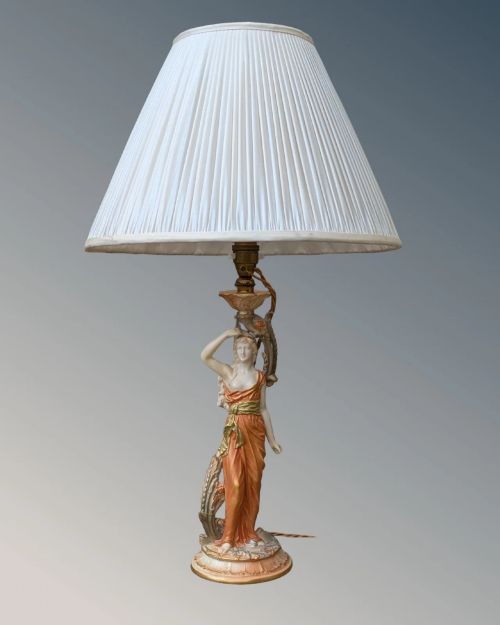


Victorian Porcelain Lighting
Victorian porcelain lighting brings together soft ceramics and metal mounts to illuminate interiors with the warmth of the nineteenth century.
Victorian Porcelain Lighting
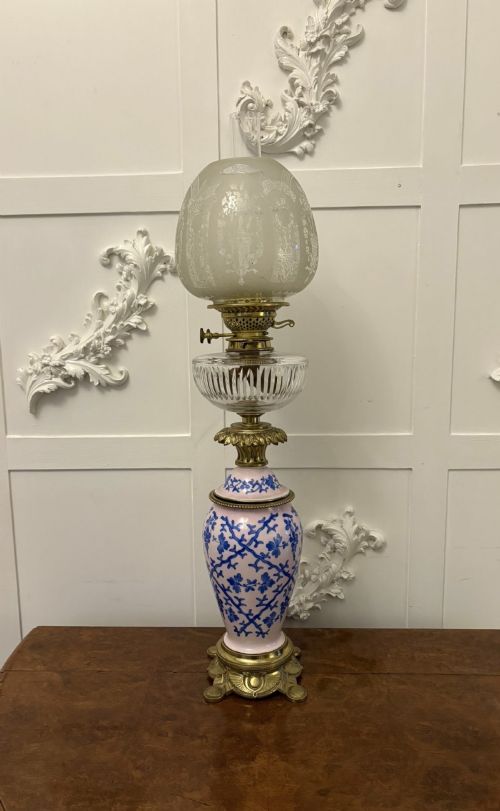
Victorian porcelain lighting encompasses oil lamps, table lamps, candlesticks, and wall sconces produced during the nineteenth century. These objects combine ceramic bodies with functional metal hardware designed to burn fuel or hold candles.
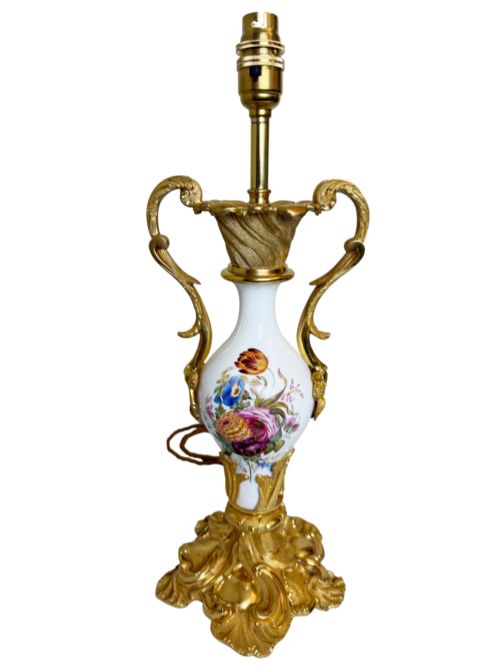
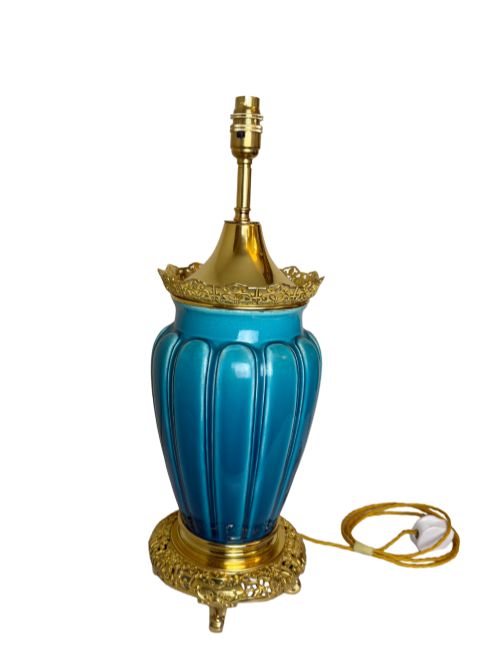
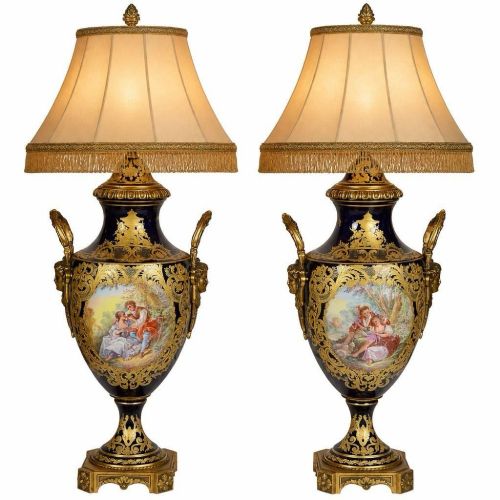
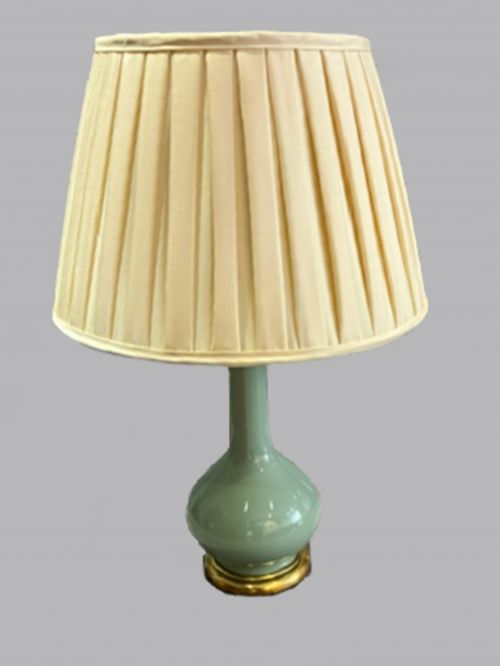
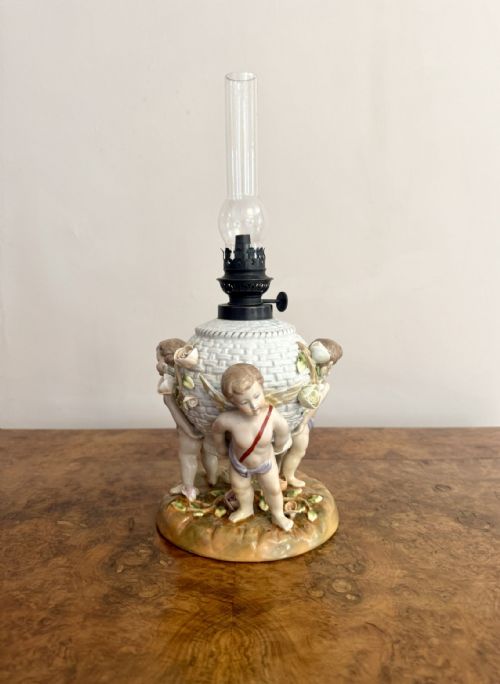
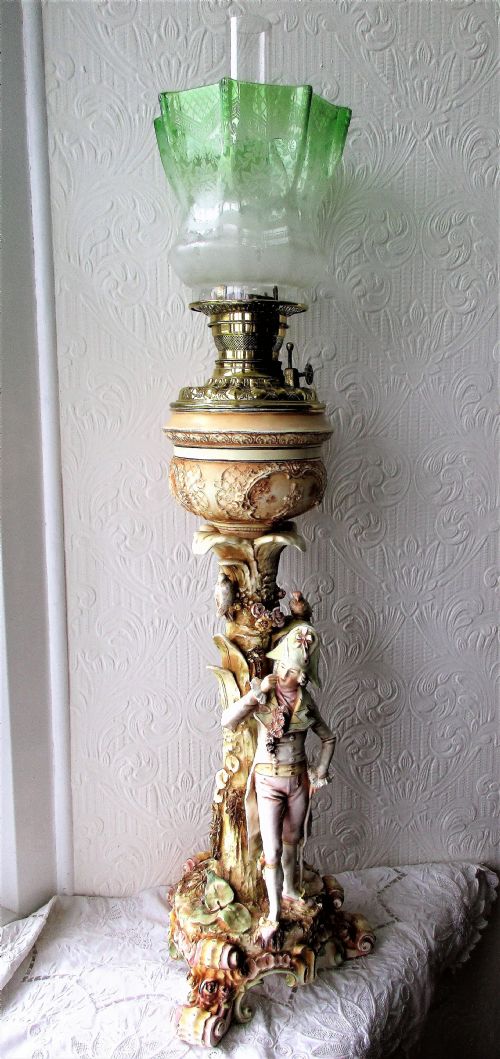
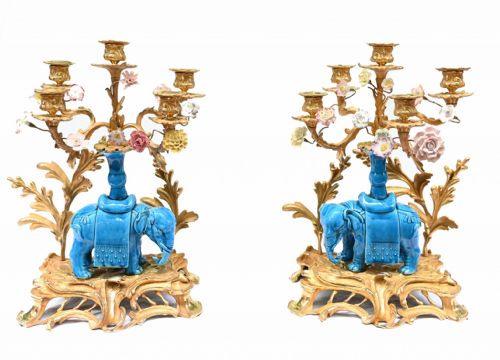
The pieces appearing here include French Sevres style works, German figural pieces from Sitzendorf, and Chinese export ceramics mounted in Europe. Table lamps and oil lamps dominate the selection, often taking the form of vases or figures.
Many items date from the decades around eighteen eighty and eighteen ninety, reflecting the later Victorian enthusiasm for decorative home illumination. Forms range from simple glazed vessels to complex figural groups involving cherubs and animals.
How they were made
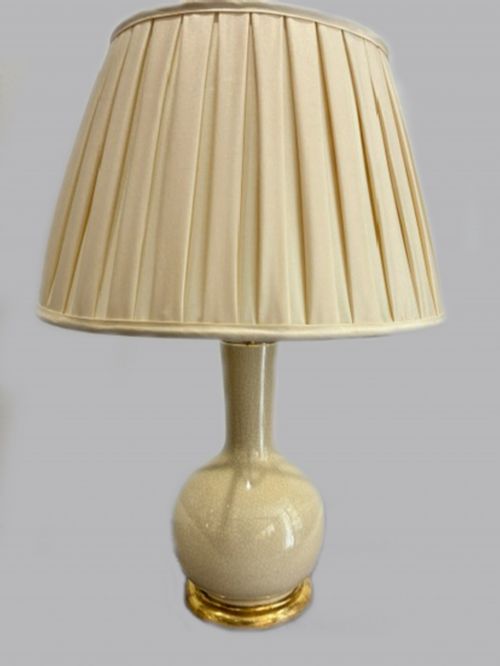
Makers shaped porcelain bodies on the wheel or in moulds before firing and applying painted decoration, enamels, and glazes such as celadon or crackle ware. Factories in Meissen, Sitzendorf, and Worcester produced these ceramic components with intricate hand-painted details.
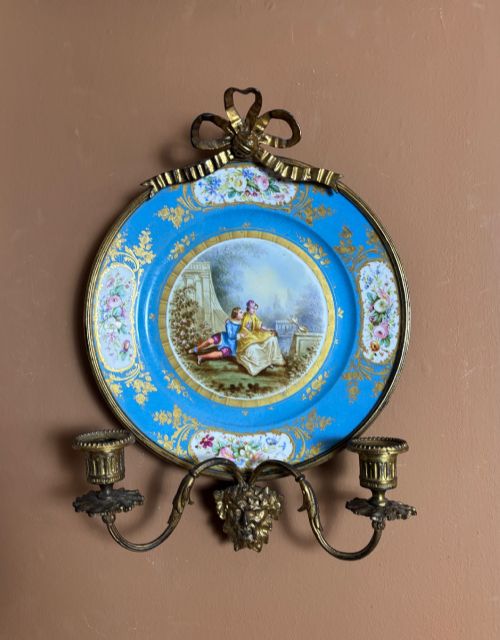
Metalworkers added mounts of brass, ormolu, gilt bronze, and gold leaf to secure the porcelain and form burner assemblies, bases, and candle arms. These metal elements were cast and chased separately before being fitted to the ceramic bodies.
Listings feature materials spanning porcelain, brass, glass, enamel, ormolu, fabric, gilt bronze, and gold leaf.
What varies in quality
The refinement of the porcelain moulding and the detail in the hand-painted decoration set the finer pieces apart from standard production. Softer facial expressions on figural lamps and crisper floral motifs indicate superior ceramic work.
The heaviness and finish of the metal mounts dictate the overall success of the piece, with solid gilt bronze and finely chased ormolu holding higher status than simpler brass elements. The harmony between the ceramic vessel and its metal frame determines the visual balance.
Sitzendorf·Meissen·Royal Worcester·James Hadley
The Victorian Porcelain Lighting Glossary
- Ormolu
- A gilded brass or bronze finish applied to metal mounts, giving a rich gold appearance to the structural parts of a lamp.
- Candelabra
- A branched candlestick holding multiple lights, often incorporating porcelain figures or vases in nineteenth-century designs.
- Famille Rose
- A palette of Chinese ceramic enamels dominated by opaque pink, used on export porcelain mounted later as lamps in Europe.
- Celadon
- A pale green jade-like glaze applied to porcelain bodies, frequently seen on nineteenth-century French and Chinese export forms.
- Fairing
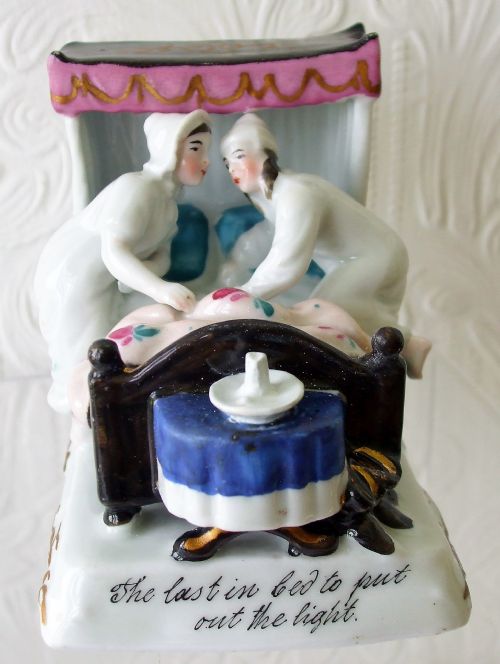
- A small porcelain ornamental group, often humorous, produced in Germany and popular in Victorian households.
Victorian Porcelain Lighting: Frequently Asked Questions
Were these lamps converted from oil?
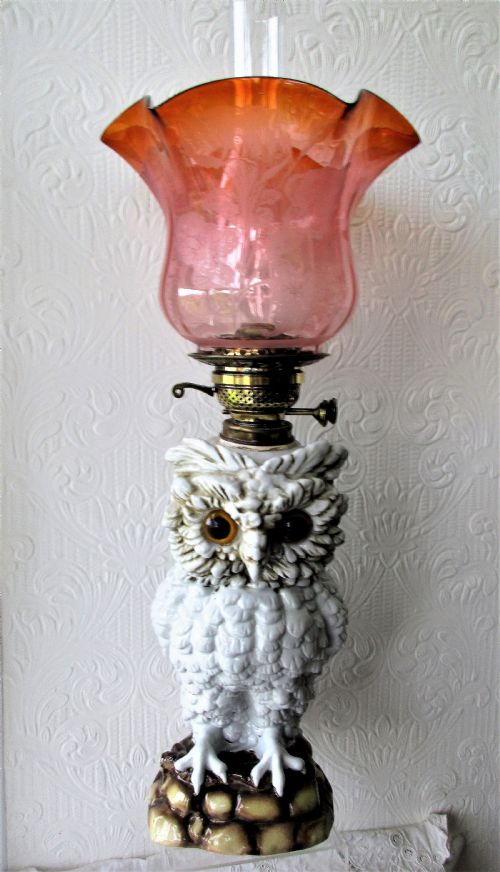
Many nineteenth-century table lamps originally burned oil using brass burners mounted on ceramic reservoirs. Subsequent wiring for electricity often retained the original metal collar and burner components.
Collectors find both converted examples and pieces designed originally with dual purposes, such as combined oil lanterns and vases.
How do I identify French pieces?
French nineteenth-century lighting frequently utilises Sevres style porcelain combined with gilt bronze or ormolu mounts. The decorative focus leans towards classical forms, rich blue grounds, and refined floral painting.
Makers in France often paired Chinese export vases with elaborate European metalwork during the late eighteen hundreds.
What are figural lamps?
Figural lamps incorporate human figures, animals, or mythical creatures into the ceramic support structure. Sitzendorf and Meissen specialised in producing cherubs, shepherds, and animals as part of candlesticks and oil lamps.
These pieces use the sculptural form of the figures to frame the light source rather than relying on a simple column or vase.
How should I clean porcelain lighting?
Dusting ceramic surfaces with a dry cloth prevents the accumulation of grime in recessed painted areas and enamels. Metal mounts require gentle care to preserve gilding without abrasive polishes.
Fabric shades and delicate hand-painted glazes benefit from minimal handling and avoidance of chemical cleaning agents.