


Mid Victorian Table Lamp
A mid victorian table lamp brings steady, warm light and solid nineteenth-century craftsmanship into a room.
Mid Victorian Table Lamp
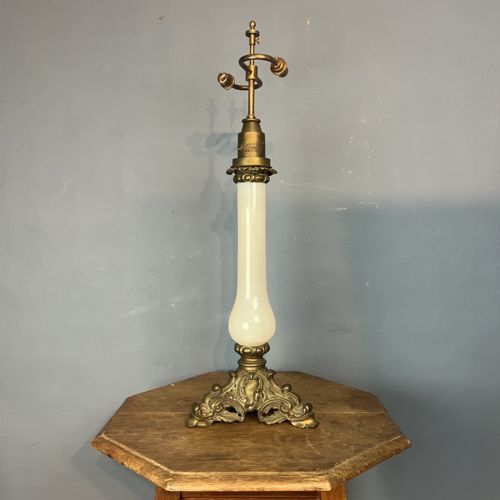
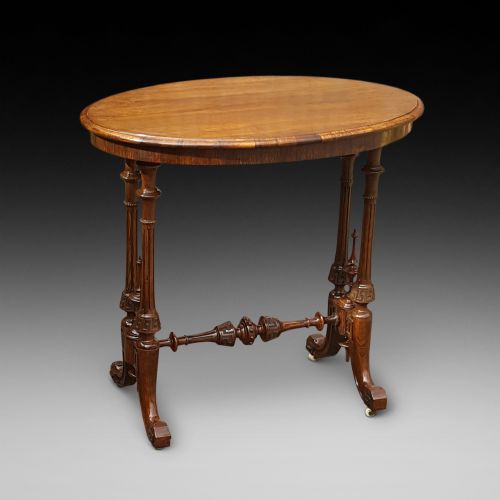
When you search for a mid victorian table lamp, you encounter lighting fixtures and small lamp tables dating from the middle decades of the nineteenth century. The selection typically includes converted candlesticks, oil lamps, and sturdy occasional tables designed specifically to hold lighting.
Materials span from brass and cut glass to rich timbers like mahogany, walnut, and burr walnut. Many examples date from the eighteen-fifties, eighteen-sixties, and eighteen-seventies, representing the Victorian and mid-nineteenth-century styles.
How they were made
Maker construction relies heavily on turned and cast metals such as brass, silver plate, and bronze, often paired with cut or opaline glass. These metallic and glass components form the sturdy bodies of the lamps.
Wooden furniture forms utilise timbers like mahogany, oak, birch, padouk, and burr walnut, sometimes enhanced with fabric elements. Joinery techniques reflect traditional nineteenth-century cabinet making and metalworking methods.
Several tables include clever tilt tops and hidden compartments, proving the Victorians loved hiding things in plain sight.
What varies in quality
The degree of refinement in the materials creates a clear distinction across the pieces, separating standard utility items from more ambitious decorative objects. Cut glass clarity and the weight of cast brass or bronze set the standard for the lighting fixtures.
For wooden forms, the choice of timber veneer, such as burr walnut or figured mahogany, and the precision of the turning and joinery determine the overall distinction of the piece.
Samuel Alcock·Mc Gary
The Mid Victorian Table Lamp Glossary
- Opaline glass
- A pale, translucent glass popular in nineteenth-century lighting and decorative objects. It diffuses light softly through its milky surface.
- Burr walnut
- A highly figured wood veneer taken from the burl growths of walnut trees. It provides intricate, swirling grain patterns on table tops and lamp bases.
- Occasional table
- A small, movable table intended for a specific, intermittent use such as holding a lamp or book. Many nineteenth-century examples double as dedicated lamp tables.
- Tilt top
- A table mechanism allowing the surface to pivot to a vertical position when not in use. This design originated to save space in smaller Victorian rooms.
- Silver plate
- A thin layer of silver applied to a base metal core. It offers the appearance of solid silver at a different level of manufacture.
Mid Victorian Table Lamp: Frequently Asked Questions
How do I safely wire an antique lamp?
Most antique lamps require rewiring to meet modern electrical safety standards before daily use. A qualified electrician can replace old internal components while preserving the historic exterior.
Original brass and glass fittings can usually be adapted carefully without damaging the historic structure. This ensures the piece remains functional for contemporary domestic spaces.
Where should I place a lamp table?
Lamp tables suit corners, beside armchairs, or next to sofas where they provide a stable surface for illumination. Their compact nineteenth-century proportions allow them to fit easily beside modern seating.
Pronounced wood grains and cut glass look best in rooms with natural daylight that highlights the textures. Keep them away from direct heat sources to protect the historic timber and finishes.
How do I distinguish mid-Victorian from later pieces?
Mid-nineteenth-century construction methods rely on hand-turned components, specific timber choices like padouk and burr walnut, and traditional joinery. Look for patination and wear patterns consistent with use over many decades.
Styles from this era often incorporate neoclassical or Greek revival influences rather than later aesthetic movement designs. Hardware and fastening methods also help confirm the period of manufacture.
What is the difference between a lamp table and an occasional table?
Lamp tables are specifically designed with sturdy proportions or specialised tops to support lighting fixtures securely. Many period tables serve dual purposes as wine tables, chess tables, or sewing work stands.
Occasional tables encompass a broader category of small movable furniture used throughout the home. Either form provides a practical surface for a mid victorian table lamp.