





Victorian Porcelain Holder
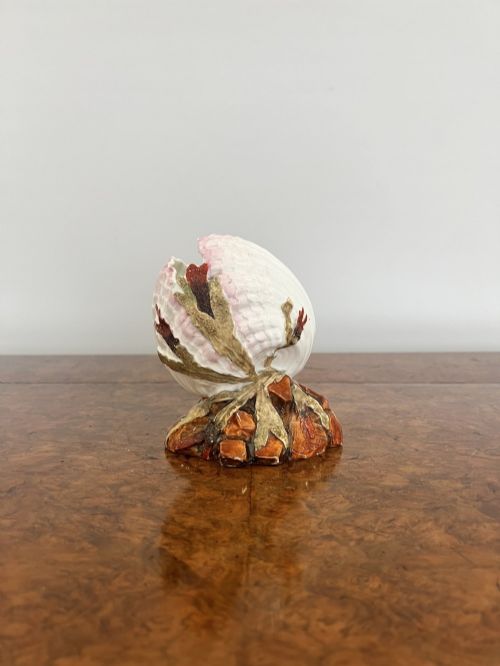
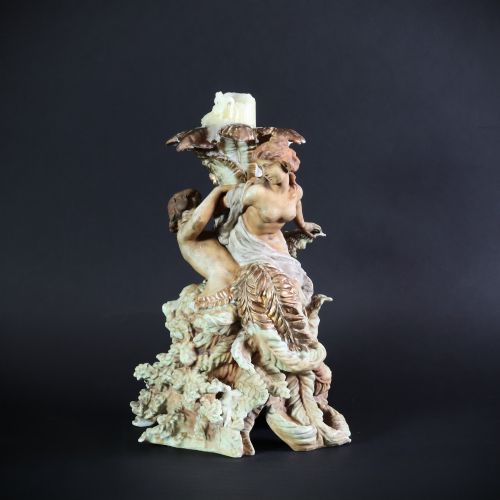
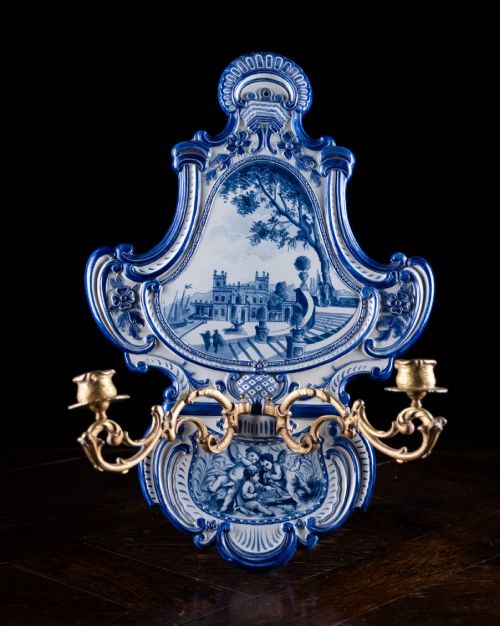
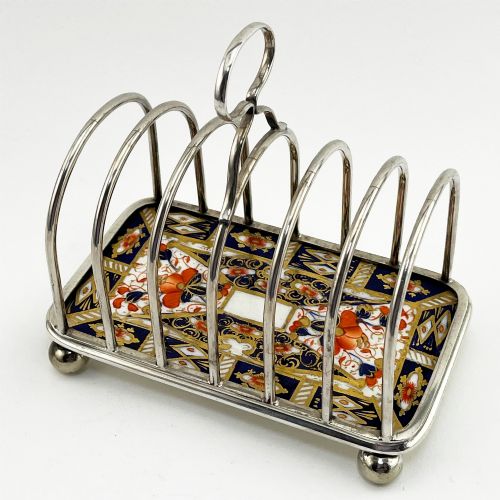
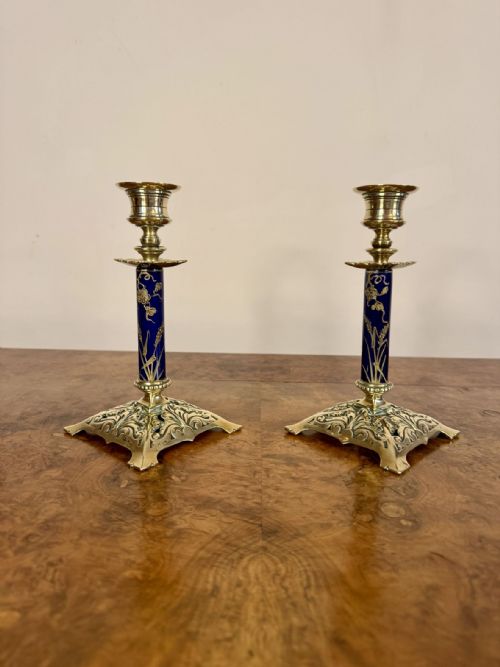
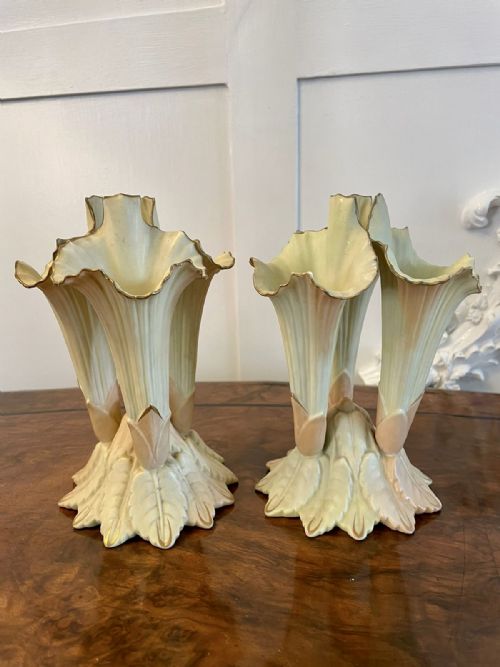
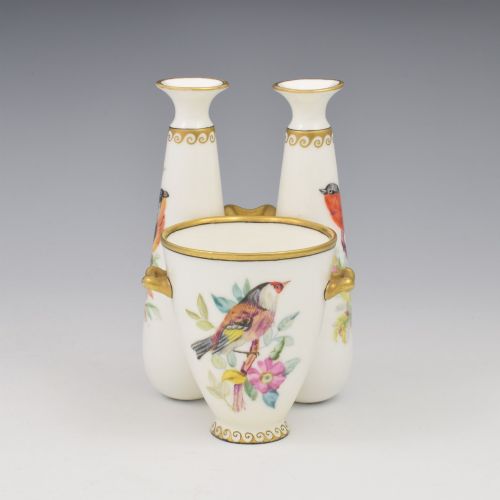
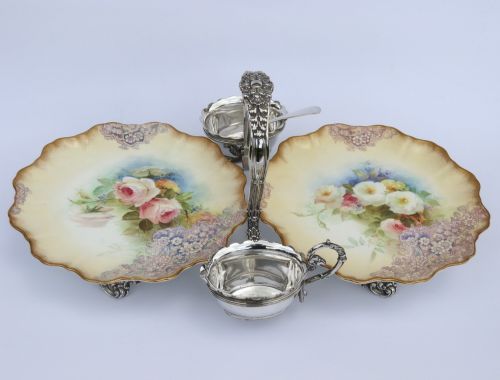
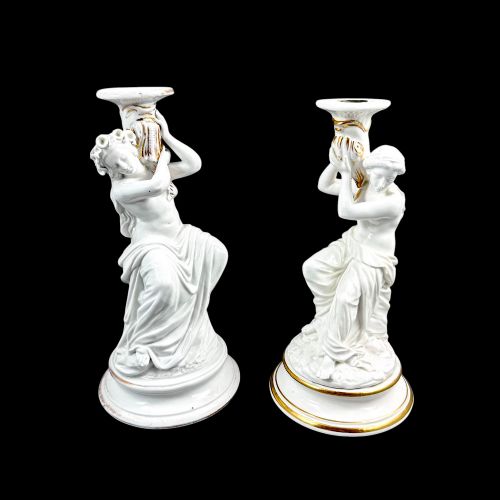
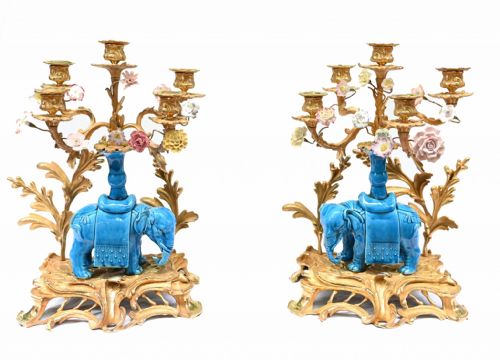
These pieces gather under the heading of a victorian porcelain holder, grouping together lighting supports, desk items and mantel ornaments shaped from ceramic and brass.
Victorian Porcelain Holder
A victorian porcelain holder appears most frequently as a pair of candlesticks, candelabra or spill vases shaped during the nineteenth century. These items fulfil domestic roles for illumination, writing desks and mantel display.
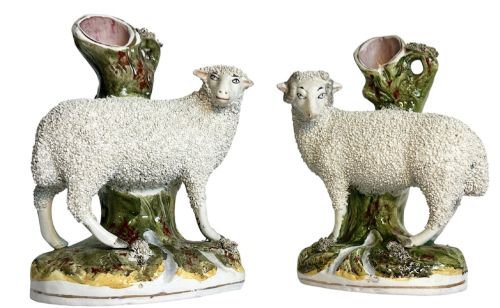
The selection includes Staffordshire animal figures such as greyhounds, sheep and dogs functioning as inkwells, quill holders or spill vases. English potteries sit alongside continental factories producing figural porcelain.
Makers and potteries from England and Germany dominate the output, spanning the Victorian and Edwardian decades. Items range from simple utilitarian porcelain mounts to elaborate hand-painted figural groups.
Materials and Technique
Porcelain forms the primary body, shaped either as glazed white ceramic or painted with enamel and highlighted with gold leaf or gilding. Earthenware and bisque ceramic also appear across Staffordshire and continental figures.
Metal mounts in brass, bronze or silver plating integrate with the ceramic bodies, particularly in candelabra, wall sconces and desk accessories. Hand painting decorates the porcelain surfaces with floral motifs and figural scenes.
Victorian Porcelain Holder Retail Price Guide 2026
Typical asking prices for victorian porcelain holder among the pieces listed under this phrase on Sellingantiques today, from the lower quarter to the upper quarter. They describe what is for sale here now, not the wider market.
Listings feature porcelain, earthenware and bisque bodies decorated with enamel, gold leaf and brass mounts across the Victorian era.
Distinctions in Standard
Quality reveals itself in the crispness of the porcelain modelling and the delicacy of the hand-painted details. Finer pieces display careful brushwork on floral or ornithological subjects rather than mechanical transfer printing.
The integration of metal components, such as brass or ormolu mounts, distinguishes standard production from superior examples. Heavier, more substantial brass fittings and finely chased bronze elements elevate the overall construction.
Villeroy and Boch·Sevres·Davenport China·Royal Worcester·Locke and Co·Volkstedt·Krister KPM Waldenburg·Walker and Hall·Doulton Burslem·Sitzendorf·Helena Wolfsohn·Triebner ENS and Eckert·Minton
The Victorian Porcelain Holder Glossary
- Spill vase
- A small vessel designed to hold taper spills used for lighting pipes or candles. These often take the form of figures or animals.
- Candelabra
- A branched candlestick holding multiple lights. Examples frequently combine porcelain figural stems with brass or ormolu arms.
- Bisque
- Unglazed white porcelain with a matte, marble-like texture. It receives frequent use in sculptural figures and portrait busts.
- Ormolu
- Gilded bronze or brass mounted onto decorative objects and furniture. It provides a bright metallic contrast to the glazed porcelain.
- Blush ivory
- A soft cream-coloured porcelain glaze pioneered by factories such as Locke and Co. It serves as a ground for delicate floral painting.
Victorian Porcelain Holder: Frequently Asked Questions
What is a porcelain spill vase?
A porcelain spill vase is a small container originally used to hold thin slips of wood called spills. These spills transferred fire from a hearth to light candles or pipes.
Craftsmen shaped these vessels into diverse forms, including animals, tree trunks and classical figures, making them decorative mantel ornaments when not in active service.
How were figural candlesticks used?
Figural candlesticks provided illumination while adding sculptural interest to dining tables, mantlepieces and bedroom dressing surfaces. The figures often depicted pastoral scenes, animals or allegorical characters.
By day, they functioned purely as decorative art objects that reflected the aesthetic tastes of the Victorian interior.
How do I care for antique porcelain?
Antique porcelain requires gentle cleaning with a dry or barely damp cloth to protect delicate hand-painted enamels and gilding. Avoid harsh chemical cleaners and abrasive cloths that can strip surface decoration.
Keep pieces away from direct sunlight and areas subject to sudden temperature shifts to preserve the integrity of the glaze and any underlying metal mounts.
How can I tell the period?
Dating relies on factory marks stamped or painted on the underside, stylistic cues such as Rococo Revival curves, and manufacturing techniques. Staffordshire figures often lack factory marks but show distinct potting styles from the mid-nineteenth century.
Examining the type of metal mounts, wear patterns on the base, and colour palettes helps narrow down the era of production.