



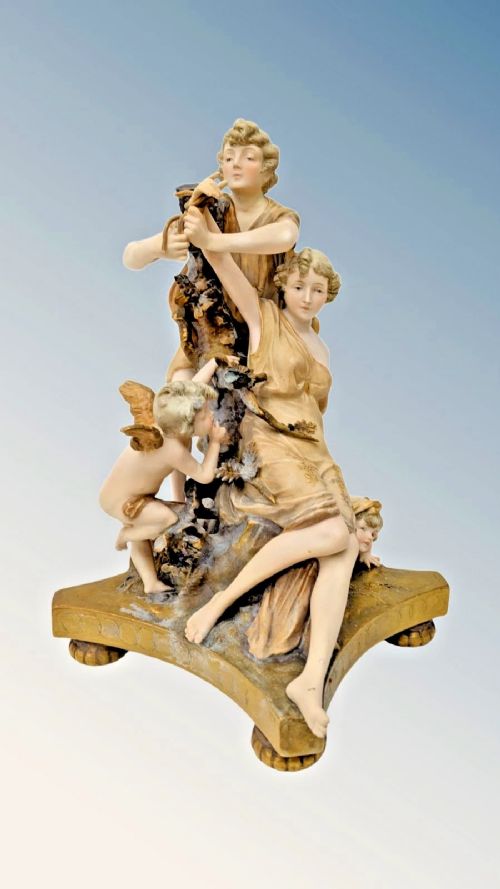


Victorian Porcelain Figurine Group
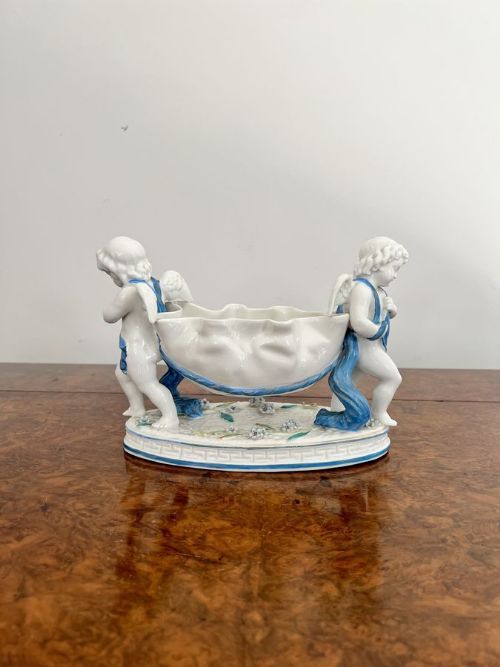
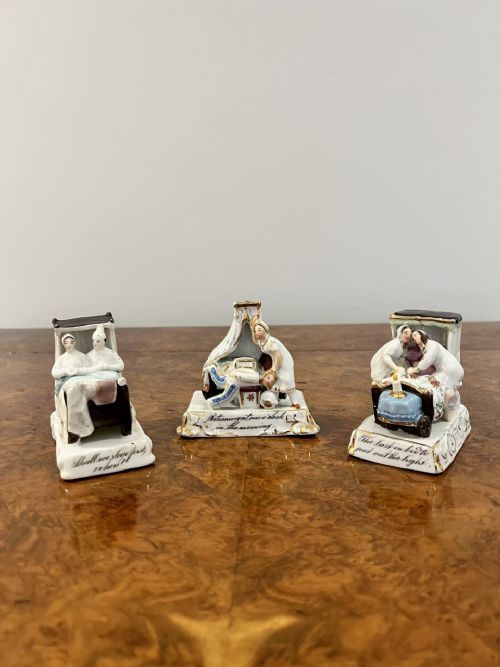
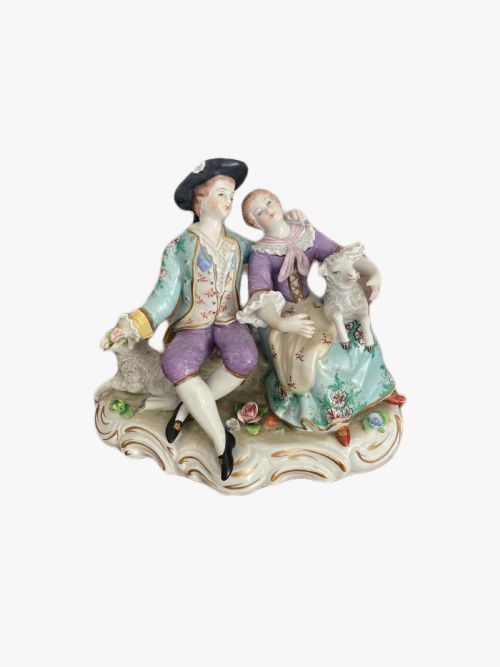
A victorian porcelain figurine group captures domestic, romantic or classical scenes in three dimensions, shaped in ceramic workshops across Europe and Britain.
Victorian Porcelain Figurine Group
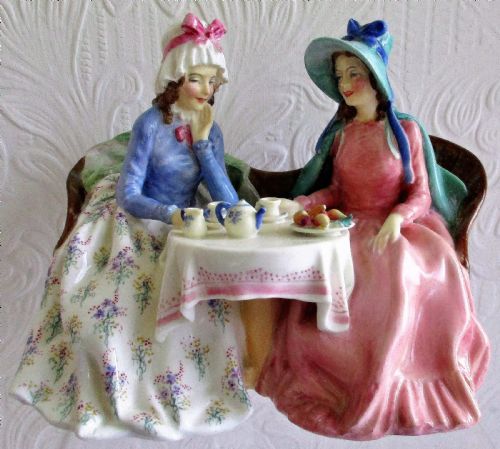
A victorian porcelain figurine group typically portrays multiple human figures, animals or allegorical subjects arranged together on a shared ceramic base. These pieces emerge from 19th century manufacturing centres in Britain, France and Germany, reflecting the aesthetic tastes of the Victorian era.
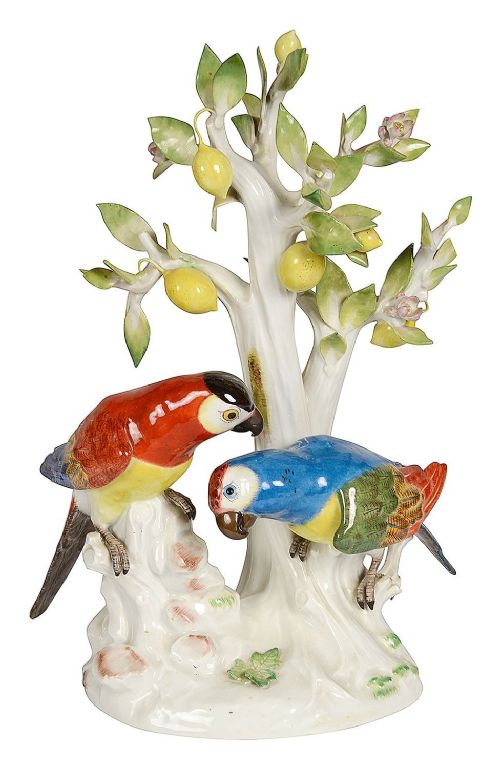
The selection on this page ranges from English Staffordshire earthenware and parian ware to continental hard-paste porcelain groups from Meissen and other European factories. Collectors encounter subjects varying from romantic pastoral scenes and literary narratives to domestic animals and portraits of royalty.
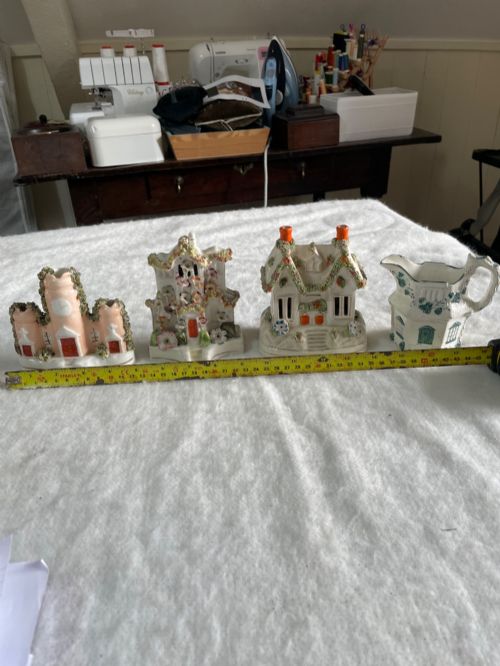
Forms span from multi-figure sculptural tableaus and spill vases to flatback mantel ornaments designed to be viewed from the front. The diversity reflects the widespread Victorian appetite for decorative ceramics in drawing rooms and parlours.
Materials and production
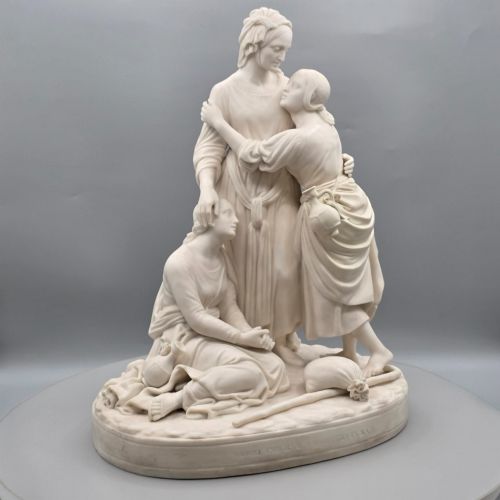
Makers shaped these groups using porcelain, earthenware, and bisque porcelain, often applying hand-painted enamel colours and gold leaf highlights over a glaze. Parian ware, a specialised hard-paste porcelain resembling carved marble, gained popularity for unglazed neoclassical and literary figure groups.
Complex multi-figure compositions required slip-casting or press-moulding separate components - such as limbs, foliage and bases - before assembling them with liquid clay prior to firing. Continental factories like Meissen utilised intricate hand-modelling alongside moulds, whilst Staffordshire potters relied on earthenware bodies finished with simpler lead glazes and enamel painting.
Victorian Porcelain Figurine Group Retail Price Guide 2026
Typical asking prices for victorian porcelain figurine group among the pieces listed under this phrase on Sellingantiques today, from the lower quarter to the upper quarter. They describe what is for sale here now, not the wider market.
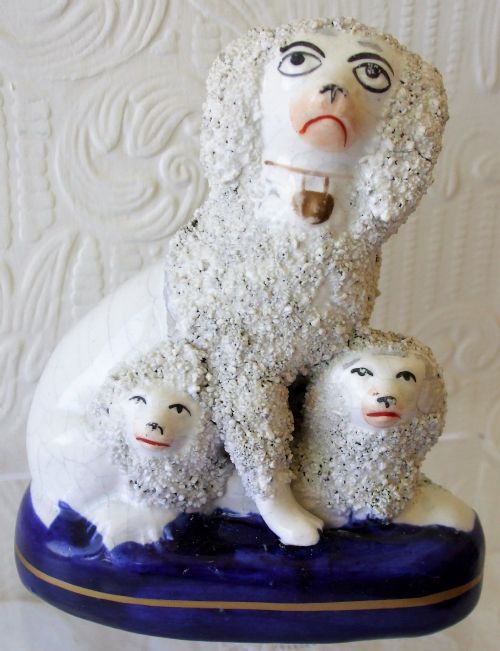
Among the ceramic menagerie, watchful poodles and nesting swans share shelf space with eighteenth-century musicians and drunken silenus figures.
Distinctions in quality
The complexity of the original composition and the reputation of the manufacturing workshop also dictate the standing of a piece. Works from established German and French factories or named English makers generally demonstrate greater sculptural ambition than anonymous regional earthenware pottery.
Meissen·Royal Doulton·Samson Paris·Ernst Wallace·Vion et Baury·Royal Dux Bohemia·Triebner Ens And Co·Copeland
The Victorian Porcelain Figurine Group Glossary
- Bisque porcelain
- Un-glazed porcelain with a matte, porous surface resembling marble. It is frequently found on 19th-century parian groups and sculptural figures.
- Spill vase
- A hollow cylindrical ceramic vessel incorporated into a figure group, designed to hold wooden spills for lighting candles or fires.
- Hard-paste porcelain
- A durable, vitrified ceramic compound fired at very high temperatures. European factories utilised this material for fine figurine groups.
- Flatback
- A style of Staffordshire pottery figure moulded with a detailed front and a flat, unpainted rear. These pieces were intended to stand directly against a wall on a mantelpiece.
- Parian ware
- A fine-grained unglazed white porcelain developed in Britain to imitate carved marble. It is commonly used for literary and mythological figure groups.
Victorian Porcelain Figurine Group: Frequently Asked Questions
What is a parian figurine group?
A parian figurine group is a sculptural ceramic piece made from unglazed hard-paste porcelain that mimics white marble. These groups often depict literary, classical or sentimental subjects.
Parks and parlours across the 19th century displayed these white ceramic sculptures as affordable alternatives to carved marble statues.
How do I identify Staffordshire figure groups?
Staffordshire figure groups are typically made from earthenware rather than fine porcelain and often feature flat backs intended for mantel display. They include portraits, animals and pastoral scenes painted in bright enamel colours.
These pieces were produced by regional potteries in Britain during the Victorian period for domestic decorative use.
Where were continental porcelain groups made?
Continental porcelain groups originated in European ceramic factories, most notably in Germany and France. Manufacturers like Meissen produced highly detailed, hand-painted hard-paste porcelain figures.
Exported widely to Britain, these sophisticated tableaus often depicted Rococo or Neoclassical pastoral themes.
How were spill vases used?
Spill vases combined a decorative ceramic figurine group with a functional hollow tube. The tube held thin wooden spills used to transfer flames from a fireplace to candles or lamps.
Placed on mantelpieces, they served a practical daily purpose alongside their decorative sculptural function.