




Victorian Porcelain Figure Group
A victorian porcelain figure group brings nineteenth-century storytelling and sculptural detail into a room, capturing human and animal subjects in porcelain and earthenware.
Victorian Porcelain Figure Group
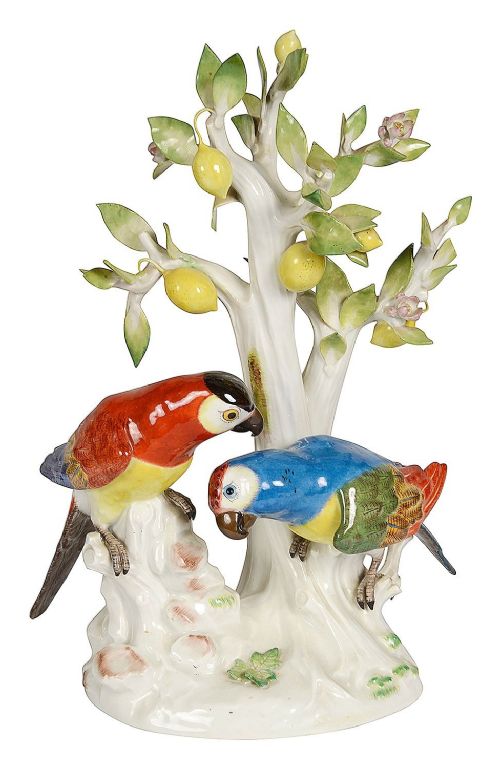
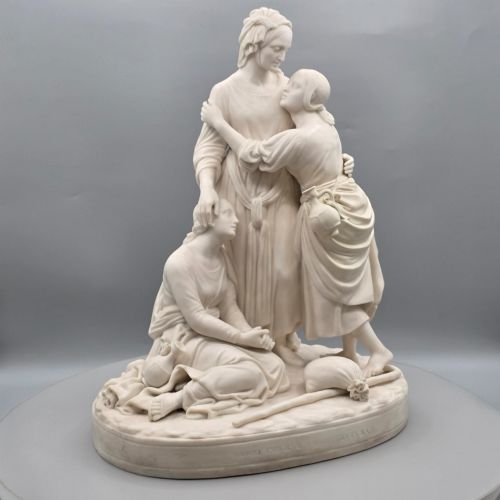
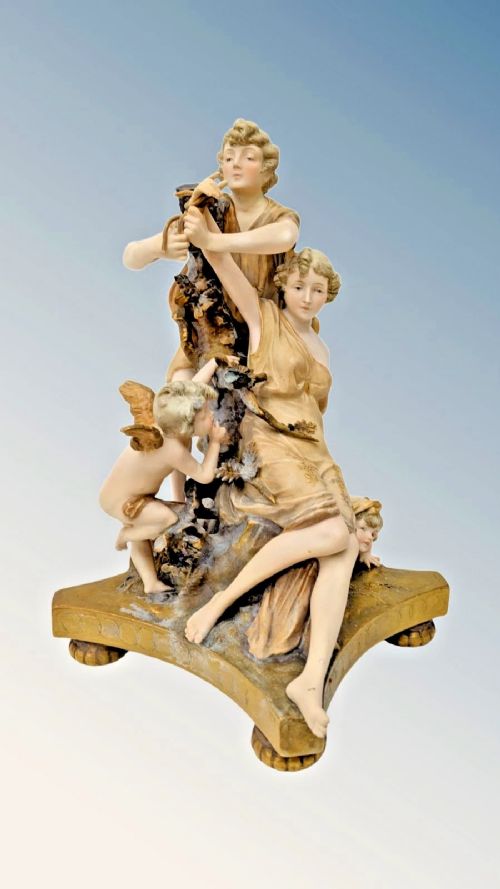
A victorian porcelain figure group comprises multi-figure arrangements modelled during the nineteenth century, capturing pastoral scenes, classical subjects, and domestic animals.
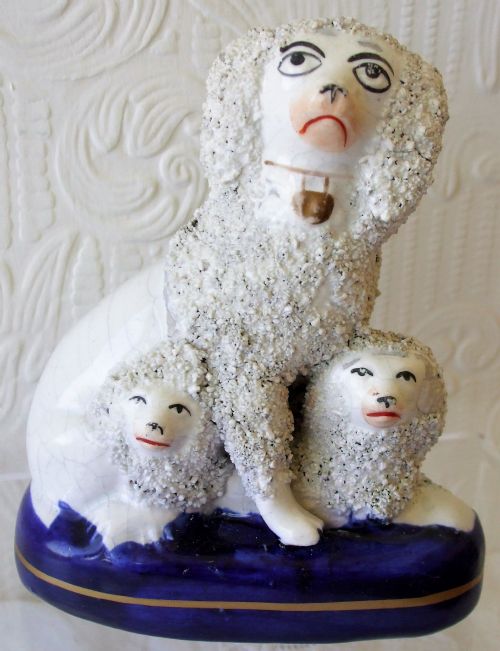
The versions most commonly met on this page include Staffordshire pottery figure groups, spill vases, and continental porcelain groups produced across the Victorian period.
These pieces function as decorative shelf ornaments and mantel displays, often combining several figures into a single narrative scene.
How they were made
Potters and modellers utilised porcelain, earthenware, and parian ware, shaping the clay through mould-casting and hand-modelling before applying glazes and enamel colours.
Many items incorporate delicate details rendered in bisque porcelain or finished with touches of gold leaf to accentuate garments and natural elements.
Continental and English factories fired these ceramic bodies at high temperatures to achieve durable hard-paste porcelain and smooth biscuit surfaces.
The selection includes animal studies, pastoral scenes, and literary figure groups produced between eighteen-sixty and nineteen-ten.
What varies in quality
The refinement of the modelling separates standard decorative wares from exceptional sculptural pieces, particularly in the rendering of facial expressions, drapery, and anatomical proportions.
Meissen·Minton·Samson Paris·Ernst Wallace·Eugene Clauss·Triebner Ens And Co·Copeland·Vion Et Baury·Royal Dux Bohemia·Royal Worcester
The Victorian Porcelain Figure Group Glossary
- Bisque porcelain
- Unglazed porcelain fired once to produce a matte, white surface resembling marble. It became popular for neoclassical and sentimental figure groups during the nineteenth century.
- Parian ware
- A fine-grained, unglazed porcelain developed in the nineteenth century to imitate carved marble. Factories used it extensively for classical and literary figure groups.
- Spill vase
- A hollow ceramic holder integrated into a figure group, designed to hold taper candles used for lighting pipes or lamps. They are common in nineteenth-century Staffordshire pottery.
- Hard-paste porcelain
- A durable ceramic composition fired at very high temperatures using kaolin and petuntse. It allows for crisp moulding and holds vibrant enamel colours securely.
Victorian Porcelain Figure Group: Frequently Asked Questions
How were figure groups used?
Nineteenth-century households placed these ceramic groups on mantelpieces, side tables, and cabinets as decorative centrepieces. Many combined ornamental display with utility, such as the spill vases designed to hold wooden tapers.
Larger sculptural groups served as conversation pieces in drawing rooms, reflecting the literary, pastoral, and historical tastes of the Victorian era.
What is the difference between parian and bisque?
While both are unglazed porcelains with a matte finish, parian ware was specifically formulated to replicate the appearance of carved white marble. It has a slightly denser, heavier feel and a faint yellowish ivory tone.
Bisque porcelain typically presents a brighter, chalkier white surface and was widely used across continental and English factories for detailed figure groups.
How do I identify Staffordshire pottery groups?
Staffordshire figure groups generally feature earthenware bodies with hand-painted enamel colours and distinct flatback or hollow-backed construction intended for display against a wall. Their subjects often include regional characters, animals like poodles and deer, and contemporary royal portraits.
The modelling tends to be sturdier and more folk-art in character compared to the refined porcelain output of continental factories.
Are these pieces marked by the maker?
Many continental porcelain pieces and major English factory productions carry impressed model numbers, factory stamps, or painted underglaze marks. However, numerous nineteenth-century earthenware and Staffordshire figures remain unmarked, identified instead by their characteristic glazes and forms.
Absence of a mark is common among regional potteries of the period and does not detract from the authenticity of the style.