






Victorian Porcelain Decor
Victorian porcelain decor brings together vibrant nineteenth-century objects shaped by diverse global influences.
Victorian Porcelain Decor
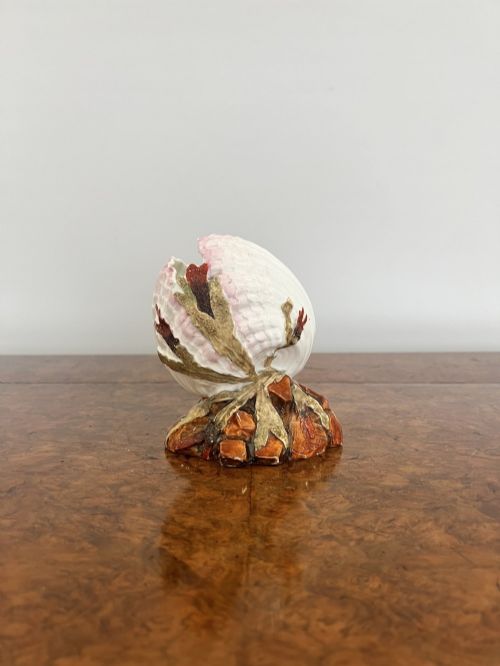
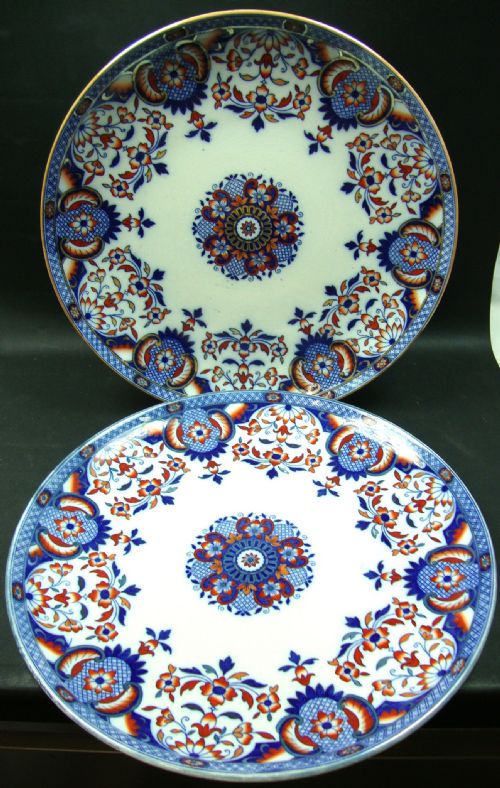
When you search for victorian porcelain decor, you encounter a varied assortment of nineteenth-century items designed to enrich domestic interiors. The selection on this page ranges from sculptural animal figures and spill vases to decorative plates, ewers, and candlesticks.
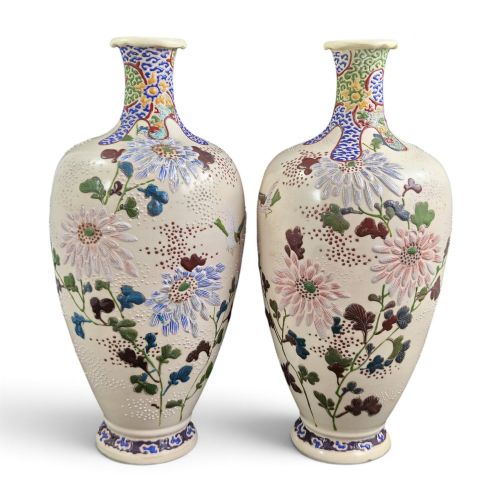
Many of these pieces reflect the aesthetic preferences of the period, drawing on styles such as the Aesthetic Movement, Victorian Orientalism, and Greek Revival. Others incorporate international influences like the Meiji period, creating a broad spectrum of ornamental forms.
Most items originate from English potteries or continental workshops, spanning decades from the mid-nineteenth century into the early twentieth century. Pairs of figures, vases, and candlesticks recur frequently across the listings.
Materials and production methods
Potters and modellers utilised fine porcelain, earthenware, and glazed ceramic as the primary bases for these decorative objects. Parian ware also appears, offering a distinct unglazed marble-like finish suitable for sculptural pieces.
Makers applied intricate surface details through enamel painting, hand-applied glaze, and rich gilding with gold leaf. Some items incorporate lacquer finishes over painted surfaces or relief effects such as moriage and raised gold decor.
Victorian Porcelain Decor Retail Price Guide 2026
Typical asking prices for victorian porcelain decor among the pieces listed under this phrase on Sellingantiques today, from the lower quarter to the upper quarter. They describe what is for sale here now, not the wider market.
Listings feature porcelain, earthenware, and glazed ceramic pieces spanning the Victorian period through to the 1920s.
Distinguishing quality in the range
Quality reveals itself in the crispness of the modelling and the precision of the hand-painted details. Finer pieces demonstrate superior control over glaze application and gilding, with well-defined contours on figures and ornament.
The sophistication of the design distinguishes standard production from exceptional work. Pieces associated with notable factories or specific artistic movements often display greater artistry in their composition and decorative motifs.
Royal Worcester·Royal Crown Derby·Royal Dux·Mintons·Sitzendorf
The Victorian Porcelain Decor Glossary
- Parian ware
- A fine-grained unglazed porcelain developed in the nineteenth century that resembles white marble. It was frequently used for portrait busts and sculptural figures.
- Moriage
- A Japanese ceramic technique using slip trailing to create raised decorative patterns on the surface. This method adds a tactile, textured quality to vases and vessels.
- Ewer
- A large jug with a wide spout and ornate handle, designed historically for pouring water. In decorative contexts, it functions purely as an ornamental centrepiece.
- Spill vase
- A small upright container kept near a fireplace to hold thin spills of paper used for lighting candles or pipes. Victorian examples often take figurative or botanical forms.
- Armorial plate
- A decorative ceramic plate painted with a family coat of arms or heraldic crest. These were often commissioned by landed families for display.
- Gilding
- The application of gold leaf or powdered gold paint to ceramic surfaces for ornamentation. It highlights raised motifs, rims, and handles.
Victorian Porcelain Decor: Frequently Asked Questions
What is victorian porcelain decor?
Victorian porcelain decor encompasses a wide array of ornamental ceramic objects produced during the nineteenth century and the early decades of the twentieth. These items include vases, figures, chargers, and candlesticks designed for display in domestic interiors.
The category embraces diverse stylistic influences, from domestic Staffordshire animal groups and classical Greek revival lamps to Japanese-inspired Satsuma wares and Aesthetic movement designs.
How were these ceramic items used?
Many pieces served a purely decorative function on mantelpieces, sideboards, and occasional tables within Victorian homes. Items like centrepieces and decorative plates added visual interest and signalled the refined tastes of the household.
Other objects had practical origins that evolved into ornamental display pieces, such as spill vases for lighting fires or ewers designed for washing hands before meals.
How do I live with these pieces?
Integrating Victorian porcelain into a modern interior works best when you allow individual items room to breathe. Placing a pair of candlesticks on a mantelpiece or displaying a decorative plate on a dedicated stand draws the eye without cluttering the space.
Because these objects often feature delicate hand-painted enamel and gilding, keep them out of direct sunlight and clean them gently with a soft, dry cloth.
How can I tell periods apart?
Dating Victorian porcelain involves examining the stylistic clues, manufacturing techniques, and any factory marks present on the base. Mid-century pieces often reflect naturalistic forms and simpler earthenware bodies, while later nineteenth-century items may show influences from the Aesthetic or Meiji movements.
Subtle shifts in colour palettes, glazing styles, and decorative motifs help narrow down the decade of production when factory marks are absent or unclear.