

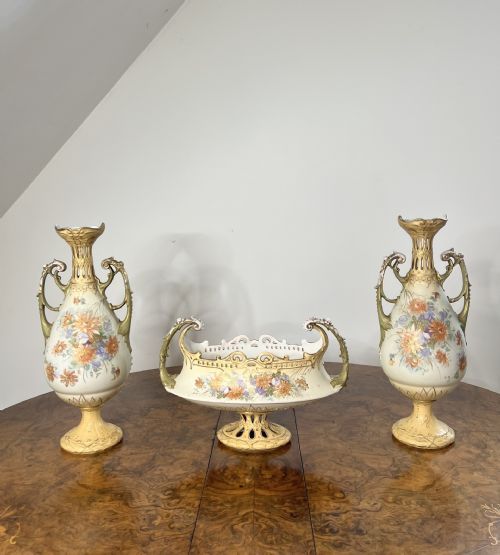


Victorian Porcelain Centrepiece Bowl
A victorian porcelain centrepiece bowl commands attention on a dining table, combining grand 19th-century ceramic forms with elaborate gilt bronze mounts.
Victorian Porcelain Centrepiece Bowl
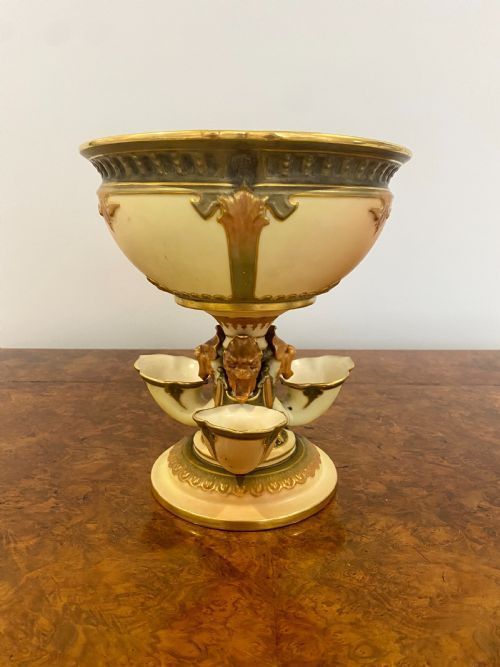
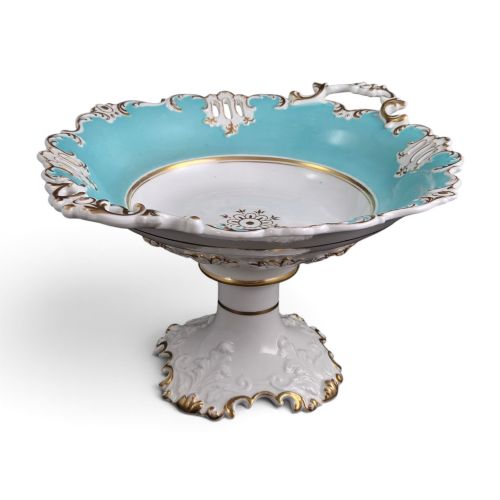
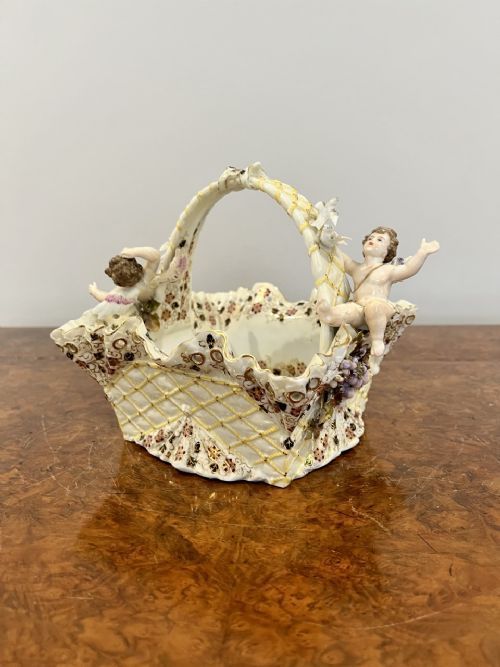
A victorian porcelain centrepiece bowl serves as a grand focal point for tables, emerging in forms such as open comports, tazzas, footed bowls, and figural baskets during the 19th century. English and continental potteries produce these pieces to display fruit or flowers during grand dinners.
Continental influences appear frequently in the selection, showing French Sevres style pieces alongside German Saxony and Meissen style work basket dishes. English makers like Royal Worcester, Coalport, and Doulton Burslem also contribute distinctive ceramic bowls and shell dishes.
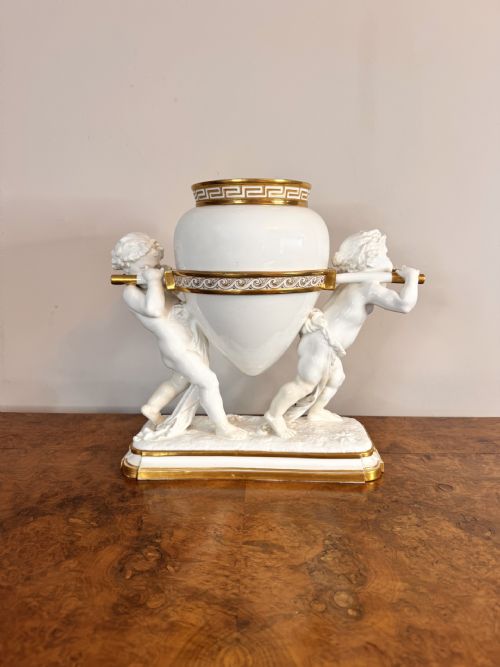
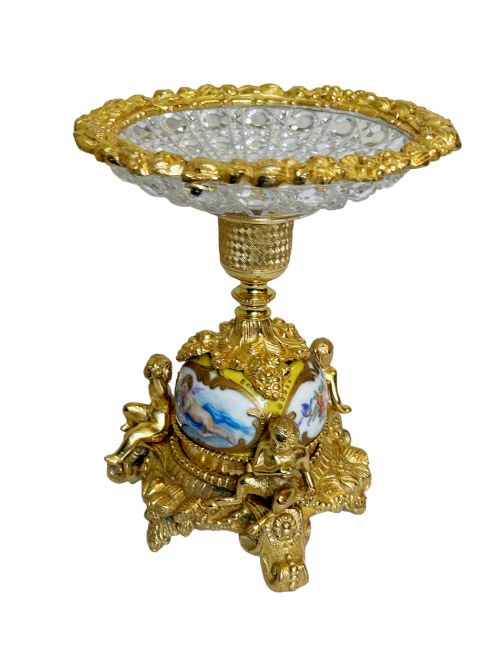
Figural elements frequently accompany the main vessel, including cherubs, putti, and ormolu mounts that elevate the functional bowl into a decorative sculpture. These arrangements span styles from Rococo Revival and Neoclassical to Chinoiserie and Chelsea-Derby revivals.
Materials and construction methods
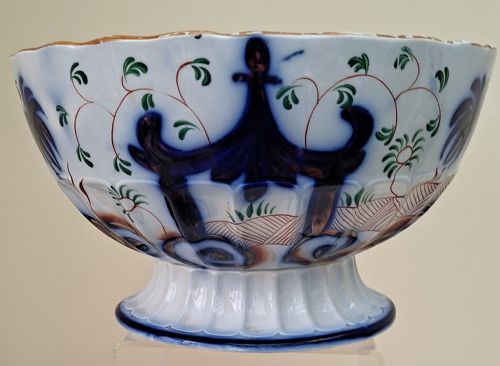
Potters shape the central vessels from fine porcelain, bone china, and ironstone, often applying white glazes or transfer-printed blue and white patterns. Specialised bodies like Parian ware and blush ivory porcelain appear in mid-to-late 19th-century English output.
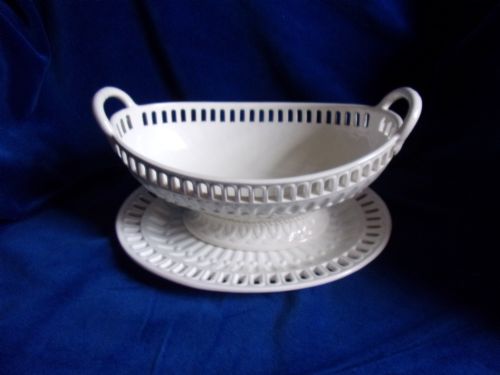
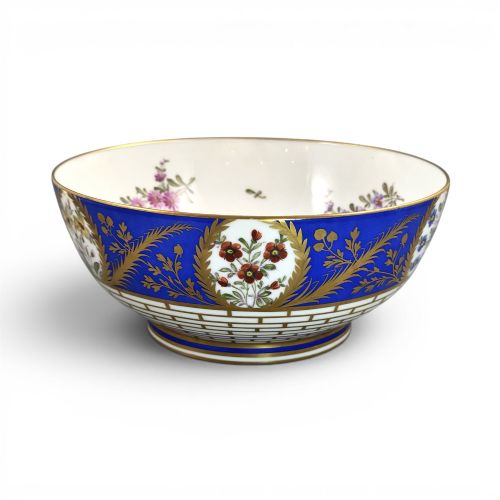
Decoration relies heavily on hand-painted floral sprays, enamel work, and extensive application of gold leaf and gilding to accentuate rims and handles. Champleve enamel and intricate lattice pierced work add further textural contrast to the ceramic surfaces.
Metal mounts incorporate gilt bronze and ormolu, securing ceramic bowls to cast bases or framing shell dishes with cherub figures. These mixed-media constructions demand skilled bronze casting alongside traditional ceramic firing.
Victorian Porcelain Centrepiece Bowl Retail Price Guide 2026
Typical asking prices for victorian porcelain centrepiece bowl among the pieces listed under this phrase on Sellingantiques today, from the lower quarter to the upper quarter. They describe what is for sale here now, not the wider market.
Materials recorded across current inventory include ceramic, porcelain, bone china, ironstone, ormolu, gilt bronze, and enamel.
Factors influencing quality and execution
Hand-painted decoration dictates the artistic merit of a piece, where delicate floral sprays and thick, burnished gilding indicate superior studio labour. Untidy enamel application or flat, dull gilding points to a lower grade of factory output.
The integration of metal mounts reveals the maker's ambition, as heavy, well-chased ormolu and gilt bronze fittings require expert assembly to complement the porcelain body securely.
Coalport·Royal Vienna·Doulton Burslem·Royal Worcester·Plaue Schierholz·Royal Crown Derby·Royal Dux
The Victorian Porcelain Centrepiece Bowl Glossary
- Comport
- A raised footed dish or bowl used for serving fruit or sweets at dessert. These pieces stand on a single central pedestal above the table surface.
- Tazza
- A shallow saucer-like dish mounted on a stem and foot, originating from Renaissance forms and revived during the Victorian era. Makers use them to present fruit or floral arrangements.
- Ormolu
- Finely ground high-carat gold applied in a mercury amalgamation to a bronze base, producing a rich metallic sheen. It frequently frames porcelain bowls and figures in 19th-century centrepieces.
- Parian ware
- A fine-grained unglazed porcelain resembling white marble, developed in England during the 1940s. Factories utilise it to cast classical figures and sculptural centrepiece dishes.
- Champleve
- An enamelling technique where troughs or cells are sunk into a metal surface and filled with vitreous enamel before firing. It appears on decorative mounts alongside porcelain.
Victorian Porcelain Centrepiece Bowl: Frequently Asked Questions
What is a comport?
A comport is a raised serving dish mounted on a pedestal foot, designed specifically for displaying fruit or sweetmeats on a formal dining table.
During the 19th century, matching sets of comports formed part of larger tablescapes alongside grand centrepieces and tazzas.
How were these bowls used?
These pieces function as decorative centrepieces for dining tables, frequently holding fresh fruit, flowers, or elaborate confectionery during Victorian dinner parties.
They also serve as standalone decorative objects on sideboards, mantelpieces, or pedestals to showcase ceramic art and metal mounts.
How do I identify a Victorian piece?
Victorian pieces show characteristic period styles like Rococo Revival, Neoclassical revival, or blush ivory finishes combined with gilt or ormolu mounts.
Examining the paste, glaze type, and any factory marks helps confirm the 19th-century manufacturing origin.