

Victorian Blue Floral Ceramic
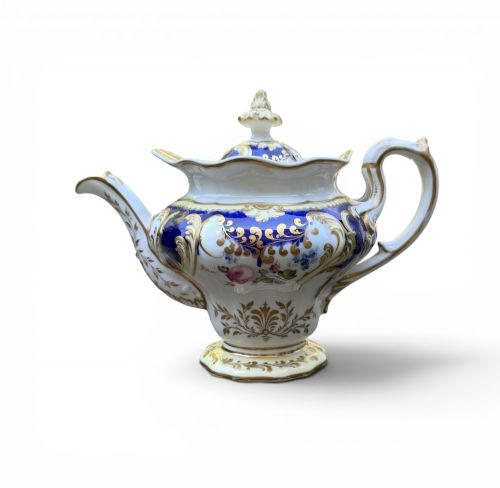
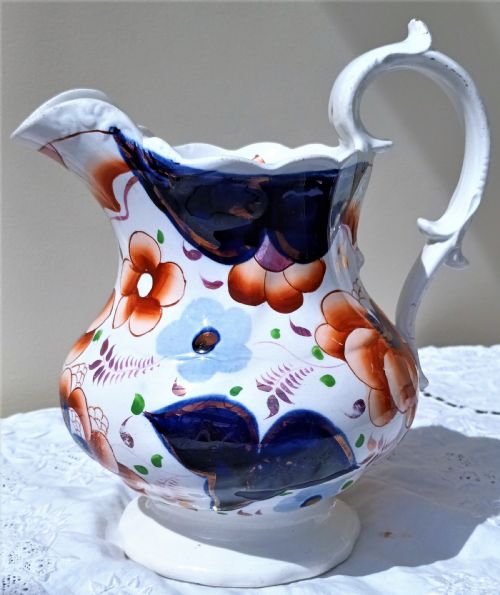
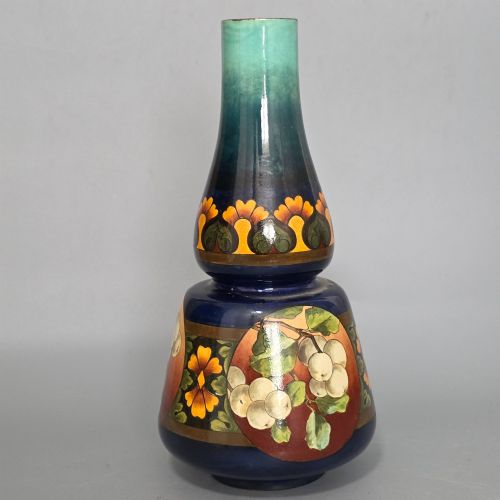
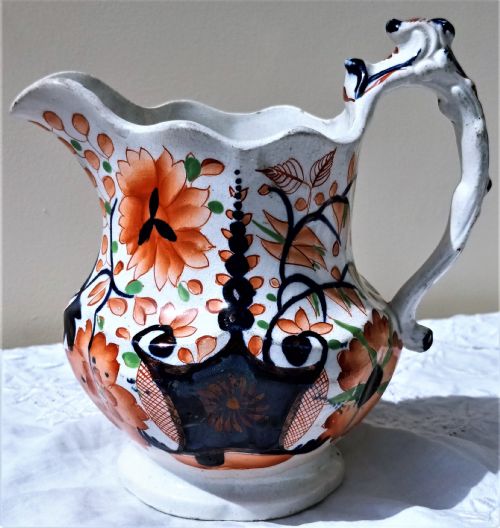
Victorian blue floral ceramic pieces bring nineteenth-century botanical patterns and rich cobalt tones into domestic spaces through earthenware, porcelain and ironstone.
Victorian Blue Floral Ceramic
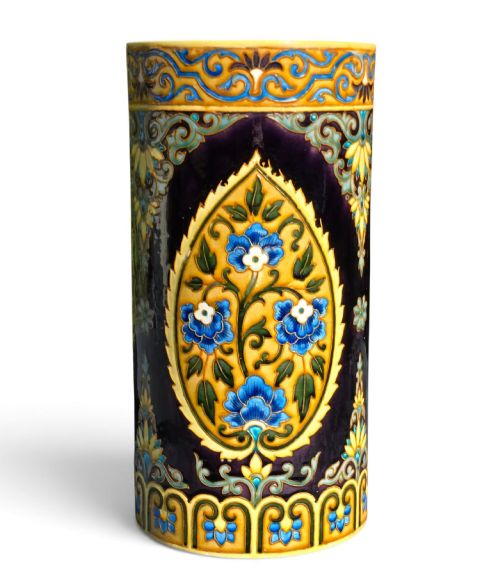
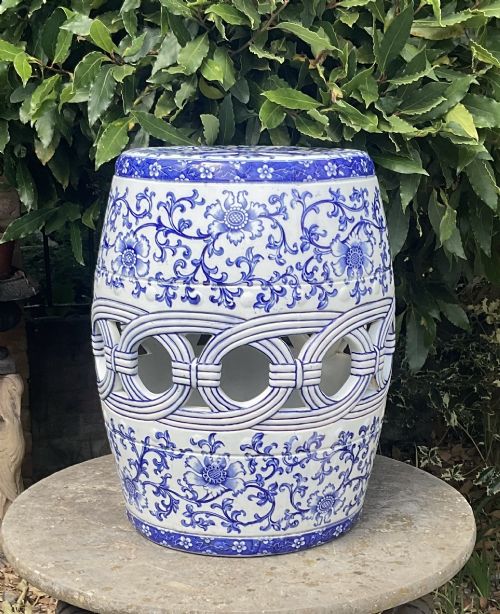
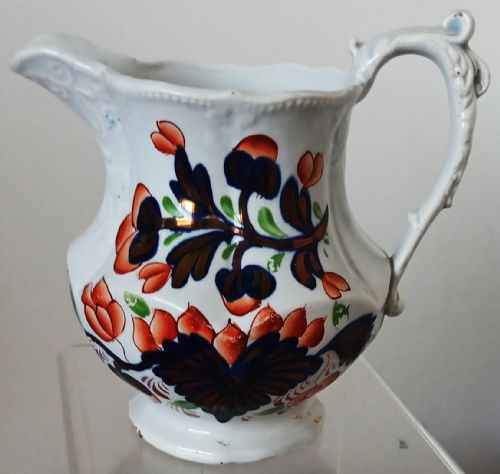
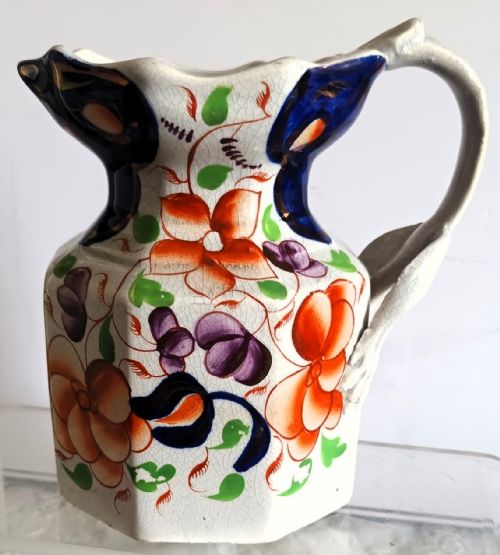
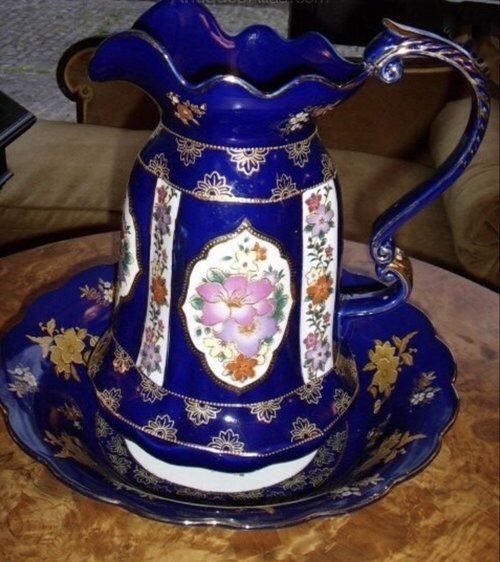
Victorian blue floral ceramic items span functional tableware and decorative display objects shaped during the nineteenth century. Buyers encounter utilitarian jugs, basins, garden seats and meat platters alongside decorative vases, chargers and plates.
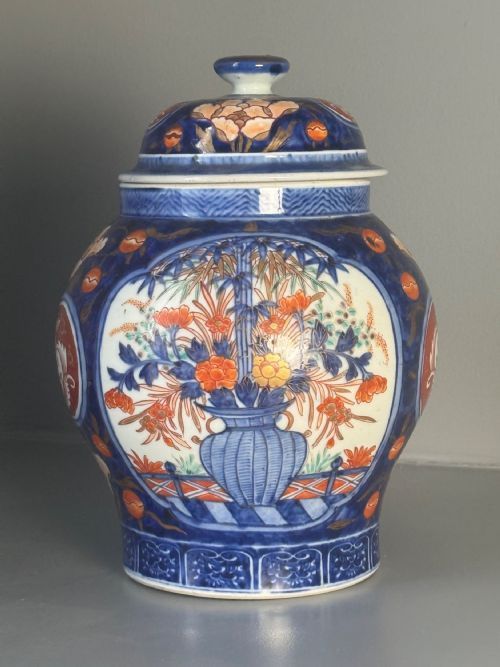
The aesthetic reaches across English potteries, French porcelain works and international influences including Japanese Imari and Chinoiserie styles. Blue floral motifs appear on earthenware, ironstone and porcelain bodies dated from the mid-nineteenth century through to the early twentieth century.
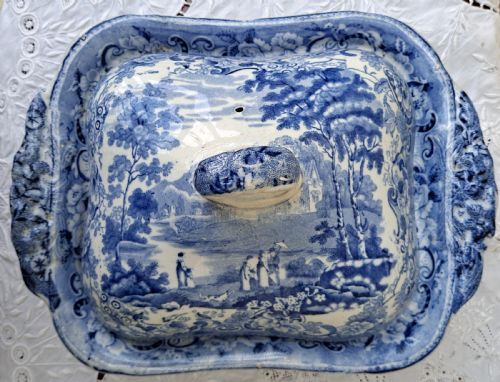
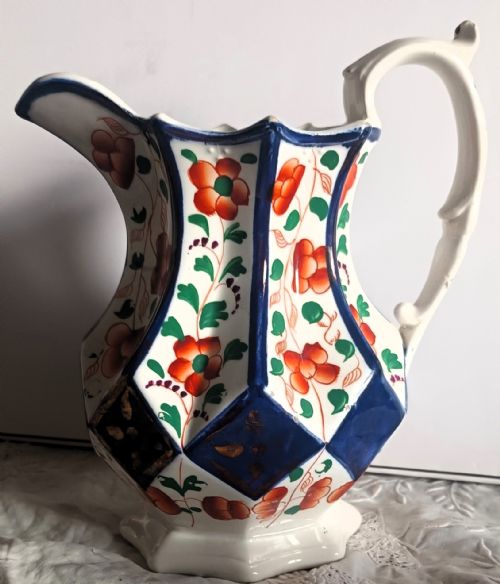
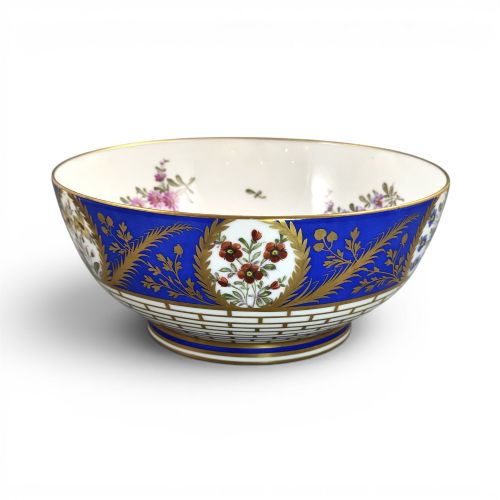
Vessels and flatware range from grand umbrella stands and footbaths down to miniature jugs and individual soup bowls. Many pieces integrate cobalt blue glaze with hand-painted floral patterns or transfer-printed rural scenery.
How they were made
Potters shaped ceramic, earthenware, ironstone and porcelain bodies using traditional throwing, moulding and pressing techniques before applying opaque or clear glazes. Cobalt blue pigment provided the primary colour for floral designs, applied either beneath the glaze by hand or transferred mechanically.
Certain vessels received secondary enrichments including enamel highlights, gold leaf and gilding to accentuate moulded details. Silver plate components occasionally supplemented ceramic bodies, visible on items such as biscuit barrels and lidded jars.
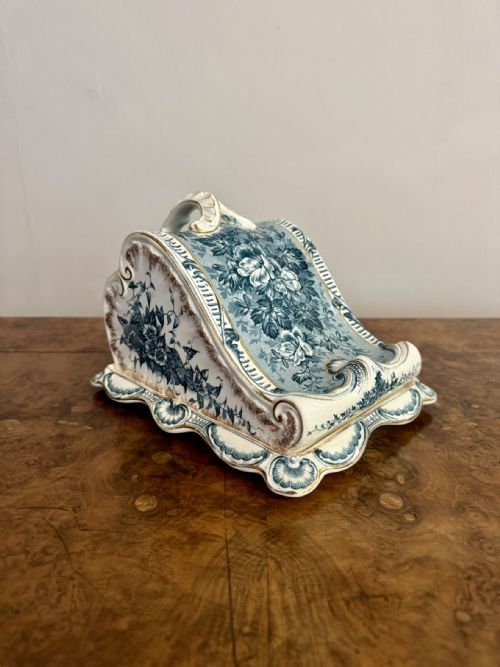
Listings feature nineteen-century earthenware, porcelain and ironstone displaying blue floral patterns alongside Arts and Crafts and Rococo Revival styles.
What varies in quality
Quality rests upon the crispness of the blue pigment application and the precision of the floral details painted or printed across the ceramic surface. Hand-painted examples demonstrate individual brushwork mastery, whilst transfer-printed versions rely on the clarity of the pattern registration.
The refinement of the clay body and the evenness of the glaze separation distinguish standard utility wares from exhibition pieces. Heavier ironstone and earthenware suit robust domestic use, whereas delicate porcelain requires finer throwing and more controlled kiln firing.
Théodore Deck·Doulton Lambeth·James Wallace and Co·Keeling and Co·Royal Doulton·Copeland·Masons·John Ridgway
The Victorian Blue Floral Ceramic Glossary
- Ironstone
- A patented ceramic body developed to resist chipping and heavy wear while maintaining a porcelain-like appearance. It forms the durable base for many nineteenth-century tableware items.
- Imari
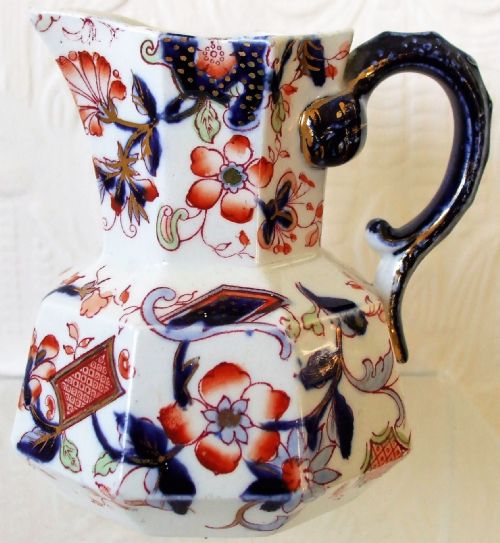
- A decorative style characterised by cobalt blue and iron red ornamentation, often highlighted with gold. The aesthetic originated in Japan and heavily influenced nineteenth-century European ceramics.
- Gilding
- The application of gold leaf or gold paint to ceramic surfaces to accent handles, rims and decorative borders. It signals higher-status decorative production.
- Faience
- Tin-glazed earthenware decorated with opaque coloured enamels. It provides a smooth white ground suited to detailed floral painting.
- Transfer-printed
- A mechanical method of applying complex patterns to ceramics by transferring inked paper designs onto fired clay before glazing. This technique enabled consistent mass production of pictorial rural scenery.
Victorian Blue Floral Ceramic: Frequently Asked Questions
Can I use these plates for dining?
Many nineteenth-century plates and platters remain robust enough for occasional table use, particularly heavier ironstone pieces. Inspect the glaze for stable condition before serving food.
Fine porcelain items and pieces with delicate enamel or gold leaf work suit decorative display rather than daily culinary service.
How do I identify a transfer print?
Examine the blue floral pattern closely under a magnifying glass to check for tiny dot matrices or continuous fine lines. Transfer-printed designs often show repetitive stippling or faint overlapping seam lines where the paper pattern met.
Hand-painted ceramics display varying brushstrokes, slight pigment pooling and individual artist marks beneath the glaze.
Where were these ceramics produced?
Production centres were concentrated across English pottery districts like Staffordshire, alongside major continental workshops in France. Some pieces also reflect direct Japanese Meiji period export influences.
Factory stamps and impressed marks on the underside of bases usually confirm the specific geographic origin and maker.