

Victorian Polychrome Ceramics
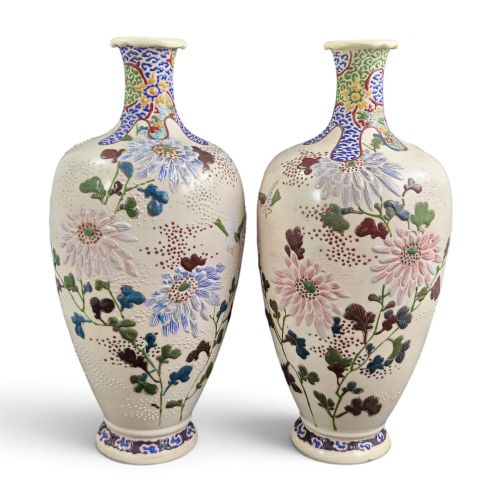
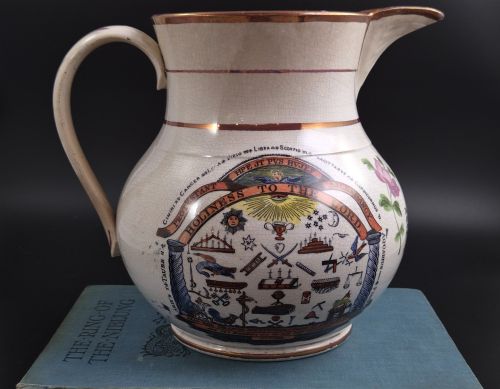
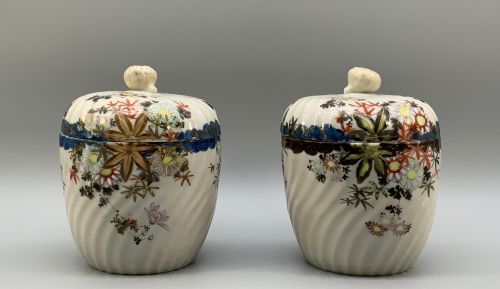
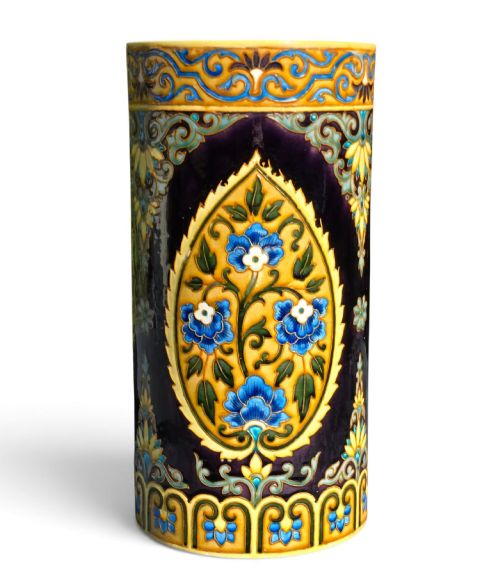
These colourful victorian polychrome ceramics bring lively hand-painted glazes, rich gilding and modelled character straight into a room.
Victorian Polychrome Ceramics
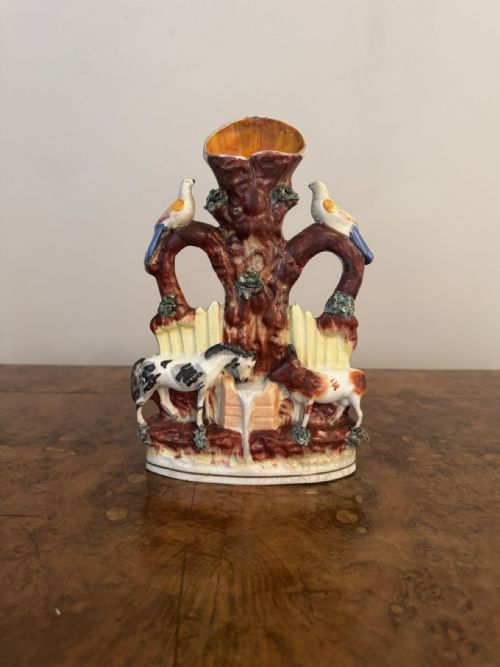
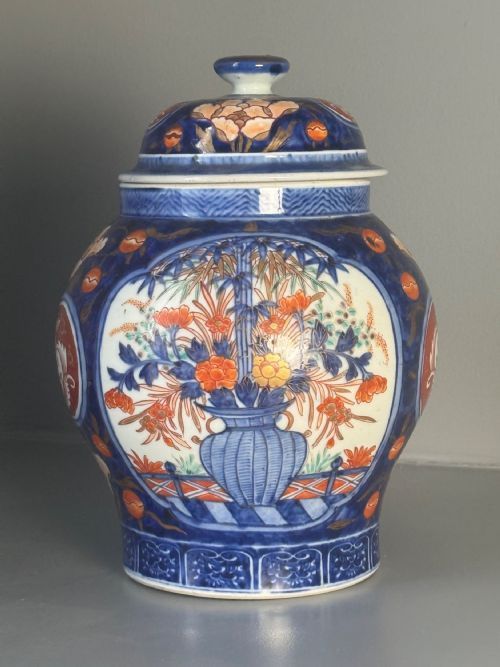
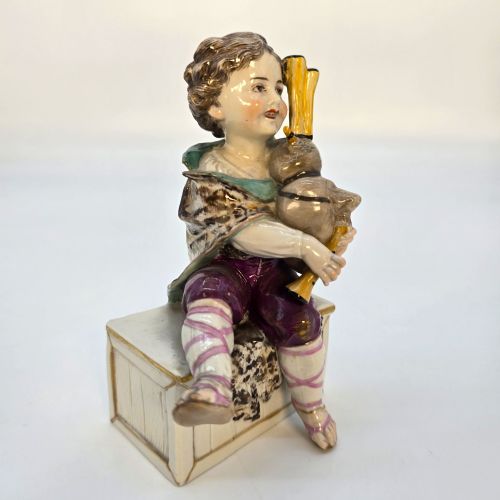
Victorian polychrome ceramics encompass a diverse array of glazed earthenware, porcelain and ceramic objects produced primarily during the nineteenth century. When searching for victorian polychrome ceramics, a buyer encounters everything from utilitarian jugs and plates to elaborate ornamental figurines and umbrella stands.
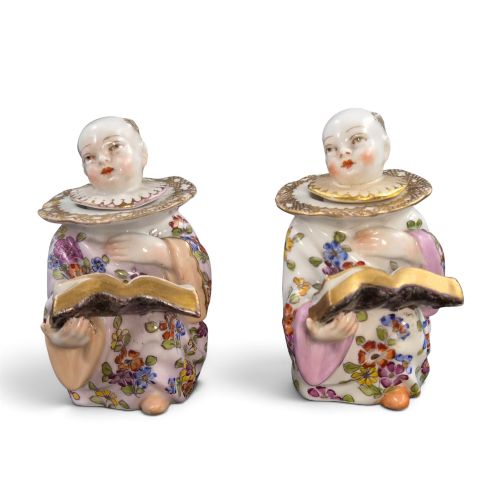
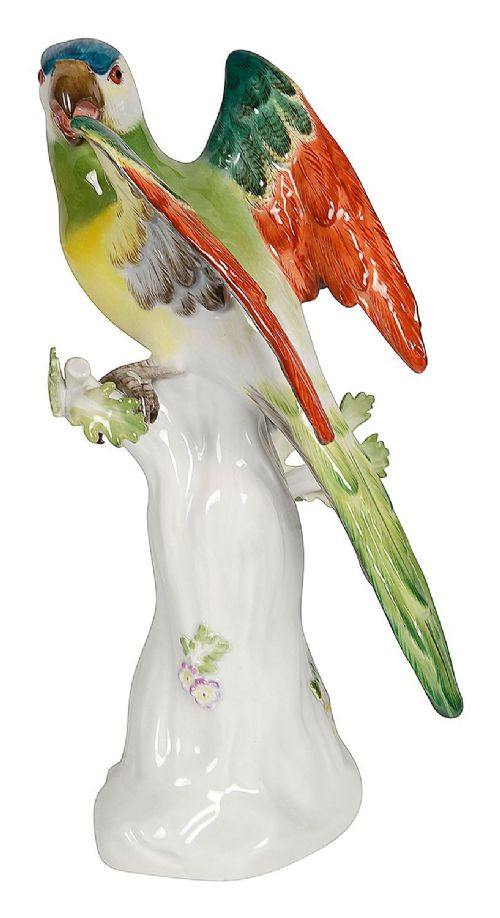
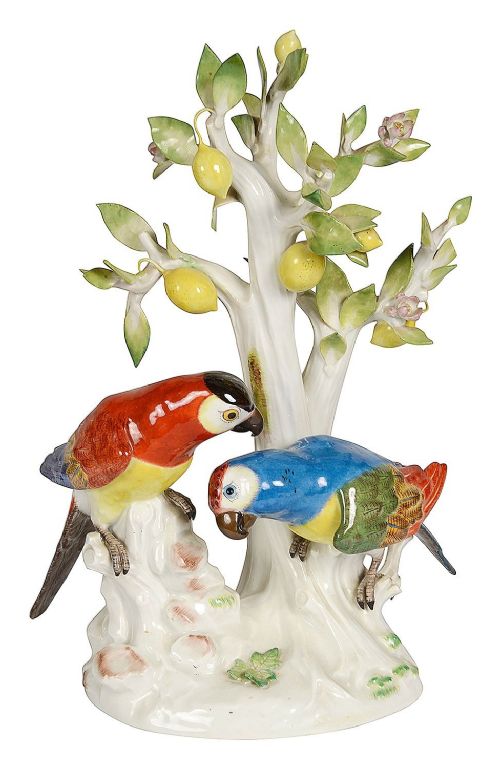
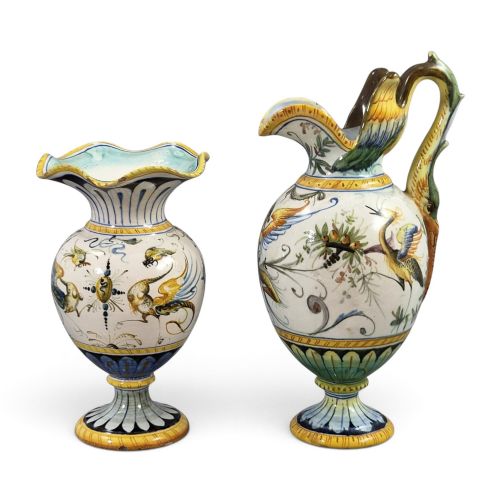
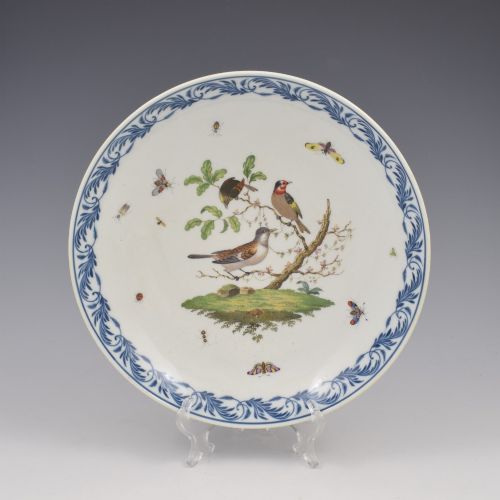
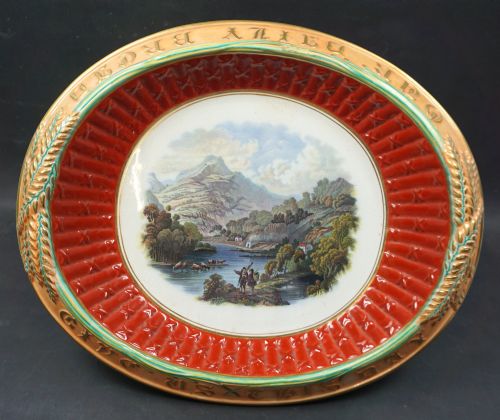
The selection frequently includes English Staffordshire earthenware figures, delicate Meissen porcelain birds, majolica ewers and transfer-printed Pratt ware. These pieces draw upon styles ranging from Rococo Revival and Chinoiserie to Renaissance Revival.
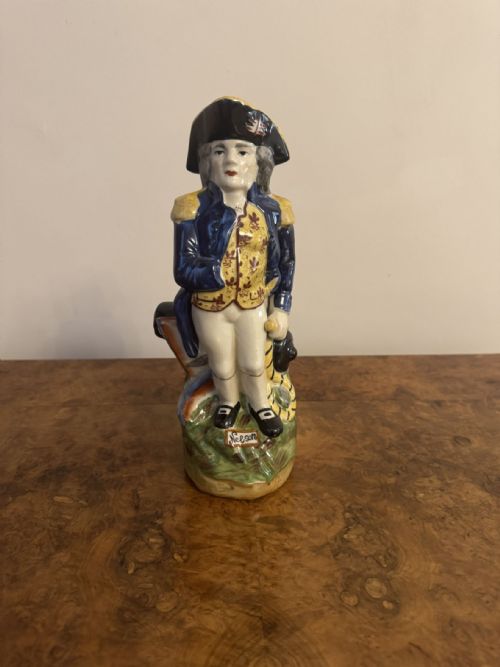
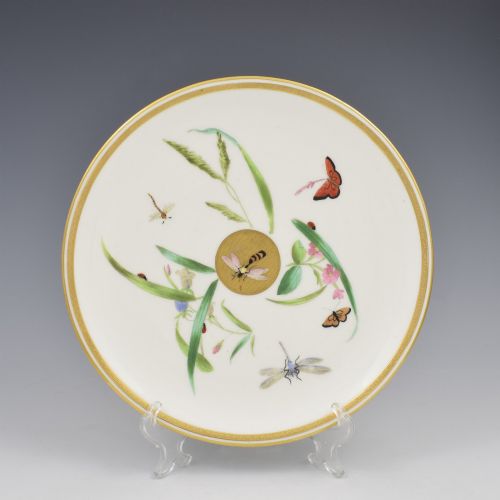
Meissen parrots, Staffordshire commemorative jugs and Minton dessert plates represent the most common forms available on this page. Each item demonstrates the period's fascination with brightly coloured mineral decoration across diverse European and Asian-influenced aesthetics.
How they were made
Potters shaped these objects using earthenware, porcelain and ironstone bodies, often moulding figures and vessels before initial kiln firing. Artisans then applied enamel colours, majolica glazes and sometimes gold leaf or gilt highlights by hand.
Many items underwent multiple firings to fix the underglaze transfer prints, overglaze enamel pigments and lustres securely to the ceramic surface. Specialised techniques such as cracked glazes and biscuit porcelain finish produced varied tactile and visual textures.
Materials documented across the inventory include enamel, gold leaf, porcelain, earthenware and glazed ceramic.
What varies in quality
The sophistication of the kiln firing and the richness of the applied gilding also separate standard commercial wares from exceptional exhibition pieces. Potteries employing skilled artists achieved depth and harmony in their polychrome palettes that mass-produced items simply lacked.
Edmé Samson·Meissen·Cantagalli Florence·Volkstedt Rudolstadt Factory·Minton·John Bevington·Royal Doulton·Mann & Co·Letu & Mauger Paris
The Victorian Polychrome Ceramics Glossary
- Majolica
- A type of colourful lead-glazed earthenware popular during the nineteenth century, known for its vibrant green, brown and purple hues. It was frequently utilised for decorative ewers, baskets and vases.
- Pratt ware
- English earthenware associated with multicoloured underglaze printing, often depicting historical scenes, landscape views or commemorative subjects on pot lids and platters. The technique allowed rich hues to be fired directly beneath the glaze.
- Biscuit porcelain
- Unglazed porcelain that has been fired once, resulting in a matte, marble-like surface texture. It was favoured by European factories for smooth neoclassical and romantic figures.
- Toby jug
- A pottery jug modelled in the shape of a seated, stout 18th-century gentleman holding a mug of beer and a pipe. They were widely produced in polychrome earthenware across the Victorian era.
- Spongeware
- Pottery decorated by dabbing or sponging colour onto the ceramic body to create mottled patterns. This technique produced robust domestic bowls and kitchenware.
Victorian Polychrome Ceramics: Frequently Asked Questions
Were Staffordshire figures meant for display?
Staffordshire pottery figures served as affordable ornamental mantelpiece decorations for middle-class Victorian homes. They commemorated current events, political figures, literary characters and romantic themes.
Owners typically arranged pairs of figures on mantelpieces, sideboards or window sills. Their bright polychrome glazes added cheer and colour to domestic interiors.
What is majolica pottery?
Majolica is a heavily glazed earthenware developed in the mid-nineteenth century, famous for its brilliant coloured lead glazes. It often took organic forms such as leaves, shells, cherubs and animals.
The glossy surface and intense hues made majolica highly durable and visually striking. Victorian households used these vessels for serving food or as ornamental flower holders.
How can I tell Meissen porcelain apart?
Meissen porcelain is identified by its fine white paste, sophisticated modelling and meticulous hand-painted details. Many pieces feature the historic crossed swords mark painted underneath the glaze.
Subjects frequently include realistic birds, figures and floral arrangements with refined gilding. The German factory set high standards for European porcelain production throughout the nineteenth century.