


Victorian Ceramic Tankard
These victorian ceramic tankard examples are robust drinking vessels carrying decades of domestic and social history, ideal for anyone drawn to nineteenth-century table pottery.
Victorian Ceramic Tankard
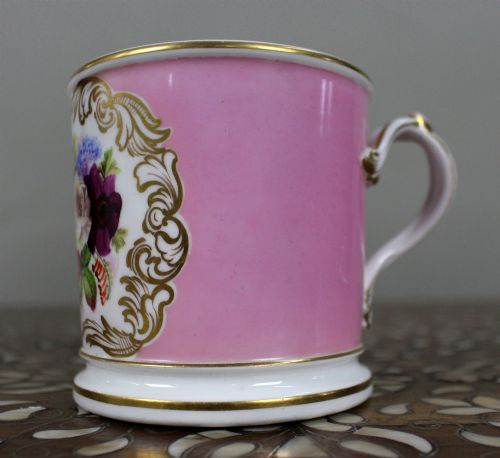
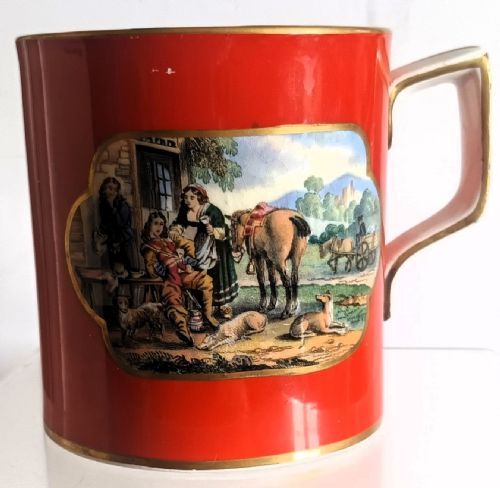
A victorian ceramic tankard encompasses sturdy utilitarian drinking vessels and decorative presentation pieces from the nineteenth century. Buyers searching this phrase encounter everything from earthenware harvest cups to fine porcelain mugs.
The pieces on this page span the broader nineteenth century alongside earlier examples, reflecting shifts from simple country pottery to factory-made table wares. Mugs, loving cups, and tygs dominate the forms available here.
Originating predominantly from English makers, these vessels range from everyday tavern gear to school commissions and display pieces. The selection highlights the diverse material culture of historical drinking habits.
Materials and production
Potters utilised earthenware and stoneware as the primary bodies for these sturdy drinking vessels, often applying salt glaze or coloured enamels to seal the clay. Earthenware allowed for vibrant transfer-printed scenes, whilst salt-glazed stoneware provided a durable, impermeable finish suited to heavier use.
Surface decoration frequently involved hand painting, transfer printing, and applied slip, sometimes complemented by precious additions like gold leaf. Workshops also incorporated structural embellishments such as sterling silver rims to strengthen the upper edges of the vessels.
Specialised techniques included internal modelling, where makers placed surprise ceramic frogs or figures inside the vessel to amuse drinkers. Firing methods varied from standard kiln processes to specialised salt-glazing techniques championed by larger potteries.
Watch out for the ceramic frogs lurking inside the mugs, designed to leap out at thirsty drinkers.
Evaluating craftsmanship
Quality rests upon the crispness of the moulding, the precision of transfer-printed details, and the skill involved in hand-painted embellishments. Superior pieces display careful control over glaze application and sharp definition in relief-moulded motifs.
The inclusion of precious metal mounts, such as hallmarked sterling silver rims, elevates the status of a vessel from standard tavernware to a more substantial commission. Artisanal input, seen in hand-carved details or signed painted decoration, separates factory output from master work.
Grainger Worcester·Copeland·Doulton Lambeth·Hadley Worcester
The Victorian Ceramic Tankard Glossary
- Tankard
- A tall drinking vessel with a single handle, traditionally used for beer or ale. These pieces often feature cylindrical bodies and sturdy bases.
- Loving cup
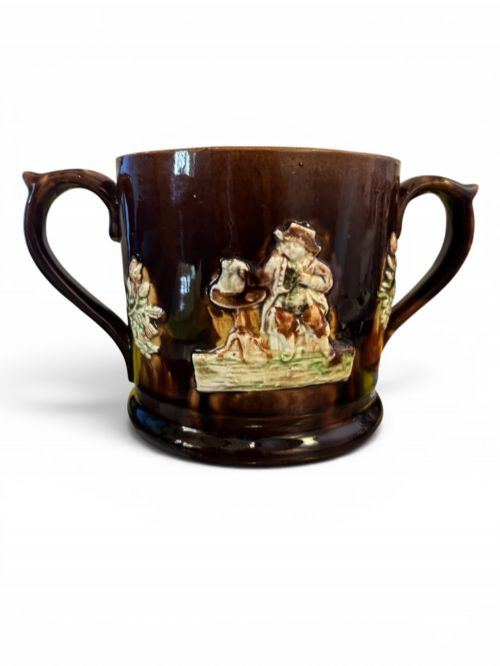
- A large ceramic drinking vessel equipped with two or three handles, designed to be passed around among guests. They frequently commemorated marriages or communal gatherings.
- Tyg
- A multihandled drinking vessel popular from the seventeenth through the nineteenth centuries. The multiple handles allowed drinkers to hold the vessel from different angles.
- Stoneware
- A dense, hard pottery fired at high temperatures until vitrified. This material is completely waterproof even without glaze.
- Pratt-ware
- A type of earthenware produced in England during the late eighteenth and nineteenth centuries, known for multi-coloured underglaze decoration. These pieces typically feature relief-moulded designs painted in muted oxide colours.
Victorian Ceramic Tankard: Frequently Asked Questions
How do I date a ceramic tankard?
Dating relies on examining the potting materials, base marks, style of decoration, and manufacturing techniques. Transfer printing styles and specific glaze types often point to particular decades within the nineteenth century.
Inscriptions, crests, and school commissions also help narrow down the production period. Comparing the piece against known factory patterns secures a more accurate timeline.
Are these tankards safe for drinking?
Whilst physically robust, antique drinking vessels require careful consideration regarding historic glazes and structural stability. Many collectors prefer to display them rather than use them for modern consumption.
Hairline cracks or historical repairs can compromise the integrity of the ceramic body. Hand washing is essential if you choose to use them.
What is a harvest jug?
A harvest jug is a large ceramic vessel traditionally used to carry ale to workers in the fields during harvest time. They often feature relief decoration celebrating agricultural themes or rural life.
These pieces frequently display rich brown salt-glazed surfaces and occasionally feature protective silver rims. Their substantial size reflects their communal purpose.