


Victorian Plinth Base Cabinet
A victorian plinth base cabinet provides sturdy storage with a solid foundation, offering practical utility and period character for any room.
Victorian Plinth Base Cabinet
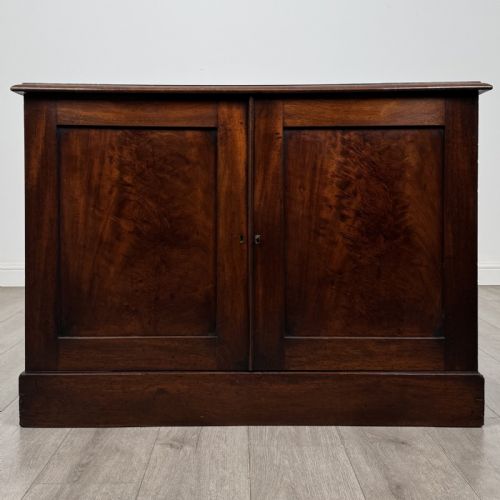
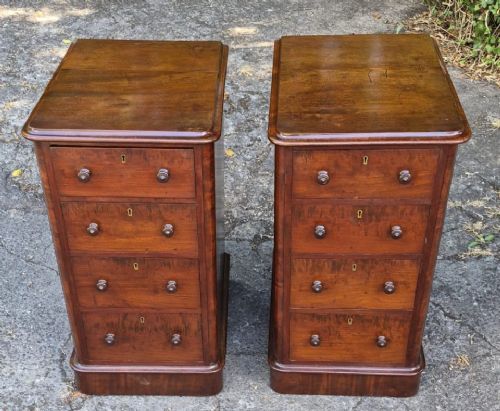
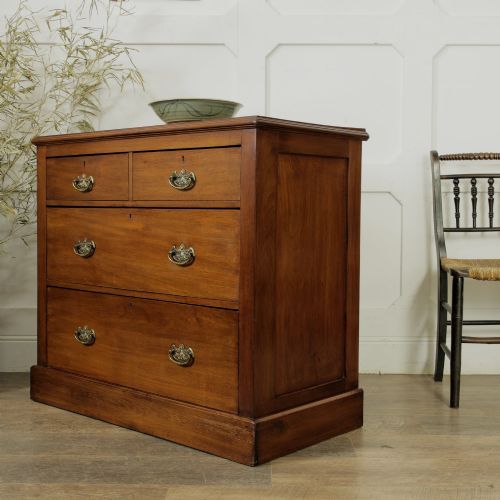
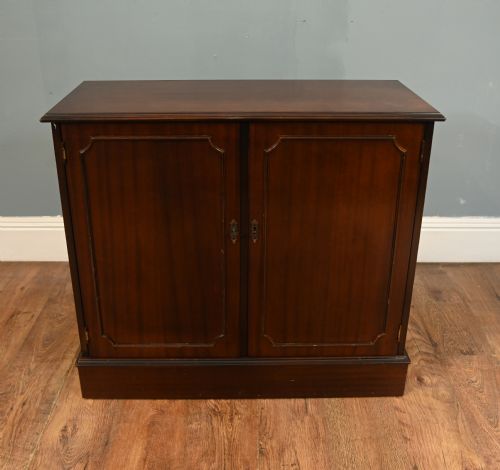
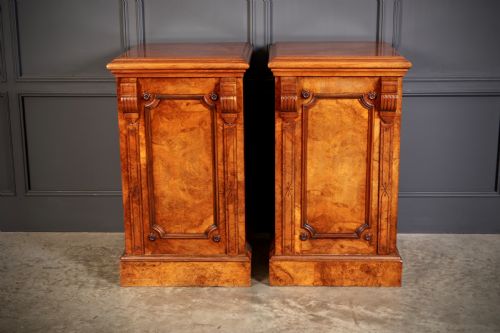
A victorian plinth base cabinet typically appears as a bedside chest, side cabinet, or pedestal unit resting on a flat, solid ground-level timber plinth rather than traditional legs. These pieces emerge predominantly from the nineteenth century, spanning various decades through the Victorian era.
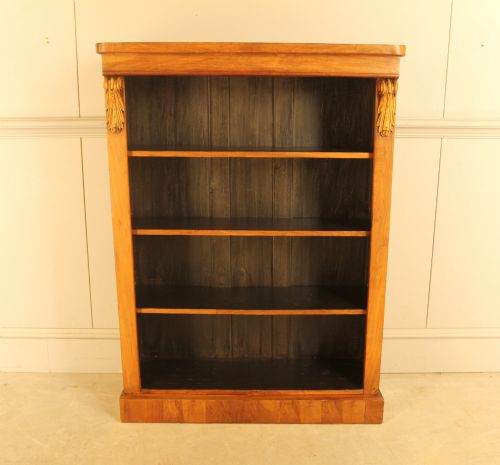
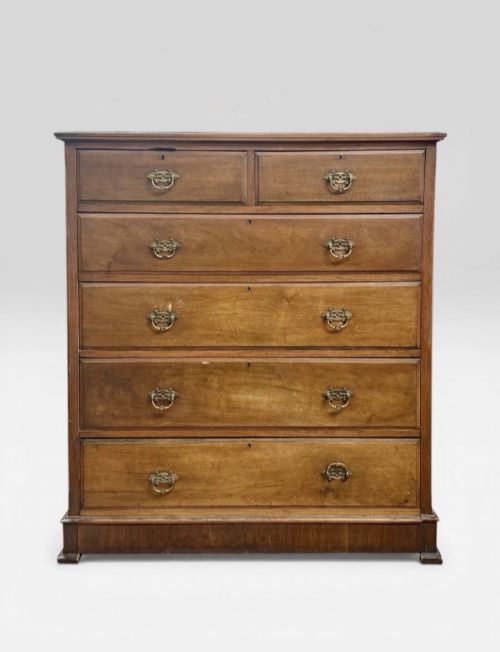
Buyers seeking a victorian plinth base cabinet will encounter forms ranging from compact bedside cupboards in mahogany or walnut to larger side cabinets and chests of drawers. The selection on this page demonstrates the widespread preference for flat-based wooden construction across multiple utilitarian object types.
Materials and Construction
Cabinet makers relied heavily on dense hardwoods such as mahogany, walnut, rosewood, and pine, frequently applying flame mahogany or burr walnut veneers to primary display surfaces. These timbers were selected for their durability and rich grain patterns.
Construction methods involved substantial timber framing to support the flush plinth base, often incorporating internal cedar lining in drawers and brass hardware for handles and fittings. The structural weight of the plinth required careful joinery to ensure stability without elevated feet.
One remarkably specific Victorian offering is a mahogany shoe box cabinet designed as an enclosed ottoman.
Judging Quality
Quality in these cabinets rests upon timber selection and veneer matching, where finely figured burr walnut or flame mahogany elevates a standard utilitarian piece into a decorative focal point. The depth of colour and integrity of the polished finish reveal the care taken in the workshop.
Construction detail distinguishes higher grades of work, particularly in the neatness of dovetail joints, the smoothness of drawer operation, and the substantial weight of the plinth foundation. Original brass fixtures and intact internal linings further separate superior examples from standard production.
Mawer & Stephenson·Holland & Sons
The Victorian Plinth Base Cabinet Glossary
- Plinth base
- A heavy, flat architectural support upon which a cabinet rests directly, replacing traditional legs or feet.
- Flame mahogany veneer
- A thin slice of mahogany timber displaying a distinctive swirling flame-like grain pattern, applied to primary surfaces.
- Burr walnut
- A highly prized wood growth featuring intricate, swirling knots and patterns, used extensively for decorative cabinet fronts.
- Pedestal cabinet
- A freestanding, upright storage unit built on a single vertical column or solid base block.
Victorian Plinth Base Cabinet: Frequently Asked Questions
What is a plinth base?
A plinth base is the solid, flat block of wood at the bottom of a cabinet that rests directly on the floor instead of standing on legs.
This construction gives the furniture a grounded, stable appearance and prevents dust from gathering underneath.
Where were these cabinets used?
These cabinets served multiple domestic functions, appearing as bedside tables, side cupboards in reception rooms, or small chests of drawers in parlours.
Their enclosed storage made them suitable for keeping personal items, books, or household linens out of sight.
How do I care for mahogany veneer?
Mahogany veneer requires protection from direct sunlight and extreme humidity changes to prevent the thin wooden layer from lifting or drying out.
Regular dusting with a dry cloth and occasional application of traditional wax polish will maintain the lustre of the timber.
Are all these cabinets Victorian?
While the majority date from the Victorian period, the selection also includes related pieces from the William IV era and the transition into the Edwardian period.
Design styles evolved gradually during the nineteenth century, retaining solid plinth foundations across several decades.