
Victorian Pitcher
A victorian pitcher brings substantial presence to a table, combining utilitarian purpose with ornate nineteenth-century craftsmanship.
Victorian Pitcher
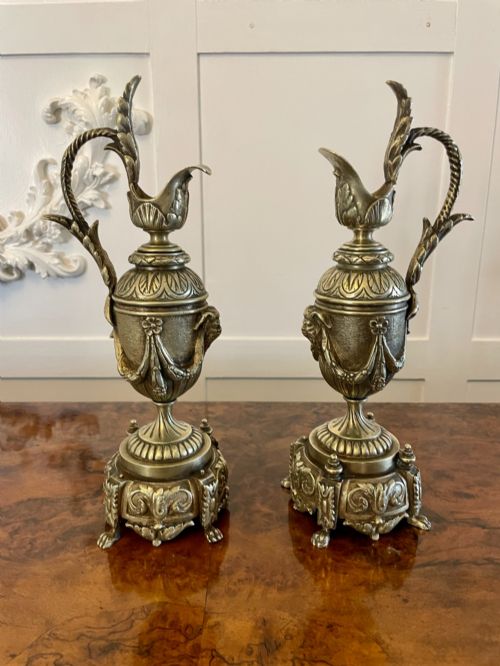
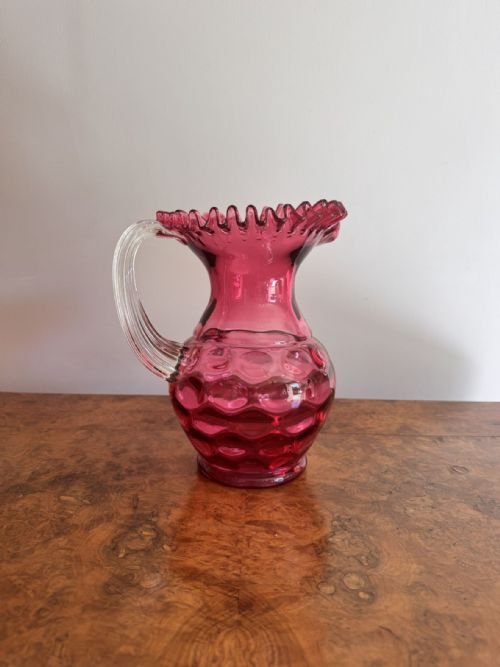
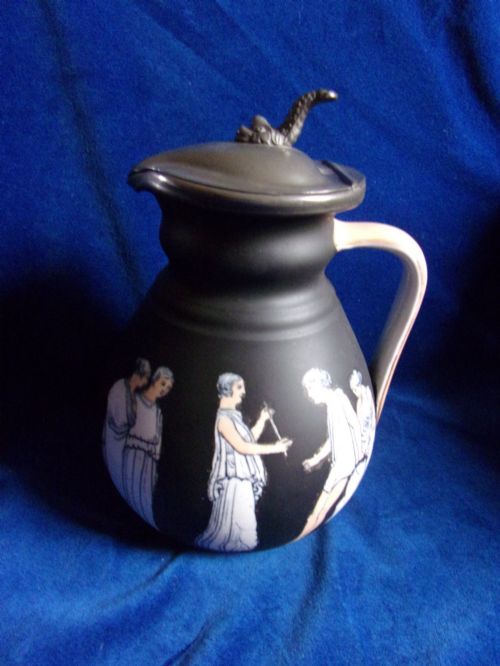
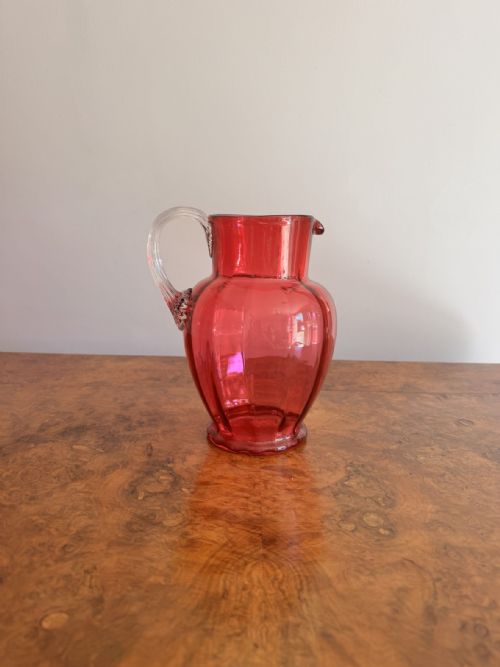
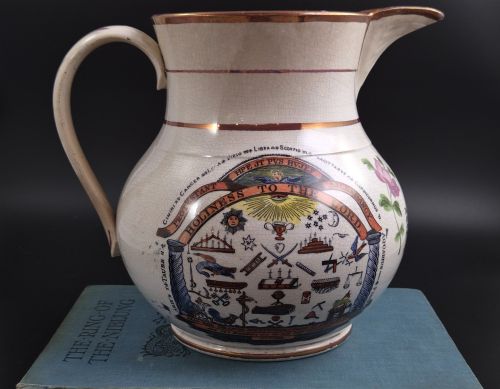
A victorian pitcher encompasses a wide variety of pouring vessels, from large earthenware water jugs and commemorative pieces to delicate silver-mounted claret jugs and glass ewers. Buyers exploring this category frequently encounter regional pottery traditions such as Staffordshire figures and Sunderland lustre ware alongside refined sterling silver and cut glass examples.
The utility of these vessels ranges from everyday table service to formal dining and commemorative display. Common variations include specialised forms like cream jugs, claret jugs with hinged lids, and decorative ewers designed for prominent placement on sideboards.
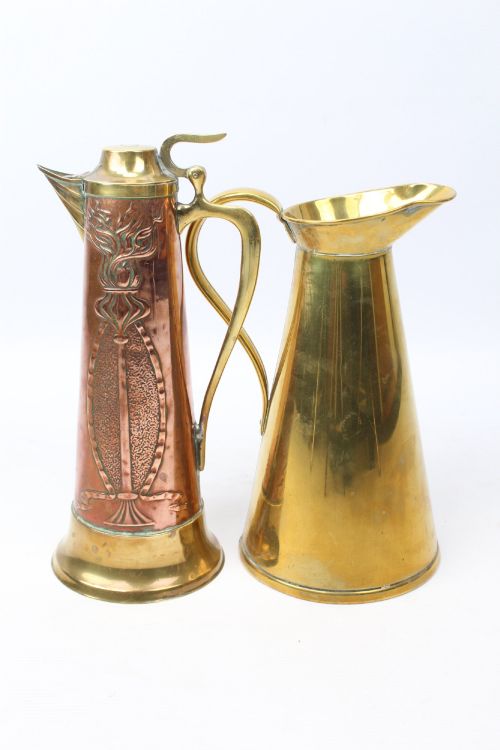
Most pieces date from the nineteenth century, showing influences from gothic revival, arts and crafts, and classical design movements. These domestic objects reflect the period's preference for combining decorative ornamentation with practical household use.
Materials and construction
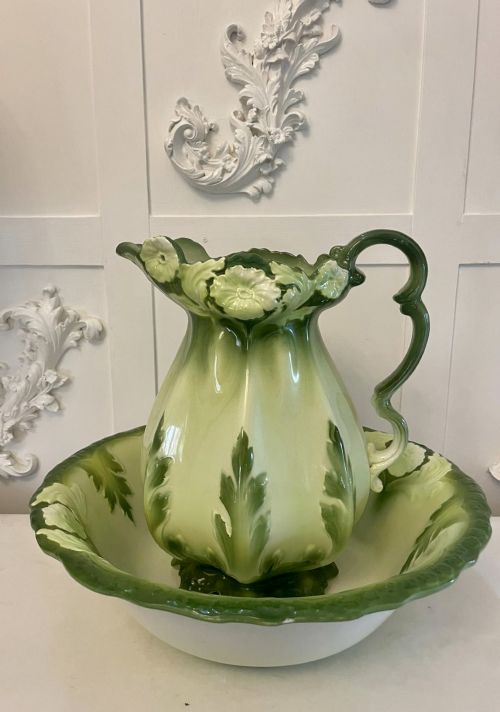
Makers utilised diverse materials including earthenware, porcelain, stoneware, blown glass, pewter, and sterling silver. Ceramic pieces often feature hand-painted glazes, transfer printing, or raised moulded details, whilst glass versions rely on overshot techniques or gilt applications.
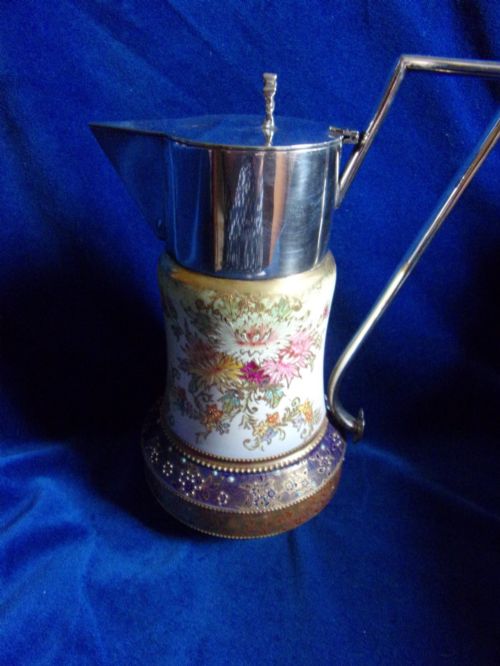
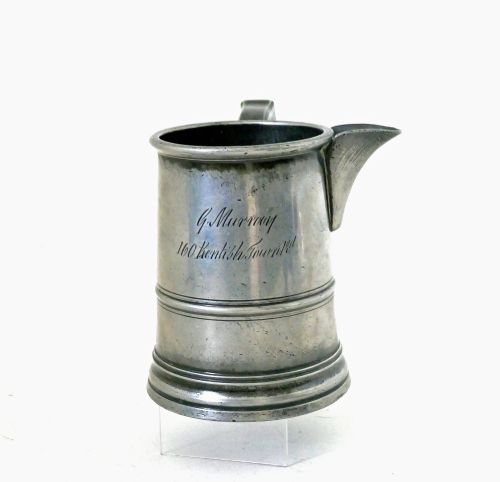
Metal vessels combine casting, chasing, and engraving to achieve detailed figurative scenes and foliate scrolls. Silver and silver-gilt mounts are frequently fitted to glass bodies, requiring precise metalwork to secure handles and hinged lids.
Design styles represented include Georgian, Victorian, Edwardian, Arts and Crafts, and Renaissance Revival.
Assessing craftsmanship
Quality in these vessels depends on the crispness of the moulding, the precision of the hand-painted or engraved decoration, and the integrity of the materials. Finer ceramic examples display evenly applied glazes and sharp transfer prints without blurring.
Metalwork quality shows in the depth and clarity of chased figural designs and the sturdy attachment of handles and mounts. Glass vessels are distinguished by heavy metal weight, clean cutting, and well-preserved gilding.
Asprey and Co. Ltd·Doulton Lambeth·Cantagalli Florence·Elkington·Robert Garrard·Minton·Mason·Stevens and Williams
The Victorian Pitcher Glossary
- Ewer
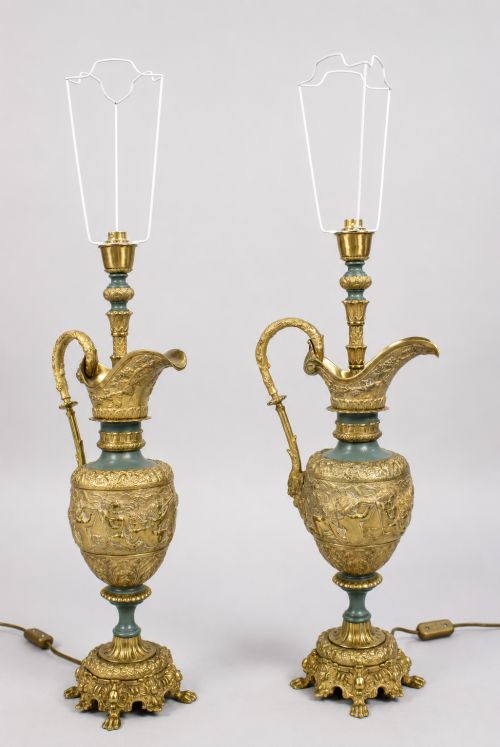
- A large jug with a wide spout and a curved handle, traditionally used for holding water or wine at the table. These vessels often feature decorative pedestals and elaborate figural handles.
- Claret jug
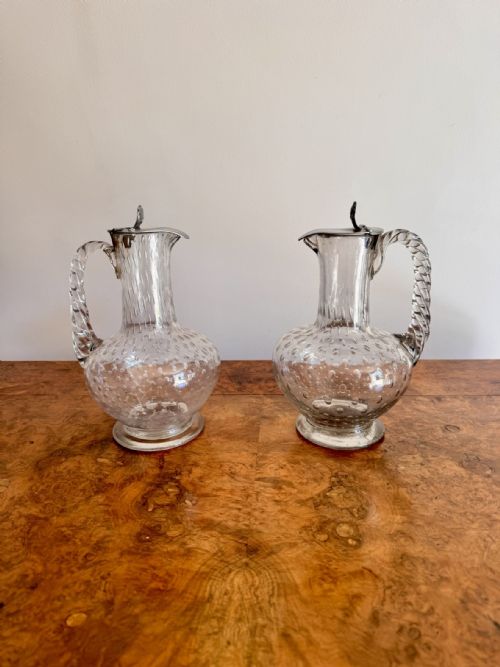
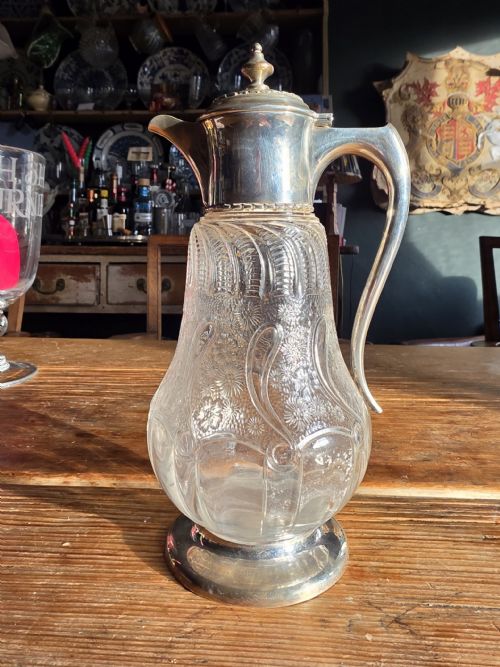
- A specialised pouring vessel designed for serving red wine, typically constructed from cut glass or crystal with a sterling silver or silver-gilt mount, handle, and hinged lid.
- Lustre ware
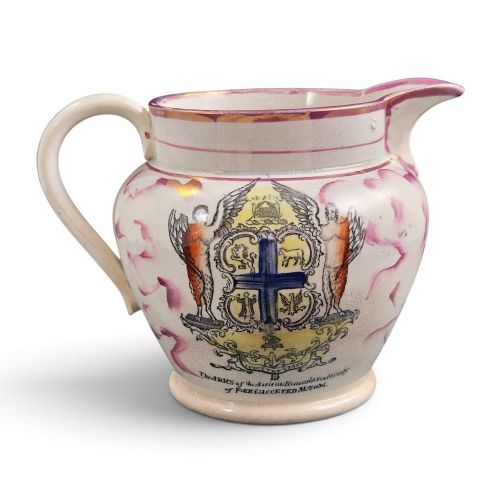
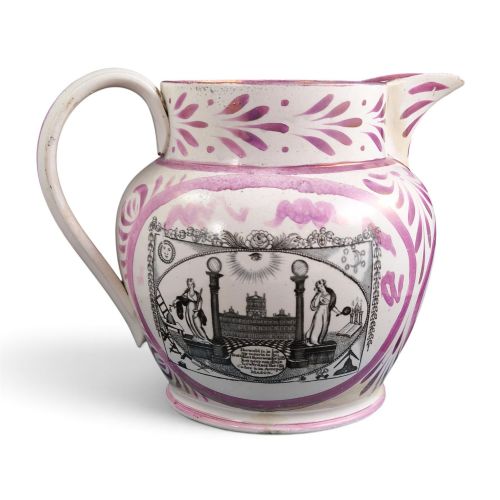
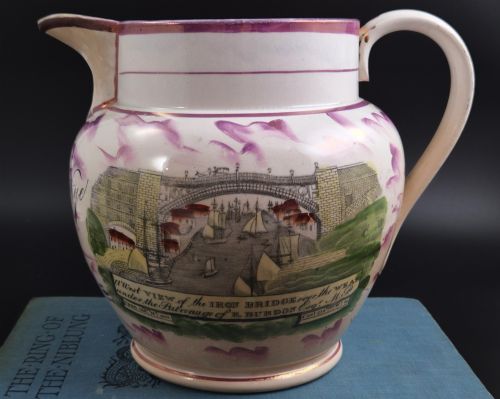
- Pottery decorated with a metallic glaze that produces an iridescent sheen, often created using copper or silver oxides. Sunderland examples frequently display pink splash patterns or transfer-printed historical scenes.
- Toby jug
- A pottery pitcher modelled as a full-length or seated figure, usually depicted as a hearty, beer-drinking eighteenth-century gentleman holding a mug and a pipe. These are characteristic of Staffordshire production.
- Overshot glass
- Glassware rolled over with fine threads of molten glass while still hot, creating a textured, frosted surface appearance. This technique was popular for late nineteenth-century water jugs.
Victorian Pitcher: Frequently Asked Questions
How do I clean an antique silver claret jug?
Clean silver components gently with a specialised non-abrasive polish, taking care to avoid any glass bodies or delicate applied gilding.
Keep moisture away from fitted handles and hinged mechanisms to prevent tarnishing the underlying construction.
Were these pitchers used daily?
Many earthenware and stoneware jugs served practical functions in nineteenth-century kitchens and dining rooms for water, ale, or milk.
More delicate glass and silver-mounted pieces were reserved for formal entertaining and dining rituals.
How can I date a ceramic pitcher?
Examine the base for impressed factory marks, registration diamonds, or pattern names that correspond to specific production eras.
Stylistic indicators such as transfer-print themes, glaze colours, and body weight also help narrow down the manufacturing period.
Can glass pitchers hold hot liquids?
Nineteenth-century glass vessels are primarily intended for cold beverages like water, claret, or lemonade rather than boiling water.
Thermal shock from hot liquids can cause fragile blown or overshot glass to crack.