

Victorian Pine Storage
When choosing victorian pine storage, you are selecting practical nineteenth-century utility furniture designed to organise domestic spaces.
Victorian Pine Storage
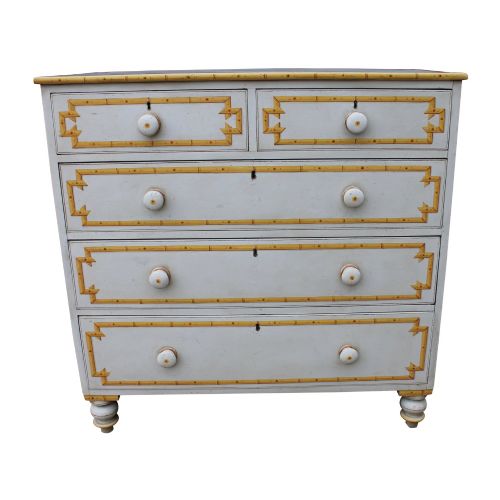
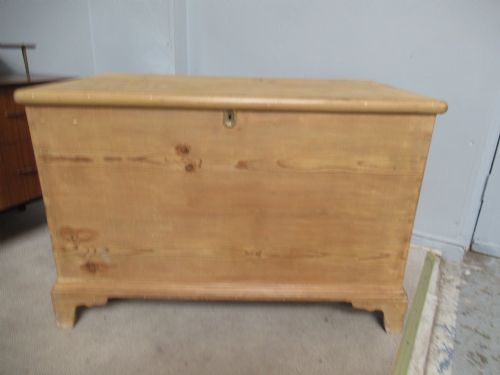
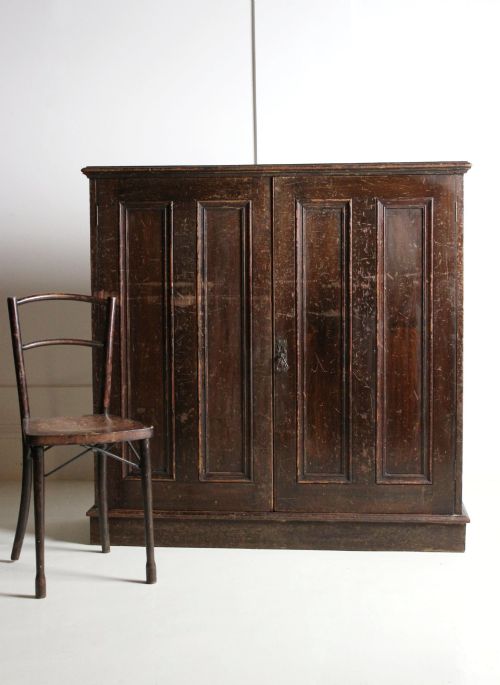
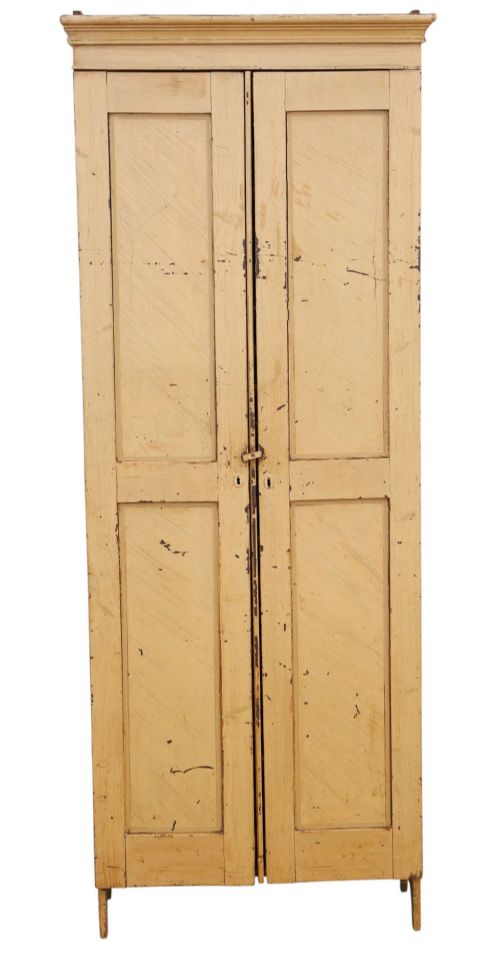
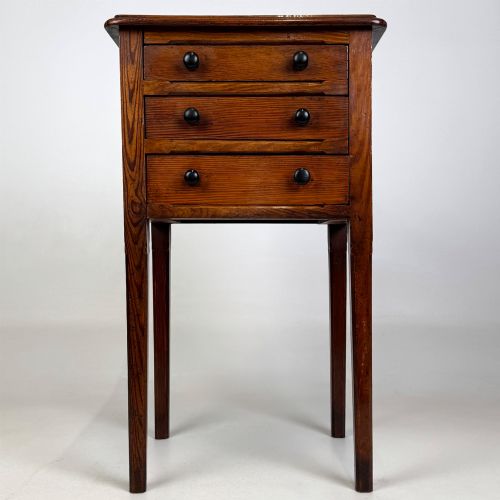
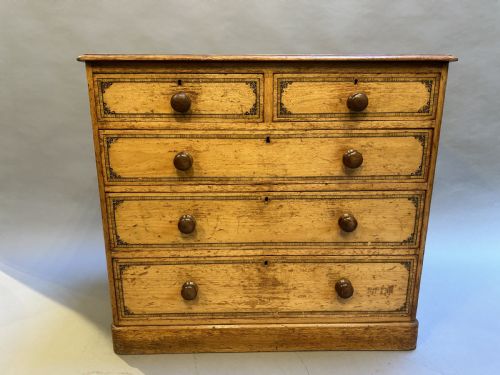
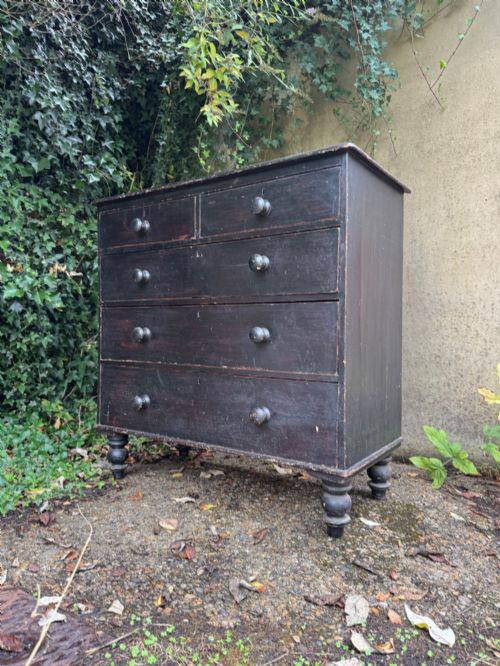
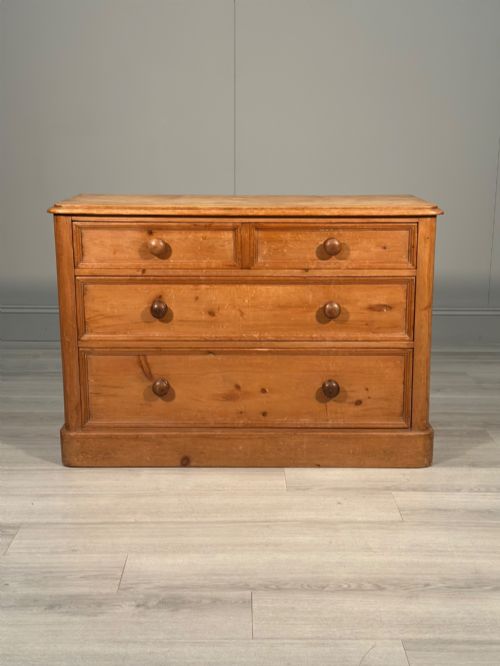
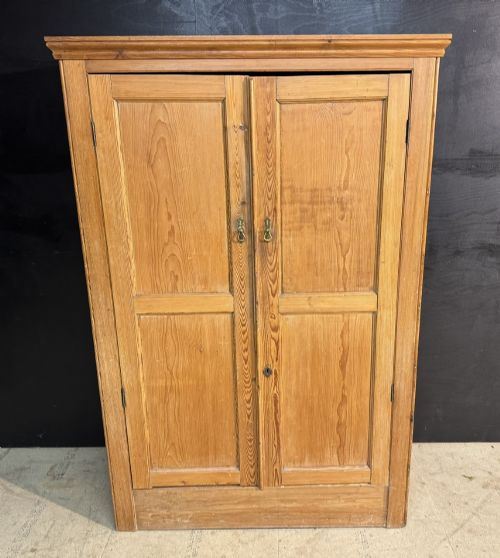
Victorian pine storage encompasses chests of drawers, blanket boxes, trunks, and tall cupboards built during the nineteenth century. These utilitarian pieces originate from domestic, school, and commercial settings across Britain, serving straightforward functional purposes.
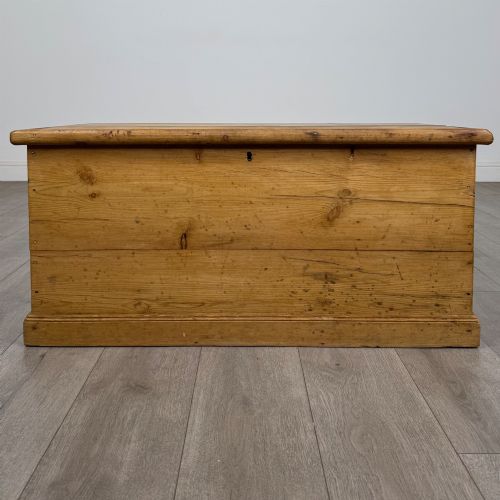
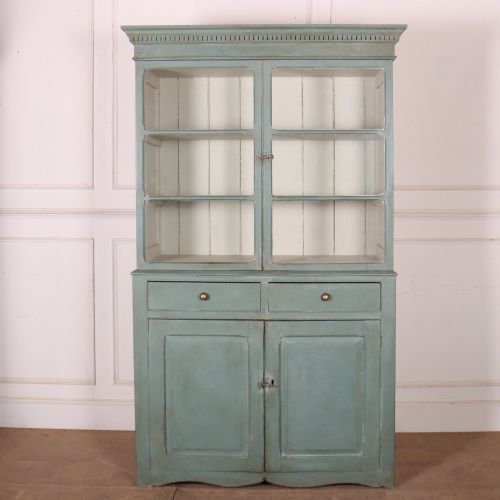
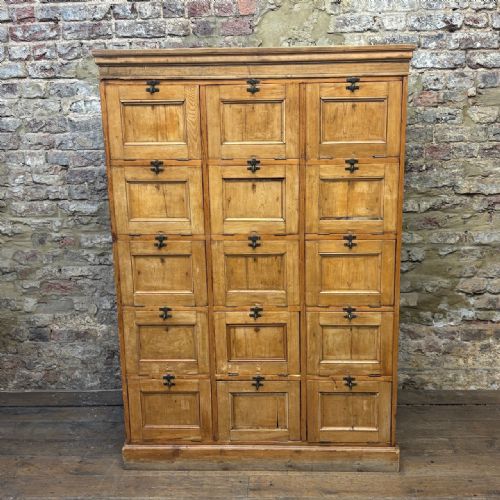
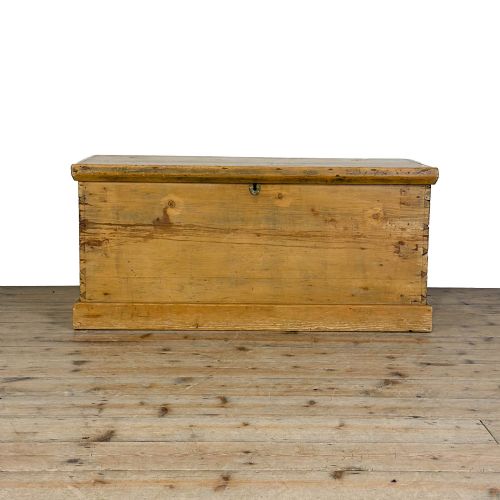
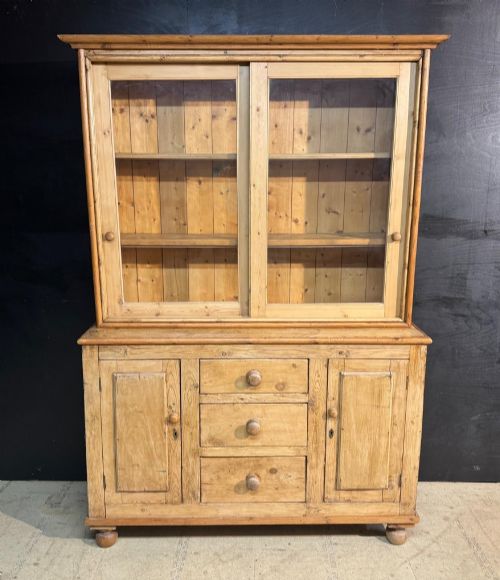
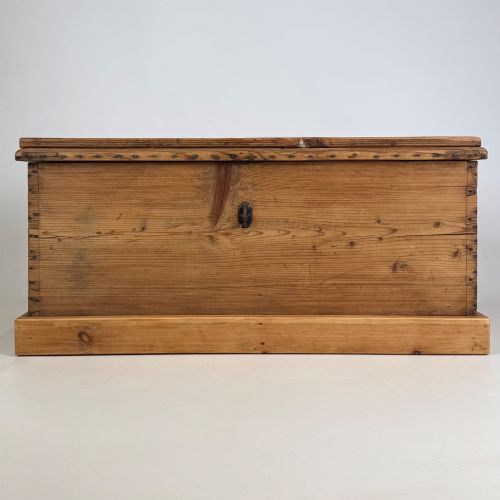
The version most commonly encountered on this page is the blanket box or storage chest, frequently constructed from solid softwood with iron or brass hardware. Kitchen dressers, larder cupboards, and multi-drawer drawer banks also appear regularly.
Makers ranged from local rural joiners to institutional workshops producing robust furniture for everyday service. Surviving examples reflect both plain waxed finishes and historical layers of paint.
Materials and Construction
Carpenters built these items primarily from standard pine and pitch pine, utilising dovetail joints for drawer construction and sturdy panel framing for doors and carcases. Wood surfaces were left natural to wax, scrubbed clean, or finished with applied paint and stencilling.
Hardware elements such as drop handles, bun pulls, hinges, and ventilation grates typically consist of cast iron or brass. Internal fittings occasionally incorporate secondary timbers like cedar alongside dedicated compartments or small storage drawers.
Victorian Pine Storage Retail Price Guide 2026
Typical asking prices for victorian pine storage among the pieces listed under this phrase on Sellingantiques today, from the lower quarter to the upper quarter. They describe what is for sale here now, not the wider market.
One unexpected nineteenth-century pine box survived protecting a complete set of croquet equipment for eight players.
Markers of Build and Preservation
Quality rests in the integrity of the original construction, including tight dovetailing, sound backboards, and unaltered proportions. Pieces retaining their early brass or iron fittings hold greater structural and historical character than those with replaced hardware.
The condition of the timber surface dictates much of the appeal, where undisturbed original painted finishes or honest waxed patination outweigh modern sanding. Form matters significantly, separating standard utility boxes from rarer configurations like multi-drawer banks or glazed kitchen cabinets.
The Victorian Pine Storage Glossary
- Pitch pine
- A dense, resinous softwood variety used for durability in nineteenth-century carcases and heavy trunks. It typically displays a pronounced grain pattern.
- Blanket box
- A large rectangular chest hinged at the top, traditionally used for textiles and bedding. These often feature internal candle tills or small storage compartments.
- Scrubbed pine
- A finish resulting from repeated aggressive washing of the wood surface with soap and water. This treatment leaves a pale, matte texture favoured in country interiors.
- Pot cupboard
- A small bedside or standalone cabinet originally designed to house a chamber pot. They frequently feature a single door and a small internal shelf.
- Dovetail
- A traditional interlocking woodworking joint used at the corners of drawers and chests. Hand-cut variations indicate earlier or more careful craftsmanship.
Victorian Pine Storage: Frequently Asked Questions
How do I clean old pine?
Wipe surfaces gently with a damp cloth and mild soap to preserve any historical wax or paint layers. Avoid harsh chemical strippers that strip away age-acquired patination.
Dry the wood thoroughly afterwards to prevent moisture damage to nineteenth-century joints and soft timber fibres.
Can I use trunks as coffee tables?
Sturdy blanket chests and storage trunks function well as low tables in living spaces. Their flat lids provide adequate surface area while concealing household clutter inside.
Ensure the hinges and internal structure remain stable enough to support everyday items placed on top.
How do I date these pieces?
Examine construction methods such as hand-cut dovetails, backboard thickness, and fastener types to estimate the era of production. Standard Victorian examples typically display nineteenth-century joinery characteristics without modern machine marks.
Hardware styles and original painted surfaces also offer clues regarding the decade of manufacture.
Are painted finishes original?
Many items received layers of paint during their working life in Victorian kitchens, schools, or sculleries. Inspecting edges and layers helps determine whether a painted surface dates to the nineteenth century.
Both stripped wood and historic painted finishes remain collected, depending on individual aesthetic preferences.