


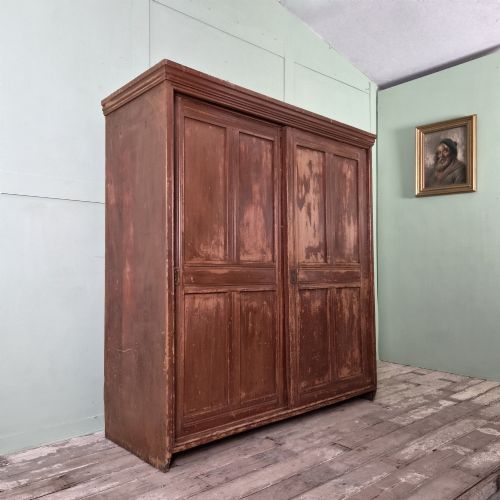
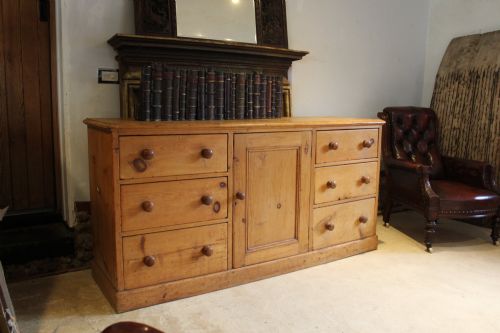
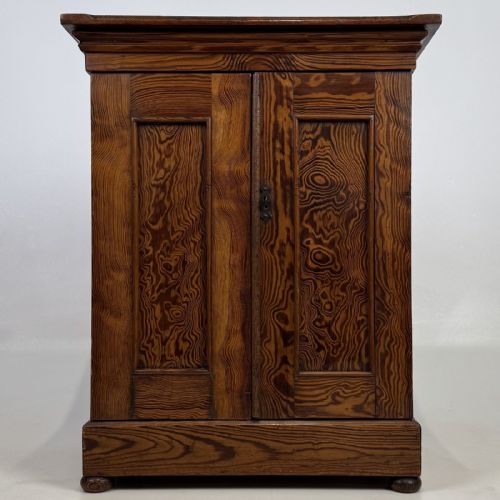
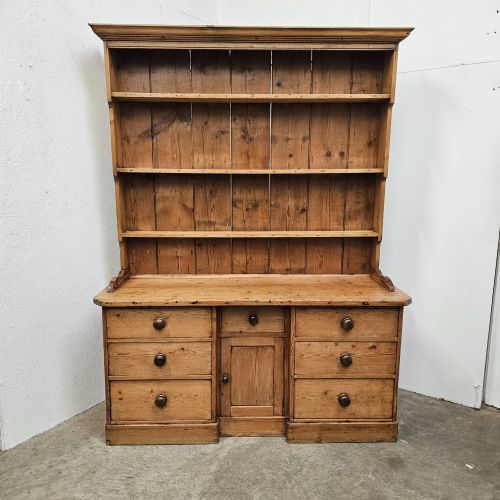
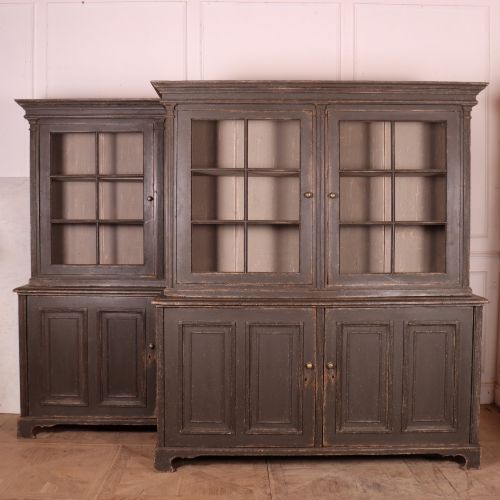
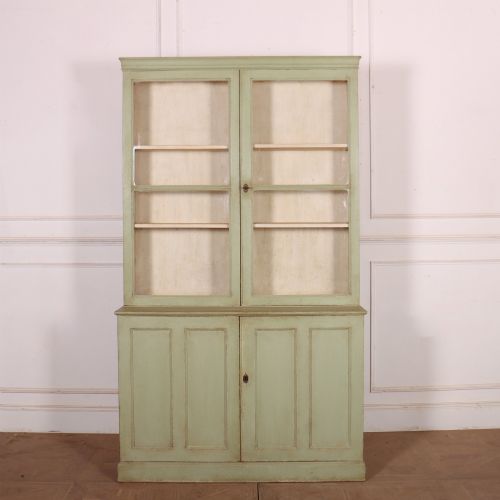
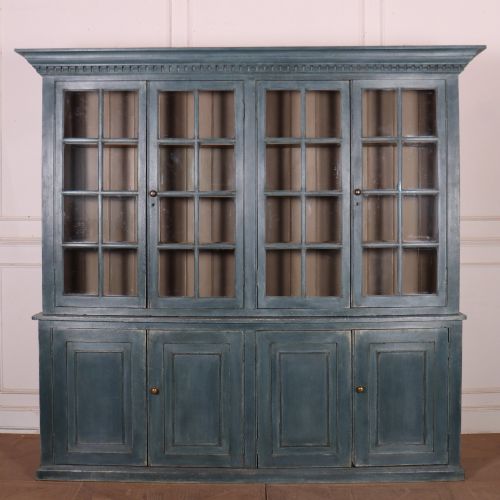
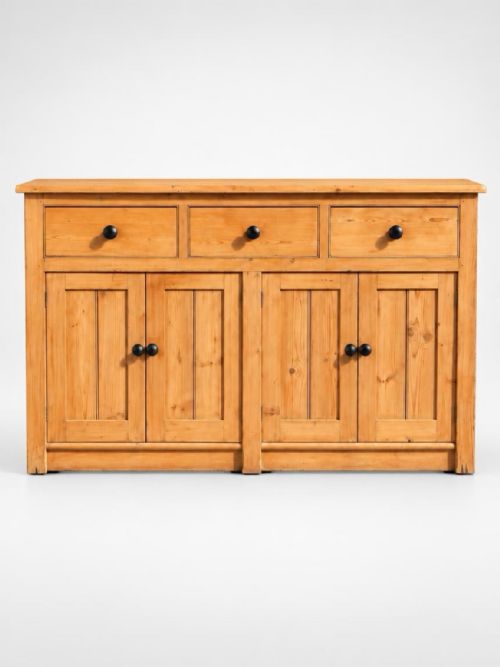
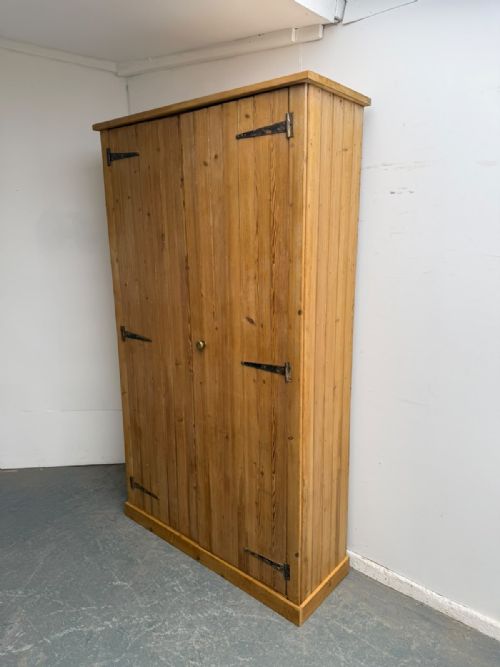
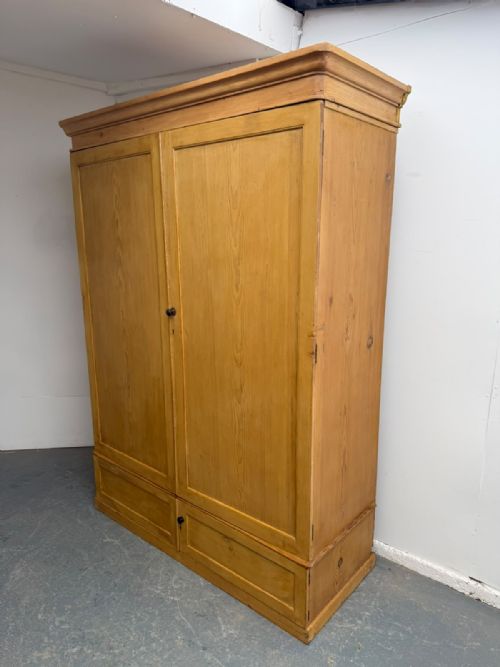
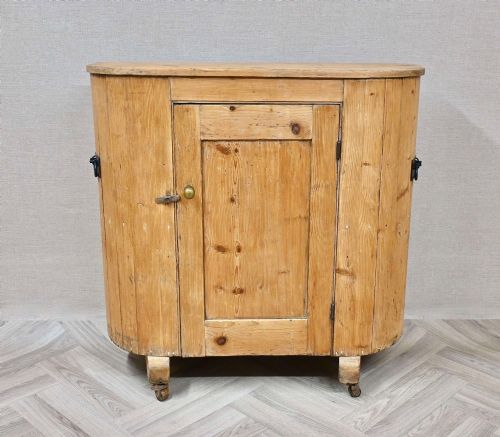
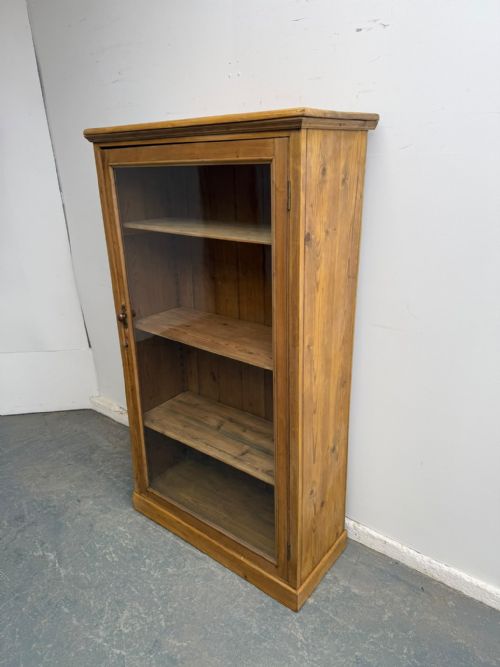
Victorian Pine Storage Cupboard
Solidly built and endlessly practical, a victorian pine storage cupboard brings honest utility and straightforward charm to modern rooms.
Victorian Pine Storage Cupboard
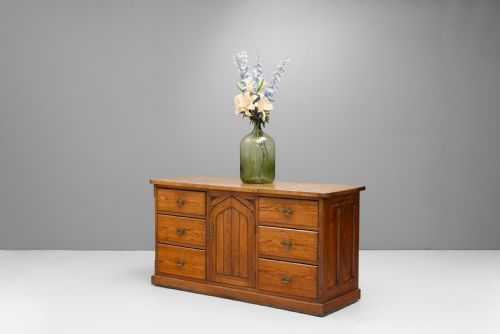
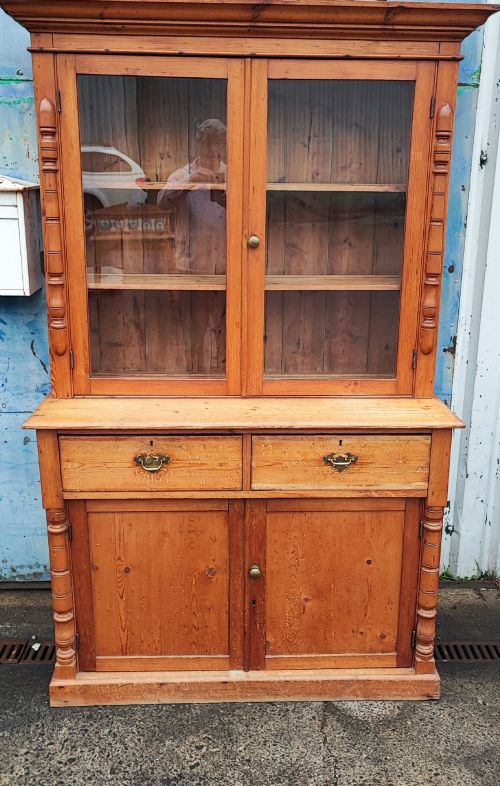
A victorian pine storage cupboard encompasses utilitarian freestanding furniture designed for domestic and commercial function during the nineteenth century. The selection ranges from compact hall cupboards and narrow single-door warding units to expansive kitchen dressers and multi-drawer housekeeper pieces.
Most examples originate from the Victorian era and the broader nineteenth century, utilising softwoods such as standard pine and pitch pine. Buyers frequently encounter two-part knockdown formats alongside robust larder cabinets and glazed bookcases built for daily service.
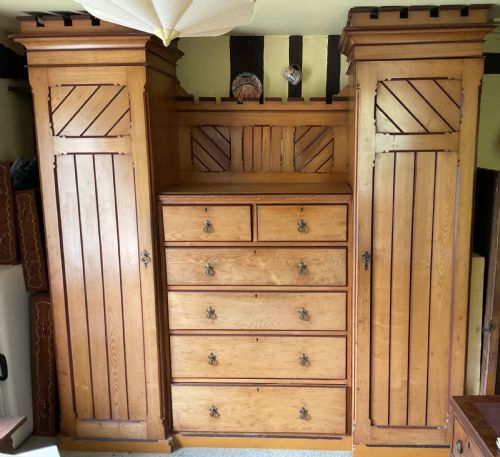
Regional styles appear across the inventory, including Scottish country pieces, Welsh dresser bases, and Gothic Revival designs. Whether finished in original paint, scumble, or stripped back to waxed wood, these cabinets serve modern storage needs with period character.
Materials and construction
Makers relied primarily on pine and denser pitch pine, supplemented by structural iron hinges, brass ventilation grilles, and glass door panels. Timber was selected for durability and ease of joinery, often fashioned into panelled doors and deep shelving.
Surface finishes vary between original layers of paint, decorative scumble glazes, and waxed or stripped pine surfaces. Many larger wardrobes and cupboards utilised knockdown construction with pegged joints, allowing transport into domestic spaces.
Victorian Pine Storage Cupboard Retail Price Guide 2026
Typical asking prices for victorian pine storage cupboard among the pieces listed under this phrase on Sellingantiques today, from the lower quarter to the upper quarter. They describe what is for sale here now, not the wider market.
A few cabinets still whisper of forgotten groceries through lingering traces of old flour and spice.
What separates the grades
Quality rests in the integrity of the original timber and the retention of authentic surface treatments like early paint or scumble glaze. Pieces retaining original brass hardware, working locks, and uncompromised internal shelving stand apart from heavily altered examples.
Proportion and scale dictate desirability, with narrow footprints, shallow depths, and architectural details such as arched doors or Gothic revival mouldings commanding greater attention. The cleverness of internal configuration, including banks of drawers or linen presses, signals superior workshop origin.
The Victorian Pine Storage Cupboard Glossary
- Pitch pine
- A resinous, durable North American pine variety yielding prominent grain patterns and a harder surface than standard softwoods.
- Scumble painted
- A decorative surface technique involving translucent glaze manipulated over a base coat to simulate finer wood grains or create mottled texture.
- Knockdown
- Furniture constructed to be easily dismantled via pegged joints or wedges for transport and installation in upper rooms.
- Housekeeper cupboard
- A large utilitarian storage piece traditionally used in grand homes for linens, dry goods, and domestic supplies.
- Larder cupboard
- A tall cabinet featuring ventilated panels or mesh doors designed for the cool storage of food before refrigeration.
Victorian Pine Storage Cupboard: Frequently Asked Questions
How were victorian pine storage cupboards used originally?
These cabinets served utilitarian purposes in kitchens, sculleries, and hallways for storing food, linens, and household provisions.
Larger variations functioned as larder units, wardrobe presses, or dedicated housekeeper stations for managing daily domestic life.
How do I tell if the paint finish is original?
Examine the surface under natural light for craquelure, wear patterns around handles, and consistent buildup across hidden interior edges.
Original paint or scumble glazes typically show authentic age integration where modern emulsions appear flat or uniform.
Can knockdown wardrobes fit in modern homes?
Many nineteenth-century wardrobes and large cupboards were built with knockdown frames specifically to navigate tight staircases and doorways.
These modular pieces dismantle into manageable sections of top, base, sides, and doors for straightforward assembly on site.
What is the difference between standard pine and pitch pine?
Standard pine provides a softer, lighter timber background that absorbs wax finishes evenly and takes paint readily.
Pitch pine contains higher resin content, resulting in a heavier, denser board with deep reddish-brown tones and striking grain movement.