


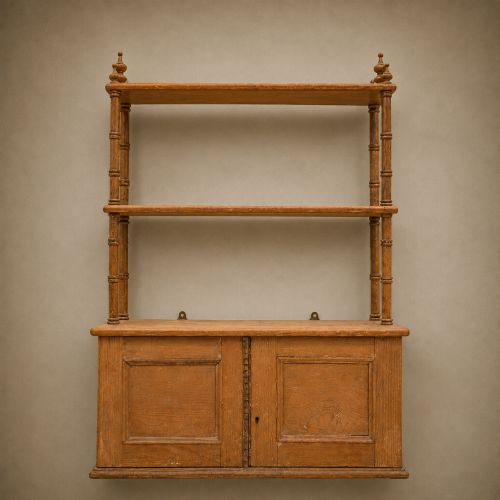

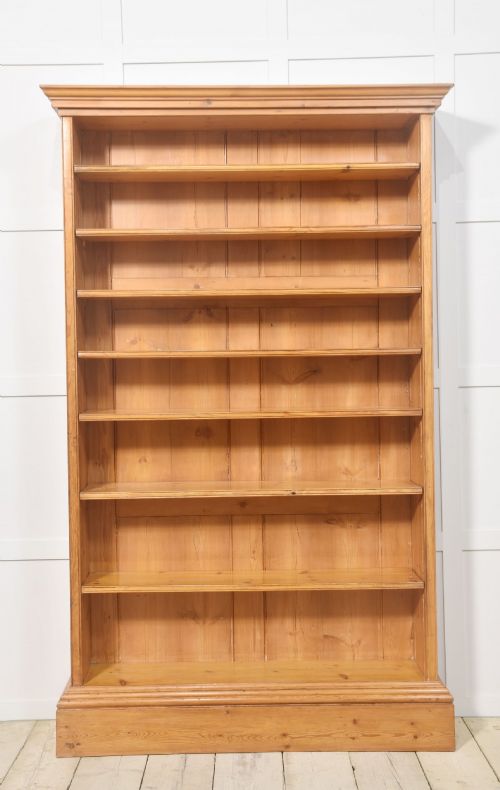
Victorian Pine Shelves
Victorian pine shelves bring honest utility to domestic rooms, combining generous storage with the warmth of aged softwood.
Victorian Pine Shelves
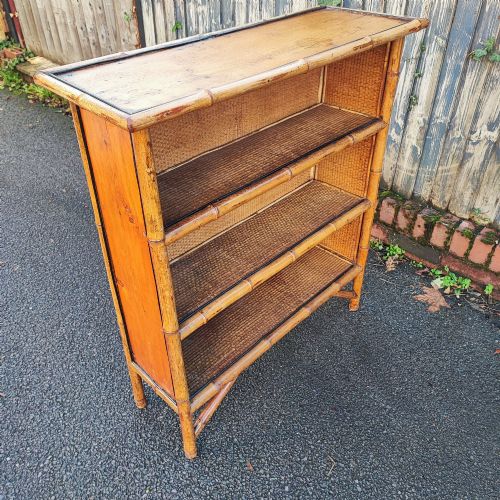
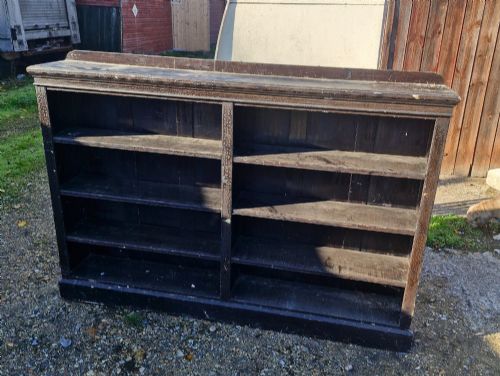
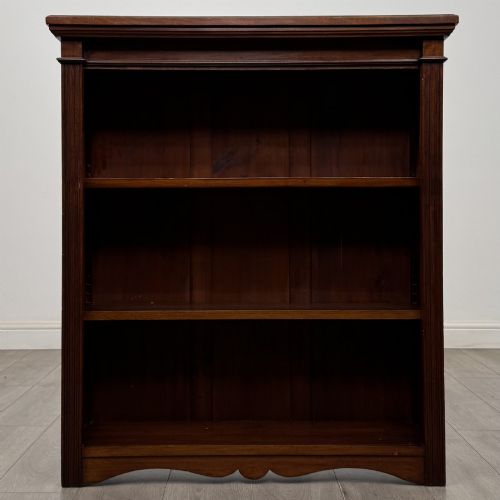
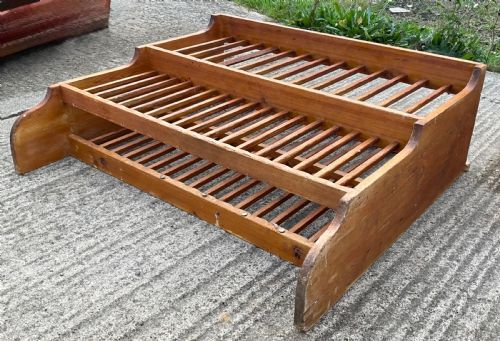
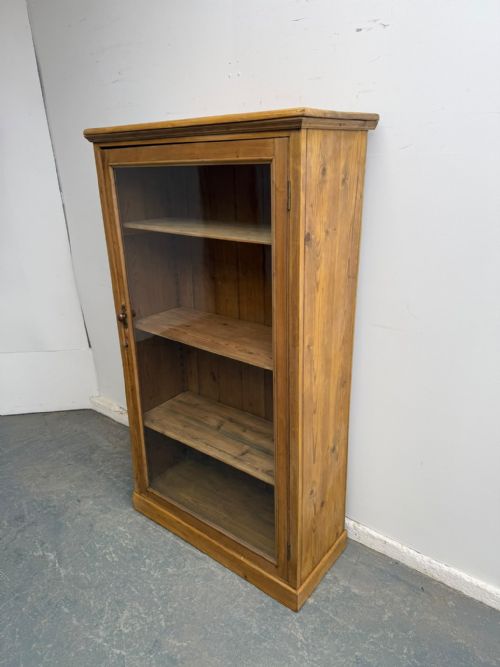
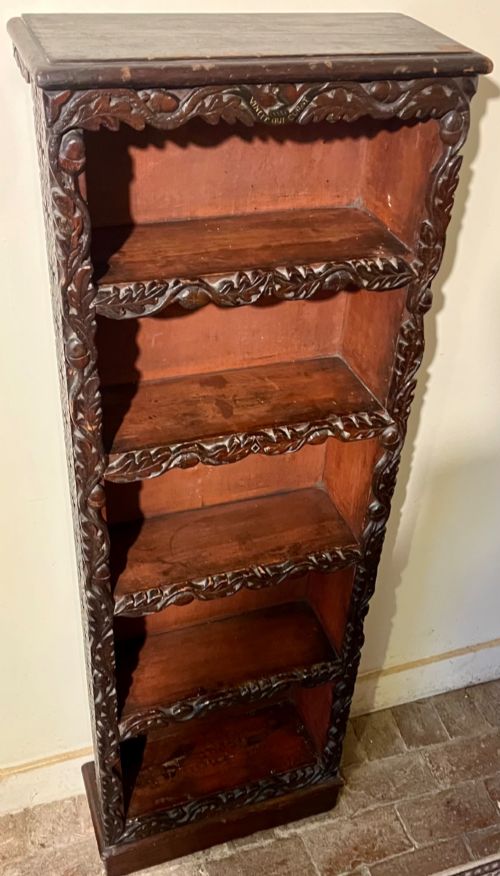
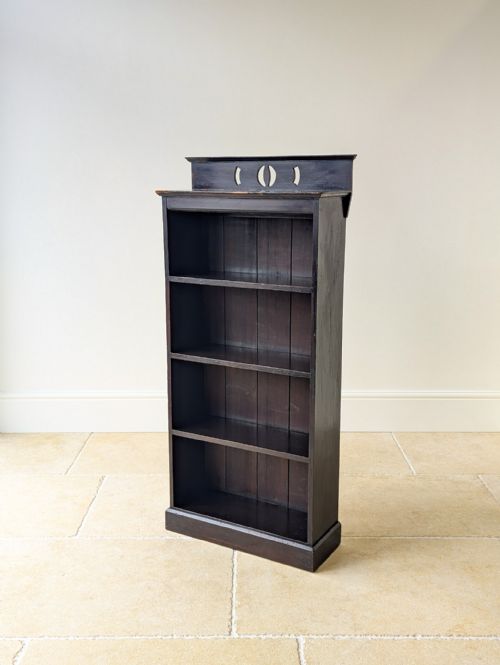
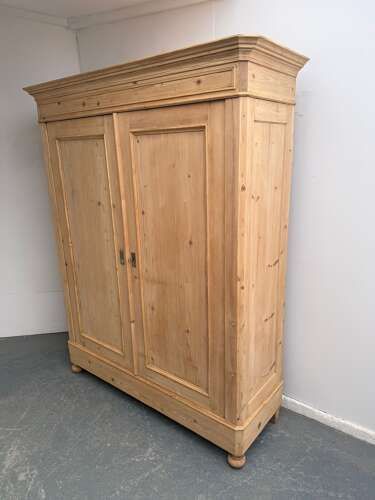
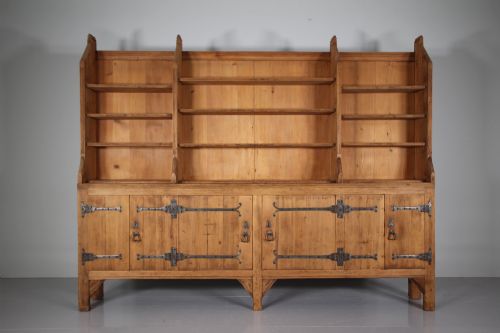
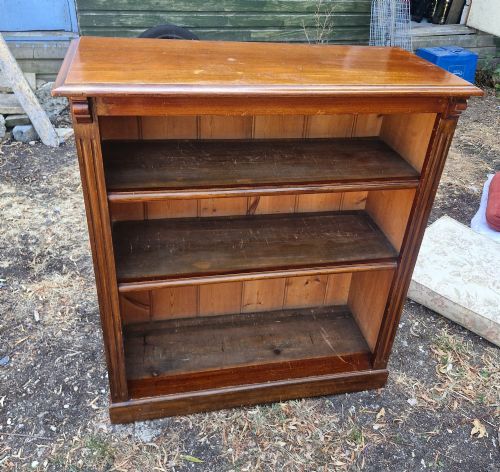
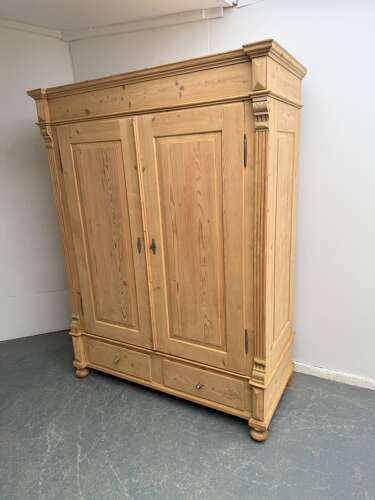
Victorian pine shelves encompass a practical group of domestic storage furniture created during the nineteenth century and associated periods. When searching for victorian pine shelves, buyers encounter open bookcases, wall-mounted display units, kitchen racks, and dresser bases intended for everyday utility.
The pieces on this page span styles from rustic farmhouse and country workshops to late Victorian vernacular forms. Most examples rely on straightforward proportions designed to maximise storage in modest rooms.
Originating across English, Scottish, and Welsh workshops, these pieces often incorporate functional additions like adjustable shelving, cupboards, or pot shelves. The selection ranges from compact wall-hanging cabinets to large standing bookcases built from solid timber.
Materials and Construction
Construction relies primarily on native pine and deal wood timbers, selected for availability and workability by nineteenth-century joiners. Many surfaces retain traces of early paint, while others show clear wax finishes applied to protect the softwood grain.
Secondary materials such as metal brackets, iron fixings, and occasional walnut or elm components appear in specific wall cabinets and display units. Workshops built these items using straightforward joinery methods suited to durable household furniture.
Victorian Pine Shelves Retail Price Guide 2026
Typical asking prices for victorian pine shelves among the pieces listed under this phrase on Sellingantiques today, from the lower quarter to the upper quarter. They describe what is for sale here now, not the wider market.
Several pieces include integrated pigeon holes, originally designed to keep household paperwork orderly before the advent of modern filing.
Assessing Quality and Character
Quality in these items rests upon timber selection, structural integrity, and the preservation of original surfaces. Pieces retain greater appeal when built from dense, well-figured pine with minimal structural alteration over time.
The Victorian Pine Shelves Glossary
- Pine
- A softwood timber widely utilised in British furniture making for its strength and accessible working properties. It forms the primary structural material for domestic shelving and storage units.
- Deal Wood
- A traditional term applied to pine or fir timber boards imported or used locally for utilitarian cabinet work. It appears frequently in nineteenth-century bookcases and plain furniture.
- Adjustable Shelf
- A movable board resting on internal supports that allows users to alter shelf heights within a bookcase. This practical feature appears in various Victorian storage formats.
- Pot Shelf
- A lower display or storage shelf integrated into a dresser base or work table for holding domestic utensils. It provides open storage beneath the main working surface.
- Wotnot
- A set of open tiered shelves used for displaying small decorative objects or books. Victorian versions frequently combine open display tiers with lower enclosed cupboards.
Victorian Pine Shelves: Frequently Asked Questions
What rooms suit victorian pine shelves?
These versatile storage pieces function well in kitchens, studies, and living spaces where practical book or display capacity is required.
Their straightforward forms allow them to integrate easily into both traditional period interiors and modern rustic settings.
How do I identify a period piece?
Examination of construction methods, timber ageing, and hand-cut joinery helps confirm nineteenth-century origins.
Original painted surfaces or traditional wax patinas also provide clear indicators of period manufacture.
Are the shelves usually adjustable?
Many standing bookcases and cabinets from this era include functional adjustable shelving systems supported by wooden cleats or metal tracks.
Fixed shelves remain common in smaller wall-mounted racks and country dresser bases.
How should I care for waxed pine?
Maintain the finish by applying a natural beeswax polish occasionally to nourish the dry softwood timber.
Avoid placing these items in direct sunlight or near excessive heat sources to protect the wood.