
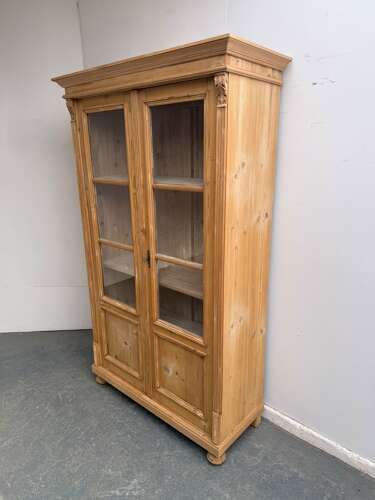
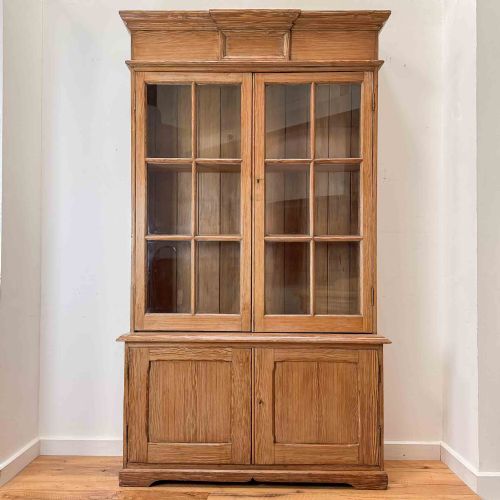
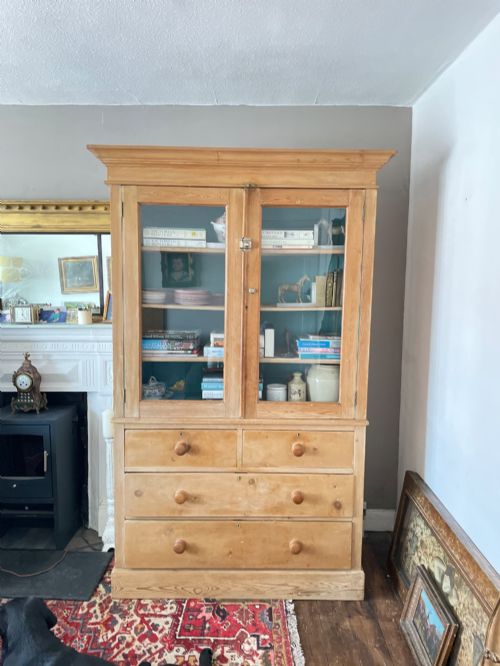
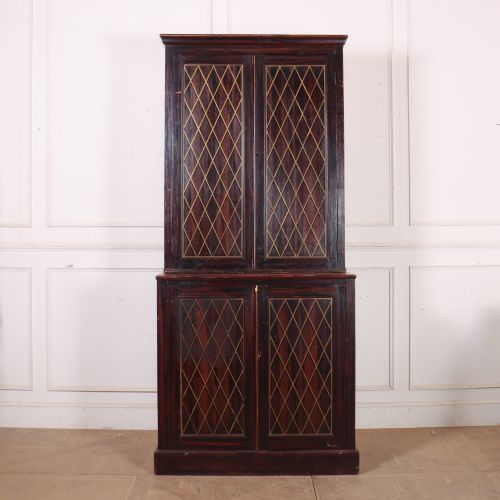
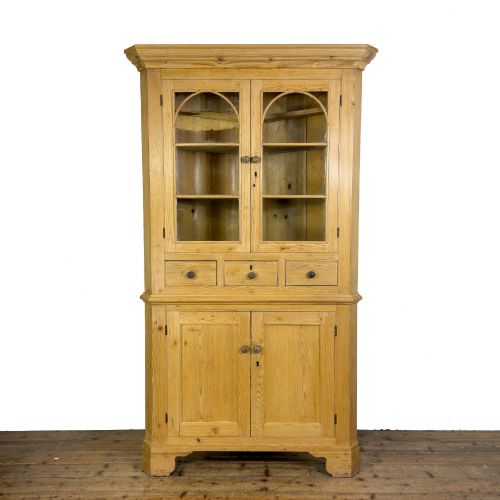
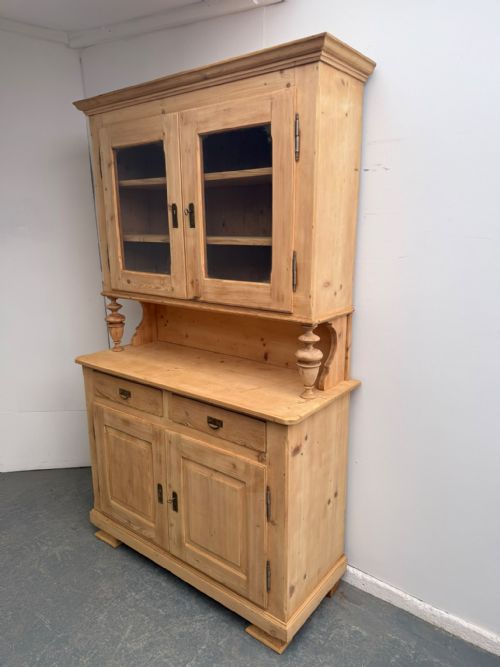
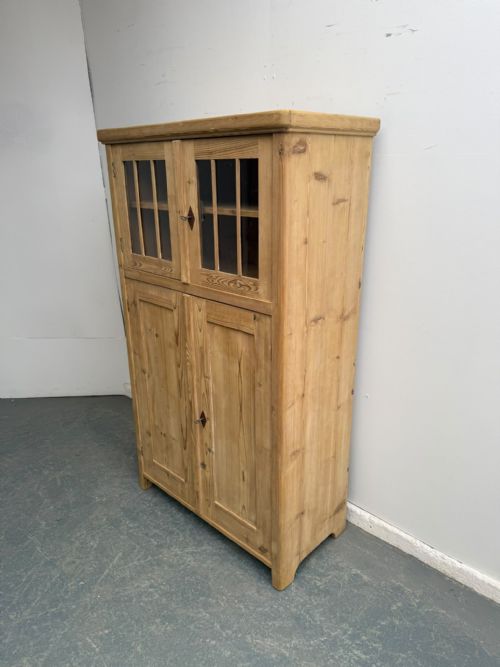
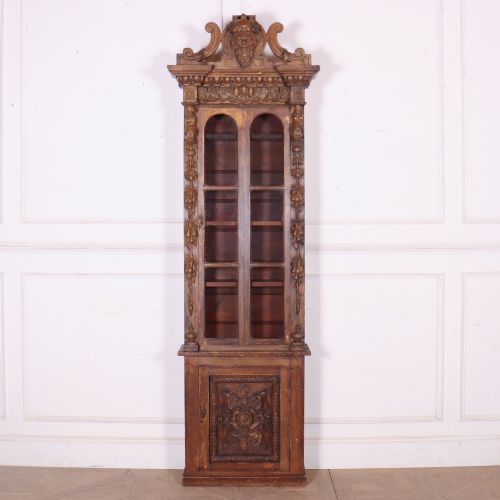
Victorian Pine Bookcase Cupboard
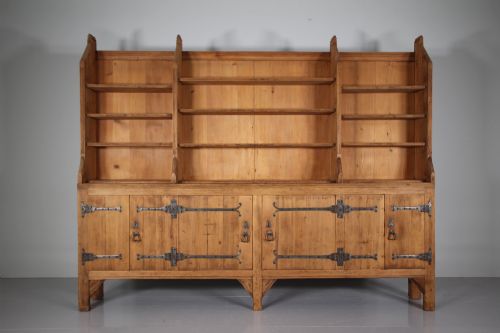
A victorian pine bookcase cupboard combines shelved display space with enclosed lower storage, built to house books and household stores in nineteenth century homes.
Victorian Pine Bookcase Cupboard
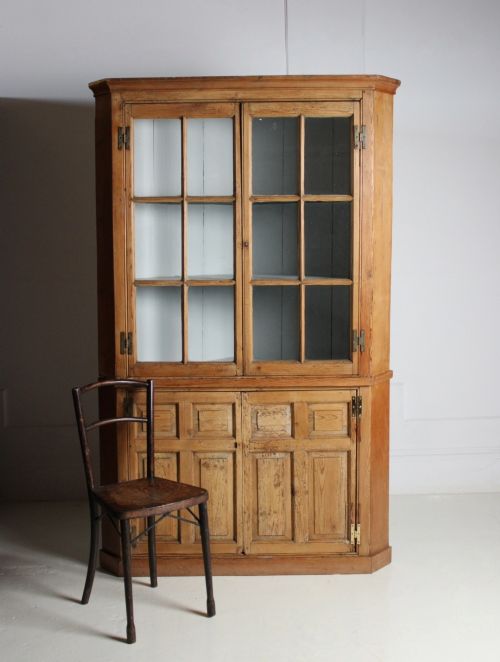
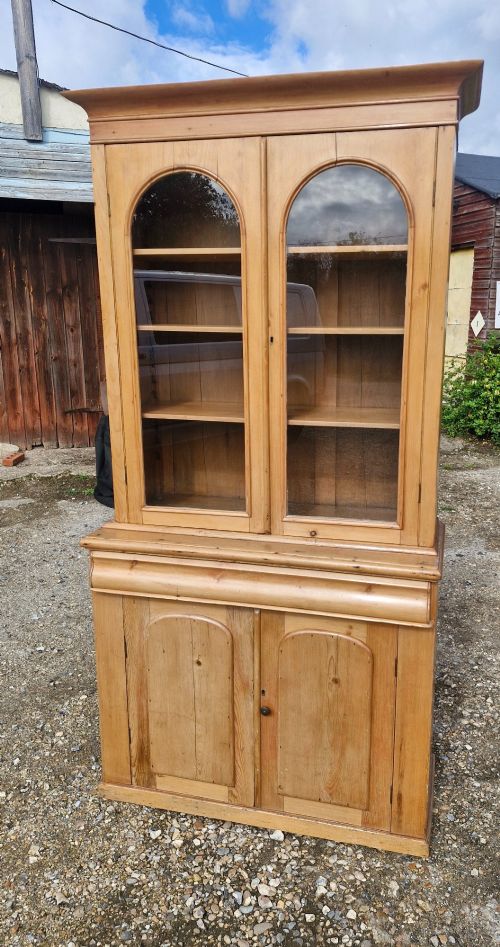
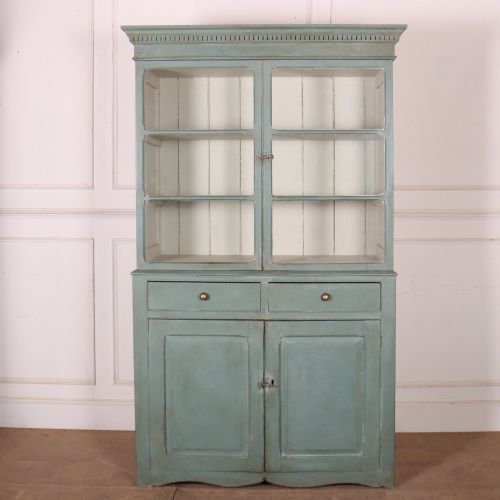
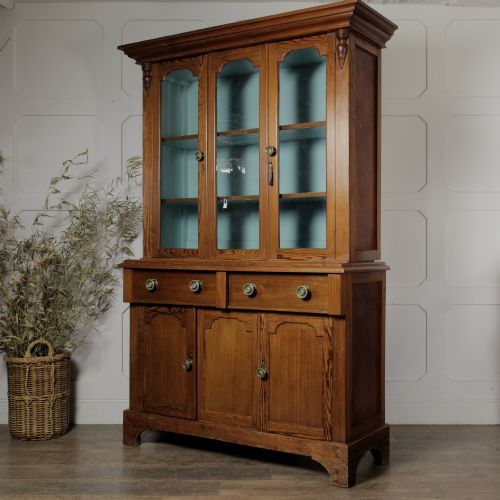
A victorian pine bookcase cupboard brings together upper display glazing and lower enclosed storage in a single utilitarian carcass. These pieces originate from nineteenth century domestic and provincial settings across England, Scotland, Ireland and Wales.
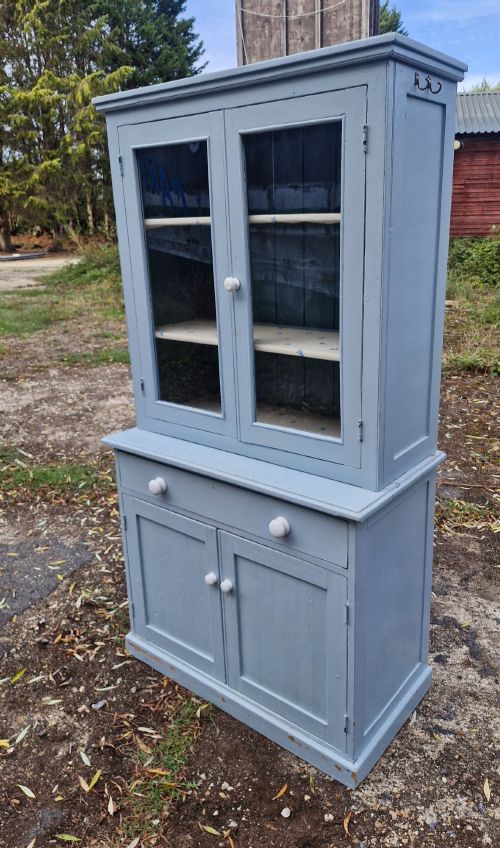
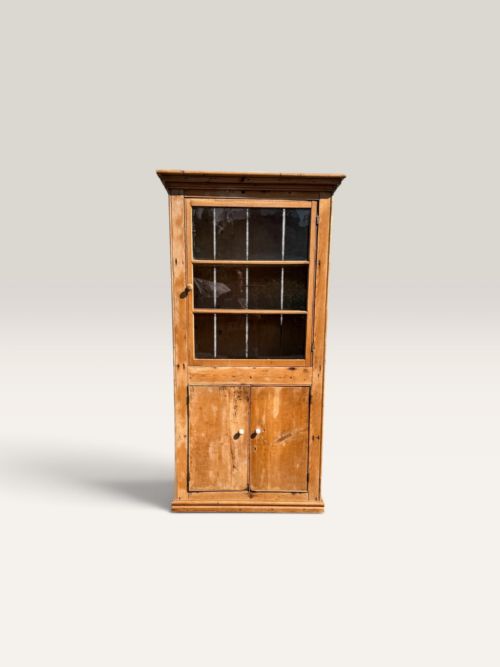
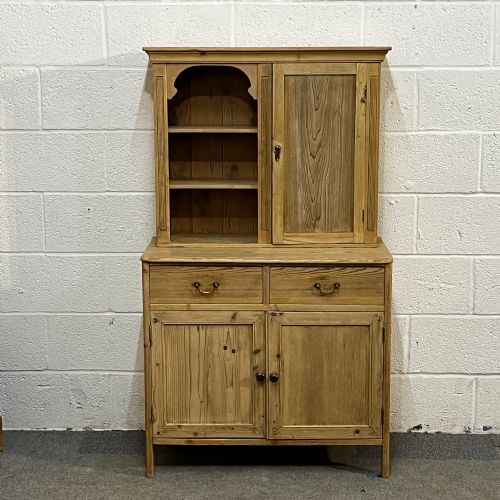
Buyers meet variations ranging from compact corner units and small chimney cupboards to massive two-part library cases and kitchen dressers. The upper section typically holds glass doors for books or china, while the base houses solid timber doors concealing deeper shelves or drawers.
Materials and construction
Makers utilised native softwood alongside dense pitch pine for structural stability and durability. Glazing bars hold individual panes of glass in the upper doors, whilst brass or iron fittings secure the closures.
Surfaces finished originally with paint, scrumbles or wax now appear either stripped to the natural timber grain or retaining layers of historic pigment. Two-part construction allowed workshops to transport these tall carcasses safely up narrow staircases.
Some pantry cupboards retain faint traces of flour dust embedded deep within the grain from decades of kitchen service.
Proportion and joinery
The distinction between utilitarian utility and finer provincial joinery lies in carcass proportion and timber selection. Pieces constructed with tight dovetail joints and well-balanced door panels maintain structural integrity better over generations.
Original glazing and untouched surface treatments elevate the integrity of a piece. Altered heights, replaced cornices or crudely stripped timber detract from the historical balance established by the original provincial cabinetmaker.
The Victorian Pine Bookcase Cupboard Glossary
- Pitch pine
- A dense, resinous softwood variant featuring strong grain patterns utilised for heavy-duty cabinetry. Nineteenth-century makers favoured it for items requiring extra structural strength.
- Scrumbled
- A decorative paint technique simulating the grain of more expensive hardwoods through layered translucent glazes. It appears frequently on regional country furniture.
- Two-part
- A cabinet constructed as separate upper and lower sections stacked together. This method eased transport for large library cases and kitchen dressers.
- Cornice
- The moulded projection crowning the top of the bookcase carcass. It provides a finished architectural transition to the ceiling height.
- Glazing bars
- The wooden strips dividing glass panes within a cabinet door. Slimmer bars generally indicate finer period craftsmanship.
Victorian Pine Bookcase Cupboard: Frequently Asked Questions
How do I clean a waxed pine cupboard?
Dust regularly with a soft, dry cloth to prevent grit accumulation on the finish. Apply a traditional beeswax sparingly when the timber appears dry, buffing gently to restore a soft sheen.
Avoid commercial silicone sprays or excessive moisture, as these penetrate unsealed grain and degrade historic wax coatings over time.
Can I paint a stripped pine bookcase?
Stripped timber accepts modern eggshell or traditional mineral paints readily after proper priming. Many period pieces were originally painted rather than left as bare wood.
Applying a breathable paint allows the timber to adjust naturally to changing household humidity without trapping moisture inside the fibres.
How do I secure a tall bookcase to the wall?
Tall nineteenth-century furniture carries significant weight in the upper shelving section. Utilise discreet interior fixing brackets attached securely to wall studs to prevent tipping.
This precaution protects the stability of the carcass, particularly in homes with uneven historic flooring.