
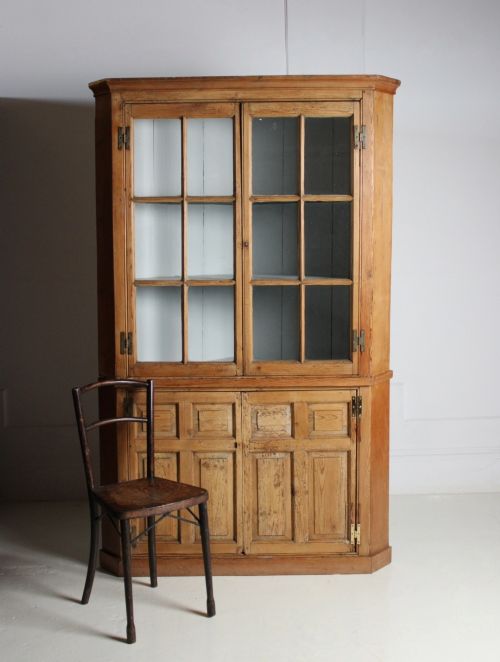
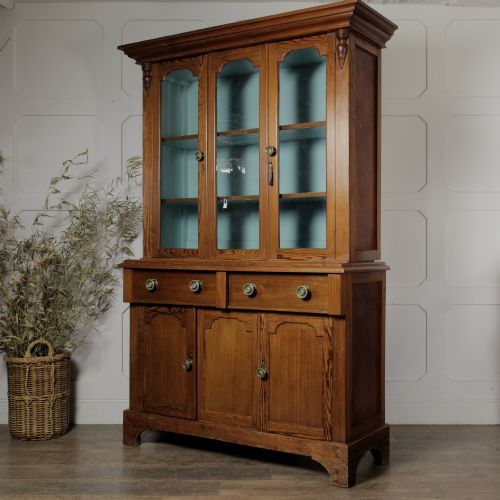
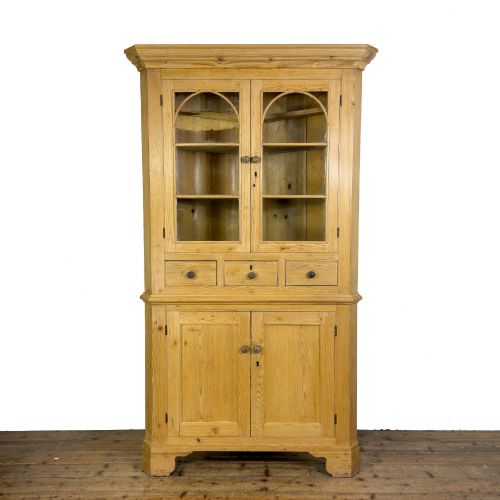
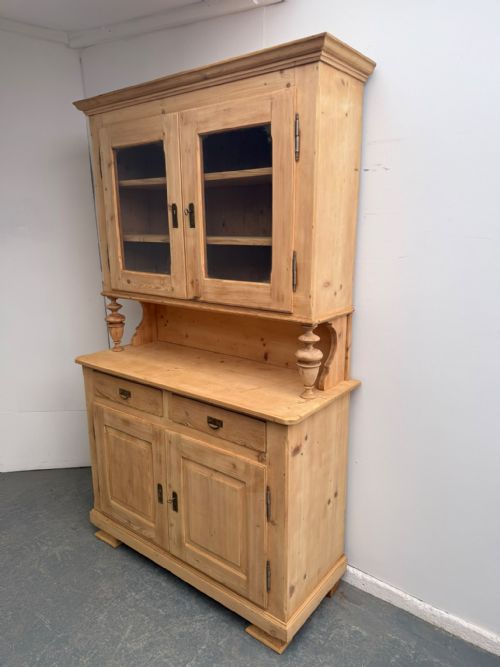
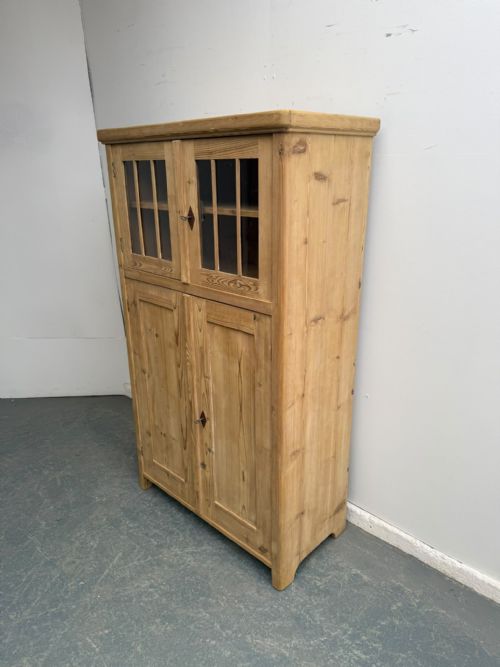
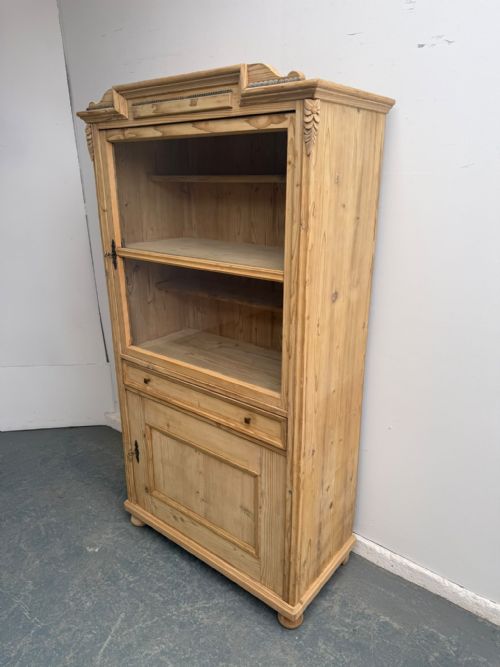
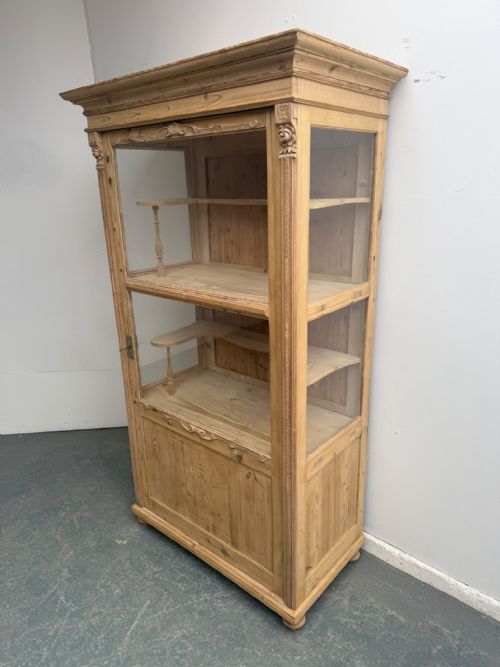
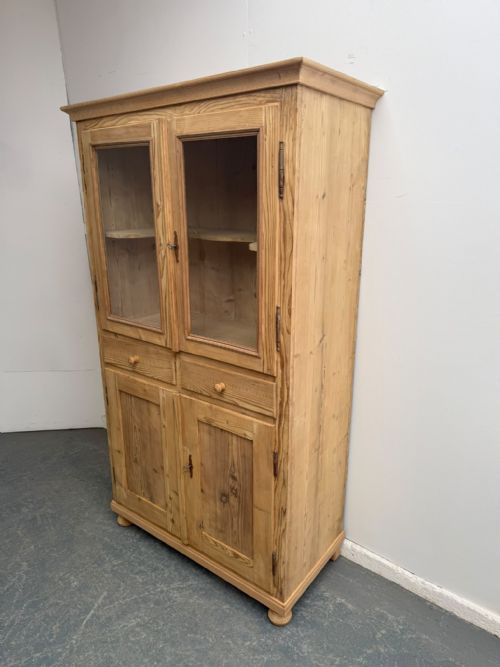
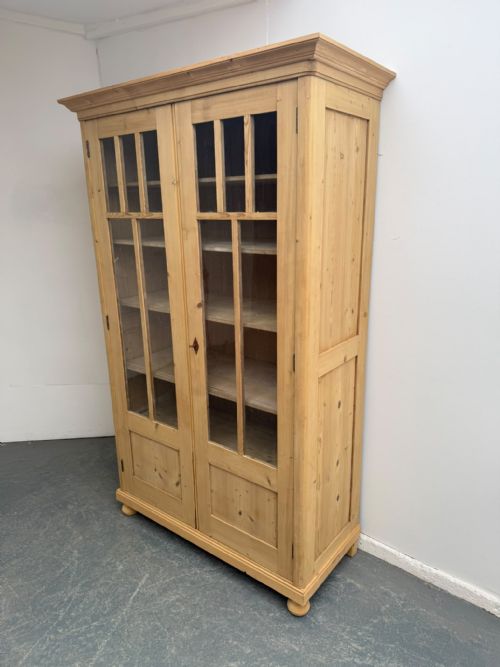
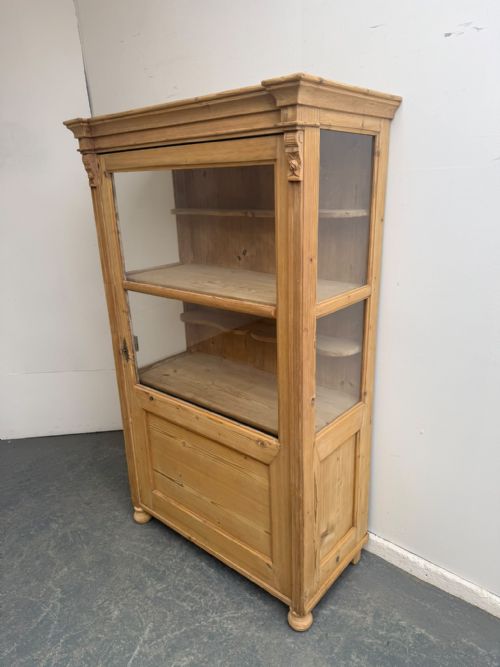


Stripped Pine Bookcase
Stripped pine bookcase items bring the warm grain and upright utility of nineteenth-century country furniture directly into modern rooms.
Stripped Pine Bookcase
A stripped pine bookcase search reveals tall storage units, corner cupboards, and glazed display cabinets originating from the nineteenth century. These pieces emerge in styles ranging from Victorian and rustic farmhouse to French and continental country variants.
Buyers most frequently encounter glazed storage cabinets and corner cupboards featuring pine and pitch pine construction. These functional items reflect the robust storage needs of nineteenth-century domestic interiors.
The inventory encompasses distinct regional forms, including English West Country dressers and Eastern European secretaire cabinets. Each piece demonstrates the utilitarian forms characteristic of nineteenth-century cabinet making.
Materials and construction
Construction relies primarily on pine and pitch pine timbers, providing a sturdy framework for tall storage cabinets and display units. Workshops built these pieces to withstand heavy daily use in domestic kitchens and living spaces.
Hardware elements incorporate brass and iron for hinges, handles, and structural reinforcement. Glass panels fitted into doors protect the interior contents while maintaining visibility for display purposes.
Some nineteenth-century pine cabinets retain hidden compartments tucked away behind secretaire drawers for secret correspondence.
Assessing quality in pine furniture
Quality differentiates itself through the scale and proportion of the timber frame, ranging from standard two-door display cabinets to substantial four-door storage units. Superior examples exhibit balanced architectural lines and well-proportioned cornices.
The refinement of the surface treatment alters the overall character of the piece, distinguishing items prepared for wax finishing from untreated structural timber. Original brass and iron fittings further elevate the integrity of the cabinet.
The Stripped Pine Bookcase Glossary
- Pitch pine
- A dense resinous pine variety utilised in nineteenth-century cabinet making for enhanced durability. It exhibits a prominent grain pattern.
- Secretaire
- A cabinet incorporating a pull-down writing drawer that conceals small compartments and pigeonholes. This form combines desk functions with standard storage.
- Glazed cupboard
- A storage unit featuring glass panes set into the doors to display books or ceramics. These cabinets protect contents from dust while remaining visible.
- Corner cabinet
- A specialised storage piece designed to fit neatly into the ninety-degree angle of a room. It maximises floor space in smaller domestic interiors.
- Victorian
- The period spanning the reign of Queen Victoria from eighteen thirty-seven to nineteen zero one. Furniture from this era encompasses diverse regional and revival styles.
Stripped Pine Bookcase: Frequently Asked Questions
What is a stripped pine bookcase?
A stripped pine bookcase is a nineteenth-century storage unit finished to expose the natural grain of the timber rather than retaining painted or dark varnished surfaces.
These pieces typically feature upright shelving or glazed doors designed for practical domestic use.
How do I date a pine bookcase?
Dating relies on examining construction methods, timber types such as pitch pine, and hardware details like brass or iron hinges.
Most examples originate from the Victorian era and nineteenth century, reflecting the manufacturing techniques of that period.
Where were these bookcases made?
The listings show pieces originating from English workshops, including the West Country, alongside continental European sources.
Regional differences appear in the mouldings, proportions, and specific pine varieties employed by local cabinet makers.
How should I care for stripped pine?
Maintaining stripped pine involves regular application of appropriate waxes to nourish the exposed wood grain and protect the surface.
Keeping the furniture away from direct heat sources prevents the timber from drying out or splitting over time.