
Victorian Pine Display Cupboard
A victorian pine display cupboard offers practical storage and glazed display space, combining domestic utility with the warm character of nineteenth-century timber.
Victorian Pine Display Cupboard
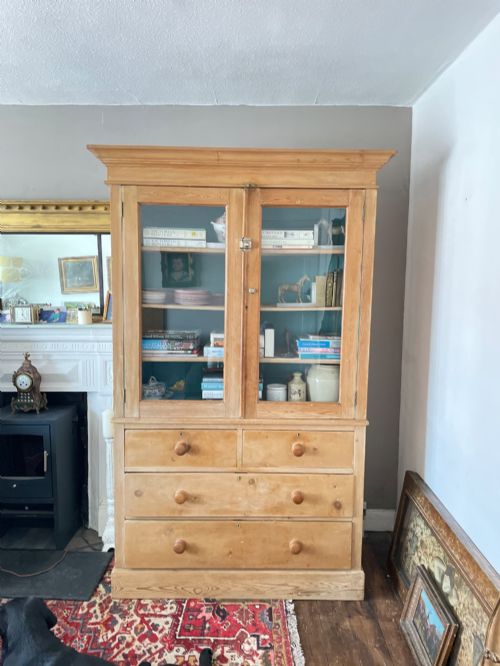
When you search for a victorian pine display cupboard, you encounter a variety of forms designed to showcase and store domestic items. These pieces span the nineteenth century and into the early twentieth century, originating from regions across England, Scotland, Ireland, and Hungary.
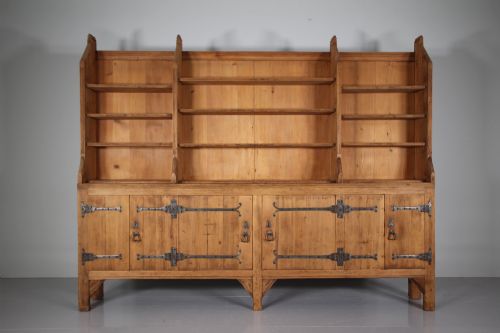
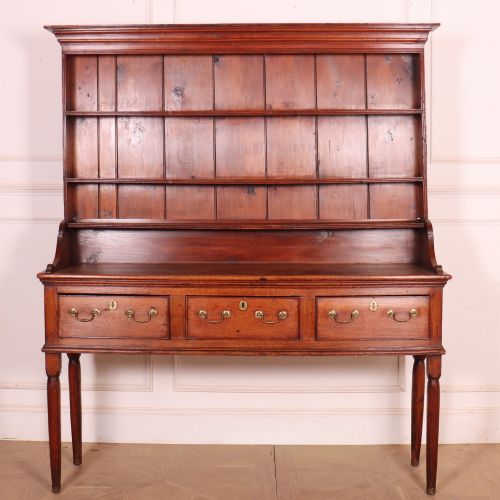
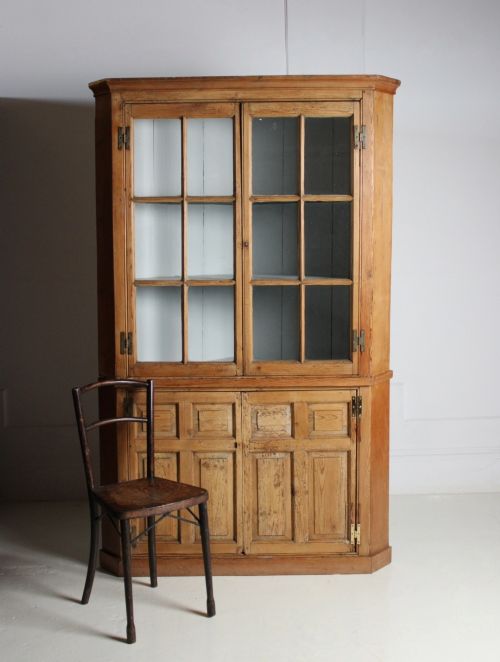
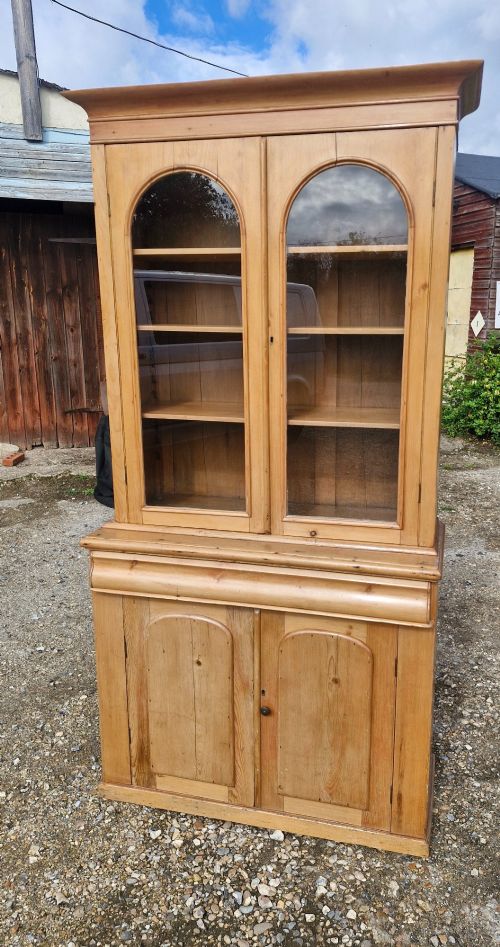
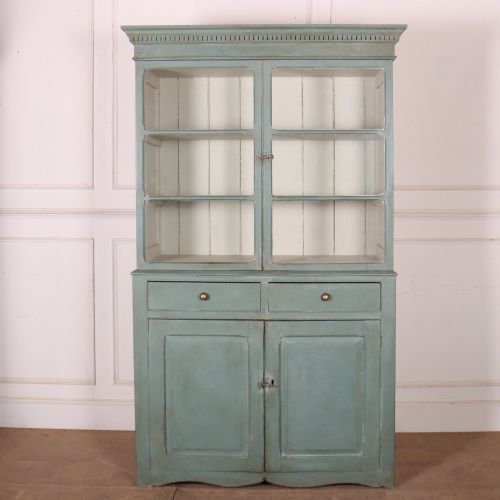
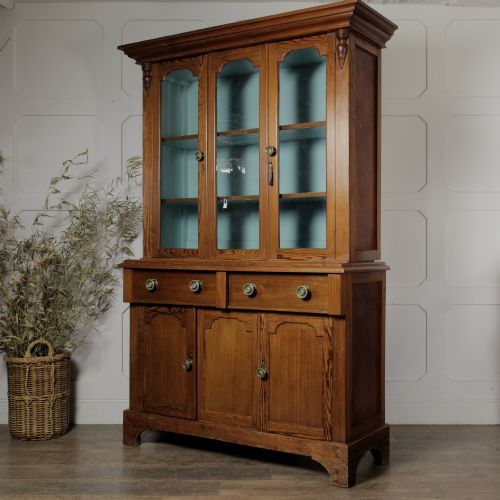
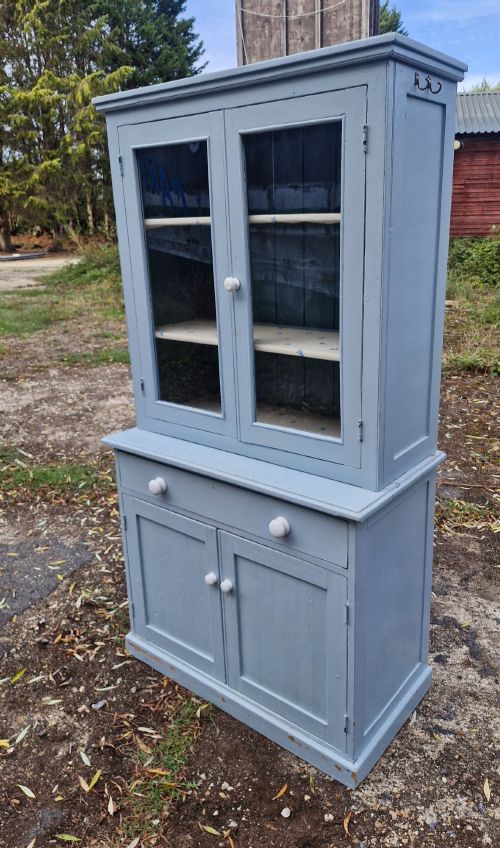
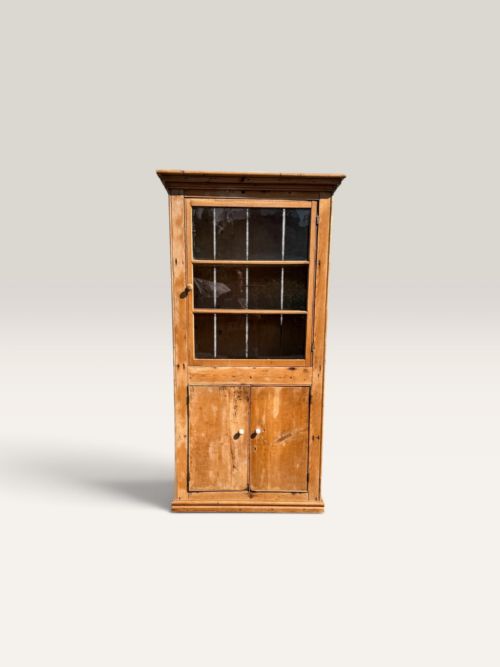
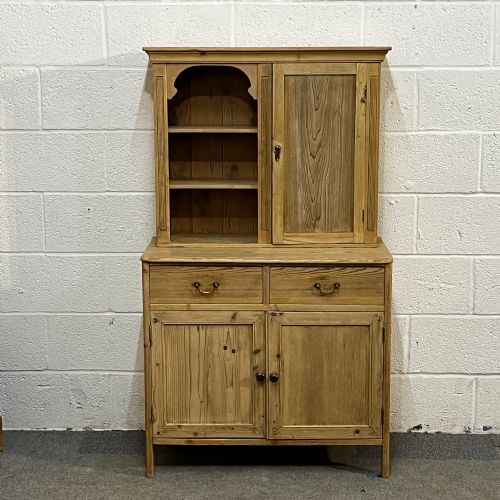
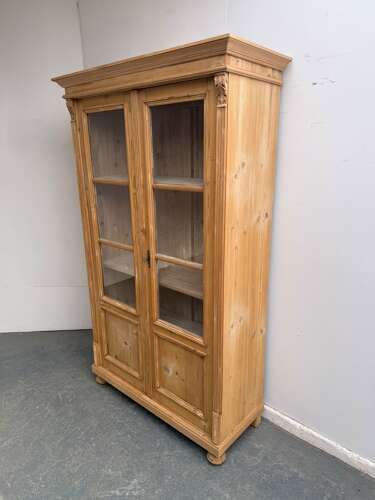
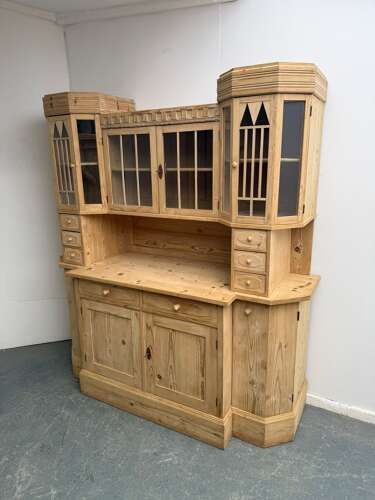
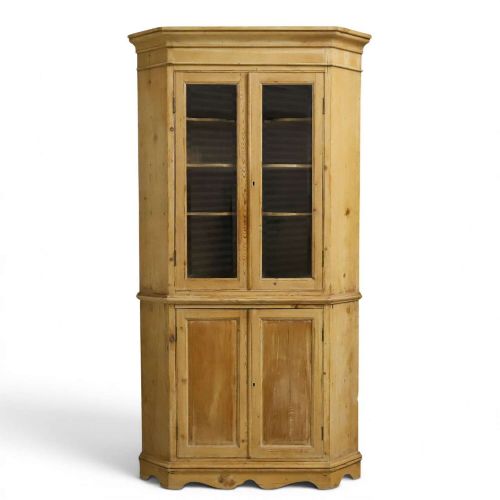
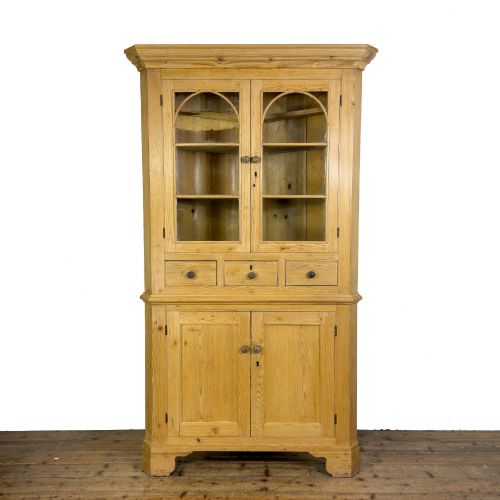
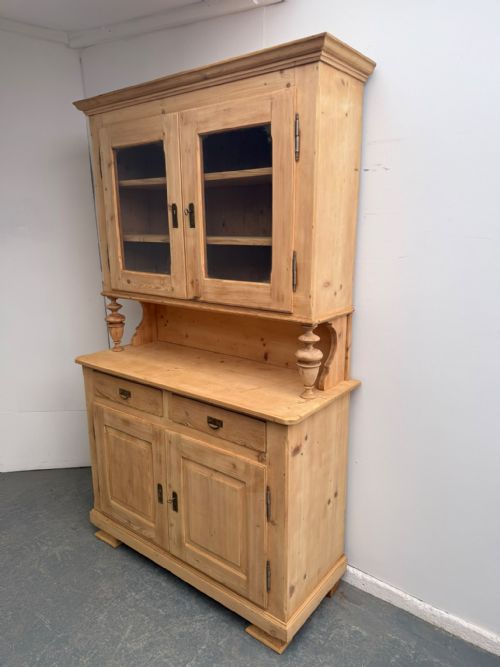
The selections on this page most commonly manifest as two-part kitchen dressers, glazed bookcases, and corner cabinets. You will also find specialised variants like shop fittings, chimney cupboards, and small wall-hanging or floor-standing storage units.
Styles range from straightforward rustic farmhouse and English country designs to Arts and Crafts interpretations and painted vernacular pieces. The structural makeup shifts between standard white pine, dense pitch pine, and occasionally accented secondary timbers.
Materials and Construction Methods
These cabinets rely primarily on solid pine and pitch pine, selected for workability and durability in domestic and commercial settings. Joinery methods reflect traditional workshop practices, utilising pegged mortise and tenon joints for structural stability.
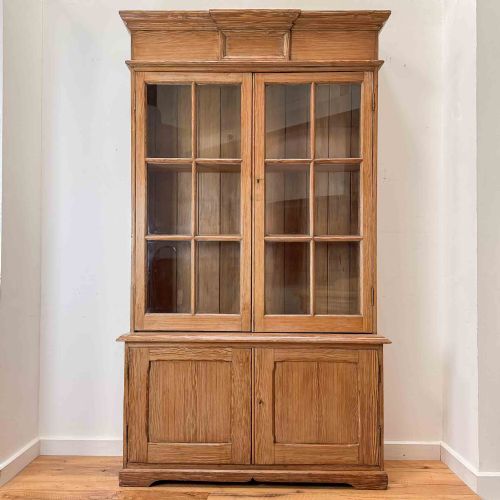
Glazing is a central feature, set into wooden doors using wooden glazing bars to create individual panes that protect contents while maintaining visibility. Hardware typically incorporates brass or iron hinges and latches, securing doors on larger two-part forms and corner cupboards.
Surface finishes vary significantly between historic treatments, with many examples retaining original paint, scrubbed surfaces, or wax over stripped pine. Interiors occasionally feature contrasting paint treatments, adding visual depth behind glass doors.
Listings here feature items constructed from standard pine, pitch pine, and oak, incorporating glass, brass, and iron elements.
Distinguishing Quality and Proportion
Quality in these pieces rests heavily on original proportions and the integrity of the timber. Cabinets that retain their original painted surfaces or undisturbed waxed patinas demonstrate superior historical value compared to heavily altered or over-restored examples.
Construction details differentiate standard utility furniture from finer workshops. Well-made glazed doors, original brass or iron hardware, and intact internal shelving systems indicate careful initial manufacture and thoughtful preservation.
The complexity of the form also dictates the tier of the piece, moving from simple single-door corner cupboards to elaborate multi-door glazed bookcases and large two-part dressers with intricate cornices.
The Victorian Pine Display Cupboard Glossary
- Pitch pine
- A dense, resinous variety of pine timber frequently utilised in nineteenth-century cabinetry for increased durability and prominent grain patterns.
- Glazed door
- A frame fitted with panes of glass designed to protect contents while allowing visibility inside the cabinet.
- Two-part form
- A piece of furniture constructed in upper and lower sections that separate for ease of transport and placement.
- Cornice
- The decorative moulded projection that crowns the top of a cabinet or bookcase.
- Scrubbed pine
- Timber surfaces cleaned repeatedly with water and scrubbing brushes, resulting in a pale, matte texture.
Victorian Pine Display Cupboard: Frequently Asked Questions
How do I clean a waxed pine cupboard?
Maintain waxed surfaces using a soft cloth and traditional beeswax polish to nourish the timber without building up excess residue. Avoid using modern aerosol sprays or excessive water, which can damage the historic patina.
Allow the wax to dry before buffing gently to a soft sheen. This preserves the character developed over the nineteenth century.
Are these cupboards suitable for modern kitchens?
These cabinets integrate well into contemporary kitchens, providing functional storage for crockery, glassware, or dry goods. Their glazed doors and shelving make them practical alternatives to modern fitted units.
Ensure you measure ceiling heights and floor space carefully, particularly with two-part dressers and tall bookcases. Freestanding placement allows flexibility in room layout.
How can I date a pine display cabinet?
Dating relies on examining construction techniques, hardware, and timber characteristics. Hand-cut dovetails, handmade glass with bubbles or ripples, and forged iron or brass fittings typically point to the nineteenth century.
Changes in style, from early Victorian proportion to later Arts and Crafts simplicity, also help narrow the period of manufacture. Look for signs of tool marks that indicate hand-tool use over mass machinery.
What is the difference between pitch pine and standard pine?
Pitch pine contains a higher resin content, making the timber heavier, harder, and darker in natural tone. It often exhibits a striking, highly figured grain pattern compared to the softer, lighter yellow pine commonly used in regional vernacular furniture.
This density made pitch pine particularly popular for robust architectural joinery and hardworking glazed storage cabinets.