

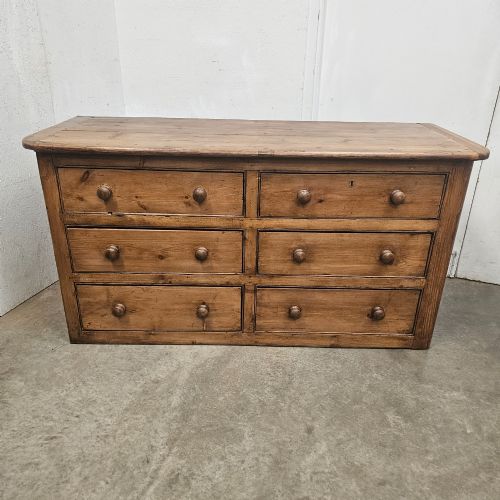
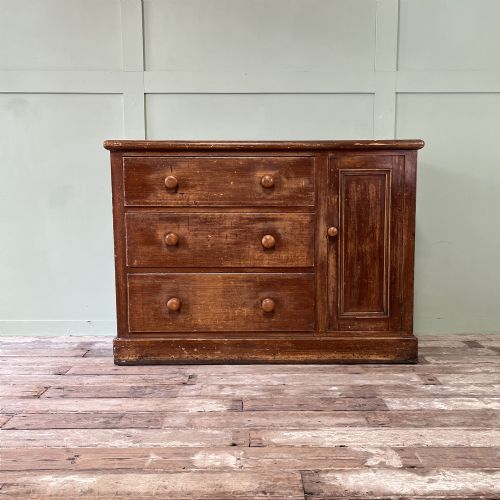
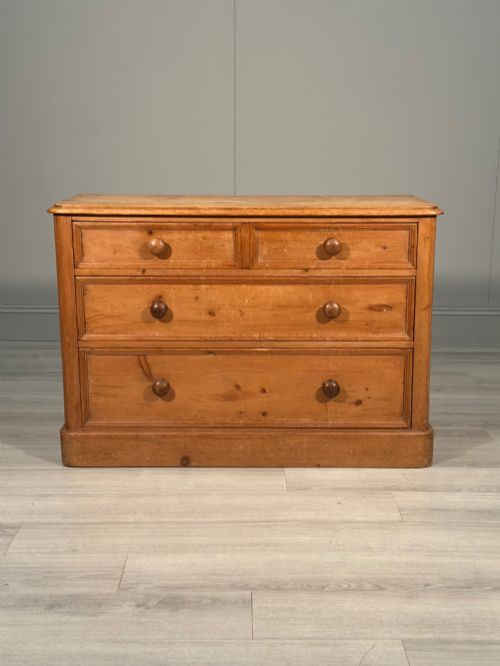
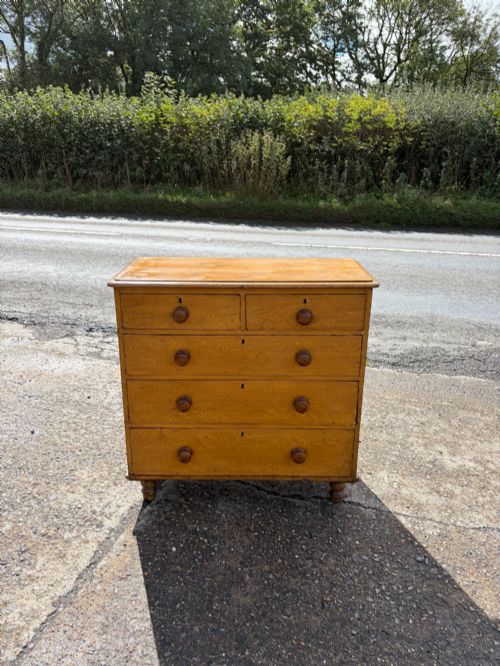
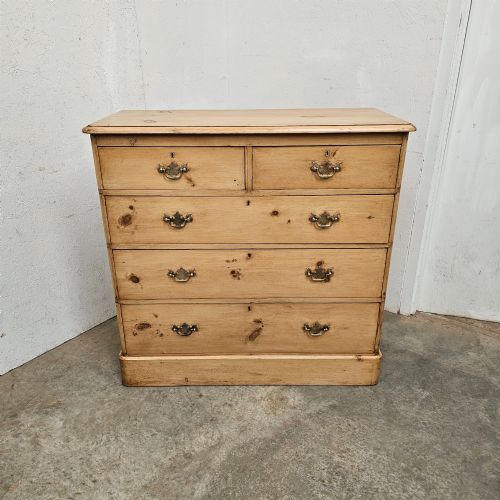
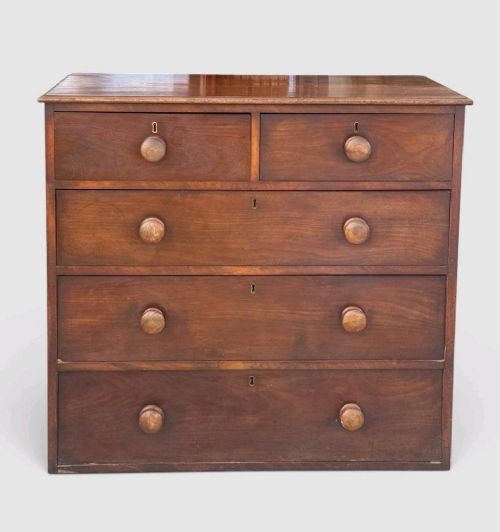
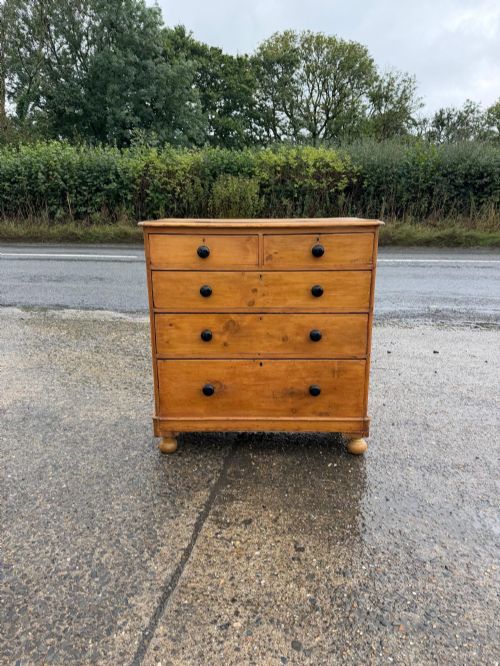
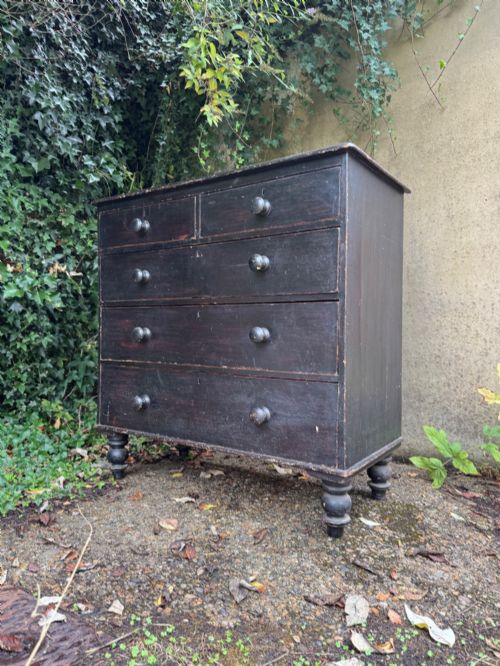
Victorian Pine Bedroom Dresser
A victorian pine bedroom dresser delivers practical storage built from honest softwood during the nineteenth century.
Victorian Pine Bedroom Dresser
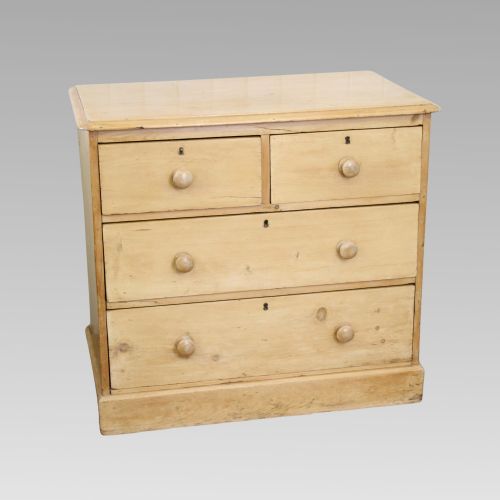
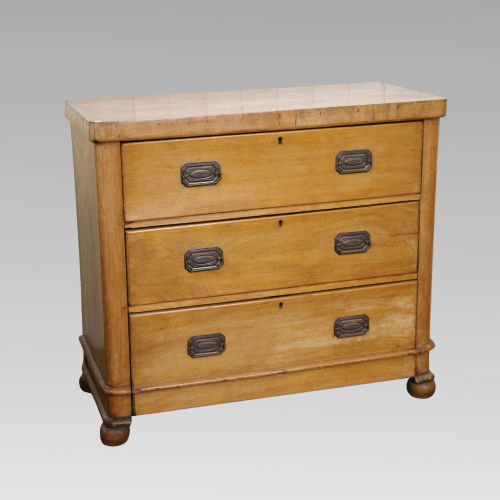
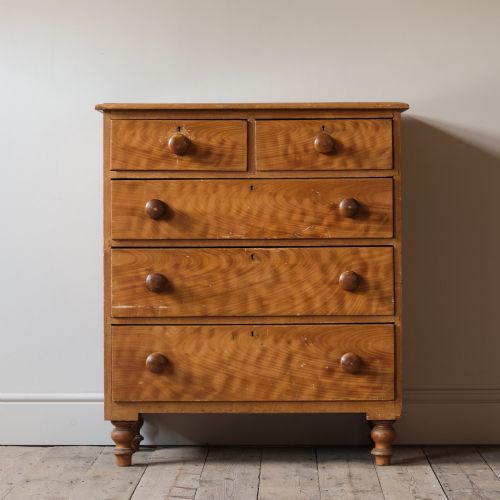
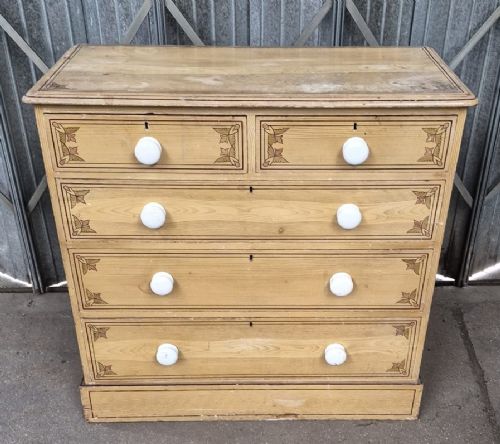
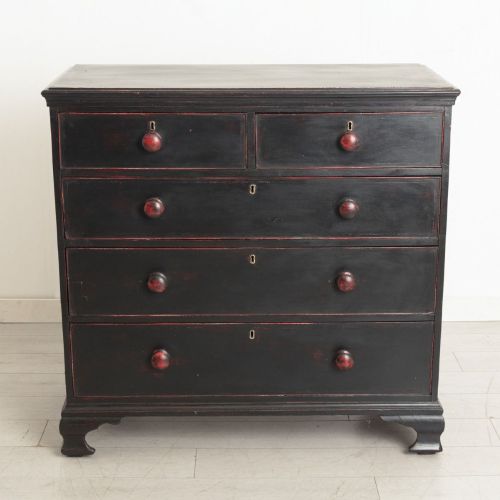
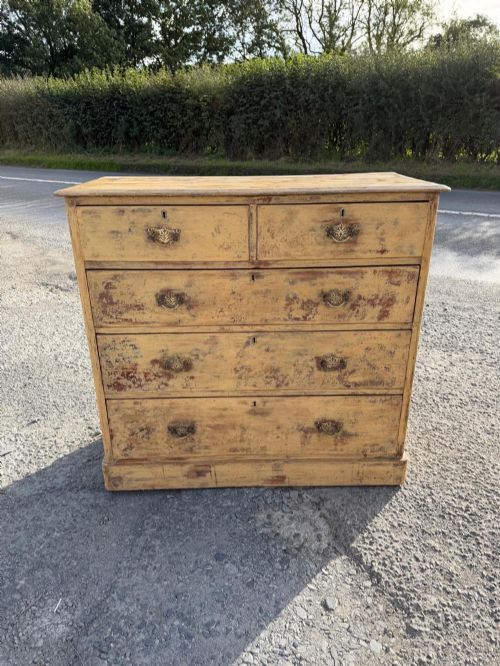
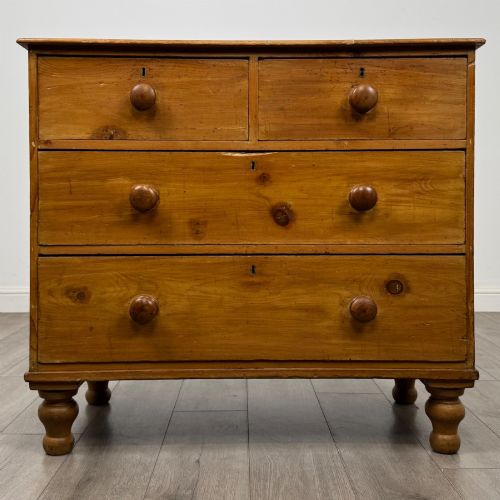
A victorian pine bedroom dresser typically manifests as a sturdy chest of drawers utilised for domestic storage throughout the nineteenth century and into the Edwardian era. You will encounter numerous variations ranging from compact three-drawer configurations to substantial two-over-three drawer layouts.
The domestic forms recorded on this page include standard chests of drawers, washstands, dressing tables, and linen presses. Many examples originate from English and Irish workshops, spanning periods from early nineteenth-century production through to eighteen-ninety and nineteen-hundred.
Rustic country interpretations sit alongside more stylised urban furniture, providing versatile bedroom storage. Plain utilitarian pieces share space with decorated forms showing regional characteristics.
How they were made
Makers constructed these carcases primarily from solid pine and pitch pine, occasionally selecting oregon pine for specific commissions. Iron and brass hardware such as bun handles and drawer pulls secured the fronts.
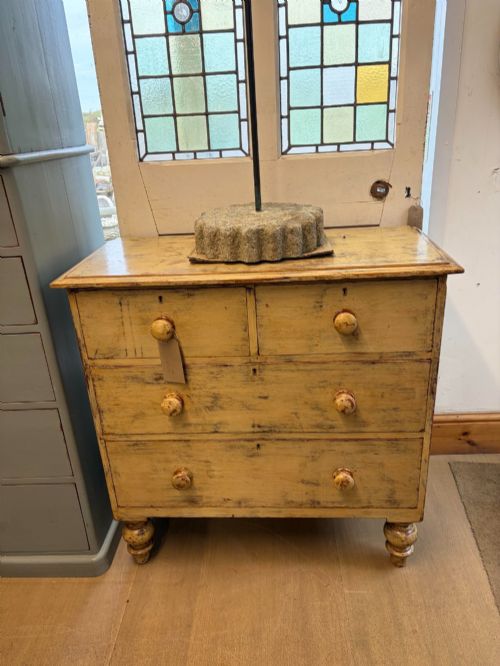
Surface finishes applied to the timber varied widely between waxed treatments, scrubbed plain pine, and applied coats of original paint. Certain specialist workshops utilised faux bamboo turnings and decorative painting techniques to mimic exotic hardwoods.
Victorian Pine Bedroom Dresser Retail Price Guide 2026
Typical asking prices for victorian pine bedroom dresser among the pieces listed under this phrase on Sellingantiques today, from the lower quarter to the upper quarter. They describe what is for sale here now, not the wider market.
Makers occasionally painted ordinary softwood to resemble exotic bamboo, convincing fingers until touched.
What varies in quality
The standard of construction depends upon the selection of timber and the precision of the drawer joints. Pieces fashioned from dense pitch pine or older straight-grained softwood retain greater structural integrity over decades of domestic use.
Surfaces finished in untouched original paint or rich historical wax patination carry distinct aesthetic merit compared to modern stripped timber. Elaborate decorative treatments, including Aesthetic Movement styling or faux bamboo moulding, distinguish superior pieces from utilitarian items.
Howard and Sons
The Victorian Pine Bedroom Dresser Glossary
- Pitch pine
- A resinous North American and European timber utilised for robust nineteenth-century furniture carcases. It yields a strong, heavy board with prominent grain patterns.
- Faux bamboo
- A decorative turning technique applied to softwood to imitate oriental bamboo stems. This finish gained popularity during the Victorian Aesthetic Movement.
- Scrubbed pine
- Timber surfaces washed thoroughly with soap and water to create a pale, matt finish. This treatment removes old finishes and exposes the raw grain.
- Washstand
- A low bedroom cabinet designed to hold a ceramic basin and jug for morning ablutions. These pieces frequently incorporate low splashbacks or marble tops.
- Bun handle
- A small, rounded wooden knob turned on a lathe and fixed to drawer fronts. They appear commonly on Victorian country furniture.
Victorian Pine Bedroom Dresser: Frequently Asked Questions
What is a victorian pine bedroom dresser?
A victorian pine bedroom dresser is a nineteenth-century storage unit, most commonly found as a chest of drawers or washstand. These items provided essential clothes and linen storage in period bedrooms.
Craftsmen built them primarily from softwoods like pine and pitch pine, finishing them with wax, paint, or scrubbed surfaces.
How do I clean waxed pine furniture?
Clean waxed pine surfaces gently using a soft, dry cloth to remove dust. Avoid harsh chemical cleaners that strip the historic wax patination.
Apply a traditional beeswax polish sparingly when the wood appears dry, buffing it gently to maintain the protective sheen.
How can I date a pine chest?
Dating relies on examining construction methods, hardware, and surface treatments. Early pieces from eighteen-fifty often feature handmade dovetails and simpler timber framing.
Later Victorian and Edwardian examples incorporate machine-sawn components and different handle styles, such as turned wooden buns or stamped brass.
Were these dressers originally painted?
Many nineteenth-century pine pieces received coats of paint for domestic use or decorative effect. Original paint surfaces survive on country pieces and Aesthetic Movement items.
Some examples were stripped in later decades to expose the raw pine underneath, altering their original appearance.