


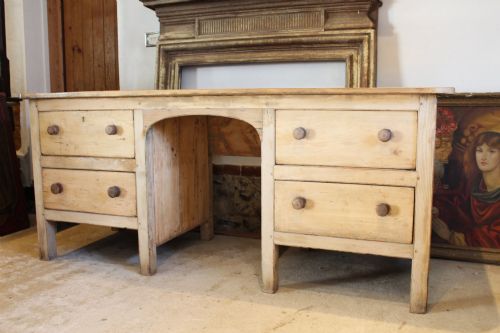
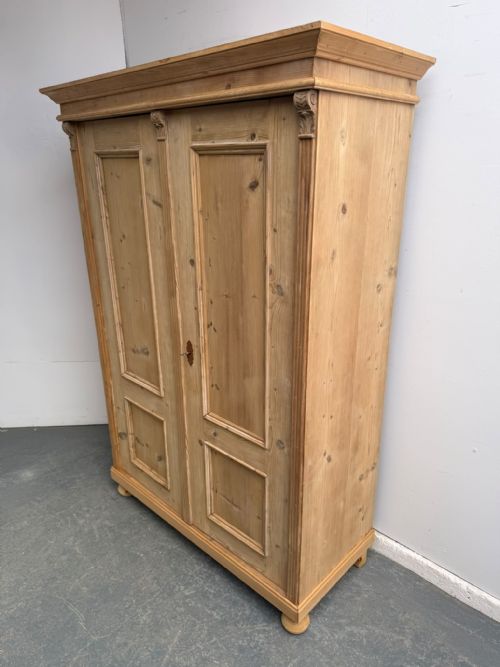
Natural Pine Furniture
Natural pine furniture brings practical utility and warmth to a room, offering sturdy chests of drawers and dining tables built to last.
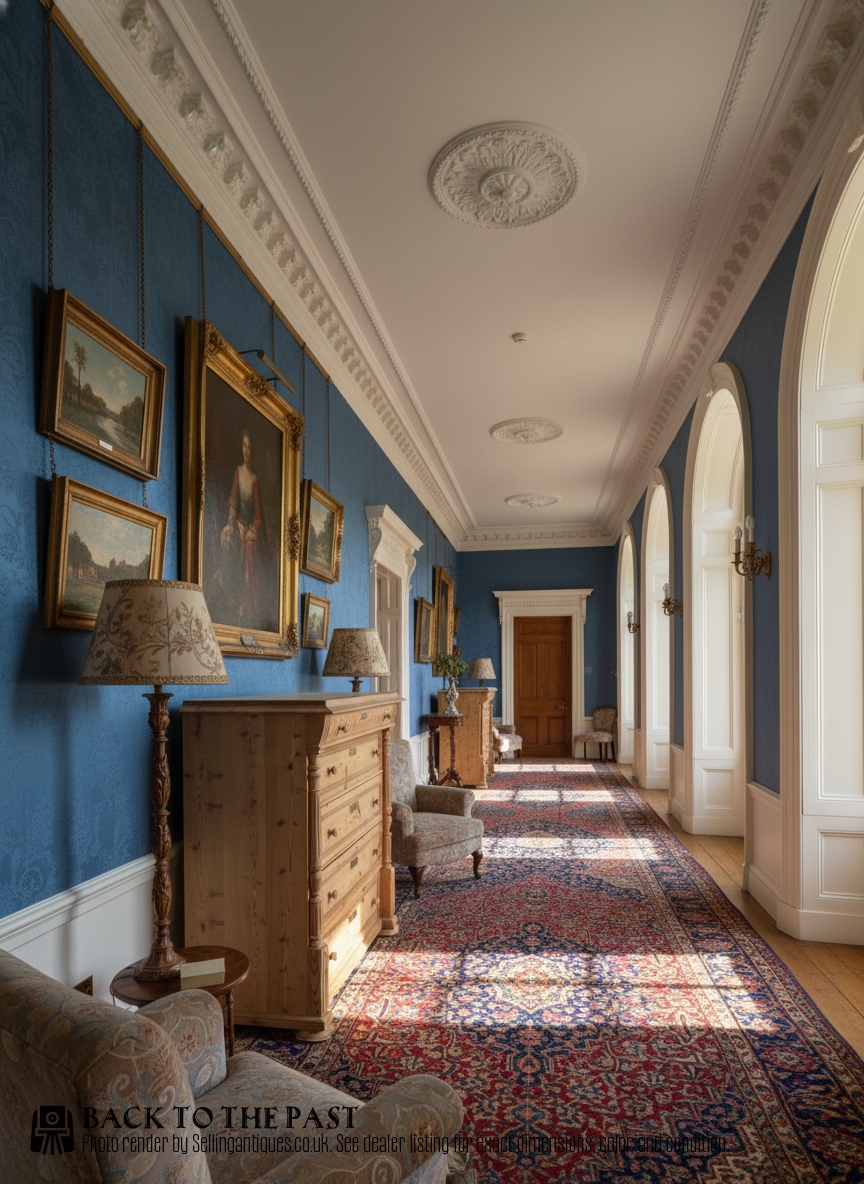
Natural Pine Furniture
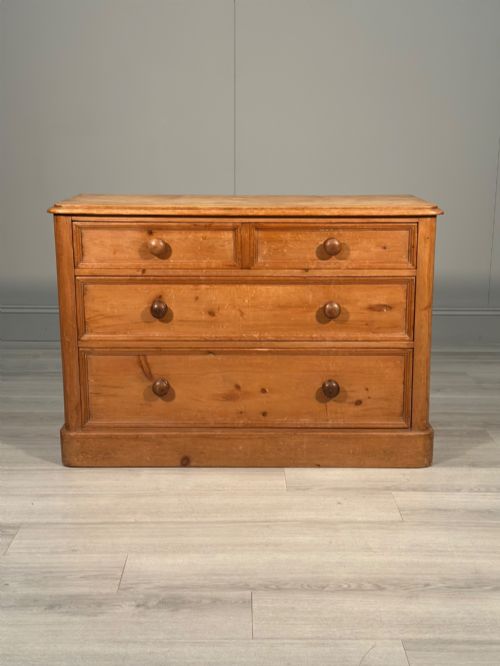
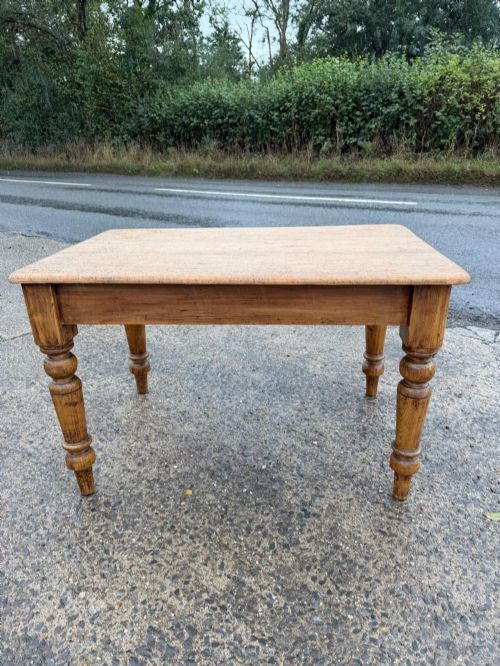
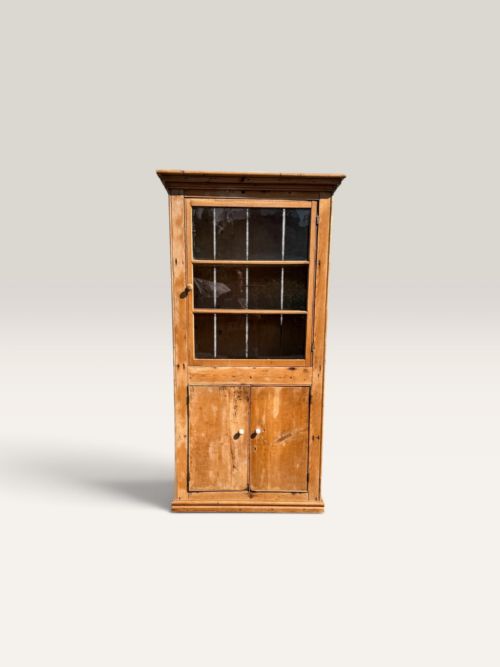
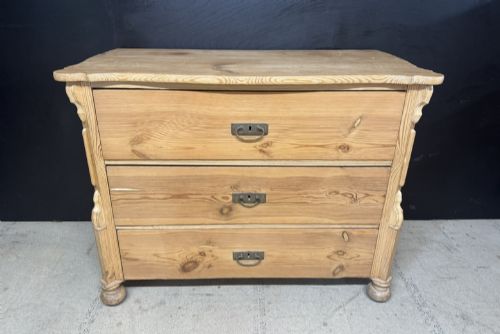
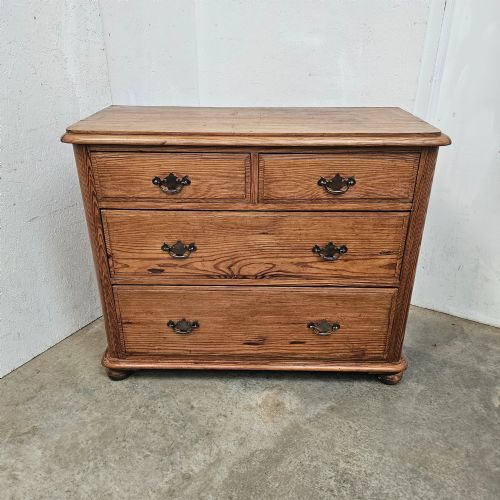
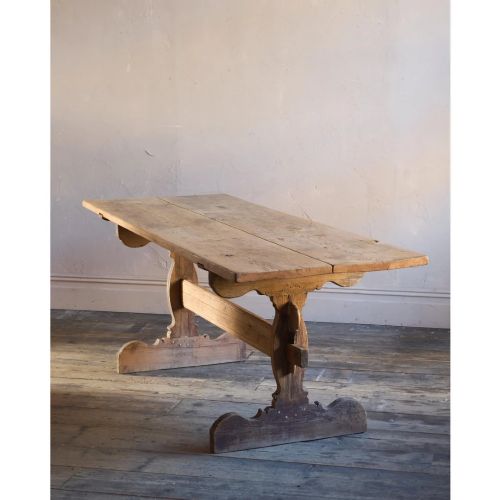
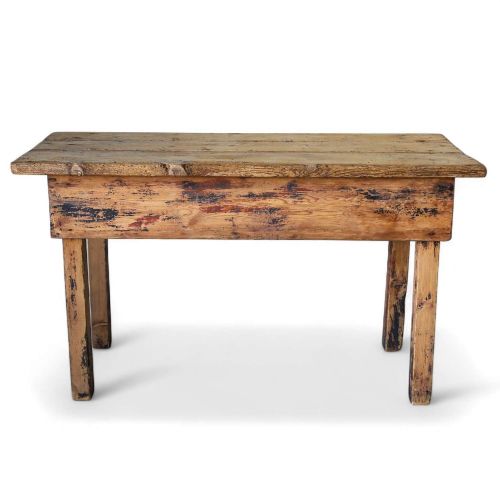
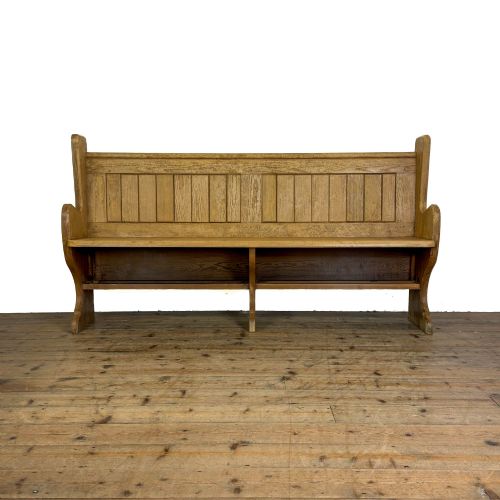
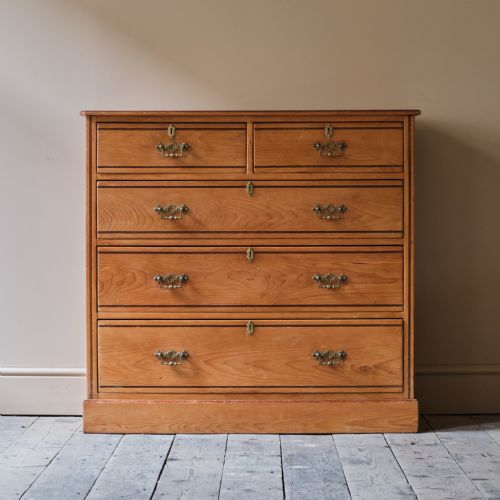
Natural pine furniture encompasses a practical range of domestic and utilitarian pieces designed for everyday household service. Buyers hunting for natural pine furniture will frequently encounter nineteenth century and Victorian chests of drawers, alongside sturdy farmhouse tables and storage cupboards.
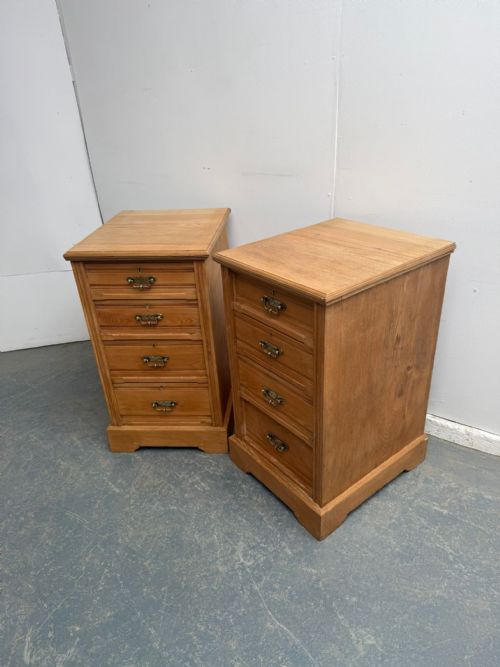
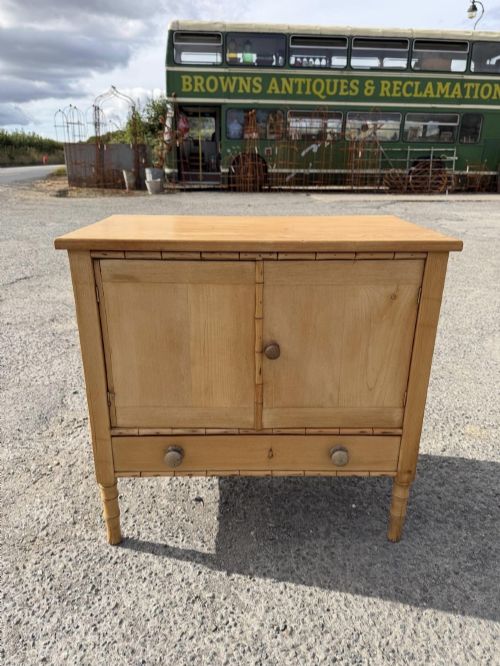
The selection spans various regional and international origins, including English, Welsh, Scottish, Scandinavian, and Hungarian pieces. Common forms range from bedside cabinets and washstands to large wardrobes, dressers, and kitchen racks.
Domestic utilitarian objects dominate the selection, reflecting a history of practical use in kitchens, bedrooms, and halls. These pieces bridge the gap between simple rustic utility and distinct period styles like Arts and Crafts and the Aesthetic Movement.
Materials and Construction
Makers utilised softwoods primarily, with standard pine, pitch pine, and oregon pine forming the main structural bodies of these items. Secondary woods such as ash, sycamore, and metal hardware like brass or iron appear in specific designs and fittings.
Surface treatments vary from waxed finishes to stripped timber surfaces left ready for painting or waxing. Construction techniques involve traditional joinery adapted for domestic use, utilising turned legs, panelled doors, and dovetailed drawers.
The inventory records nineteenth century, Victorian, and Edwardian periods, utilising materials including pine, pitch pine, iron, brass, and ceramic.
Judging Quality in Pine
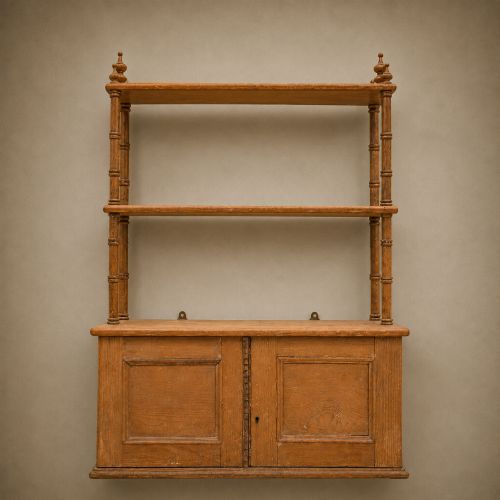
The distinction between ordinary utility items and finer pieces lies in the proportion, detailing, and integrity of the timber. Better examples exhibit thoughtful joinery, such as columned pilasters or bobbin turned legs, rather than purely utilitarian slab construction.
Proportion and scale dictate the visual weight of a piece in a modern interior, with superior items maintaining balanced dimensions. The treatment of the wood surface - whether retaining an original waxed patina or showing careful timber selection - separates standard workshop output from exceptional furniture.
The Natural Pine Furniture Glossary
- Pitch Pine
- A dense, resinous variety of pine timber often utilised for durability in nineteenth-century furniture. It is known for a prominent grain pattern and heavier physical weight.
- Cricket Table
- A small, lightweight occasional table typically featuring three splayed legs and a round top. This traditional form provided stability on uneven cottage floors.
- Washstand
- A dedicated bedroom item designed to hold a wash basin and jug, frequently incorporating marble or tile tops and low splashbacks. These pieces date predominantly to the Victorian and Edwardian periods.
- Frieze
- The architectural section situated immediately below the upper moulding or top surface of a table or cabinet. Drawers are frequently integrated into this zone on dining and side tables.
Natural Pine Furniture: Frequently Asked Questions
How do I date antique pine furniture?
Dating relies on construction methods, hardware types, and stylistic hints linked to periods like the Victorian era or early twentieth century. Dovetail joints cut by hand, specific handle designs, and secondary timbers offer clear chronological clues.
Examining the tool marks and overall wear patterns helps separate nineteenth-century workshop pieces from later reproductions. Regional variations in vernacular furniture also assist in narrowing down the decade of manufacture.
Is pine furniture durable for daily use?
Pine is a softwood that absorbs knocks and scuffs easily, yet centuries of survival prove its underlying resilience. Many pieces were built for rigorous kitchen or farmhouse duties and remain structurally robust.
Maintenance involves applying appropriate waxes to nourish the timber and protect against moisture. Minor dents often add to the character of utilitarian items rather than detracting from their utility.
Should I wax or paint my pine piece?
Many listings offer items in a stripped state or finished with traditional wax, leaving the decision to the buyer. Waxing enhances the natural grain and deepens the honey tones of aged softwood over time.
Painting suits pieces that have lost their original finish or require integration into a specific interior colour scheme. Historic painted surfaces, however, deserve preservation to retain their original aesthetic value.
What styles influence antique pine furniture?
Vernacular country traditions heavily influence these pieces, reflecting regional needs rather than strict high-style architectural dictates. Elements from the Arts and Crafts movement and Aesthetic Movement occasionally appear in later nineteenth and early twentieth-century examples.
Scandinavian and Hungarian workshops introduced distinct painted finishes and columned details that differ from standard British farmhouse designs. These stylistic overlaps make pine surprisingly varied across different European regions.