


Victorian Pierced Silver Frame
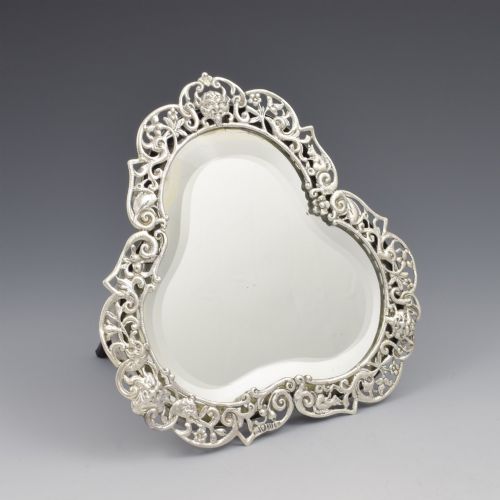
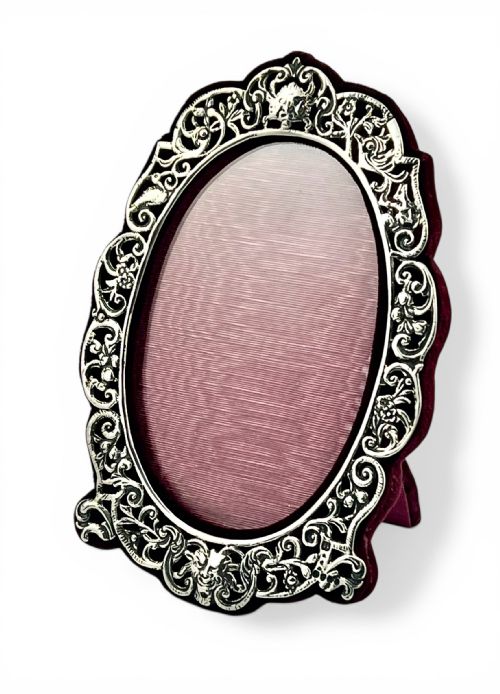
A victorian pierced silver frame brings remarkable craftsmanship to family portraits, combining openwork metal with rich textiles and bevelled glass.
Victorian Pierced Silver Frame
When you search for a victorian pierced silver frame, you encounter items designed to display photographs and tabletop reflections. These pieces typically originate from the late nineteenth century, spanning decades such as the eighteen-eighties and eighteen-nineties.
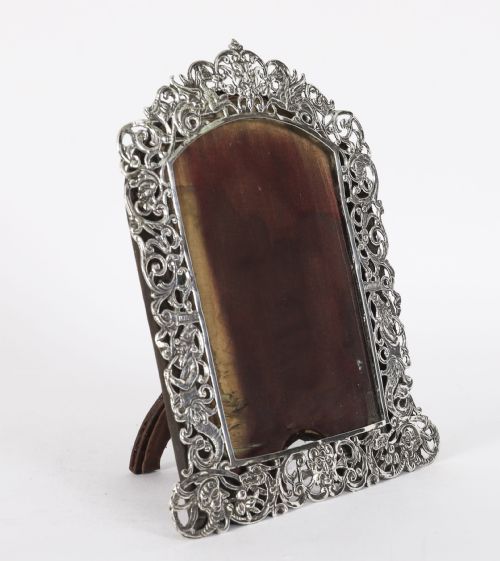
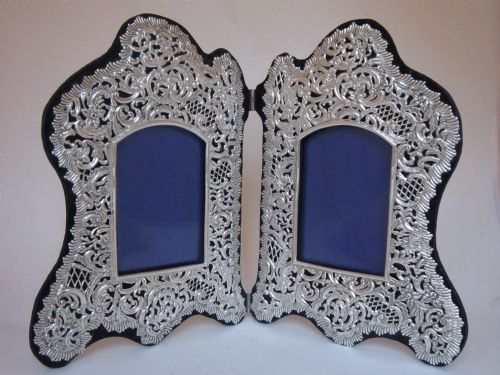
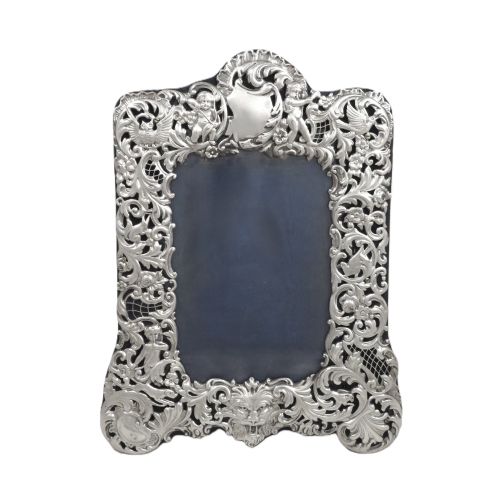
While picture frames and photo frames dominate, the category also extends to easel mirrors, dressing table mirrors, and occasional cruet stands. Most examples rely on openwork metal designs, often featuring motifs like birds, animals, and cherubs.
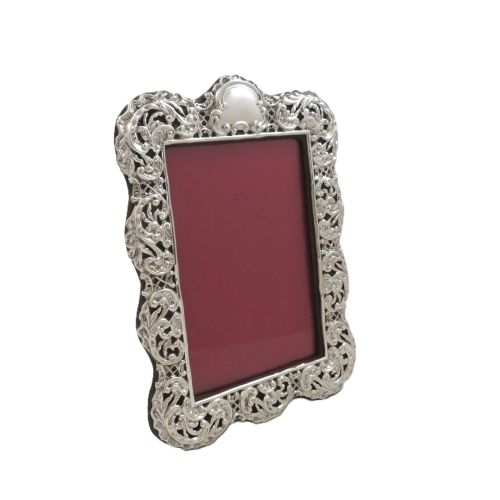
The objects frequently incorporate textile backs, wooden supports, and velvet linings alongside glass panels. These combinations serve both structural and decorative functions, ensuring stability on a table while framing a portrait.
Materials and construction methods
Sterling silver forms the primary metal structure of these items, shaped through piercing and embossing techniques. Artisans also utilise gilt silver on select pieces to introduce contrasting surface tones.
Interior elements incorporate cut glass, wood, and textile components such as velvet to support the metal work. Leather panels frequently provide a backing material behind the glass and silver front.
Listings feature items from the eighteen-seventies through to nineteen hundred, encompassing Victorian and Edwardian periods alongside Rococo Revival styles.
Assessing quality in pierced silverwork
Quality rests on the crispness of the pierced and embossed details, particularly where motifs like cherubs, birds, and animals appear. Finer examples display deep relief work and precise hand-piercing that retains structural strength.
The integrity of the supporting elements matters significantly. Superior items retain their original bevelled glass, sound wooden backs, and intact velvet or textile linings.
Rosenthal, Jacob and Co.·Elkington and Co.·Henry Matthews·William Hutton and Sons·Philip Ashberry·Comyns
The Victorian Pierced Silver Frame Glossary
- Pierced silver
- Metalwork cut through to create open patterns and decorative motifs. This technique lightens the object while allowing underlying velvet or backing materials to show through.
- Sterling silver
- An alloy containing a high proportion of pure silver mixed with other metals for durability. This standard appears across the vast majority of nineteenth-century frames.
- Easel mirror
- A freestanding looking glass supported by a hinged prop at the back. These objects allow the viewing angle to be adjusted on a dressing table.
- Bevelled glass
- A pane with edges ground and polished at an angle. This treatment creates a prismatic border that catches the light around a photograph.
- Embossing
- A technique where metal is raised from the reverse side to form three-dimensional designs. It frequently accompanies pierced work to add depth to animal and human figures.
Victorian Pierced Silver Frame: Frequently Asked Questions
How do I clean a silver frame?
Clean the silver using a soft cloth and a dedicated silver polish, taking care to avoid any fabric backs or glass panels. Gentle handling preserves the embossed and pierced details without wearing down the metal.
Prevent polish residue from lodging in the openwork areas by using a small brush for removal. Regular, careful dusting often reduces the need for heavy chemical cleaning.
Are these frames meant for wall hanging?
Most of these pieces function as tabletop items rather than wall hangings. They rely on hinged wooden or leather easels to support their weight at an angle.
Hanging them directly usually requires specialist hardware modifications because the original supports are engineered solely for surface placement.
What backs did they originally have?
Original backs typically consist of wood covered in velvet, leather, or textile materials. These components secure the photograph and the glass pane within the silver mount.
Replacements are common due to age, so matching materials help maintain historical consistency.
How do I date a piece?
Dating relies heavily on hallmarks stamped into the silver, which indicate the assay office and year of production. Stylistic clues like Rococo Revival motifs or Art Nouveau influences also point to specific decades.
Examining the construction of the easel back and the type of glass provides additional chronological context.