


Decorative Tabletop Photo Frame
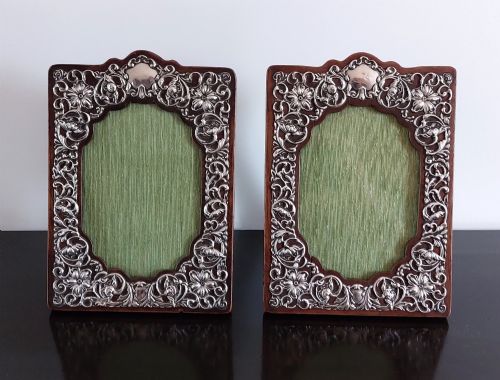
These decorative tabletop photo frame examples bring period character to a room, offering genuine craftsmanship from the late nineteenth and early twentieth centuries.
Decorative Tabletop Photo Frame
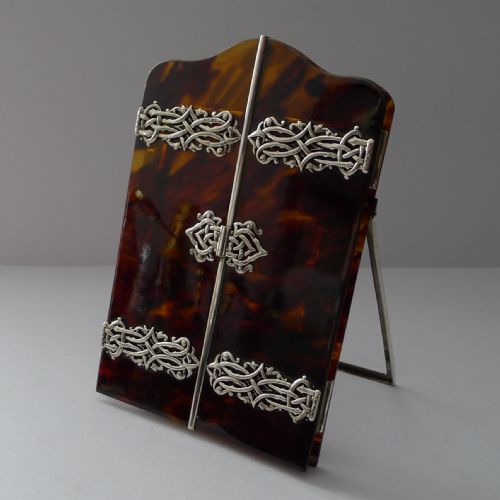
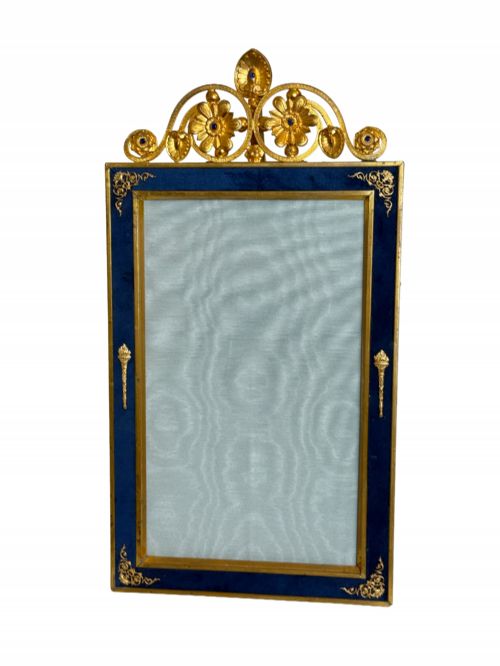
Makers fashioned these pieces to stand independently using rear struts, often featuring glass panels to protect the image within. Examples range from simple geometric shapes to ornate French Empire and Aesthetic movement designs. Many incorporate velvet backings and fine interior mats to frame the photographic subject properly.
How they were made
Silversmiths and metalworkers shaped sterling silver, pewter and gilt bronze to form the primary structure of these frames. Many pieces combine sterling silver mounts with rich organic materials like tortoiseshell and velvet inserts. Glass front panels protect the paper watercolours or photographs housed inside.
Gilding techniques applied gold finishes to bronze and silver bases, creating the rich metallic sheens seen in French Chateau and Victorian examples. Paste stones and blue enamel trims were occasionally set into the metal mounts for added visual depth. Structural integrity relied on sturdy backing boards covered in fabric and supported by hinged metal stands.
The listings on this site span the Victorian, Edwardian, and Art Deco periods, featuring materials such as sterling silver, gilt bronze, tortoiseshell, and pewter.
What varies in quality
The distinction between ordinary and exceptional frames lies in the crispness of the metalwork and the quality of the materials used. Superior pieces feature detailed cast bronze ornamentation, heavy sterling silver gauges and genuine tortoiseshell rather than imitation substitutes. The precision of the joinery and the finish of the rear support strut also signal higher standards of manufacture.
Artistic ambition separates standard commercial output from pieces associated with named retailers like Hardy Brothers or distinct artistic movements. The integration of specialty components, such as paste stone embellishments or watercolour inserts, elevates the overall execution. Well-preserved original glass and intact velvet linings preserve the integrity of a superior example.
Hardy Brothers
The Decorative Tabletop Photo Frame Glossary
- Sterling silver
- A silver alloy containing ninety-two point five percent pure silver by mass, valued for its durability and lustre. It forms the structural body of many upscale picture frames.
- Tortoiseshell
- A material derived from the shell of large sea turtles, utilised as an overlay on backing panels. It provides a rich, mottled brown and amber pattern behind silver mounts.
- Gilt bronze
- Bronze metal treated with a gold application to produce a brilliant metallic finish. This technique was favoured in French decorative arts.
- Aesthetic movement
- A late nineteenth-century design philosophy that emphasised visual beauty over narrative content. Frames from this style often feature distinctive floral or linear motifs.
- Paste stone
- Cut and polished glass used to imitate gemstones in decorative metal mounts. It adds sparkle and colour to the borders of antique frames.
Decorative Tabletop Photo Frame: Frequently Asked Questions
How do I display an antique frame safely?
Place the frame on a stable, flat surface away from direct sunlight and excessive moisture to protect delicate materials like velvet and tortoiseshell. Ensure the rear support strut is adjusted correctly to prevent tipping.
Avoid high-traffic areas where the frame might be easily knocked over. Regular, gentle dusting with a soft, dry cloth will keep the metal and glass surfaces clean without harming the antique finish.
How can I tell a Victorian frame from an Art Deco one?
Victorian frames typically display ornate floral motifs, heavy cast ornamentation and rich combinations of sterling silver and tortoiseshell. They often reflect revival styles and romantic aesthetics.
Art Deco frames, by contrast, favour clean geometric lines, streamlined profiles and precise symmetry. The materials and typography associated with them reflect the modern design sensibilities of the nineteen-thirties.
What materials were commonly used for backing these frames?
Velvet and paper were frequently utilised to cover the wooden or card backing boards of antique frames. These soft textures provided a neat finish when the frame was viewed from behind.
Finer examples combined fabric-covered panels with sturdy hinged metal struts to support the weight of the metal and glass front. The survival of original backing materials adds significant character to an antique piece.