

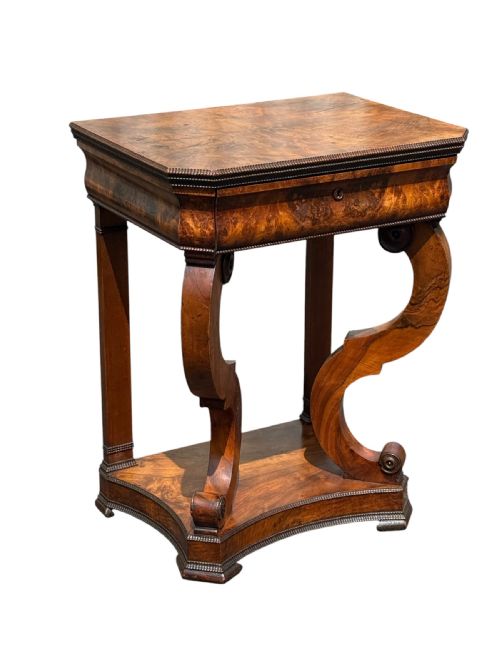
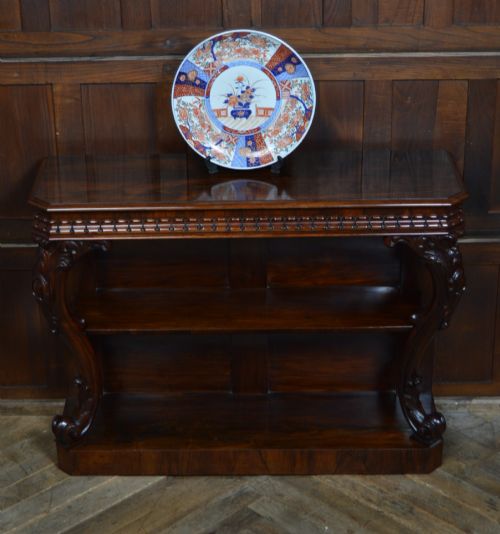
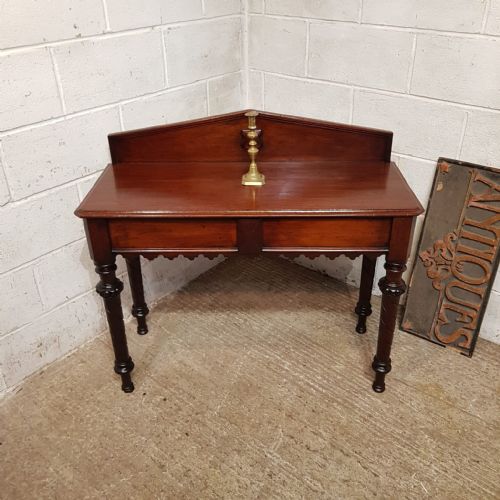
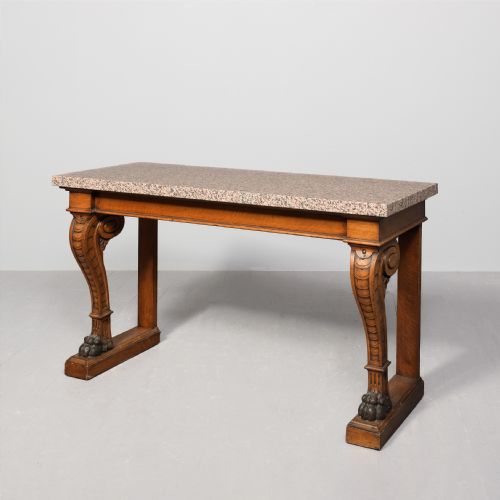
Victorian Pier Table
When you search for a victorian pier table, you enter a world of architectural console furniture designed to anchor a room.
Victorian Pier Table
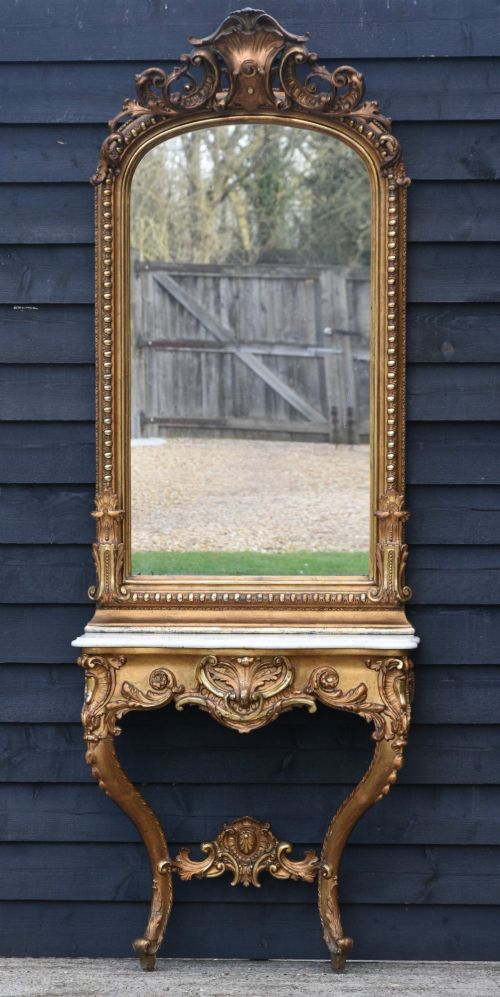
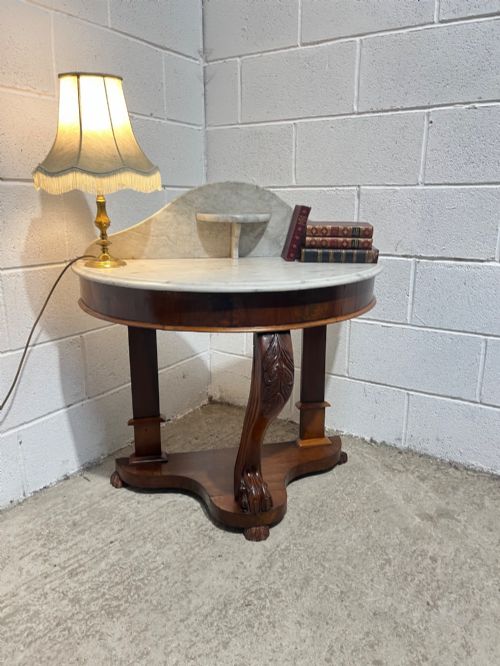
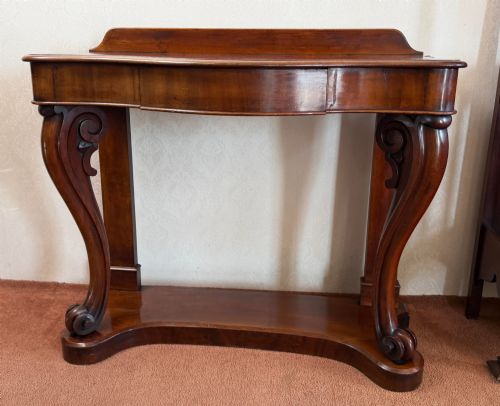
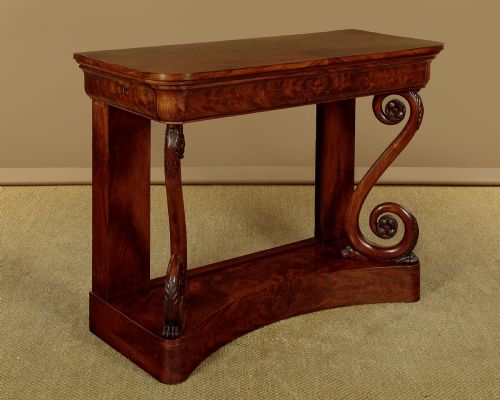
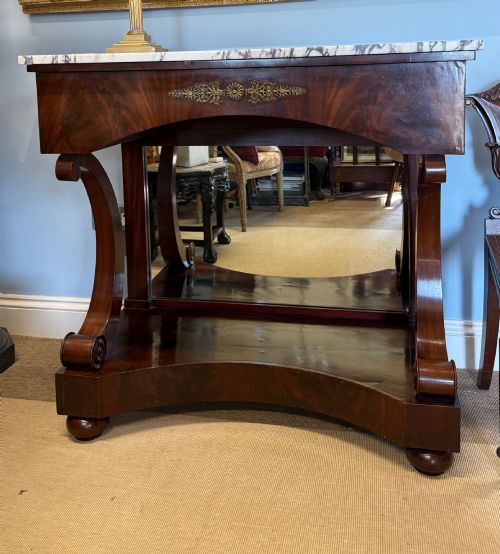
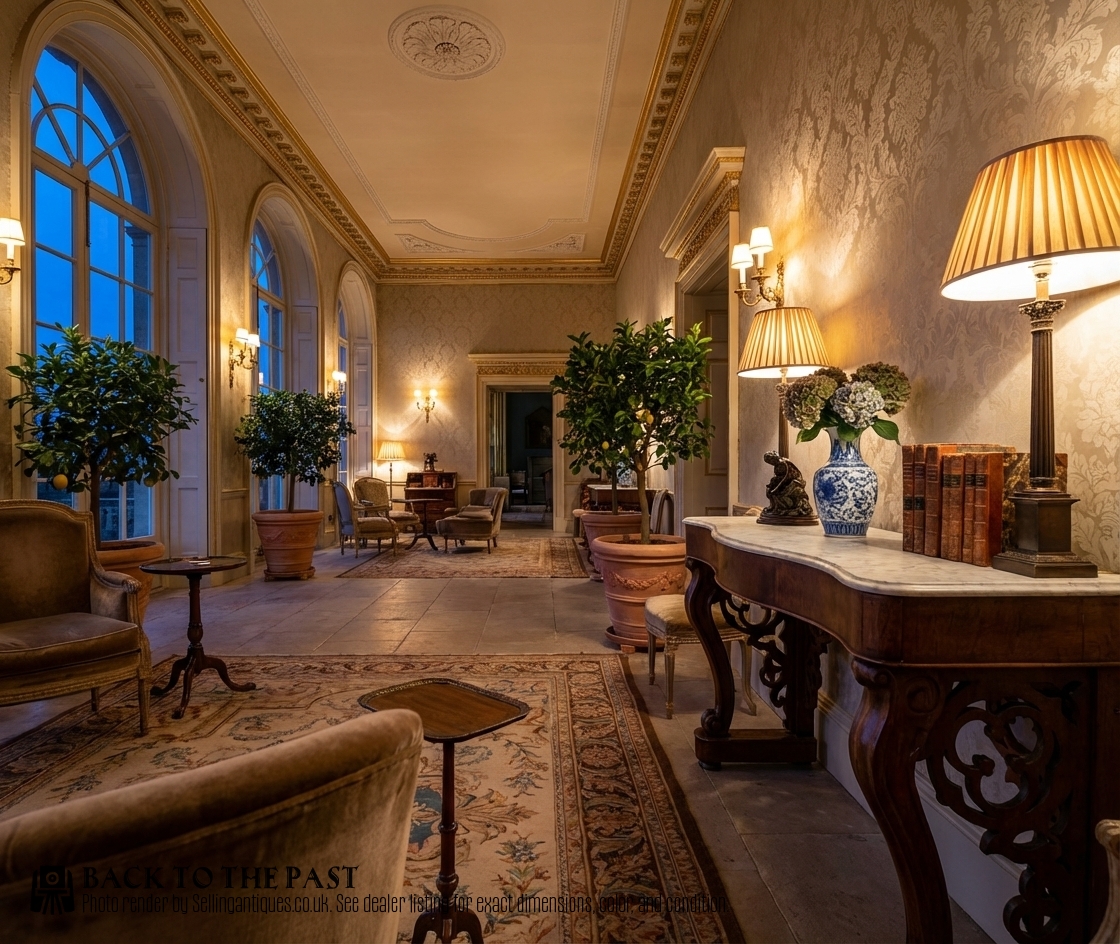
A victorian pier table is a heavy, flat-backed console designed to stand against the wall between windows or beneath a pier glass mirror. These pieces occupy a prominent place in reception rooms, often serving as decorative stages for lamps, clocks or ornaments.
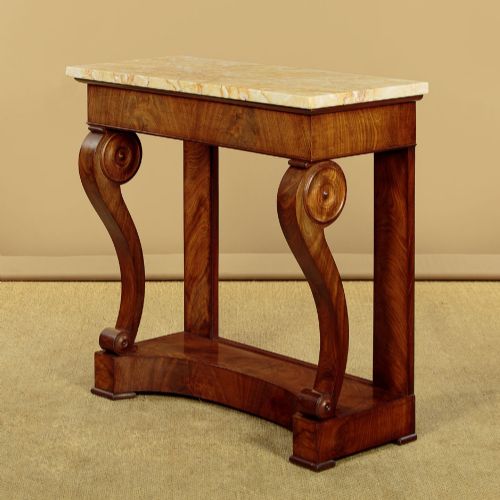
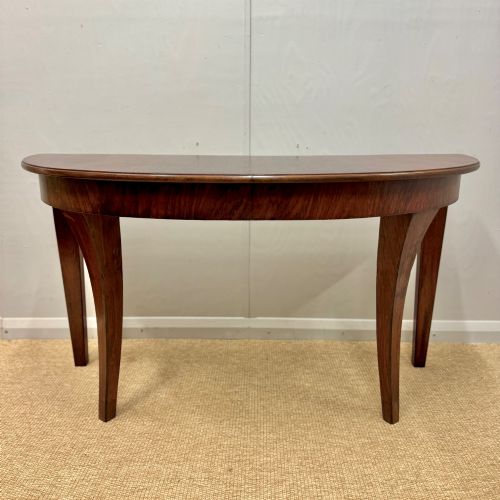
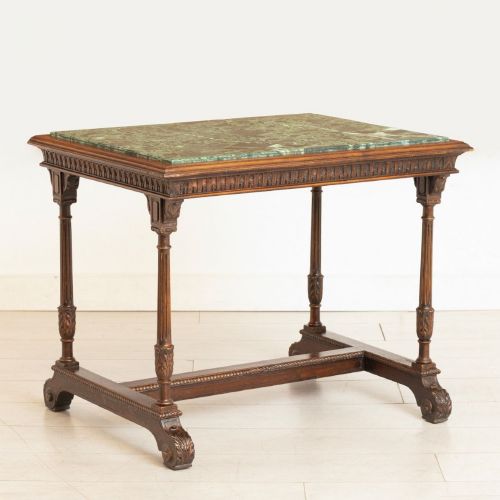
The versions you meet on this page span the mid to late nineteenth century, taking forms such as console tables, side tables and marble-topped variants. Mahogany, walnut and rosewood dominate the timbers, while marble tops and mirror backs appear frequently.
How They Were Made
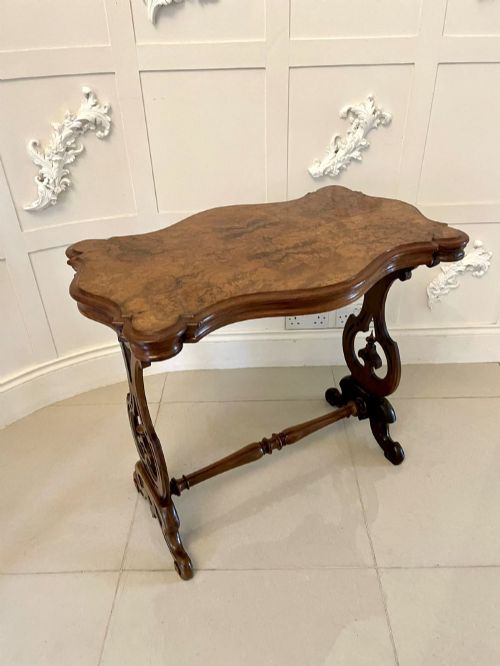
Cabinet makers utilised dense hardwoods like mahogany, walnut and rosewood, often shaping the timber into serpentine fronts or employing burr walnut veneers for rich grain patterns. Structural stability beneath heavy stone slabs required robust joinery and solid framing.
Many examples incorporate heavy Italian marble or granite slabs fitted directly to the wooden base, alongside giltwood ornamentation, brass details or intricate hand-carved motifs reflecting styles from the Gothic revival to French rococo.
Victorian Pier Table Retail Price Guide 2026
Typical asking prices for victorian pier table among the pieces listed under this phrase on Sellingantiques today, from the lower quarter to the upper quarter. They describe what is for sale here now, not the wider market.
Several tables come with green man carvings, bringing watchful woodland spirits right into the Victorian hallway.
What Varies in Quality
The weight and selection of the timber dictate much of the initial worth, with thick burr veneers and dense solid mahogany marking out superior examples. Finer pieces display crisp, deep hand-carving rather than shallow machine-moulded decoration.
The integration of the top also separates standard production from master work, particularly where heavy marble slabs fit precisely into moulded wooden frames or where original mirror backs and giltwood consoles remain intact.
Robert Strahan·Alexander McKenzie
The Victorian Pier Table Glossary
- Pier Table
- A console table specifically designed to stand against the wall space between two windows. It frequently supports a matching mirror above.
- Console Table
- A table fixed to a wall or supported by front legs, designed for display rather than dining. These pieces often feature decorative front aprons and shaped tops.
- Burr Walnut
- Timber taken from the abnormal growth of a walnut tree, yielding swirling, highly figured grain patterns. Cabinet makers prized this for veneering prominent surfaces.
- Demilune
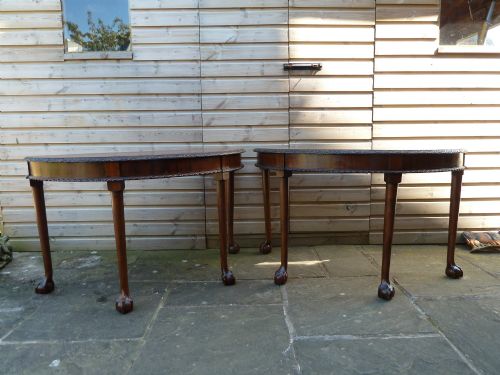
- Half-moon or semicircular in plan form. This shape allowed tables to sit flush against the wall while projecting gracefully into the room.
Victorian Pier Table: Frequently Asked Questions
What is a pier table used for?
These tables served as architectural fixtures in formal nineteenth-century reception rooms, positioned flush against the wall between tall windows.
They provided a stable surface for heavy ornamental objects, candelabra or clocks, often positioned directly beneath a matching wall mirror to reflect light.
How do I identify a Victorian piece?
Victorian furniture relies on specific timber choices, heavy construction methods and stylistic revivals ranging from Gothic to French rococo.
Examination of the secondary woods, hand-cut joints and the integration of marble tops helps distinguish nineteenth-century production from later copies.
Are marble tops original?
Many console and pier tables left the workshop fitted with heavy marble or granite slabs designed to handle damp flower vases and heavy ornaments.
Matching the thickness, edge profile and underside fixings of the stone to the wooden base helps confirm whether the top belongs to the original frame.
Where should I place one at home?
These pieces suit narrow hallways, entrance spaces or living rooms where a shallow depth table is required against a flat wall.
Because they were built to be viewed from the front and sides, placing them in an open hallway or beneath a mirror shows off their carved aprons and timber grain.