
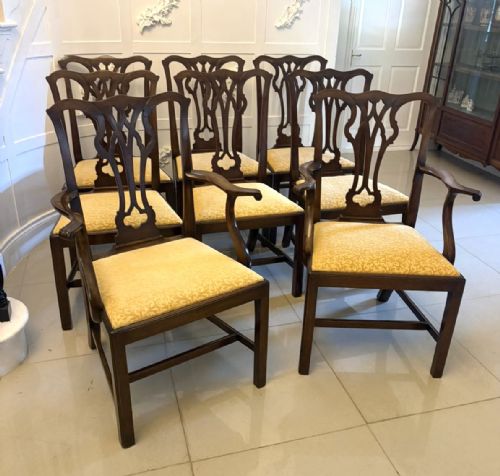

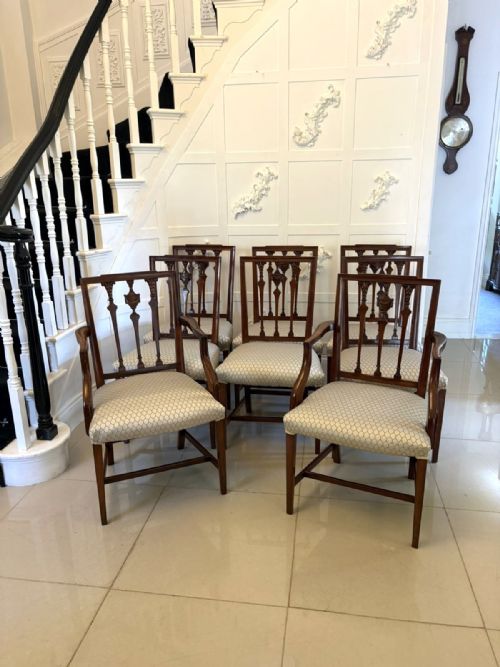


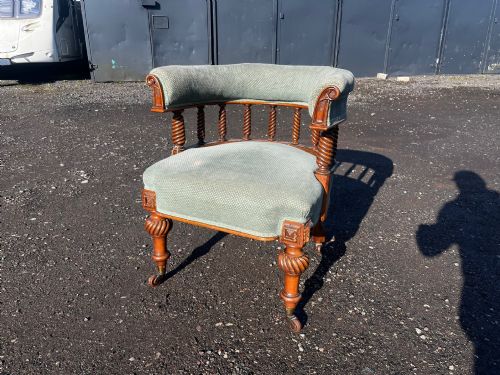

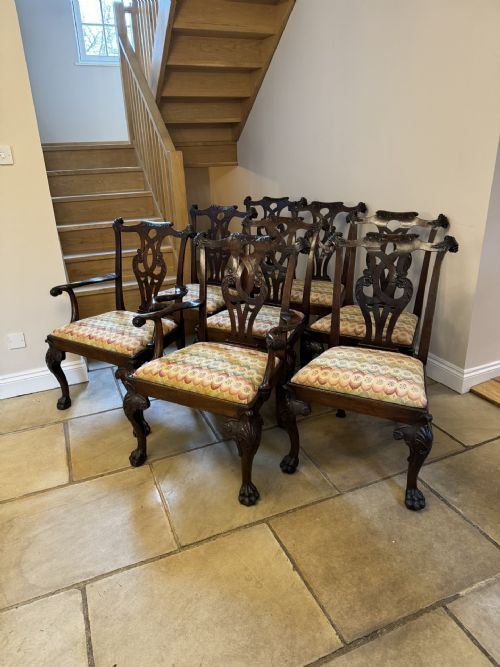
Victorian Period Armchair
A victorian period armchair brings substantial nineteenth-century presence and deep upholstery into a room.
Victorian Period Armchair
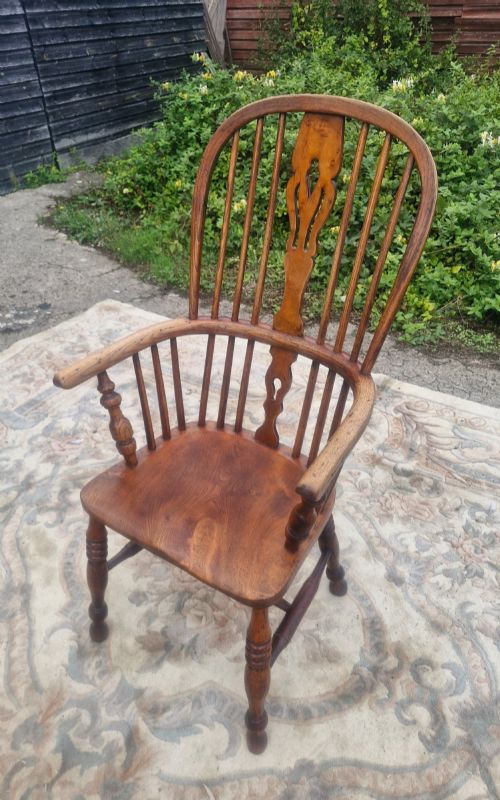
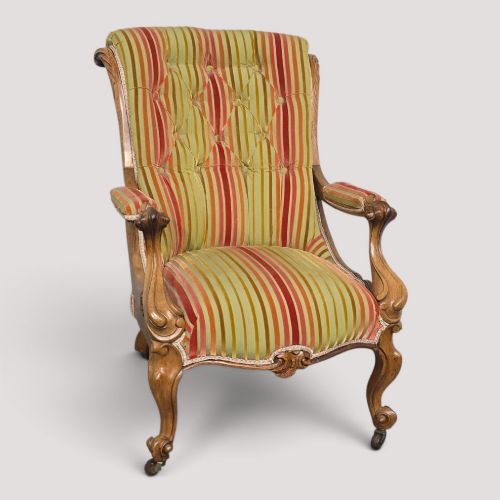
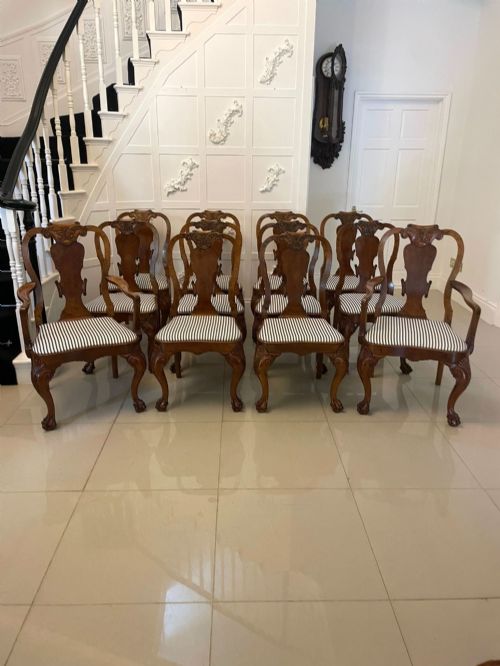
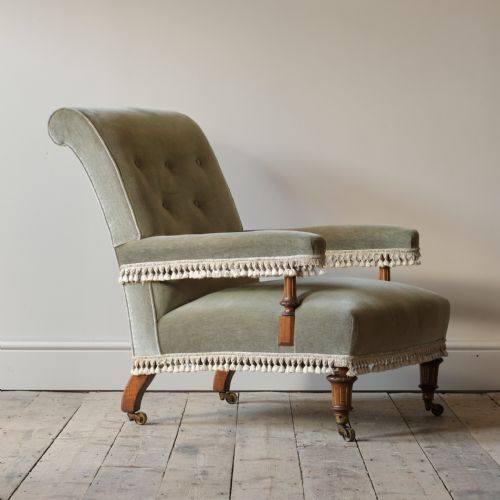
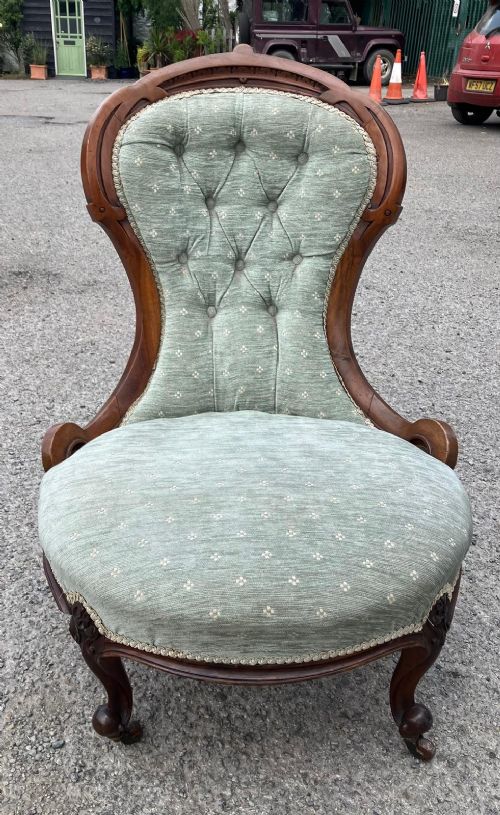
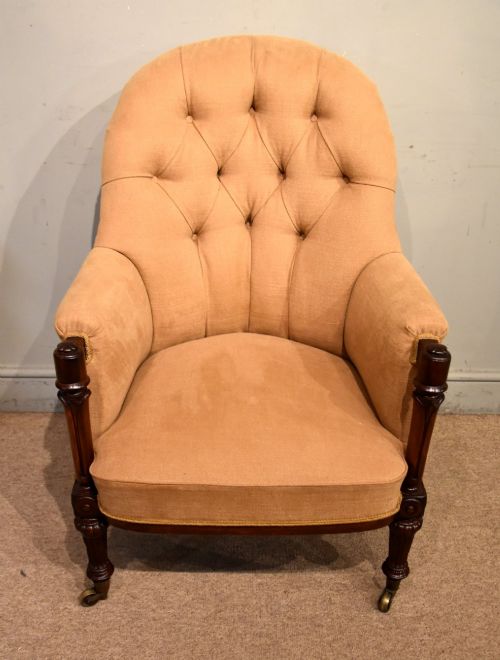
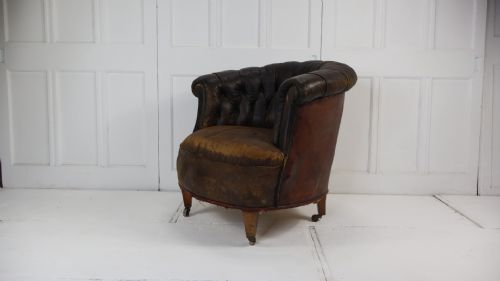
A victorian period armchair encompasses varied seating forms from the nineteenth century, including library chairs, gentleman's open armchairs, nursing chairs, and button-backed designs. The pieces listed span walnut, mahogany, and rosewood frames alongside robust ash and elm Windsor types.
Buyers are most likely to encounter richly carved walnut or mahogany frames upholstered in velvet, leather, or patterned fabric. These seats reflect diverse stylistic revivals, ranging from Regency influences to Gothic Revival and Aesthetic Movement expressions.
The selection extends from low-backed vernacular seating to heavily padded parlour armchairs designed for formal reception rooms. Each variant demonstrates the distinct domestic priorities of the Victorian era, prioritising physical comfort alongside architectural display.
What varies in quality
The refinement of the timber carving and the architectural balance of the frame distinguish superior examples from standard production. Cabinetmakers expended greater labour on crisp scroll arms, crisp pierced splats, and cohesive grain matching.
Original upholstery foundations and the survival of secondary timbers indicate the integrity of the piece. Subtle variations in turning, joinery rigidity, and the retention of maker-attributed details elevate certain armchairs above ordinary counterparts.
Listings feature mahogany, walnut, rosewood, ash, and elm timber frames.
Gillows·Charles Bevan·Jas / James Shoolbred
The Victorian Period Armchair Glossary
- Carver chair
- A dining chair featuring arms, traditionally placed at the head of a table or utilised as a desk seat.
- Scroll arm
- An armrest curved inward or outward in a tight spiral, common in nineteenth-century upholstered seating.
- Nursing chair
- A low-seated upholstered chair designed for comfort and ease of holding infants during the Victorian period.
- Wainscot chair
- A heavy wooden armchair with panelled back construction, rooted in seventeenth-century vernacular design.
- Button back
- An upholstery technique where buttons are pulled deep into the padding to create a uniform diamond pattern.
Victorian Period Armchair: Frequently Asked Questions
How do I identify a genuine Victorian armchair?
Examine the timber species, construction methods, and upholstery foundations underneath the seat. Nineteenth-century frames frequently employ solid mahogany or walnut with traditional hand-tied coil springing.
Look for tool marks, hand-cut joinery, and period-appropriate wear patterns on the wood. Secondary timbers like oak or ash often appear on the inner framing of older pieces.
Were these armchairs used in offices or parlours?
Victorian armchairs served diverse domestic and commercial functions depending on their structural form. Heavy mahogany library and desk chairs furnished studies, while button-backed walnut models occupied formal drawing rooms.
Lower nursing chairs suited bedrooms, and robust Windsor or ash variants furnished country kitchens and informal spaces.
How should I care for leather and velvet upholstery?
Clean leather surfaces periodically with specialised saddle soap or leather balms to maintain flexibility. Avoid placing antique hides in direct sunlight to prevent premature cracking.
Brush velvet gently with the grain using a soft bristle brush to lift flattened pile. Professional textile cleaning is recommended for antique fabric coverings.
What is the difference between an Aesthetic armchair and a standard Victorian model?
Aesthetic Movement armchairs emphasise linearity, ebonised finishes, and Japanese-inspired gilding. They reject heavy Victorian stuffing in favour of tighter, geometric upholstery forms.
Standard Victorian pieces typically display heavier carving, prominent scroll arms, and deep buttoned padding.