
19th Century Walnut Armchair
A 19th century walnut armchair brings rich timber grain, historic revival styles and comfortable upholstery into a modern interior.
19th Century Walnut Armchair
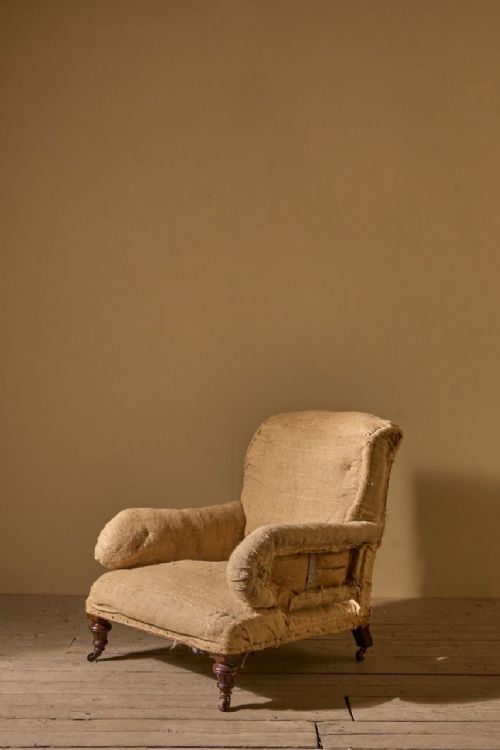
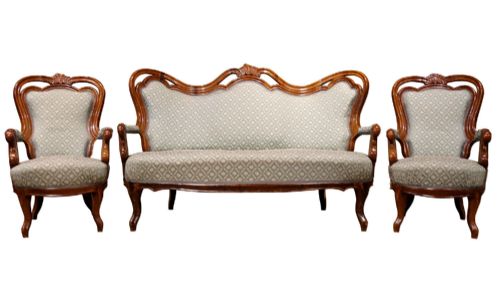
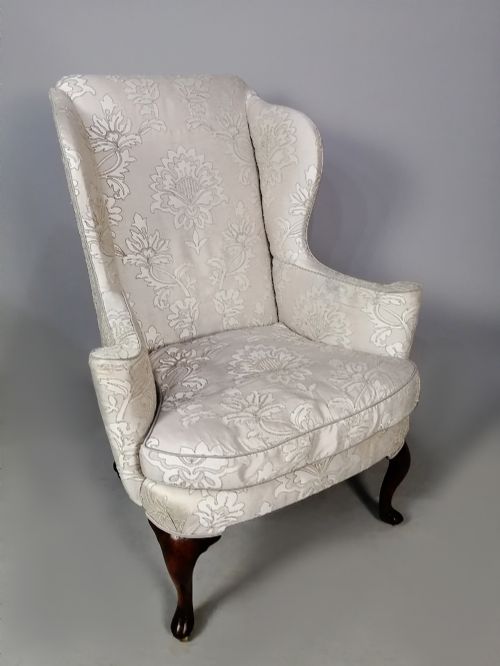
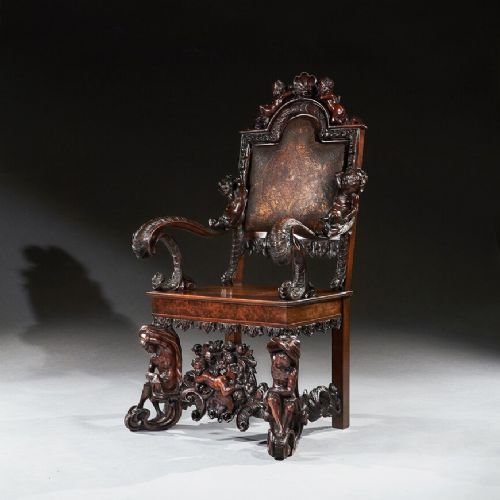
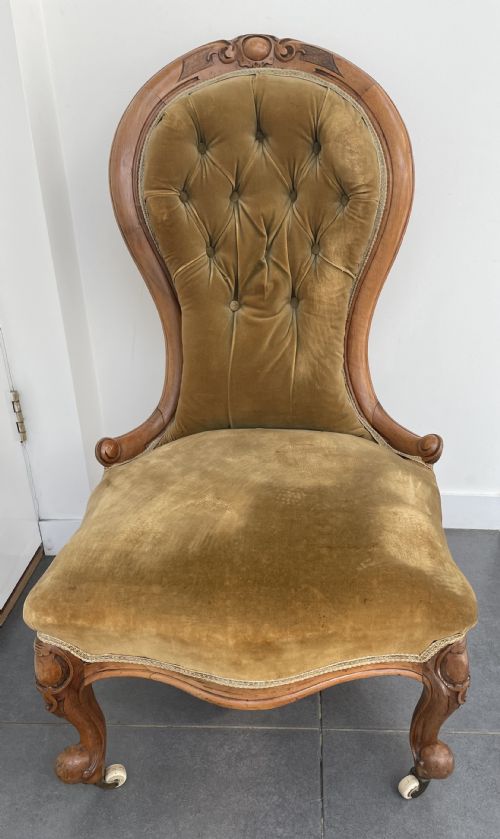
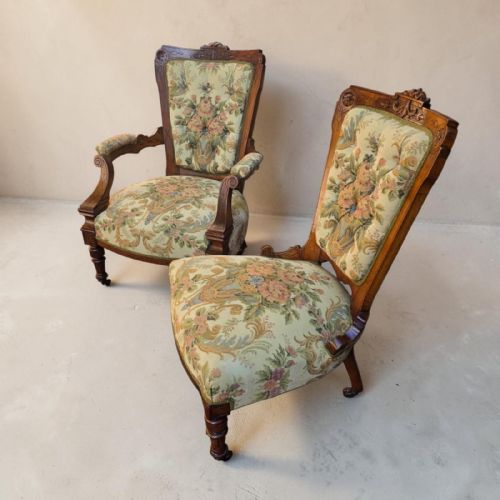
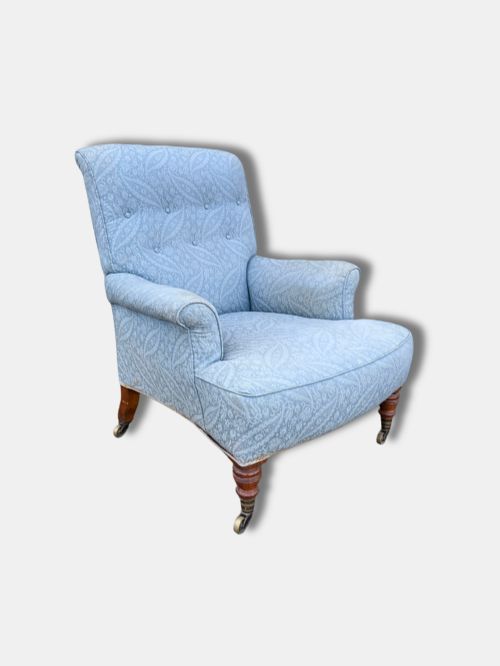
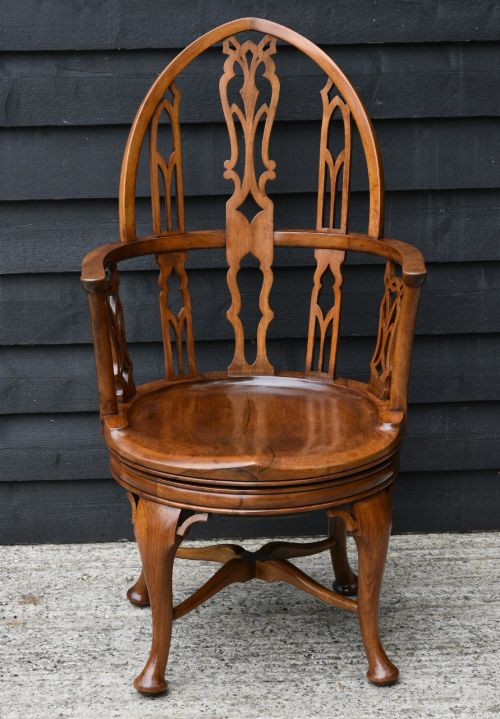
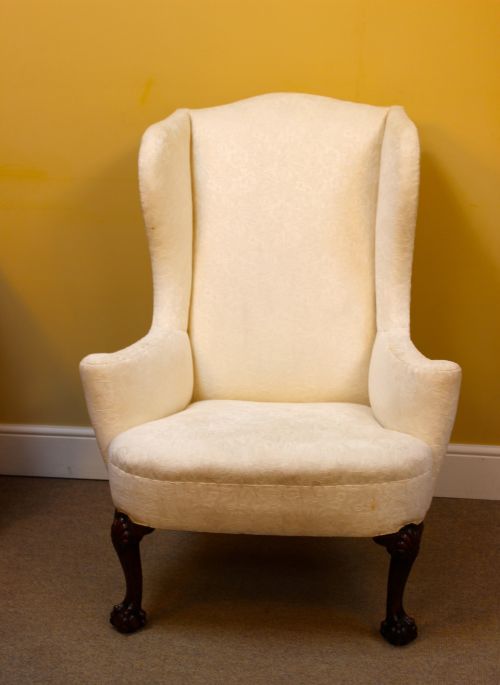
A 19th century walnut armchair encompasses diverse seating forms ranging from heavy Victorian library chairs to elegant French salon pieces. Buyers examine open armchairs, wingbacks, and compact nursing chairs designed for specific domestic rooms during the period.
Many examples on this page reflect historic revival movements, drawing inspiration from Louis XV, Queen Anne, and Renaissance aesthetics. These pieces combine structural woodwork with period textiles to create functional seats with distinct historical character.
Wood and upholstery construction
Craftsmen utilised solid walnut for frames, shaping the timber through carving, turning, and steam bending to achieve curving cabriole legs or rigid structural supports. Selected pieces integrate applied gilt wood highlights or parquetry inlay to enhance the primary timber grain.
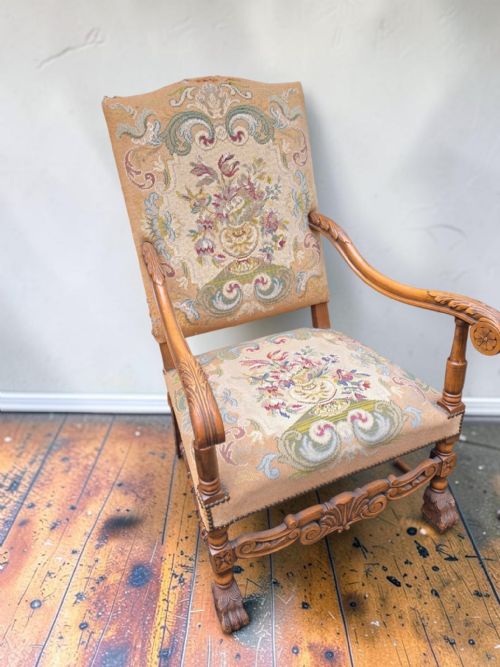
Upholstery techniques combined traditional stuffing materials with durable textile coverings such as velvet, leather, tapestry, and needlework. Frames frequently secured these fabrics using brass tacks or finished borders tailored to the specific seating style.
The inventory records pieces originating from English, French, and Italian workshops.
Assessing craftsmanship and execution
Quality separates through the depth and precision of hand carving on the exposed walnut frame, distinguishing standard production from exhibition pieces. Superior examples exhibit fluid joinery, crisp botanical or scroll motifs, and dense, stable timber cores.
The integrity of the upholstery foundation and the selection of period-appropriate textiles dictate the overall standard of execution. Pieces retaining original webbing, sturdy springs, and well-preserved decorative covers command higher consideration.
Howard and Sons·Hindley and Sons·Gillows·Holland and Sons
The 19th Century Walnut Armchair Glossary
- Fauteuil
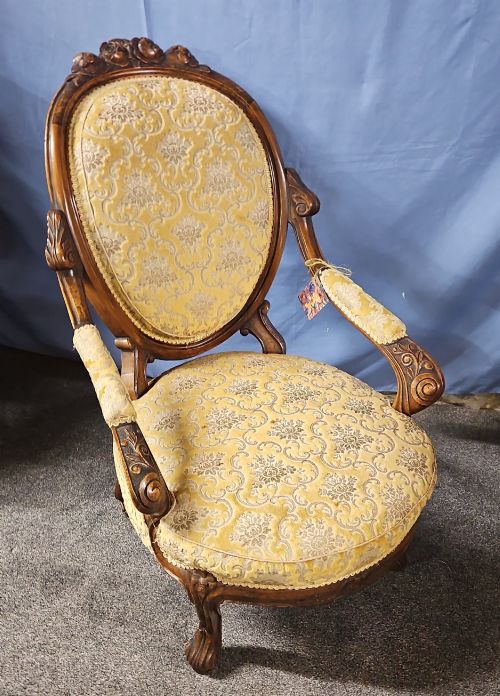
- An open-framed armchair originating in France with upholstered back and armrests. These pieces typically display exposed carved wooden arms and legs.
- Wingback
- A high-backed armchair featuring upholstered side panels designed to shield the occupant from drafts. This form frequently appears in revival styles across the century.
- Monopodia
- A furniture support carved as a single animal leg, often ending in a paw or claw. This classical motif appears on distinctive revival pieces.
- Cabriole leg
- A furniture leg that curves outward in a convex arc and tapers inward in a concave arc to a pad or scroll foot. This shape defines many revival seating designs.
- Parquetry
- Geometric patterns formed by fitting small pieces of veneer together on a surface. This decorative technique appears on select inlaid frames.
19th Century Walnut Armchair: Frequently Asked Questions
How do I identify a Victorian walnut armchair?
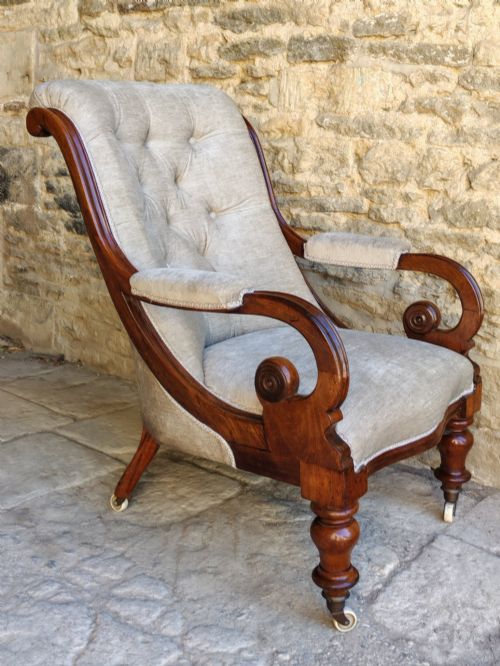
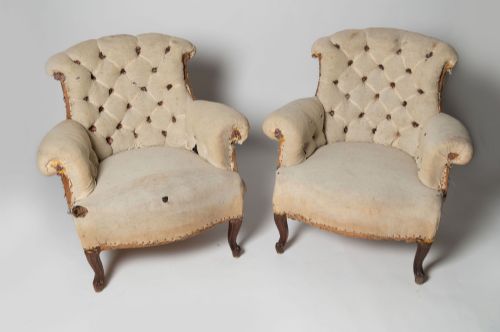
A Victorian walnut armchair typically displays dark timber tones combined with heavy carved ornamentation influenced by Renaissance or Rococo revivals. Look for dense wood grain paired with button-backed upholstery or intricate floral frames.
These chairs often date from the middle decades of the nineteenth century and reflect the domestic comfort priorities of the era. Examining the structural joins beneath the seat reveals the manufacturing methods characteristic of nineteenth-century workshops.
Were these armchairs used in bedrooms?
Smaller variations such as nursing chairs and bedroom chairs served private domestic spaces for resting or dressing. These forms often feature lower seats and supportive upholstered backs tailored for informal rooms.
Larger library and salon armchairs remained in public reception rooms for reading and entertaining guests. Each seating type matches specific nineteenth-century domestic routines and room layouts.
What is a French style armchair?
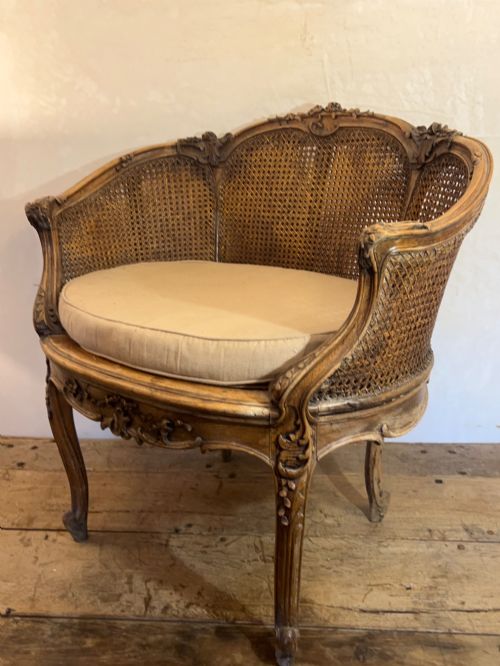
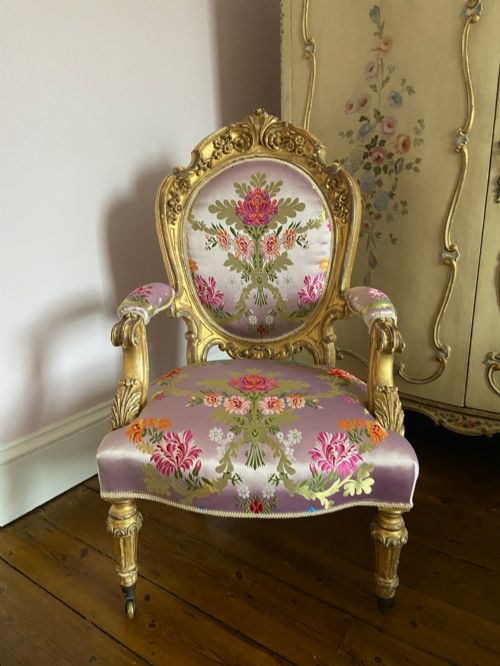
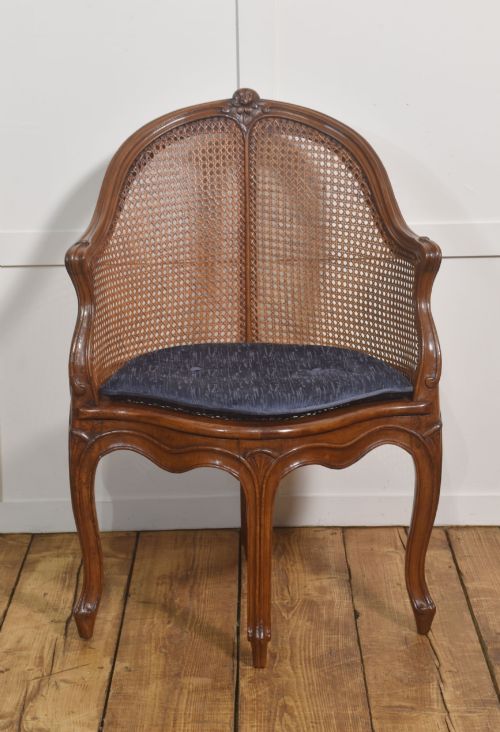
French style armchairs emulate Louis XV or Louis XVI aesthetics with graceful curved frames, cabriole legs, and exposed carved woodwork. Makers utilised these continental designs to bring formal elegance into British and European drawing rooms.
Such pieces often feature open arms with upholstered elbow pads and intricately carved crest rails. The design emphasises fluid lines rather than heavy structural mass.
How should I care for antique walnut wood?
Maintain walnut frames by keeping them away from direct heat sources and strong sunlight that can dry out the timber. Regular dusting with a soft, dry cloth preserves the natural patina without damaging the historic finish.
Avoid applying modern silicone polishes which can penetrate open grain and alter the appearance of the wood. Gentle waxing occasionally helps nourish the surface of the timber.