



Victorian Pendant Shade
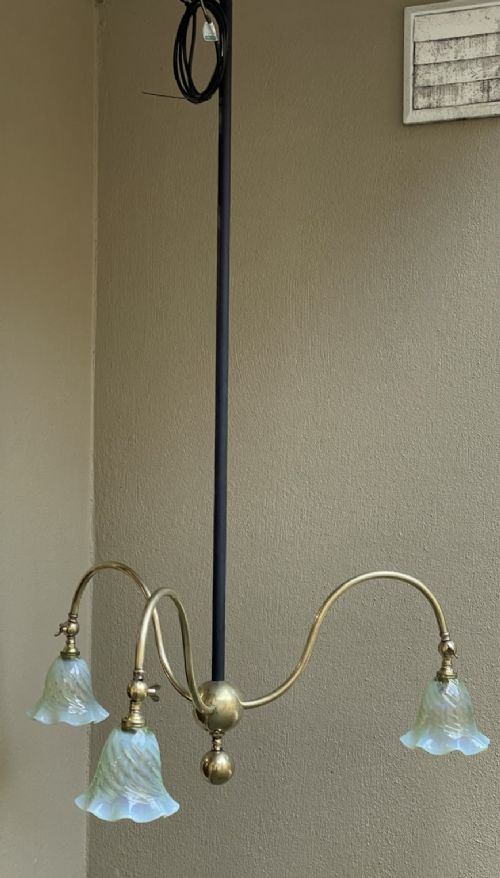
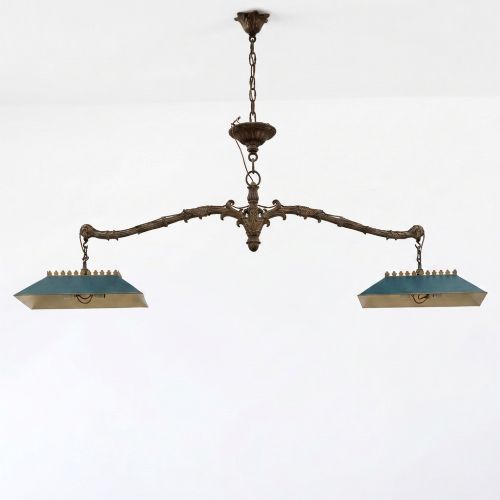
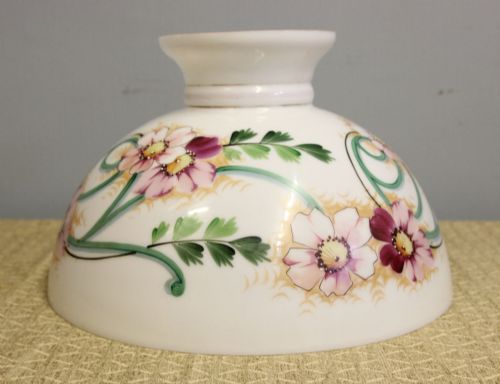
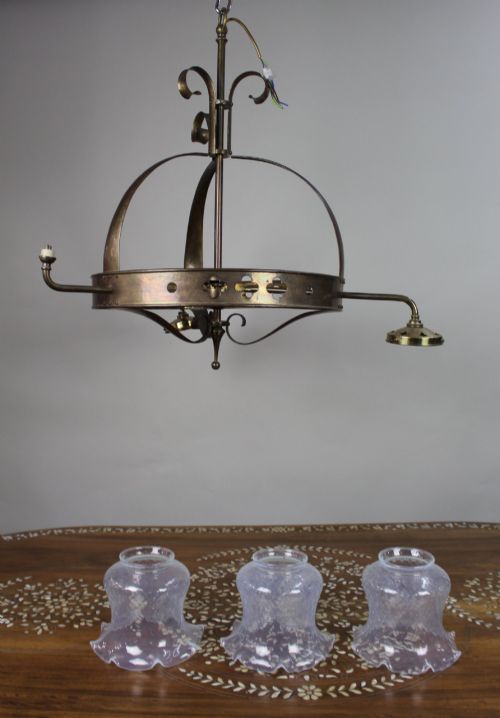
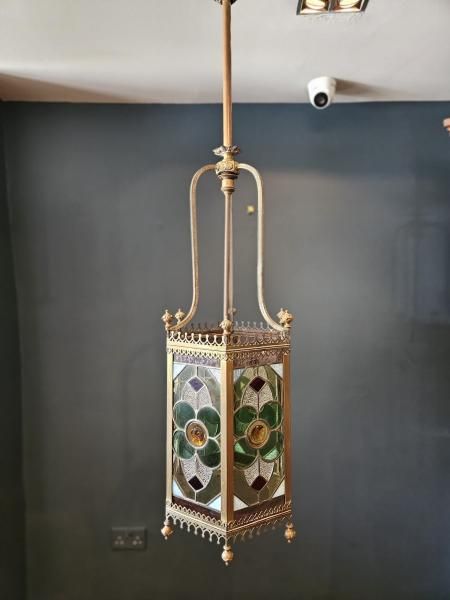
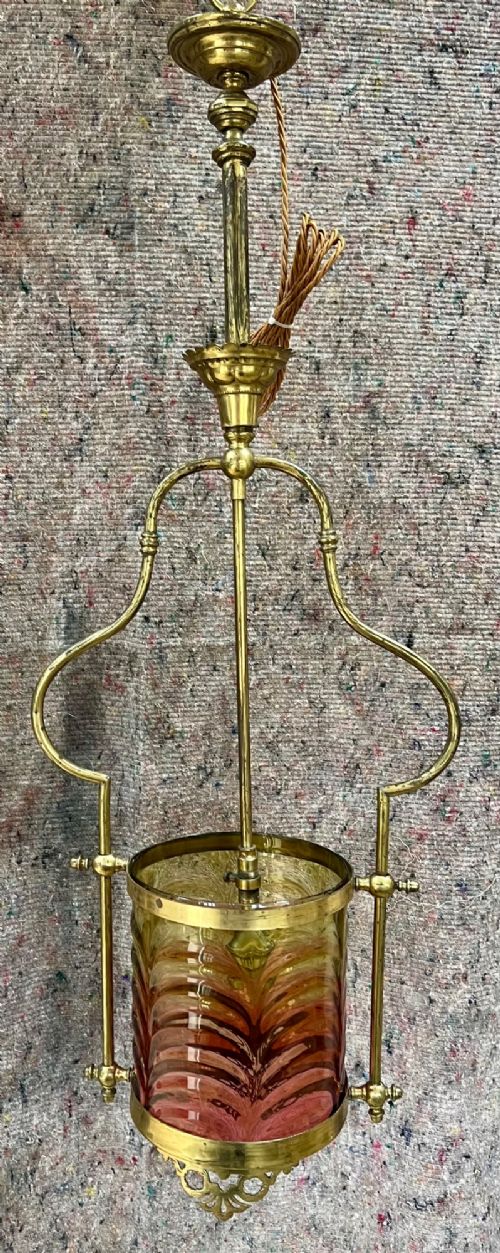
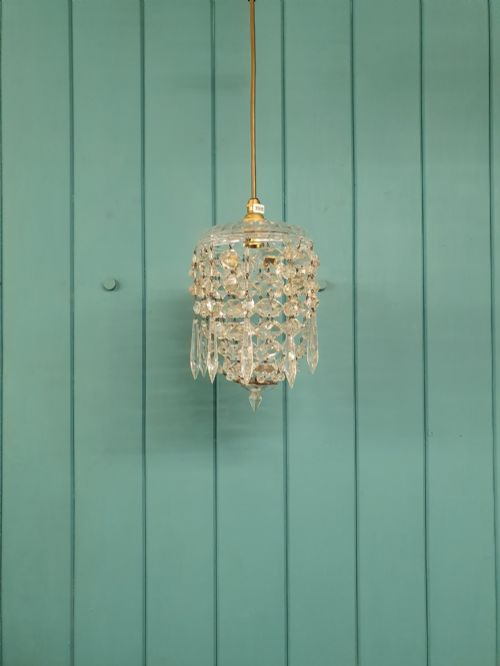
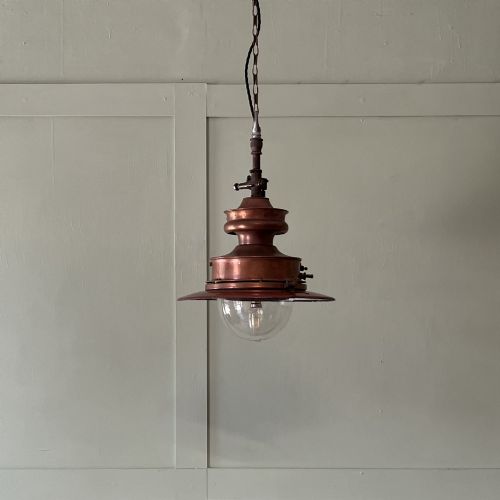
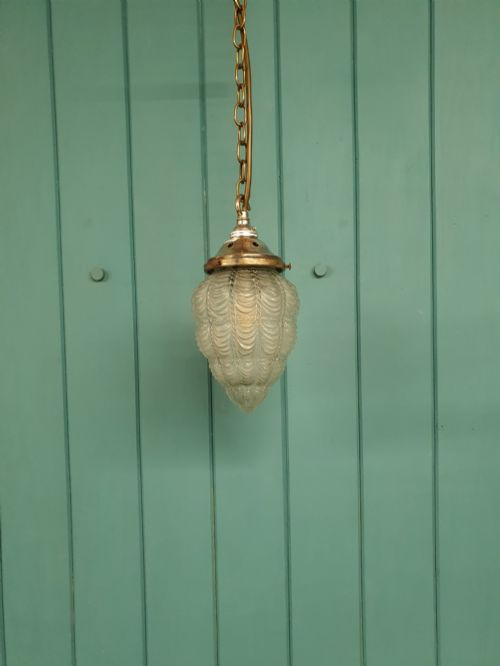
These victorian pendant shade examples bring period character to high ceilings, cast in brass, bronze, and copper with diverse glass forms.
Victorian Pendant Shade
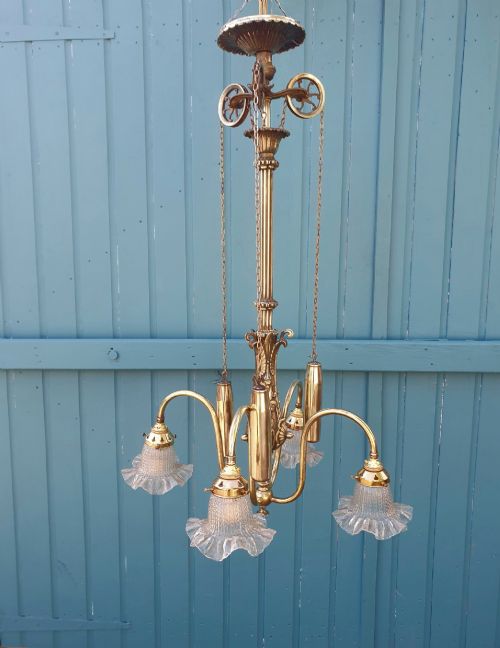
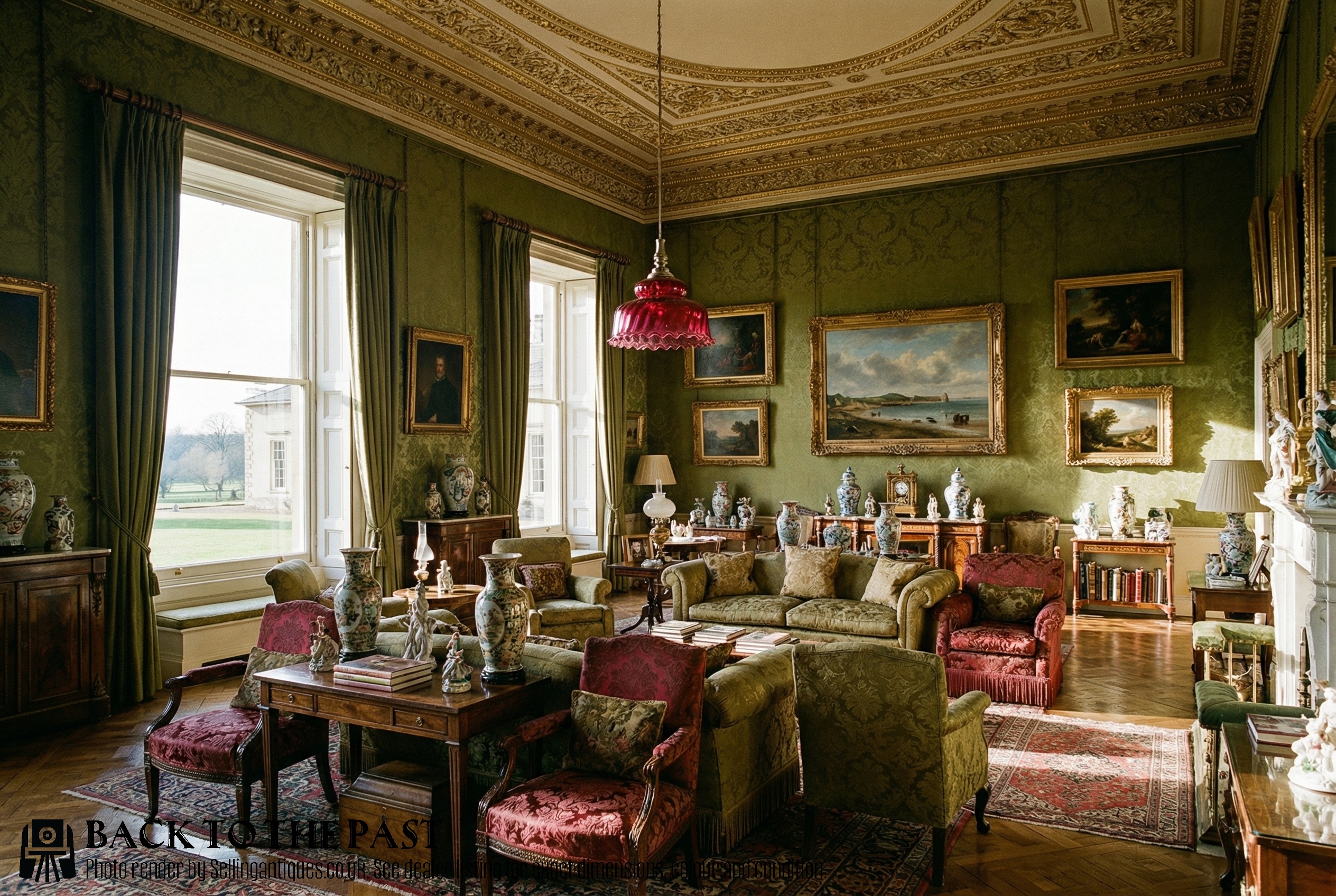
A victorian pendant shade brings historical interior illumination into modern spaces, typically hanging from ceilings above billiard tables, hallways, and living areas. Buyers exploring this category encounter a range of forms, from single glass bowls to elaborate multi-light brass gasoliers and chandeliers.
Origin details reveal British domestic, municipal, and French influences across styles like Gothic Revival, Arts and Crafts, and Art Nouveau. Most pieces integrate metal suspension hardware with distinct glass shades designed to diffuse interior light effectively.
Materials and Construction Techniques
Makers utilised durable metals including brass, bronze, copper, and cast iron to form the structural frames, ceiling roses, and hanging chains. These metallic components often feature pierced work, leaf designs, or gilded finishes.
Glass elements form the visual centrepiece, created through hand blowing, cutting, etching, and moulding techniques. Workshops produced opalescent, opaliser, cranberry, ruby, amber, and milk glass variants, frequently incorporating crimped or dimpled profiles.
Victorian Pendant Shade Retail Price Guide 2026
Typical asking prices for victorian pendant shade among the pieces listed under this phrase on Sellingantiques today, from the lower quarter to the upper quarter. They describe what is for sale here now, not the wider market.
Look closely for mischievous cast metal cherubs and green man motifs peering out from beneath the ceiling roses.
Factors Distinguishing Quality
The calibre of a victorian pendant shade rests on the crispness of its metal casting and the artistry of the glasswork. Heavier bronze and brass frames with intricate chased details or figural elements demonstrate superior foundry work compared to simpler pressed metal alternatives.
Glass quality separates standard productions from exceptional pieces, judged by depth of colour, consistency in hand-blown thickness, and precise cutting or etching. Original matching components and integrated mechanisms such as rise and fall weights further elevate a piece.
Perry & Co
The Victorian Pendant Shade Glossary
- Opalescent Glass
- Glass that has a milky, semi-translucent appearance with bluish or fiery highlights. It diffuses light softly across a room.
- Gasolier
- A multi-branched ceiling light originally designed for gas lighting before conversion to electricity. These fixtures often feature elaborate brass arms.
- Billiard Light
- A long, multi-shade ceiling fixture engineered to illuminate gaming tables evenly. They commonly hold three or more glass shades in a linear arrangement.
- Rise and Fall Chandelier
- A hanging light fitted with a counterweight pulley system allowing the height to be adjusted. This mechanism permitted practical repositioning over dining or work spaces.
- Ceiling Rose
- The decorative circular plate mounted flush against the ceiling to conceal wiring and anchor the suspension chain. They frequently echo the primary metal of the fixture.
Victorian Pendant Shade: Frequently Asked Questions
How do I hang a heavy brass fixture safely?
Heavy brass and bronze fittings require secure anchorage directly into ceiling joists using appropriate fixings rather than plaster alone. Professional installation ensures the structural weight is supported safely.
Electrical wiring must be inspected and updated to meet current safety standards before mounting historic metal chandeliers and lanterns.
Can I clean historic coloured glass safely?
Historic glass shades should be washed gently in warm water using mild soap, avoiding abrasive scrubbers or harsh chemical cleaners. Etched and painted surfaces require particular care to preserve the original finish.
Dry the glass thoroughly with a soft cloth before reattaching it to the metal frame or suspension hardware.
How do I identify a true period shade?
Authentic period pieces display period-appropriate manufacturing methods, such as hand-blown glass inconsistencies, heavy cast brass components, and traditional screw threading. Examining the weight and material composition helps distinguish genuine antiques from later reproductions.
Stylistic markers like Gothic Revival motifs or Arts and Crafts simplicity align the construction era with recorded design periods.
Where should I place a large lantern?
Large hanging lanterns and multi-light pendants suit high-ceilinged entrance halls, stairwells, or generous living spaces where their scale commands the room. Billiard lights find a natural home suspended above dining tables or kitchen islands.
Ensure adequate clearance below the lowest point of the shade for comfortable pedestrian movement.