

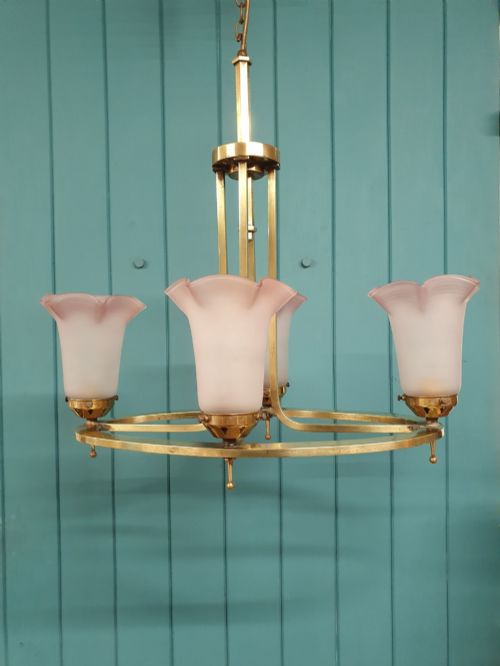


Fluted Glass Ceiling Shade
These fluted glass ceiling shade examples bring together period illumination and tactile glass form that transforms overhead light.
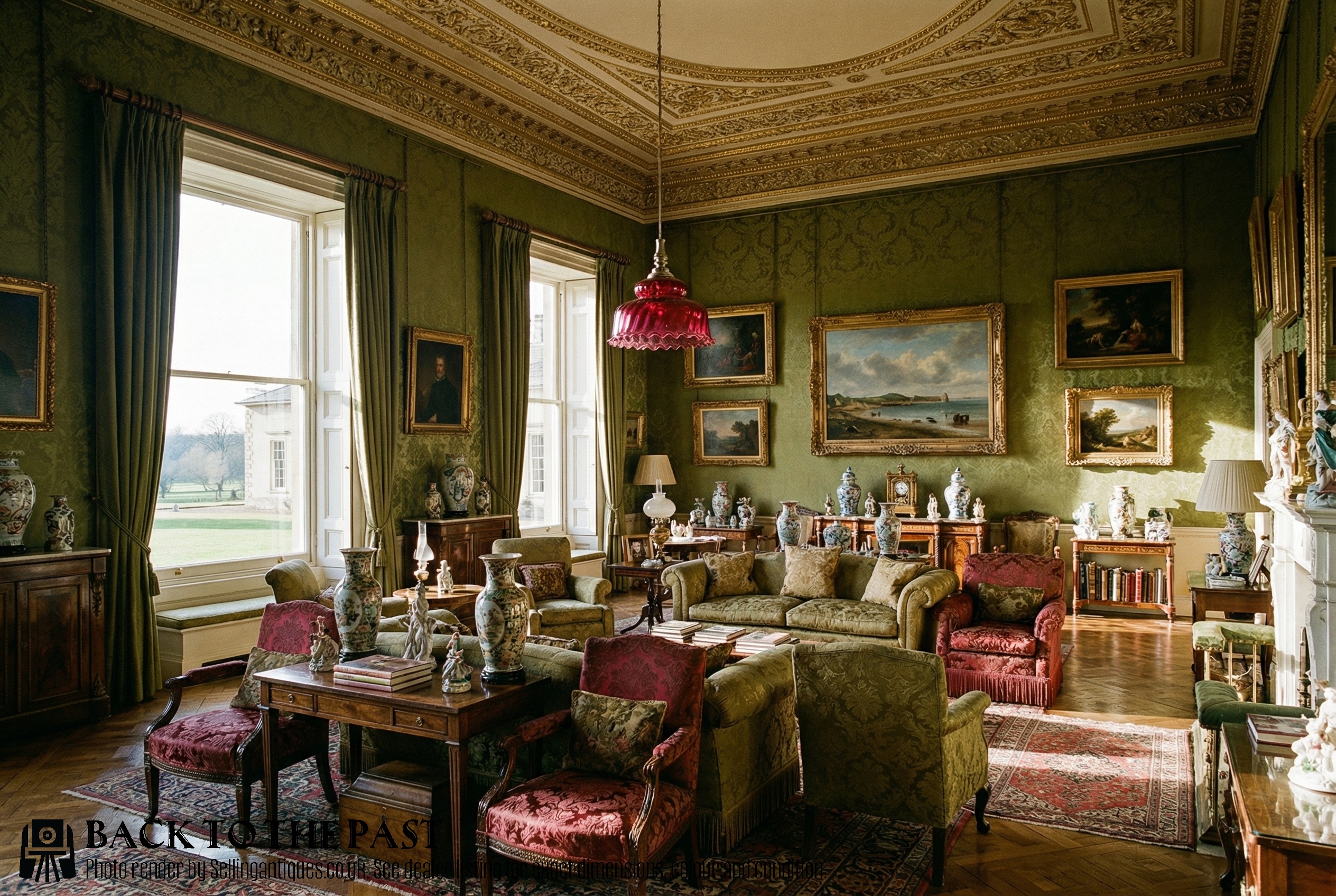
Fluted Glass Ceiling Shade
A fluted glass ceiling shade is a pendant or mounting fixture designed to diffuse overhead illumination through moulded vertical channels in the material. Buyers searching for a fluted glass ceiling shade encounter various forms including single pendants, multi-light chandeliers and pharmacy lights originating from Victorian, Edwardian and Art Deco periods.
The inventory on this page demonstrates that most examples span the late nineteenth century through to the nineteen-thirties. English and French workshops produced these pieces in substantial proportions, utilising specialist glass types to soften the glare of early electric bulbs or gas lighting.
Materials and construction
Glassmakers created the characteristic fluting by blowing or pressing molten material into ribbed metal moulds. This technique produced uniform exterior ridges that catch and refract light while maintaining structural integrity across the body of the shade.
Makers paired these glass bodies with metal hardware such as brass galleries, chrome fittings and silver-plated mounts. These components secured the shade safely to suspension wiring while adding contrasting metallic tones to the fixture.
Fluted Glass Ceiling Shade Retail Price Guide 2026
Typical asking prices for fluted glass ceiling shade among the pieces listed under this phrase on Sellingantiques today, from the lower quarter to the upper quarter. They describe what is for sale here now, not the wider market.
Early pharmacy shades were once designed to cast uncompromising clinical light over chemist counters, now repurposed to cast a gentle glow over modern dining tables.
Assessing quality in period shades
Quality rests upon the clarity, weight and colour consistency of the glass itself. Superior pieces exhibit crisp moulding along the flutes without ripples or bubbles, alongside heavier gauge metal galleries that securely grip the collar.
The presence of original matched components, such as specialised prismatic Holophane glass or rich ruby and moonstone colouration, distinguishes finer examples. Subtle variations in the depth of the pressed ridges determine how effectively the shade diffuses light into a room.
The Fluted Glass Ceiling Shade Glossary
- Fluting
- Vertical parallel grooves pressed or cut into the surface of the glass. This shaping diffuses illumination evenly across the room.
- Gallery
- The metal ring or collar at the top of a shade that holds the fitter screws. It connects the glass body to the suspension cord or rod.
- Holophane
- A brand of scientific prismatic glass engineered to direct and distribute light efficiently. It is recognised by its complex pattern of external ribs and internal prisms.
- Moonstone glass
- An opalescent white glass that resembles the soft glow of the moon. It creates a diffused, gentle light without harsh shadows.
- Fitter
- The outer diameter of the top collar of a shade designed to match a specific size of metal gallery. Proper sizing ensures the shade hangs level.
Fluted Glass Ceiling Shade: Frequently Asked Questions
How do I hang a ceiling shade?
These shades require suspension from standard electrical ceiling roses using compatible brass or chrome galleries. A qualified electrician should secure the wiring to ensure the weight is supported safely.
Ensure the fitter size of the shade matches the gallery diameter before installation. The gallery screws must be tightened gently against the glass collar to hold the piece firmly without risking cracks.
What is the difference between Victorian and Art Deco shades?
Victorian examples often feature richer colours like ruby glass and ornate brass leaf designs. They tend towards heavier, more decorative ornamentation suited to gas or early electric conversion.
Art Deco pieces embrace geometric symmetry and cleaner lines, frequently paired with chrome or streamlined brass fittings. The glass forms in nineteen-thirties pieces focus on industrial efficiency and simpler silhouettes.
How do I clean antique glass shades?
Wash the glass gently in warm soapy water using a soft cloth to remove accumulated dust and grime. Avoid abrasive scouring pads that might scratch the surface or dull the lustre.
Remove the shade from the metal gallery before cleaning to prevent water damage to vintage brass or chrome. Dry the piece thoroughly with a lint-free cloth before reassembly.
What bulbs work best with these shades?
Low-wattage warm LED bulbs replicate the soft illumination of period lighting without generating excessive heat. Frosted or pearl finish bulbs help prevent hotspots and enhance the diffusion through fluted glass.
Ensure the chosen bulb fits comfortably within the internal cavity of the shade without touching the glass sides. Matching the colour temperature to a warm glow preserves the historical atmosphere of the room.