


Victorian Pencil Drawing
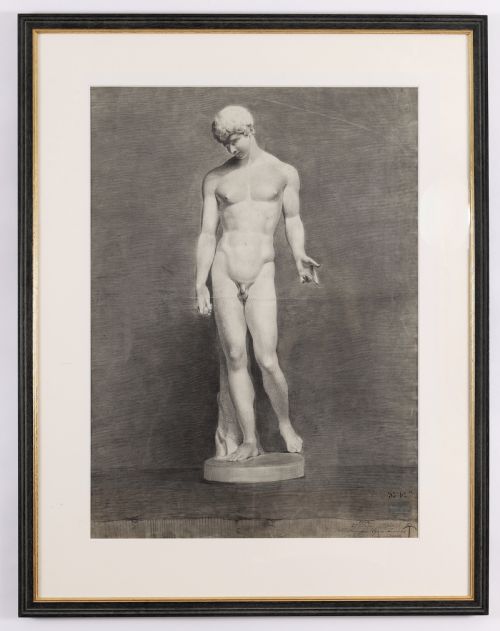
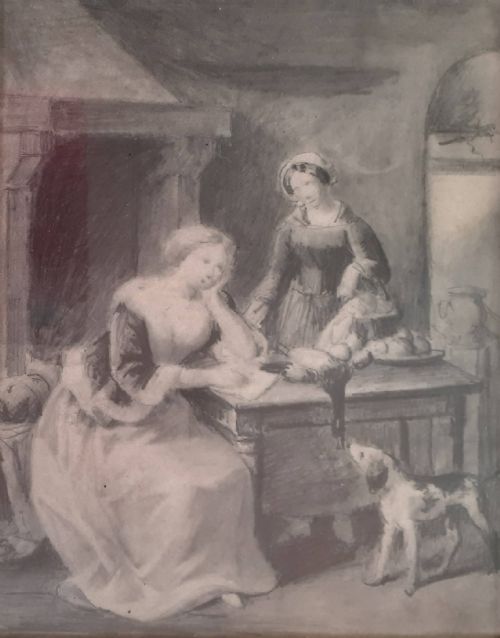
A victorian pencil drawing captures the intimate portraiture and careful studies of the nineteenth century with immediate, hand-drawn honesty.
Victorian Pencil Drawing
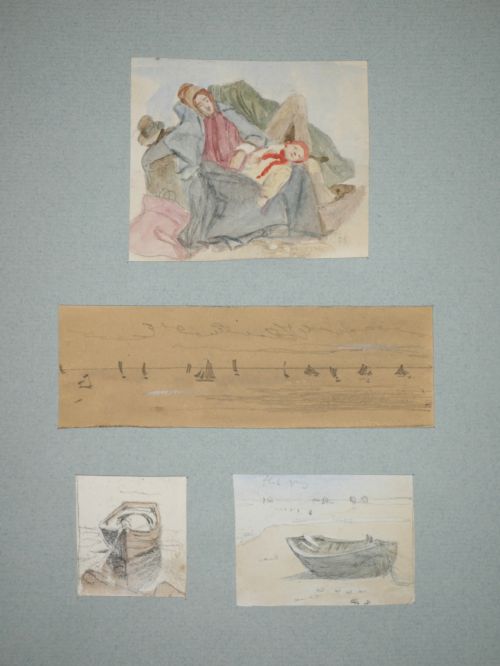
A victorian pencil drawing on this page encompasses graphite and charcoal works on paper, frequently framed in wood or giltwood. Buyers encounter portrait studies, marine sketches, and architectural views spanning the nineteenth century.
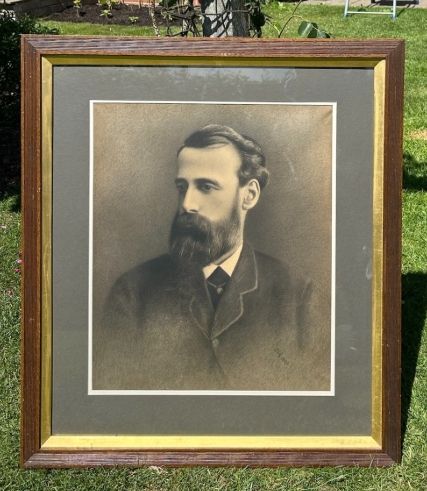
The selection ranges from intimate portrayals of ladies, gentlemen, and children to academic studies and topographical scenes. These works on paper reflect the domestic and academic artistic pursuits of the era.
Materials and Techniques
Artists utilised graphite, charcoal, and occasionally watercolour highlights upon paper substrates. These monochrome or tinted media allowed for precise linework and tonal shading.
Framing typically involves wood and giltwood enclosures that protect the delicate works on paper behind glass. Such preservation maintains the integrity of the original nineteenth-century surfaces.
Listings feature works spanning the nineteenth century, utilising paper, graphite, charcoal, and watercolour housed within wood and giltwood frames.
Judging Quality and Execution
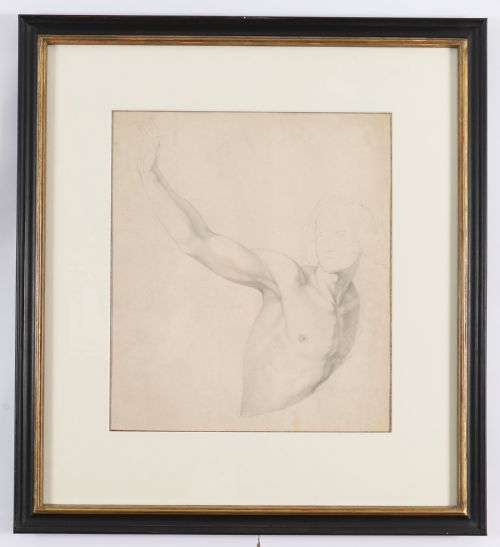
The distinction between ordinary and superior examples lies in the confidence of the draughtsmanship and the psychological depth of the subject. Masterful handling of light, shadow, and proportion elevates an academic study into a compelling portrait.
Condition and provenance further define the standing of a piece, particularly when signatures, dates, or identifiable sitters accompany the work. Well-preserved sheets retain crisp graphite lines without excessive fading or paper degradation.
James Smetham·Robert Richard Scanlan·Theobald Chartran·Baden Powell·Sir William Charles Ross
The Victorian Pencil Drawing Glossary
- Grisaille
- A painting or drawing executed entirely in shades of grey or neutral monochrome. This technique mimics the appearance of relief sculpture or provides a tonal study.
- Academic Realism
- A style of painting and drawing produced under the influence of European academies of art. It emphasises precise anatomical correctness and fidelity to visual appearance.
- Giltwood
- Wood that has been carved and covered with a thin layer of gold leaf or gold paint. This material is standard for period frames enclosing works on paper.
- Works on Paper
- An umbrella term for art created primarily on paper supports, including drawings, watercolours, and prints. These items require protection behind glass.
- Neoclassical
- A Western cultural movement drawing inspiration from the classical art and culture of ancient Greece or Rome. It manifests in balanced compositions and restrained subject matter.
Victorian Pencil Drawing: Frequently Asked Questions
What subjects do these drawings typically depict?
The subjects range widely from individual portraiture of gentlemen and ladies to domestic scenes and architectural studies. Artists frequently recorded contemporary figures, family members, or classical subjects.
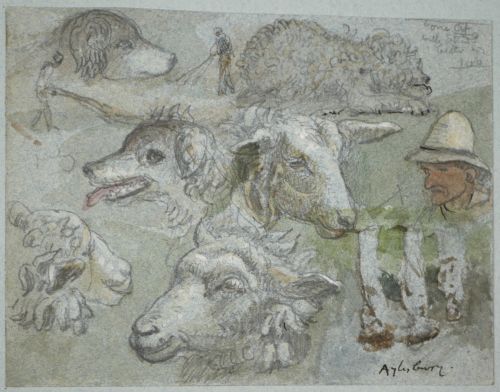
Many sheets also capture animals, such as dogs, alongside genre scenes and coastal views. This variety reflects both personal observation and academic training during the nineteenth century.
How should I display works on paper safely?
Works on paper require careful placement away from direct sunlight to prevent the graphite, charcoal, and paper ground from fading. Keeping them behind glass protects the delicate surface from airborne pollutants and moisture.
Stable indoor humidity and temperature further ensure that the paper support and wooden or giltwood frames endure without warping.
Are most of these drawings signed?
Signatures, initials, or monograms appear on a notable portion of these nineteenth-century works, often accompanied by specific dates. Documentation of this kind helps attribute pieces to known artists or regional English schools.
Unsigned drawings remain common, representing anonymous hands, sketching clubs, or academic exercises from the period. The quality of the draughtsmanship usually speaks for itself in the absence of a signature.
How do pencil and charcoal differ from watercolour?
Pencil and charcoal rely primarily on dry media applied directly to paper, focusing on line, tone, and shadow. Watercolour introduces wet pigment suspended in water, adding washes of transparent colour.
Artists frequently combined these techniques on a single sheet, using pencil for foundational structure and watercolour for supplementary tint.