


Victorian Pedestal Plant Stand
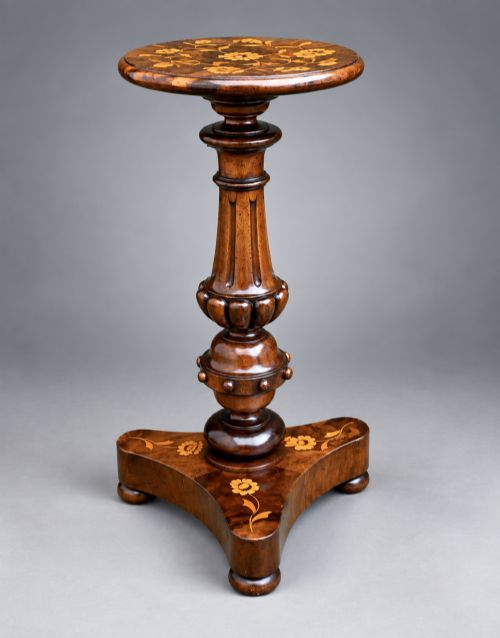
These Victorian pedestal plant stand examples elevate greenery and display pieces using solid timber, marble and cast iron.

Victorian Pedestal Plant Stand
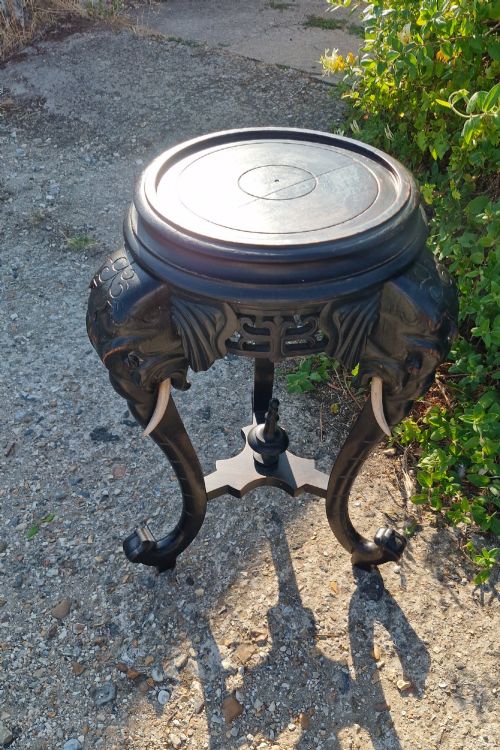
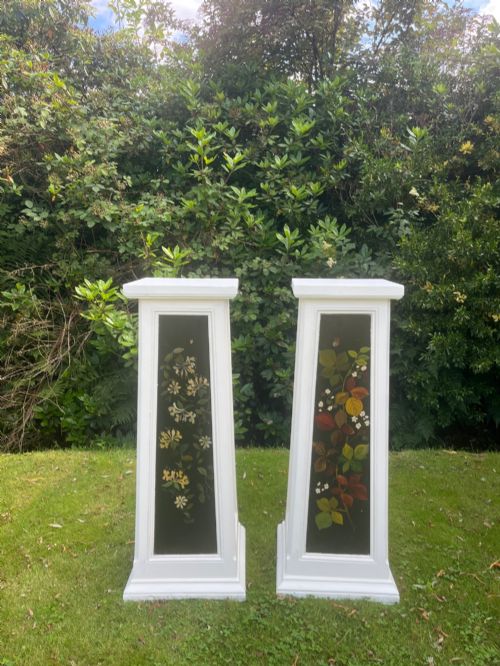
A victorian pedestal plant stand is a tall, slender furniture form designed to elevate flora, sculpture or decorative objects within a room. The pieces found here span the nineteenth century, incorporating decades such as eighteen eighty and eighteen ninety alongside broader Victorian classifications.
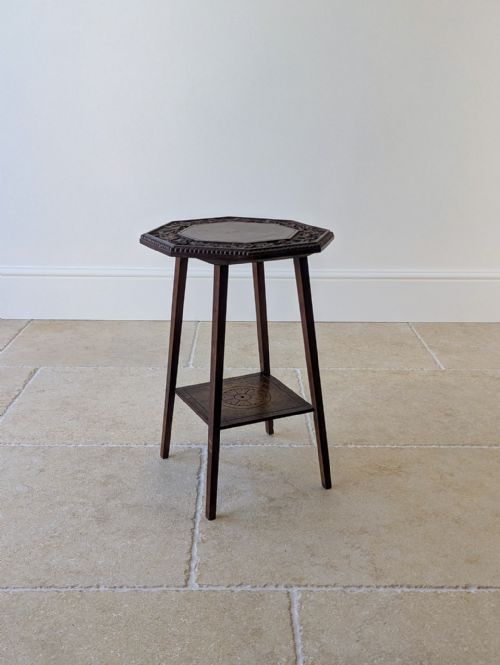
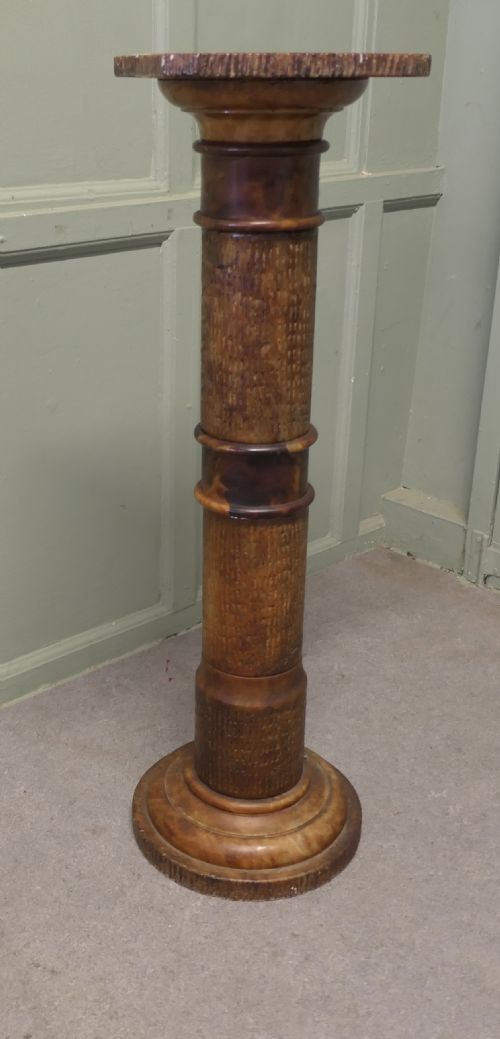
Forms on this page range from classical torchères and columns to tripod tables, jardiniere stands and display plinths. Makers of the period drew upon diverse influences, resulting in styles that encompass Gothic Revival, Aesthetic Movement, Classical Revival and Anglo-Indian designs.
How they were made
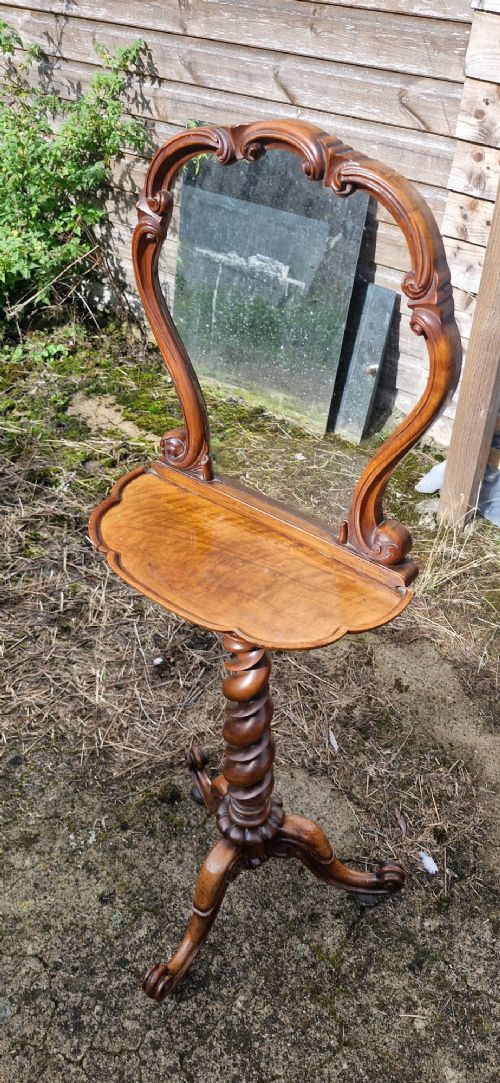
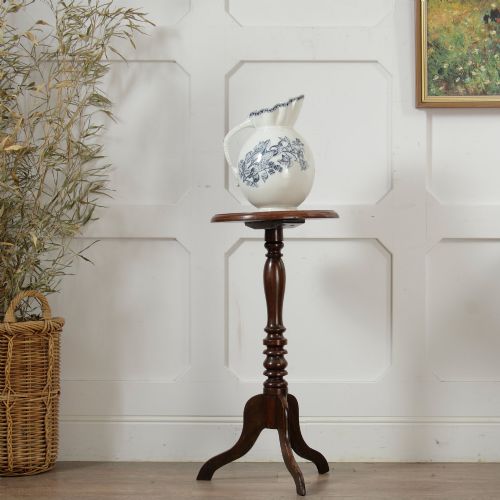
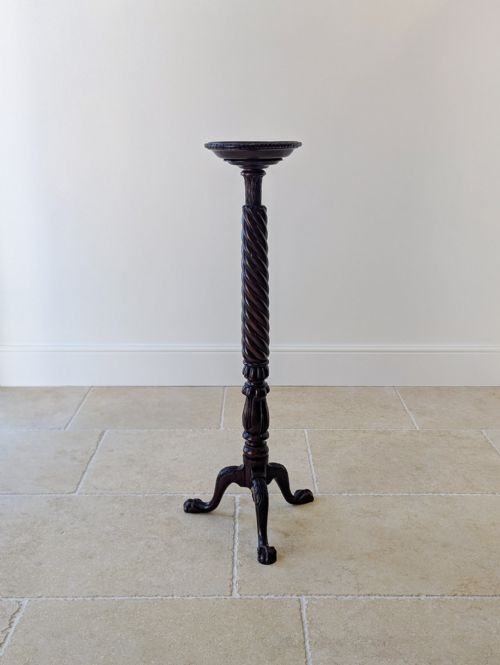
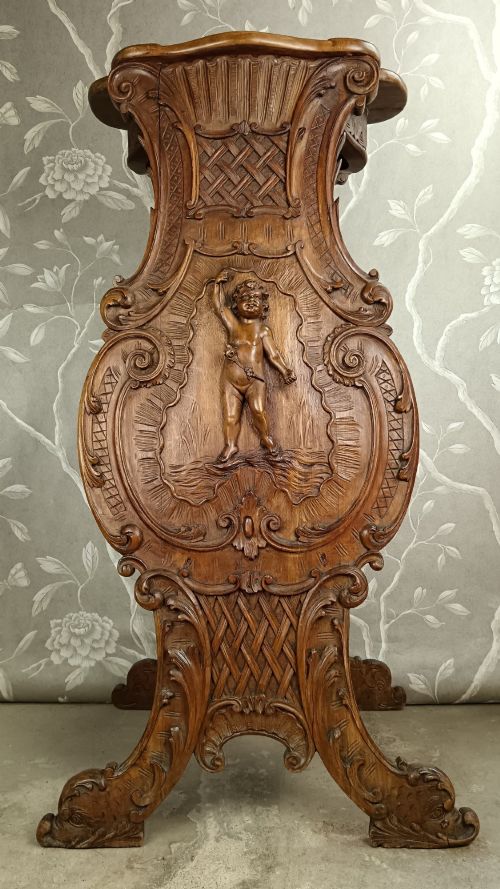
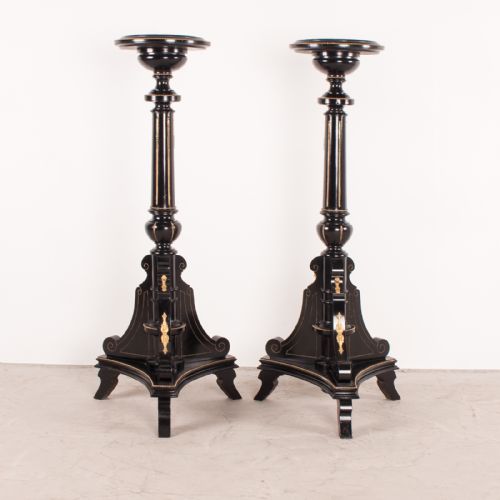
Carpenters and cabinetmakers utilised dense timbers such as mahogany, walnut and ebonised wood, often turning them on a lathe into barley twist or fluted shafts. Many incorporate carved detail, while others employ brass fittings, ormolu collars and gilded highlights.
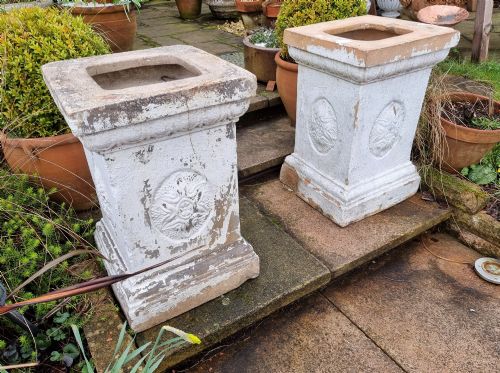
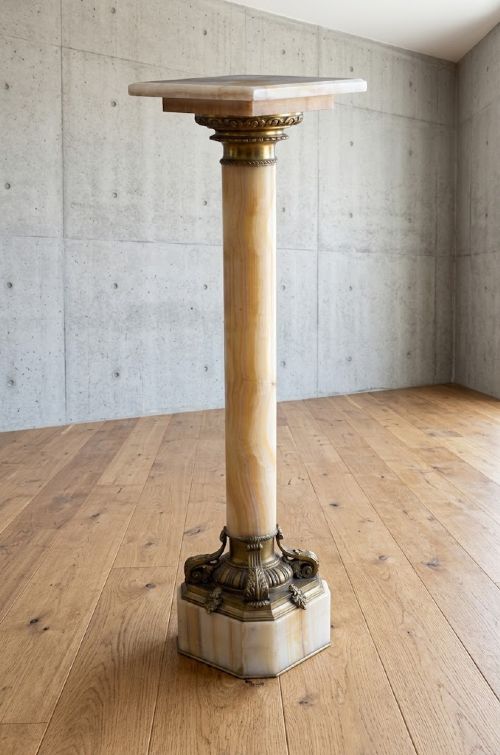
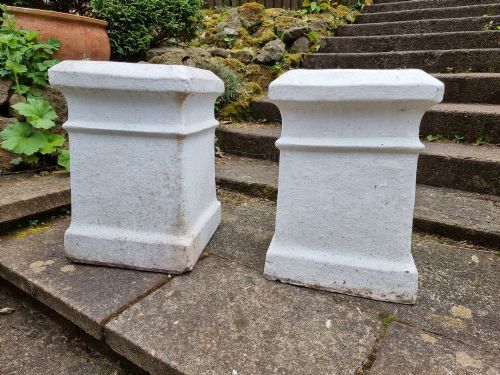
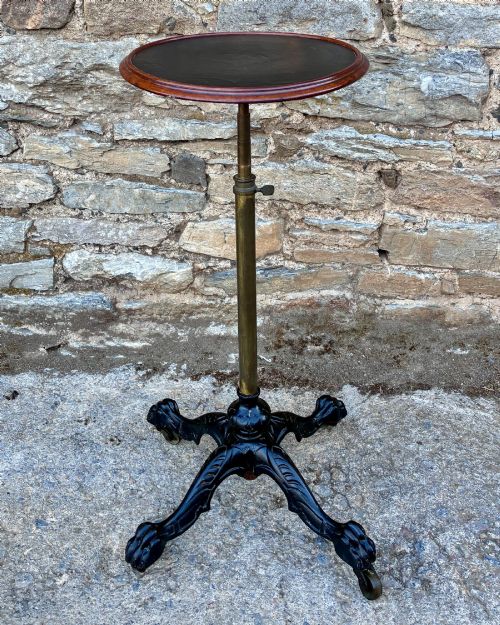
More heavy-duty iterations utilise cast iron, terracotta, and marble tops or columns. Surface finishes include painted decoration, polish and natural wood grains, providing sturdy support for heavy planters and busts.
Listings feature nineteen-century pieces constructed from mahogany, walnut, cast iron, marble and terracotta.
What varies in quality
The distinction between ordinary and superior pieces rests on the crispness of the hand-carving and the selection of timber. Fine examples show thoughtful proportion in the turned column and secure joining at the tripod or plinth base.
Material quality also dictates the tier of the piece, particularly with inset marble slabs, heavy cast iron mouldings or finely cast ormolu collars. Structural rigidity under weight separates utilitarian workshop output from ambitious cabinet work.
Druce & Co London·Shoolbred
The Victorian Pedestal Plant Stand Glossary
- Torchère
- A tall, slender stand designed to hold a lamp, plant or decorative object. Originating in the seventeenth century for lighting, nineteenth-century examples frequently function as plant supports.
- Jardiniere
- An ornamental pot or stand for holding flowers and plants. These vessels often integrate directly into the top of a pedestal or table.
- Ormolu
- Gilded bronze mounted onto furniture or decorative columns. It provides bright metallic contrast against dark walnut or mahogany timber.
- Ebonised
- Wood treated with a dark stain or finish to imitate ebony. This technique was favoured during the Victorian era for dramatic contrast.
- Plinth
- The heavy base or lower block supporting a column or statue. It provides stability for tall, top-heavy plant stands.
Victorian Pedestal Plant Stand: Frequently Asked Questions
What is a victorian pedestal plant stand used for?
These tall stands elevate potted plants, ferns, bronze figures and lamps above floor level to catch better light in a room. They place greenery or decorative items at eye height.
Historically, they filled empty corners or flanked doorways in Victorian drawing rooms and conservatories. Today they serve the exact same purpose in domestic interiors.
How do I place a plant stand in a room?
Position your stand in a bright corner, beside a window or flanking a fireplace to draw the eye upward. Taller torchères work well against bare walls.
Ensure the base sits firmly on the floor, especially if the stand supports a heavy marble top or large terracotta planter. Keep them away from high-traffic walkways to prevent accidental tipping.
How do I date a pedestal stand?
Examine the timber, turning style and secondary woods to establish age. Pieces from the nineteenth century often show hand-cut joinery and traditional French polish.
Stylistic clues such as Aesthetic Movement ebonising or Gothic Revival trefoil motifs help narrow down the decade. Heavier cast iron and terracotta variations frequently point to garden or conservatory use from the middle to late Victorian period.
What is the difference between a torchère and a pedestal?
A torchère specifically refers to a tall, slender stand historically meant for illumination and featuring a small top platform. A pedestal is generally broader and built to support busts, urns or heavy plant pots.
In nineteenth-century listings, the terms often overlap because makers adapted tripod and column designs for multiple domestic functions.