


Victorian Indoor Cachepot
These Victorian indoor cachepot selections offer ornamental vessels designed to hold potted plants within nineteenth-century drawing rooms.

Victorian Indoor Cachepot
A victorian indoor cachepot serves as a decorative outer container meant to conceal standard growing pots inside domestic interiors. Buyers examining this page encounter diverse vessel forms including cylindrical, square, and footed planters intended for parlour flora.
The assortment relies heavily on metalwork vessels alongside ceramic and pottery examples. Brass and copper dominate the metal offerings, while earthenware and stoneware represent the ceramic output.
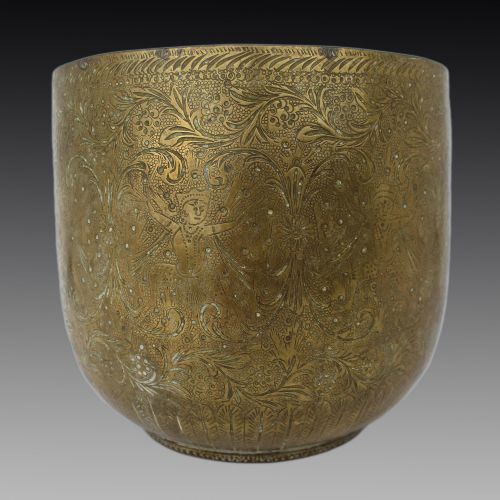
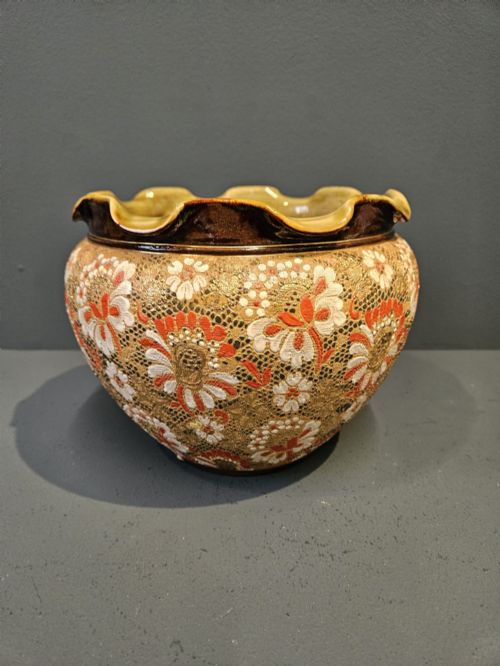
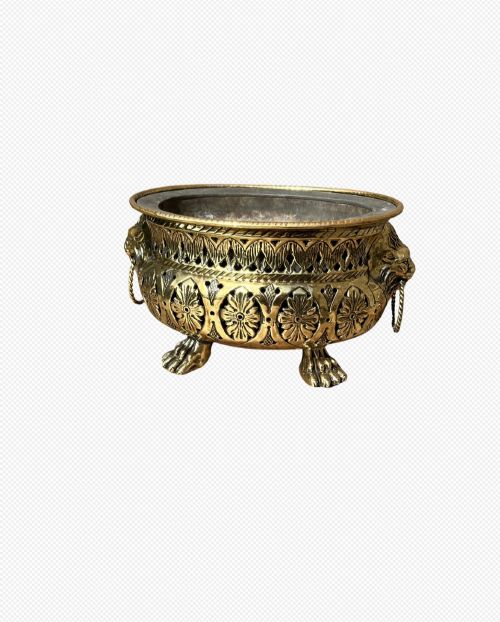
Originating largely from the nineteenth century, these jardinieres and plant stands span stylistic movements from Arts and Crafts to Art Nouveau and Gothic revivals. Metal examples frequently display hand-engraved surface patterns or pierced detailing, whilst ceramic pieces incorporate majolica and salt glaze techniques.
How they were made
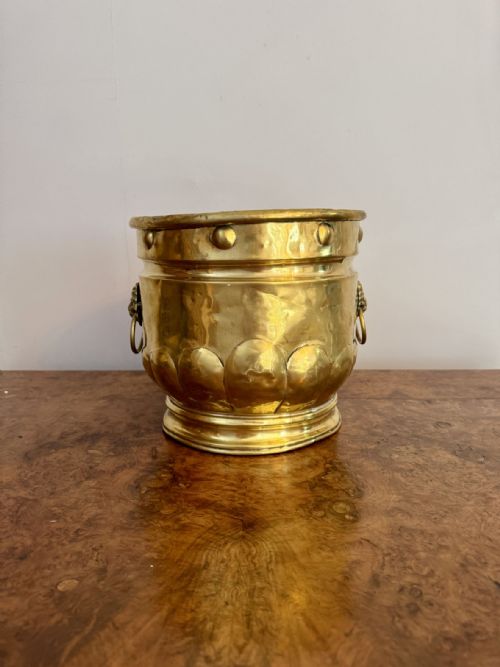
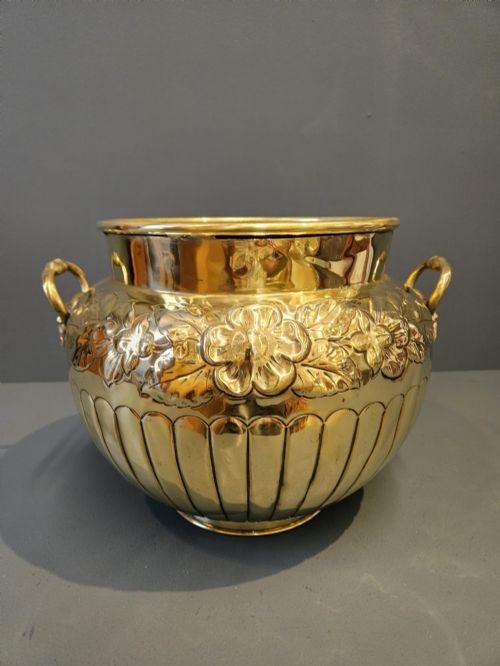
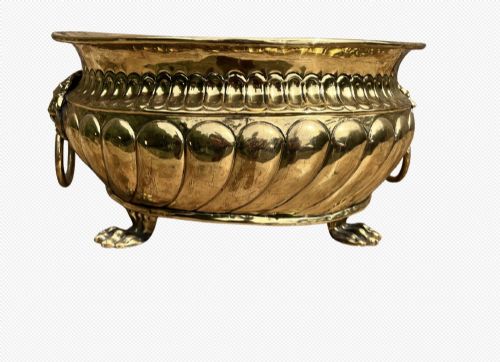
Makers utilised heavy gauge sheet brass and copper, hammering, piercing, and joining the metal sheets to form sturdy cylindrical or square bodies. Workshops often incorporated cast brass handles, such as lion masks, affixed securely to the main body.
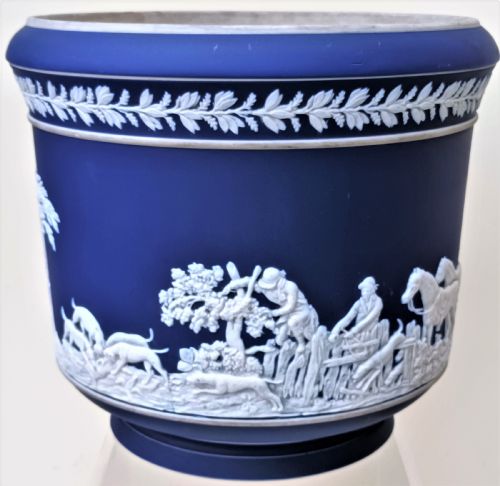
Ceramic examples required specialised throwing and moulding of earthenware and stoneware clay bodies. Potters applied rich glazes, jasper ware details, or majolica finishes before firing the pieces in kilns.
Listings feature brass, copper, stoneware, ceramic, and earthenware materials across the nineteenth-century period.
What varies in quality
The calibre of a victorian indoor cachepot depends significantly on the crispness of the hand-engraving and the structural integrity of the metal joints or ceramic walls. Superior examples display thick, heavy metal gauge and well-defined decorative motifs rather than thin, pressed sheet work.
Material choice and finishing details separate standard production items from distinguished studio or factory pieces. Original components, such as integrated handles or matched ceramic inserts, elevate the integrity of the surviving vessel.
Doulton Lambeth·Royal Doulton·William Adams And Sons·Royal Worcester·Minton
The Victorian Indoor Cachepot Glossary
- Cachepot
- A decorative container used to hold an ordinary flowerpot and catch drainage water. The French term translates directly to hide pot.
- Jardiniere
- An ornamental pot or stand for flowers or plants, typically used indoors during the Victorian period. These vessels range from heavy brass bowls to glazed ceramic planters.
- Majolica
- A type of earthenware decorated with opaque coloured glazes over a tin-enamelled base. This technique produced vibrant, glossy surfaces popular for nineteenth-century botanical vessels.
- Jasper ware
- A fine-grained, unglazed stoneware developed by pottery manufacturers, characterised by applied white reliefs against a coloured background. Blue jasper ware remains particularly notable.
- Arts and Crafts
- A design movement valuing handcraftsmanship, traditional materials, and simple forms over mass production. Copper and wrought iron planters frequently reflect this aesthetic.
Victorian Indoor Cachepot: Frequently Asked Questions
What is a cachepot?
A cachepot is an ornamental outer vessel designed to hold a standard plant pot and conceal the utilitarian container beneath.
In Victorian interiors, these vessels allowed houseplants to sit directly on parlour tables and plant stands without causing water damage to furnishings.
How do you use them?
Place a potted plant inside the decorative container, ensuring a saucer sits at the bottom to catch any excess irrigation water.
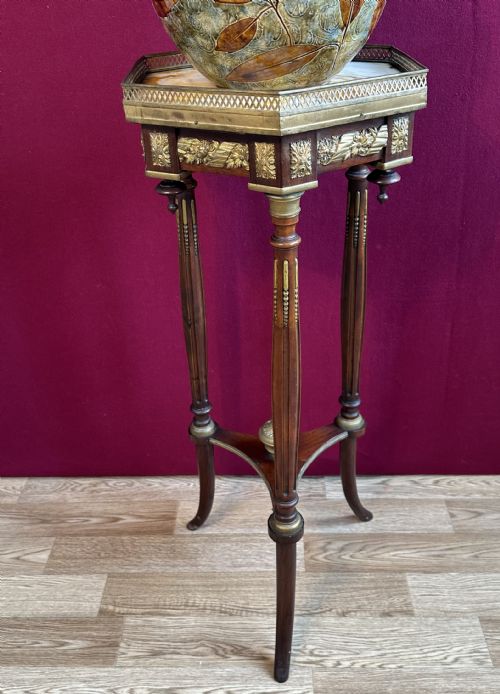
They suit tabletops, sideboards, and dedicated plant stands within living spaces and hallways.
How do I identify periods?
Examine the materials, manufacturing marks, and stylistic indicators such as Arts and Crafts hand-hammering or Gothic revival motifs.
Nineteenth-century metal vessels often display distinct hand-engraving and heavier construction than later reproductions.
Are they waterproof?
Many metal and glazed ceramic pieces hold water, though older joints or unglazed earthenware can seep moisture over time.
Using a separate inner saucer protects the antique base from mineral deposits and dampness.