

Vintage Urn Planters
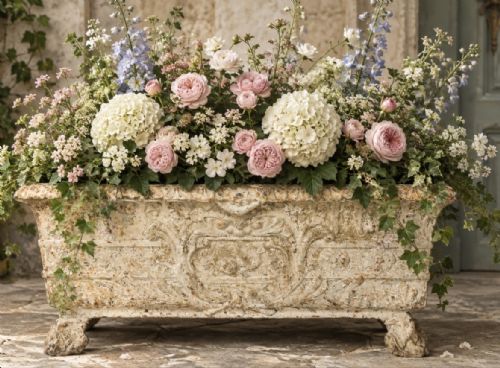
These vintage urn planters bring classical form to garden borders and terraces, offering enduring structure for planting.
Vintage Urn Planters
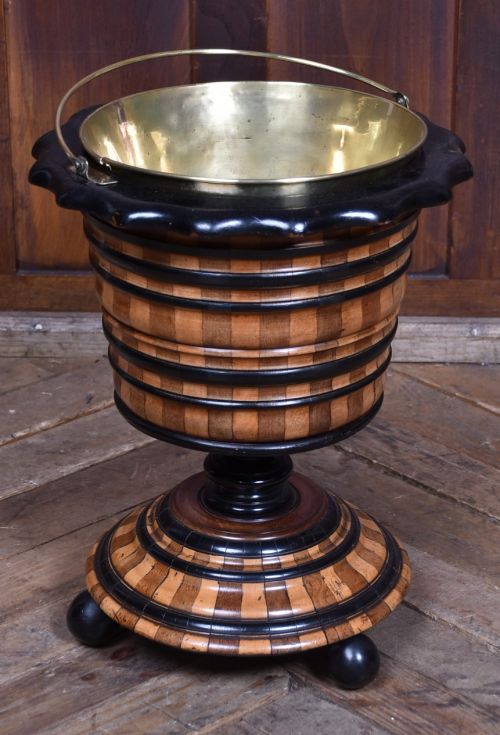
Vintage urn planters encompass robust garden vessels and indoor plant containers designed to display foliage. When searching for vintage urn planters, buyers encounter a diverse selection spanning the nineteenth century through the early decades of the twentieth century.
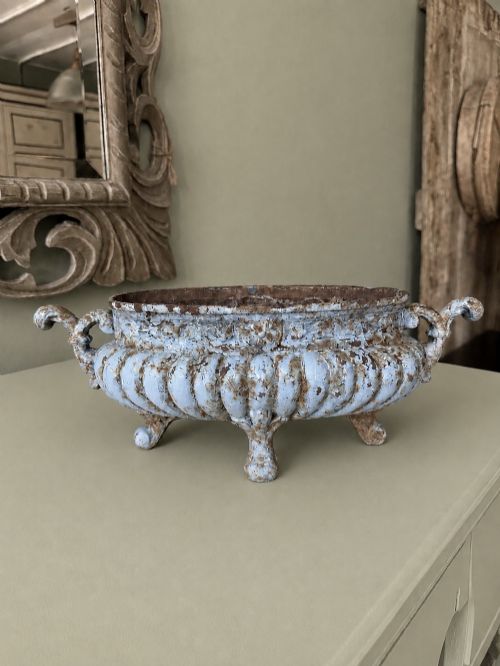
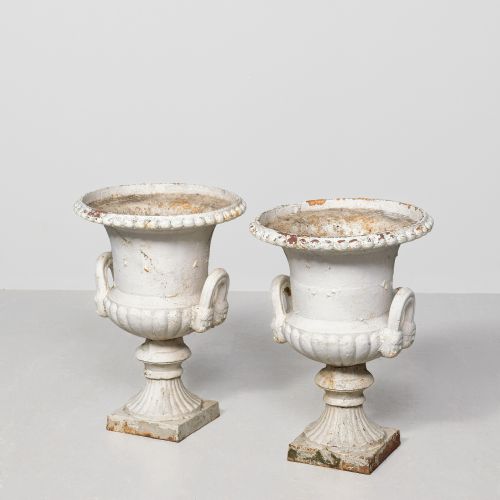
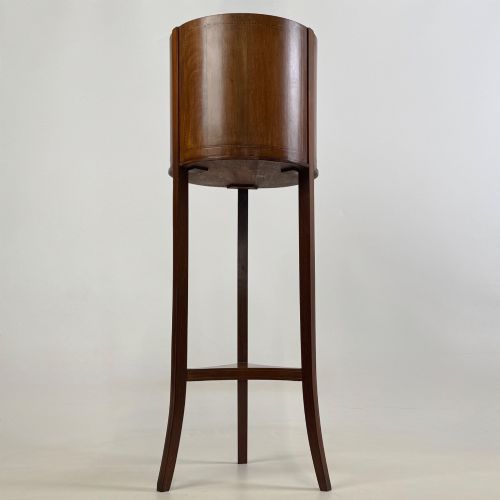
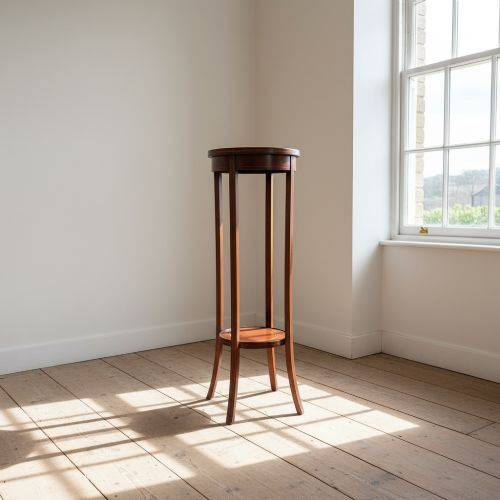
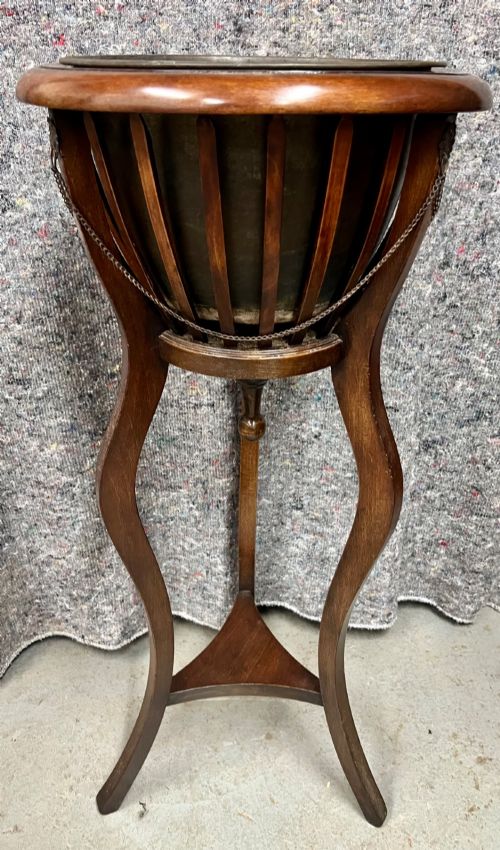
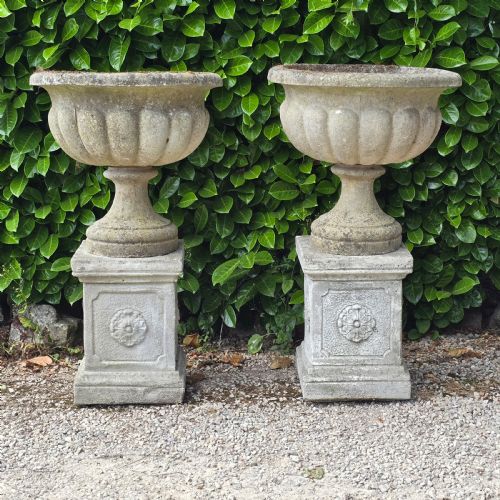
The objects take many forms, including traditional Campana shapes on pedestals, low jardinieres, and specialised plant stands. Origins range from British foundries and Scottish potteries to French provincial workshops and Italian makers.
Stylistic influences draw heavily on neoclassical traditions, Gothic revival patterns, and rustic Mediterranean designs. These pieces function primarily as focal points for gardens, patios, and conservatory spaces.
How they were made
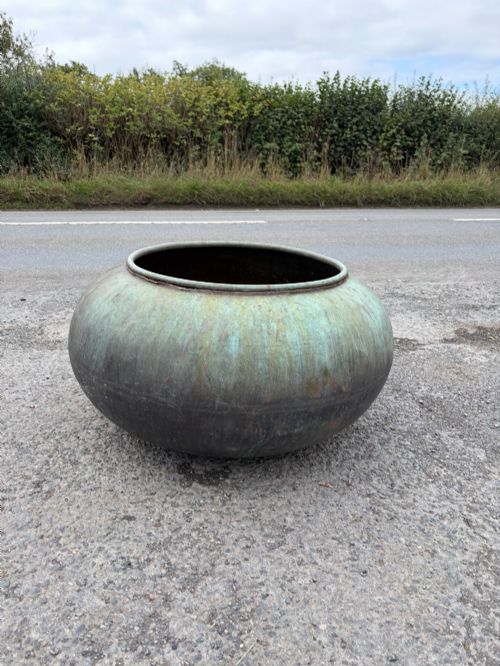
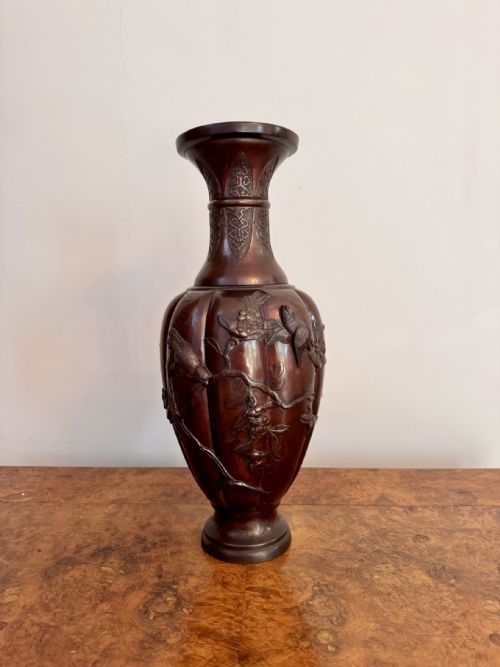
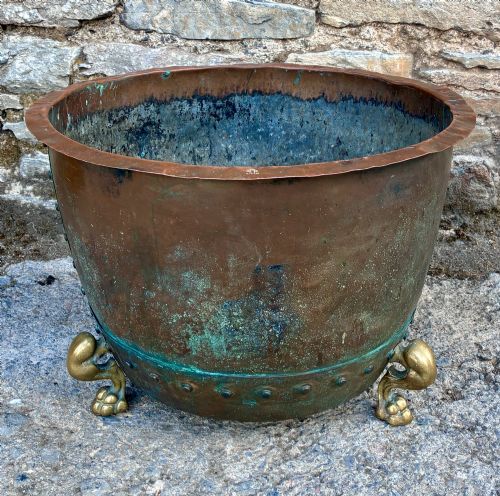
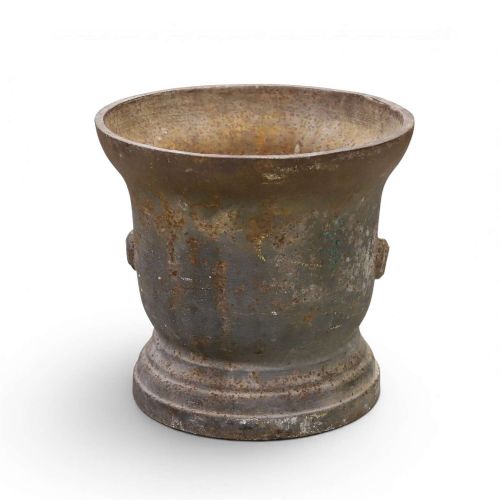
Metal vessels rely on foundry techniques, utilising cast iron, bronze, brass, and copper. Iron urns emerge from moulds in notable foundries, while copper and brass pieces often feature riveted construction or hand-embossed surface work.
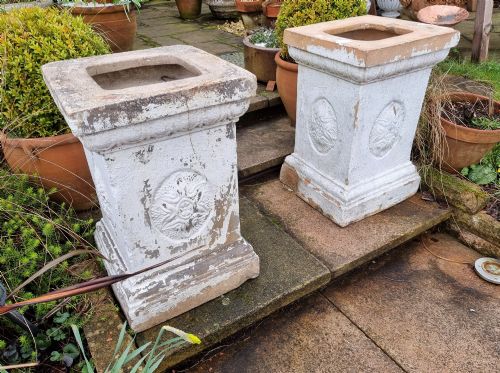
Ceramic and stone versions utilise local clays and stone aggregates. Terracotta and majolica pots undergo kiln firing, and cast stone or reconstituted stone items achieve their form through durable moulding processes.
What varies in quality
Quality rests upon the crispness of the cast ornament and the integrity of the material. Superior cast iron and bronze examples display sharp detailing in classical motifs like foliage and handles, whereas lesser pieces lose definition.
The patination and surface age contribute significantly to the character of each piece. Original weathered paint, natural verdigris on copper, and mellowed terracotta surfaces indicate genuine age and proper weathering.
Dunfermline Clay Company·Coalbrookdale·Andrew Handyside·Val D Osne Foundry
The Vintage Urn Planters Glossary
- Campana
- A bell-shaped garden urn originating from classical antiquity. These vessels typically feature flared rims and sit on circular pedestals.
- Jardiniere
- An ornamental pot or stand designed to hold flowers or growing plants. Indoor versions often appear in brass, copper, or ceramic materials.
- Terracotta
- Fired unglazed clay exhibiting warm reddish-brown tones. Porous by nature, this material allows air and moisture to reach plant roots.
- Patina
- The surface appearance acquired by materials through age and exposure. This layer develops naturally on metals, stone, and terracotta over decades.
Vintage Urn Planters: Frequently Asked Questions
How do I care for cast iron urns?
Cast iron garden vessels withstand outdoor elements well, though monitoring surface moisture helps prevent excessive corrosion. Applying protective treatments maintains the underlying metal.
During freezing winter months, keeping the vessels drained prevents internal ice expansion from cracking the cast structure.
Can indoor plant stands hold heavy pots?
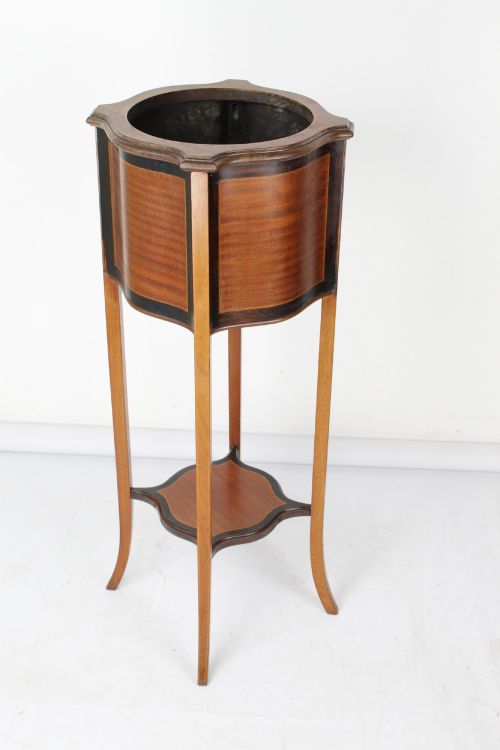
Edwardian plant stands constructed from solid mahogany or brass provide sturdy support for standard potted greenery. Checking the joinery ensures the structure remains stable.
Heavier ceramic or cast metal planters require the robust support of floor-standing pedestals rather than slender occasional stands.
How do I identify a Campana urn?
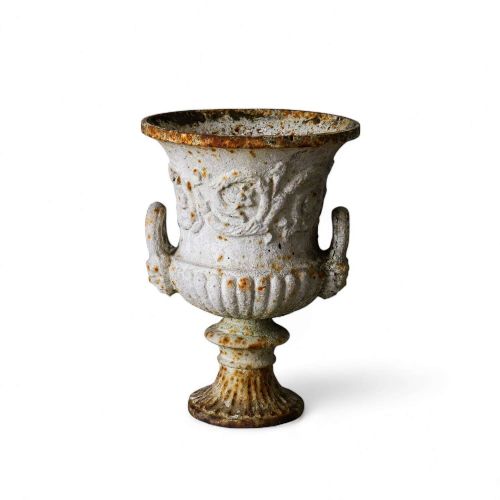
Campana urns feature a distinct inverted bell profile with an everted rim and a stepped pedestal base. Classical relief decoration often encircles the body.
Originating from classical forms, these pieces became popular in nineteenth-century gardens cast in iron or formed from terracotta.
Are terracotta urns frost-proof?
Terracotta is a porous earthenware material that absorbs moisture from damp soil and rainfall. Freezing temperatures cause this absorbed water to expand, which can crack the clay.
Moving terracotta planters indoors during winter or emptying and wrapping them protects the material from frost damage.