

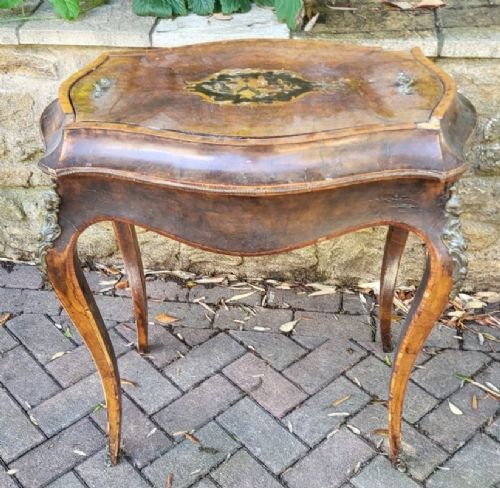


Victorian Walnut Planter
These walnut Victorian planters are grand plant stands and jardiniere tables that bring nineteenth-century botanical display indoors.

Victorian Walnut Planter
A victorian walnut planter functions primarily as an indoor plant stand or jardiniere table, often doubling in form as a wine cooler, cellarette, or side table. The examples available range from carved Art Nouveau pieces and marquetry-inlaid containers to coopered peat tea buckets and lidded occasional tables.
Most pieces date from the nineteenth century, specifically spanning decades from eighteen-fifty to eighteen-ninety, executed in standard walnut or figured burr walnut. Buyers will frequently encounter round, oval, or square forms supported on slender legs or pedestals, designed to hold potted plants or floral arrangements within living spaces.
How they were made
Cabinetmakers constructed these items using solid and veneered walnut, frequently selecting burr walnut for its rich, swirling grain patterns and applying intricate marquetry or inlay. Metal components such as brass, zinc, and ormolu mounts provided structural lining for damp soil or served as decorative feet and handles.
Construction techniques included coopered stave work for bucket-style vessels alongside traditional cabinet joinery for table frames and lift-off lids. Carved details and applied ornamentation reflected prevailing revivals, including Rococo and Louis styles, as well as later Art Nouveau influences.
Victorian Walnut Planter Retail Price Guide 2026
Typical asking prices for victorian walnut planter among the pieces listed under this phrase on Sellingantiques today, from the lower quarter to the upper quarter. They describe what is for sale here now, not the wider market.
Listings demonstrate a frequent use of burr walnut, brass, and ormolu across nineteenth-century Victorian periods.
What varies in quality
Quality rests upon the selection of timber veneers and the precision of the marquetry work, with burr walnut and multi-wood inlay marking the higher tier of production. The crispness of carved wooden details and the heaviness of cast brass or ormolu mounts distinguish standard utility pieces from grander salon examples.
The integrity of the interior lining, whether original metal or zinc insert, affects the practical condition and historical completeness of the piece. Finer examples retain working lift-off lids, sound coopered staves, and well-balanced proportions across table and bucket forms alike.
The Victorian Walnut Planter Glossary
- Jardiniere
- An ornamental pot or stand for holding plants or flowers. These items often take the form of small tables or decorative buckets.
- Burr walnut
- A prized wood veneer taken from the warted growths on walnut trees. It yields complex, highly figured patterns used on high-status nineteenth-century furniture.
- Marquetry
- Decorative veneer work forming pictures or geometric patterns. Craftsmen piece together thin slices of various woods such as walnut and purpleheart.
- Ormolu
- Gilt bronze ornamentation applied to furniture and decorative items. This cast metal adds metallic contrast to the wooden surfaces.
- Coopered
- Built from vertical wooden staves bound together with hoops. This method originates from barrel-making and appears on bucket-form planters.
Victorian Walnut Planter: Frequently Asked Questions
How were Victorian planters used?
These vessels held potted ferns and flowering plants inside nineteenth-century drawing rooms and parlours.
Many incorporated metal or zinc liners to protect the surrounding wooden cabinetry from moisture during watering.
Can these hold real plants today?
They can accommodate potted plants provided the interior metal or zinc liner remains watertight.
Using a separate inner pot prevents water from coming into direct contact with the antique wood or veneer.
What is a jardiniere table?
A jardiniere table combines a plant container with an occasional or side table surface.
Some feature lift-off lids that convert the plant well into a flat table top when needed.
How do I date these pieces?
Dating relies on stylistic clues, timber choices, and construction methods spanning the nineteenth century.
Earlier examples often display Georgian survivals or simple coopered work, while later pieces show marquetry inlay and Art Nouveau carving.