
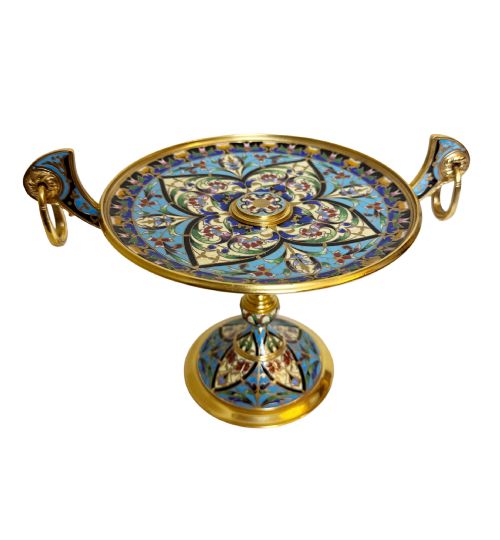
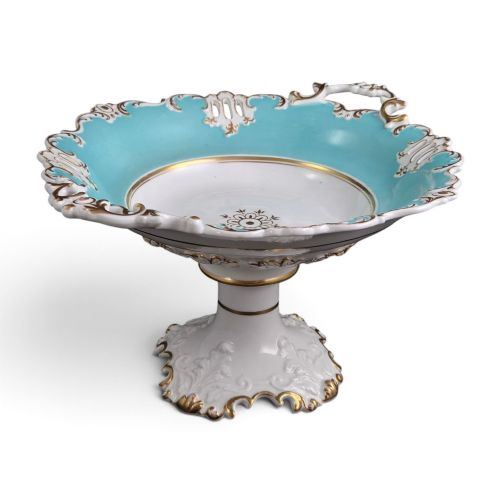
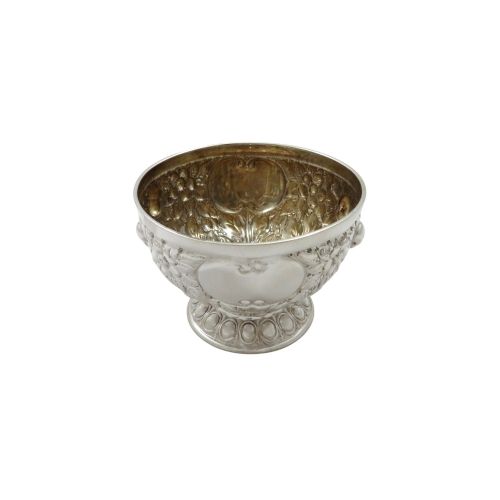
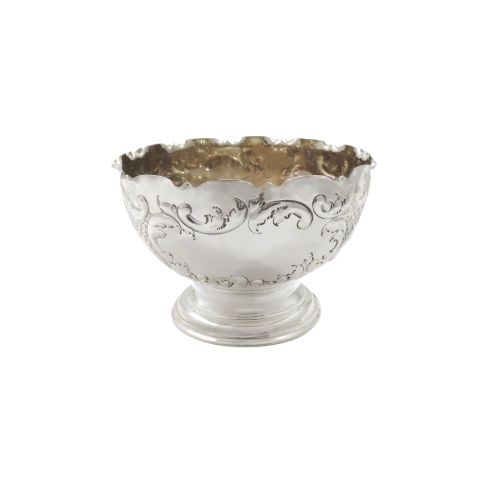

Victorian Pedestal Fruit Bowl
A victorian pedestal fruit bowl brings weight and a raised silhouette to a table, combining practical service with nineteenth-century display.
Victorian Pedestal Fruit Bowl
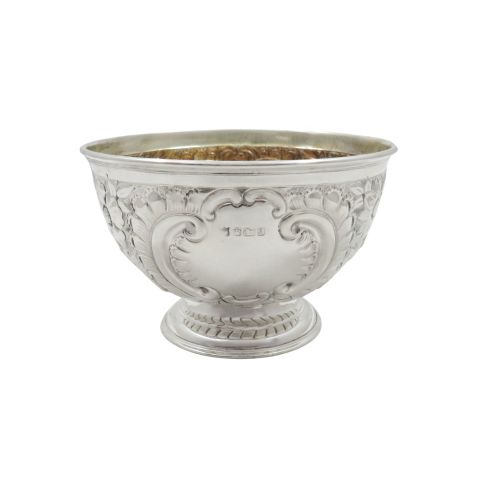
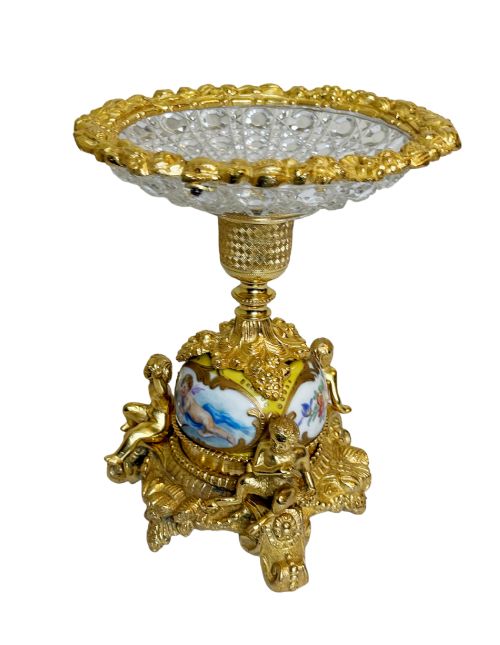
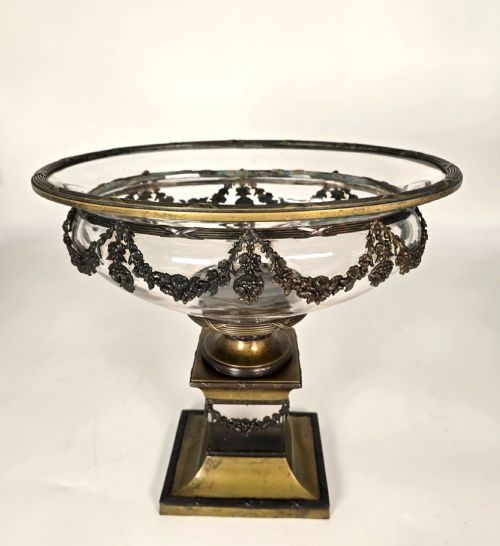
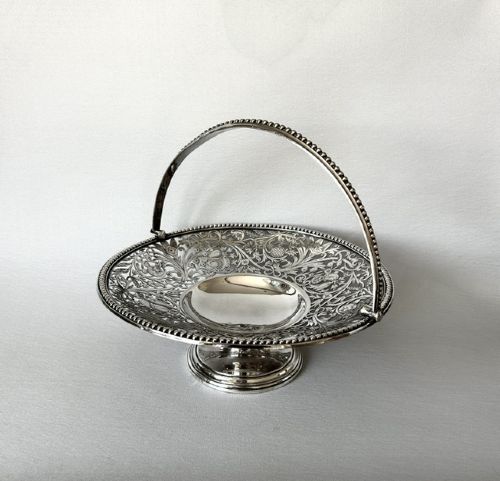
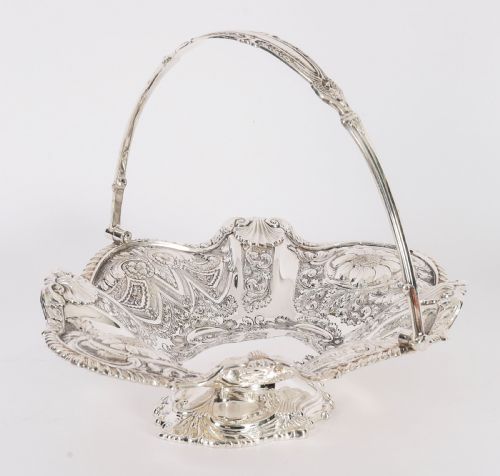
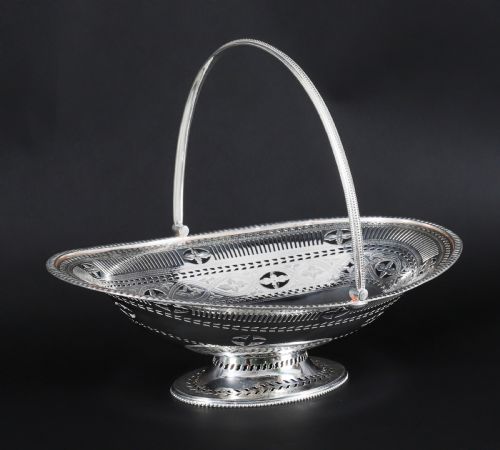
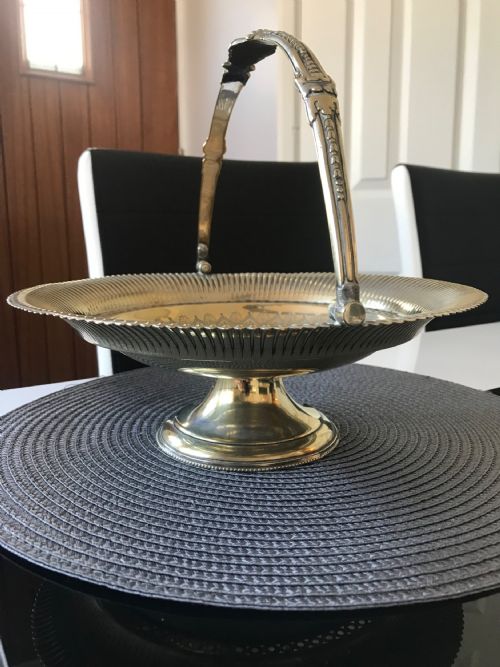
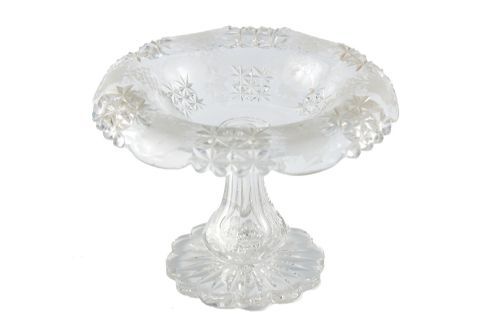
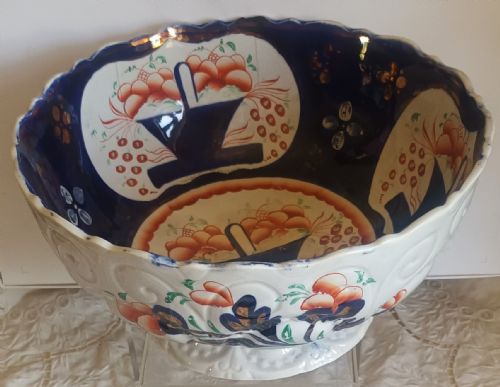
When you search for a victorian pedestal fruit bowl, you encounter raised footed vessels taking the form of comports, tazzas, centrepieces, and handled baskets. These pieces sit on a distinct base or foot, elevating fruit or decorative arrangements above the surface of the dining table or sideboard.
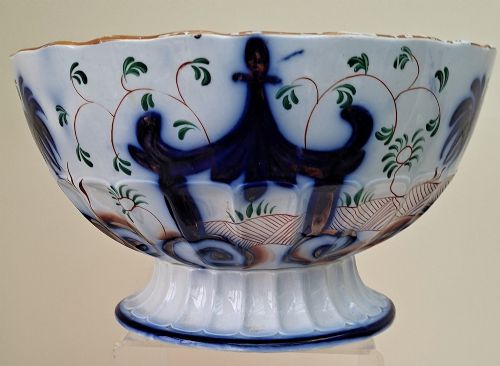
The selections span porcelain, earthenware, glass, and sterling silver alongside silver plate and gilt bronze mounts. Origin styles range from domestic Victorian design through to French Rococo Revival, Neoclassical, and Edwardian adaptations.
Materials and Techniques
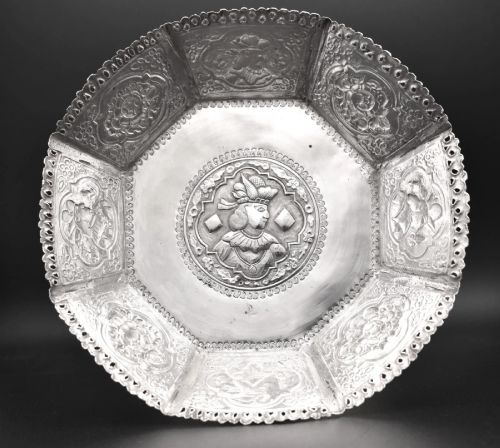
Metals such as sterling silver and heavy silver plate undergo piercing, repoussé work, and casting to create structured baskets and pedestal mounts, often paired with gilt bronze or brass. Ceramic examples utilise bone china, ironstone, and majolica, shaped into pottery footed bowls and detailed with painted or moulded floral motifs.
Glass vessels rely on hand-blowing, cutting, and engraving techniques, producing clear, coloured, or frosted crystal tazzas and bowls. Complex pieces combine these methods, setting moulded glass or porcelain bodies into cast bronze frameworks.
Current listings demonstrate a material range spanning sterling silver, silver plate, majolica, bone china, ironstone, and hand-blown cut crystal.
Distinctions in Execution
The caliber of a piece rests on the crispness of its manufacture, whether in the depth of hand-cut facets on crystal, the clarity of cast cherubs and botanical motifs on metal mounts, or the precision of hand-painted enamels on porcelain. Heavier gauges of silver plate and solid sterling provide structural integrity that lighter stampings lack.
Design cohesion also dictates merit, separating standard mass-produced wares from ambitious works featuring figural supports, figural handles, or complex multi-part assemblies executed by notable manufacturers.
George W. Scott & Sons Ltd·C.G. Schierholz & Sohn·Elkington & Co·W M F·Minton·Mason
The Victorian Pedestal Fruit Bowl Glossary
- Tazza
- A shallow bowl or plate mounted on a pedestal foot, traditionally used for serving fruit or sweetmeats.
- Comport
- A decorative footed dish or bowl used on the dining table for fruit or confections, interchangeable with compote.
- Repoussé
- A metalworking technique where the design is hammered into relief from the reverse side of the object.
- Majolica
- A type of earthenware glazed with tin-opacified enamels, known for vibrant coloured glazes and naturalistic moulded designs.
- Champlevé
- An enamelling technique where troughs are carved into a metal surface and filled with vitreous enamel before firing.
Victorian Pedestal Fruit Bowl: Frequently Asked Questions
What was a pedestal fruit bowl used for?
These vessels held fresh fruit, sweetmeats, or decorative displays at the centre of nineteenth-century dining tables. Their elevated design improved visibility and allowed service across the table.
Over time, they transitioned from active dining implements to decorative display items placed on sideboards or mantelpieces.
How do I identify a Victorian piece?
Examine the materials, manufacturing marks, and stylistic traits such as Neoclassical or Rococo Revival ornamentation. Silver pieces often carry hallmarks that date the exact year of production.
Ceramics and glass rely on registry marks, factory stamps, and characteristic period colour palettes to confirm their nineteenth-century origin.
Are silver plated bowls durable?
Silver plate from the nineteenth century often uses a substantial base metal like copper or nickel silver underneath a thick layer of silver. This construction provides solid weight and everyday resilience.
Careful cleaning preserves the remaining plating over decades of continued domestic use.
How should I display a footed bowl?
Place the piece on a sturdy dining table, sideboard, or centre table where its height and pedestal foot can be viewed from multiple angles. Natural light highlights the cut facets of crystal or the metallic sheen of silver.
Keep the vessel empty to showcase the interior form and decoration, or fill it with seasonal fruit as originally intended.