
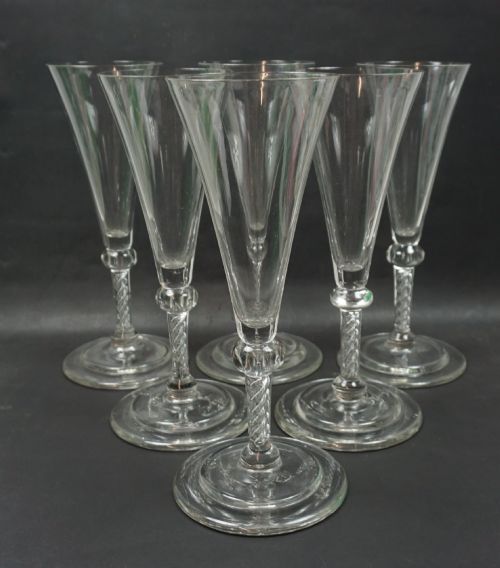


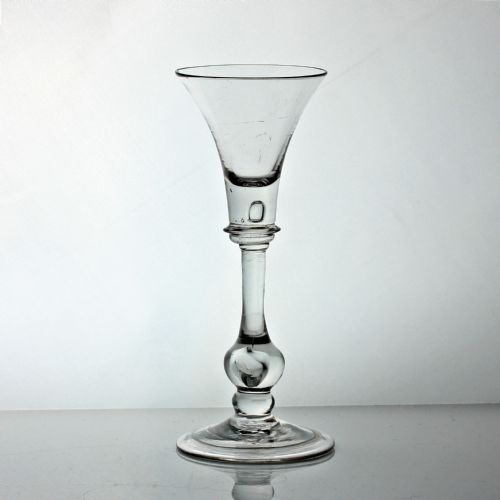

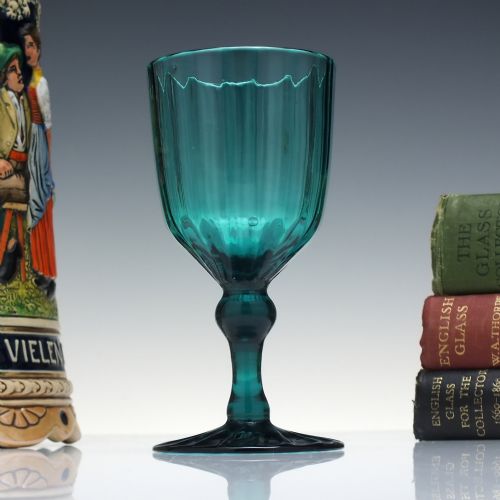
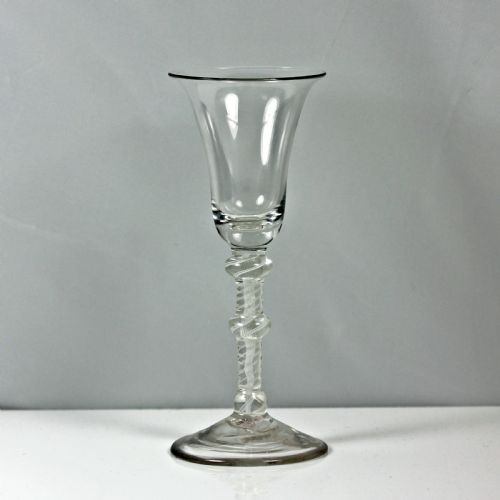


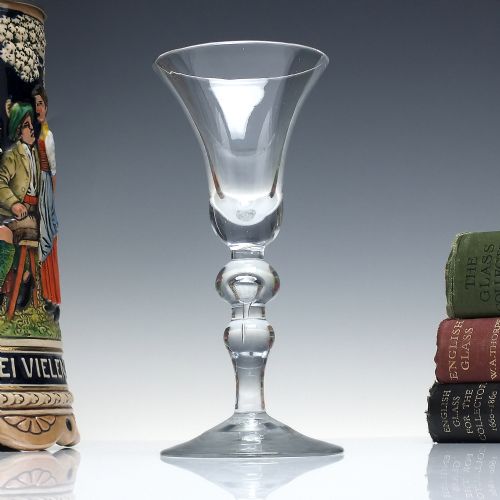


Knopped Stem Glass Bowl
These knopped stem glass bowl and wine glass selections offer tactile weight and historical charm that elevate any table.
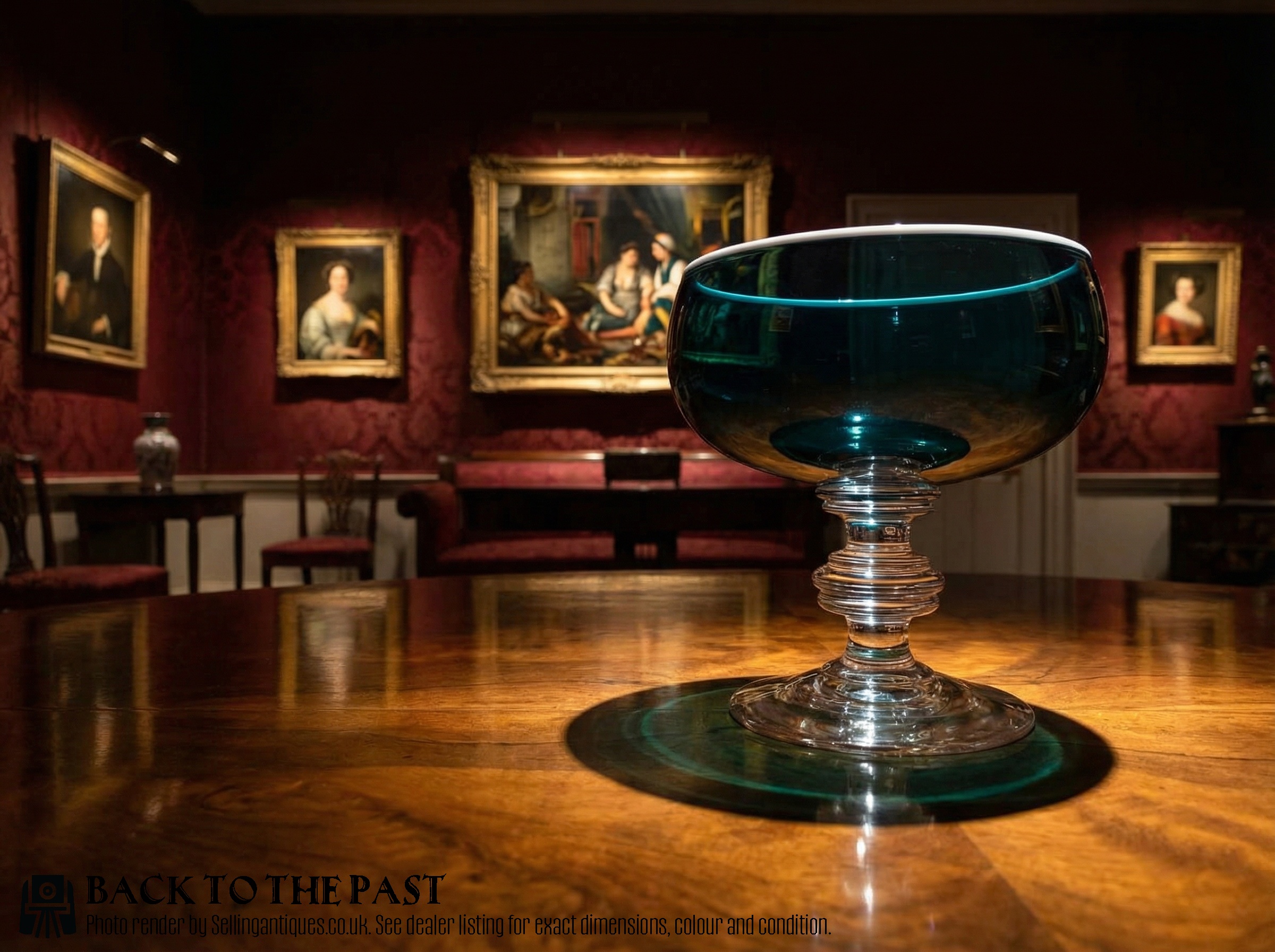
Knopped Stem Glass Bowl
When you search for a knopped stem glass bowl or related wine glasses, you are looking at tactile drinking vessels and display pieces defined by prominent nodes or swellings along the stem. The pieces available here span several distinct periods including the eighteenth century, Georgian era, Regency period, and Victorian times, alongside later revivals from nineteen-thirty.
The dominant forms on this page include traditional wine glasses, tall flutes, and decorative centrepiece bowls. Buyers most frequently encounter Georgian baluster and twist stem wine glasses alongside Victorian pedestal bowls and green glass variations.
These items originate primarily from English makers across multiple centuries, showing how glass-forming traditions evolved from heavy baluster drinking vessels to lighter twist formations and decorative nineteenth-century table pieces.
Materials and construction
The objects on this page are fashioned from lead glass, lead crystal, and clear or coloured glass, frequently utilising hand-blown techniques. Makers shaped the molten material into specific vessel forms while incorporating air twists, opaque twists, and ribbed moulding into the body.
Craftsmen built the signature stems by drawing out the metal and forming raised knots or balustroid profiles, sometimes incorporating air-tears trapped inside the glass structure. Decorative additions such as white enamel work further distinguish individual pieces.
Listings feature lead glass and hand-blown glass across eighteenth-century, Georgian, Regency, and Victorian periods.
Assessing quality in antique glassware
Quality rests in the crispness of the glass manipulation, particularly in how sharply the knops are defined and how evenly the twists travel through the stem. Heavy lead content provides a denser feel and clearer ring, which separates superior vessels from simpler productions.
The complexity of the internal formations, such as intricate double-series opaque twists or complex air-teared stems, indicates higher technical skill. Surface characteristics like rib moulding and enamel application also contribute to the distinction between standard utility items and finer decorative examples.
The Knopped Stem Glass Bowl Glossary
- Knop
- A swelling, knob, or protuberance on the stem of a glass. This prominent feature provides both a secure grip and a decorative accent.
- Baluster
- A heavy, swelling stem shape reminiscent of architectural balusters. These robust stems characterise many early eighteenth-century drinking vessels.
- Air Twist
- A spiral thread of trapped air running through the glass stem. Craftsmen created these effects by drawing out bubbles within the molten metal.
- Opaque Twist
- A white or coloured enamel thread twisted through a clear glass stem. This technique gained popularity during the Georgian period.
- Rib Moulded
- Glass blown into a patterned mould to create vertical ribs along the bowl or body. This treatment adds texture and catches the light effectively.
Knopped Stem Glass Bowl: Frequently Asked Questions
What is a knop on a glass?
A knop is a raised, rounded lump or node formed on the stem of a drinking vessel or bowl. It provides a tactile point for holding the piece securely in the hand.
In older glassware, these nodes served both a functional purpose and a purely decorative role, varying from simple swellings to complex multi-tiered formations.
How do I date an old wine glass?
Dating relies on observing the stem formation, foot shape, and manufacturing traits such as pontil marks on the base. Eighteenth-century examples often feature heavier baluster stems or delicate twist threads.
Later Victorian and twentieth-century pieces typically show different proportions, clearer metal, or standardised moulding techniques that distinguish them from earlier hand-blown items.
Can I use antique glasses for dining?
Many collectors enjoy using sturdy antique lead glass and crystal for special occasions, provided they receive careful handling. Hand washing in warm water prevents thermal shock and protects the historic material.
Delicate air twist stems and enameled surfaces require particular caution, leading some owners to reserve them strictly for display.
What is the difference between baluster and balustroid?
A baluster stem is typically heavy, thick, and clearly divided into distinct swelling nodes reminiscent of architectural supports. These are common in early Georgian glassware.
Balustroid describes a lighter, more slender version of the form, where the characteristic swelling is less dominant or occupies only a portion of a thinner stem.