


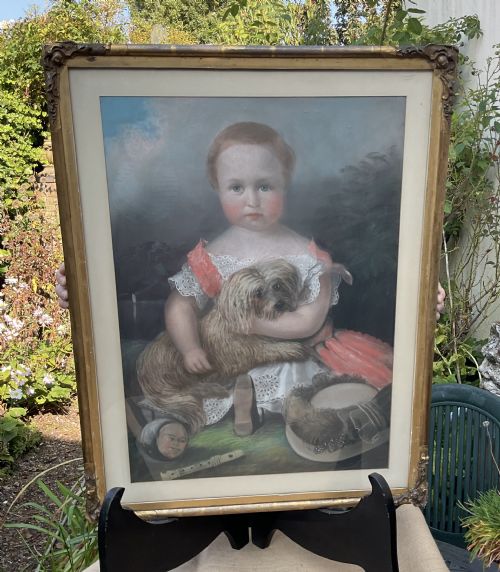


Victorian Pastel Drawing
A victorian pastel drawing brings the warmth of soft pigments and chalks to your wall, capturing 19th-century likenesses with rich, powdery texture.
Victorian Pastel Drawing
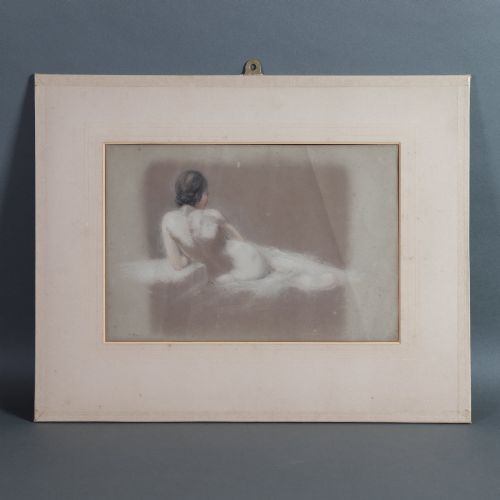
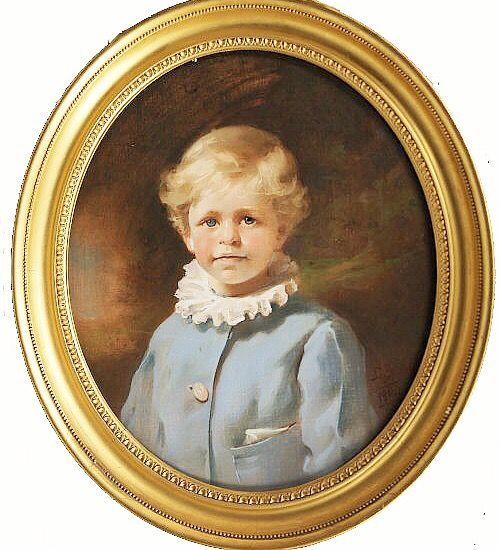
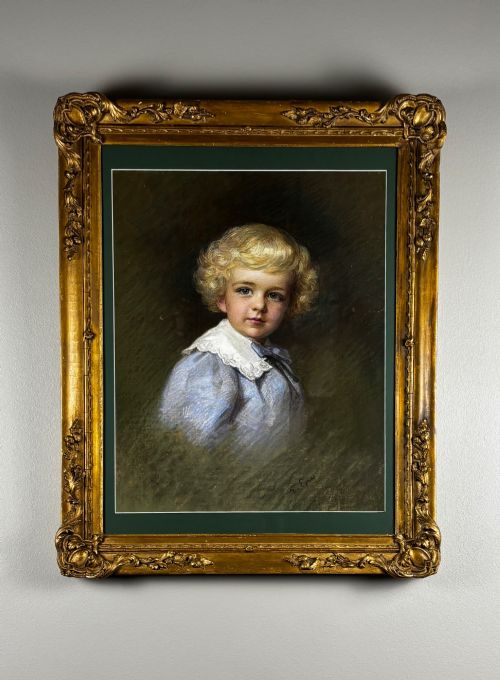
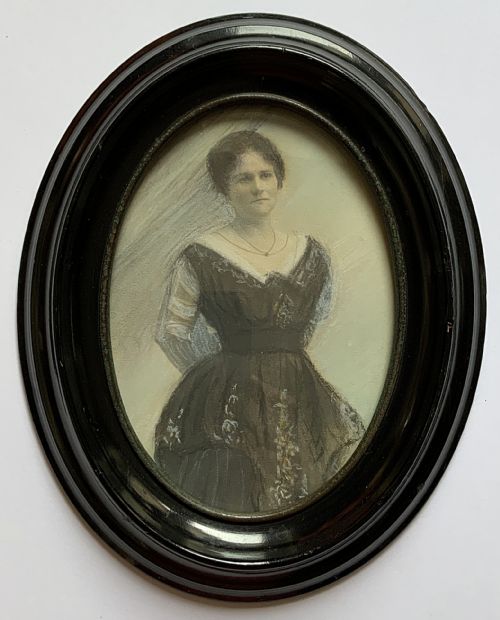
When you search for a victorian pastel drawing, you are looking at works on paper, canvas, and board that capture subjects from the 19th century and the Edwardian crossover into 1900. These pieces most commonly present themselves as framed portraits of children, ladies, gentlemen, and animals, alongside figurative studies.
The materials and styles span traditional portraiture, Romanticism, Orientalism, and Chinoiserie, reflecting the varied artistic pursuits of the 1800s. Works range from miniature paintings to large-scale wall art housed in period wooden and gilded frames.
What varies in quality
The finesse of the draughtsmanship separates a standard portrait from a masterwork, particularly in the handling of facial expressions, hands, and fabrics. Strong anatomical proportion and confident pastel application elevate the artistic merit.
Condition and preservation play a vital role, distinguishing works that retain their original vibrant pigments and crisp framing from those affected by fading, foxing, or heavy damp damage.
Canine subjects occasionally steal the show, evidenced by charming Victorian depictions of nursery poodles and grumpy cats.
William Etty·Emily Eyres·J Bizo·Robert Faulkner·John Macallan Swan·Josiah Gilbert·John Parry·George Richmond
The Victorian Pastel Drawing Glossary
- Pastel
- A dry art medium consisting of powdered pigment and a binder, shaped into sticks for drawing. It yields a velvety texture and rich colour depth.
- Chalk
- A soft, earthy limestone material used for preliminary sketches or as a primary drawing medium. It often accompanies pastel to define crisp outlines.
- Giltwood
- Wood that has been covered with a thin layer of gold leaf or gesso and gold paint. It provides a bright, reflective border for period frames.
- Foxing
- Brown spots or patches caused by mould and chemical reactions in older paper. It is a common occurrence in 19th-century works on paper.
- Miniature painting
- A small-scale artwork designed for intimate viewing. These pieces often feature delicate detail executed within a compact oval or rectangular frame.
Victorian Pastel Drawing: Frequently Asked Questions
Are these drawings always framed under glass?
Most authentic pastels require glass protection because the dry pigment sits loosely on the paper or canvas and lacks a liquid binder.
Glazing prevents accidental touching and keeps airborne pollutants from degrading the powdery colours over time.
How can I tell a Victorian pastel from a reproduction?
Examination under magnification reveals the tooth of the genuine period paper and the authentic age of the backing materials.
Modern prints display dot patterns or flat ink layers, whereas true pastels show physical depth in the layered chalk and pigment.
Where should I hang a pastel drawing at home?
These works need placement away from direct sunlight and high humidity to prevent the colours from fading and the paper from degrading.
Interior walls with stable room temperatures provide the ideal environment for displaying 19th-century pieces safely.