

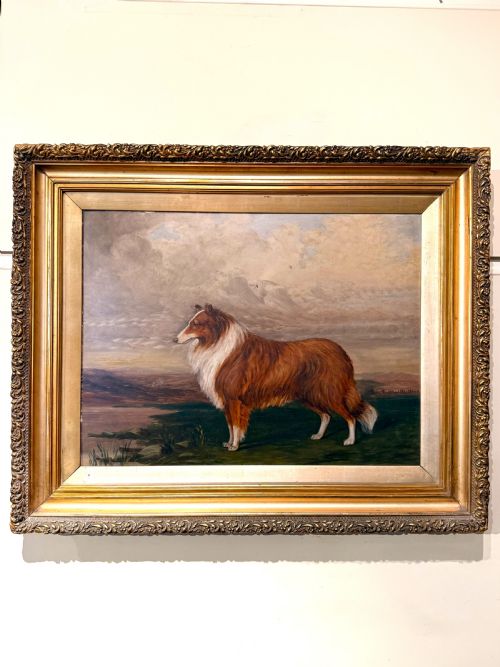
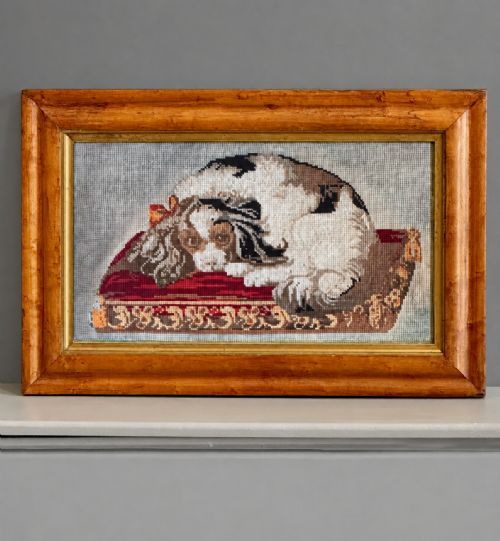
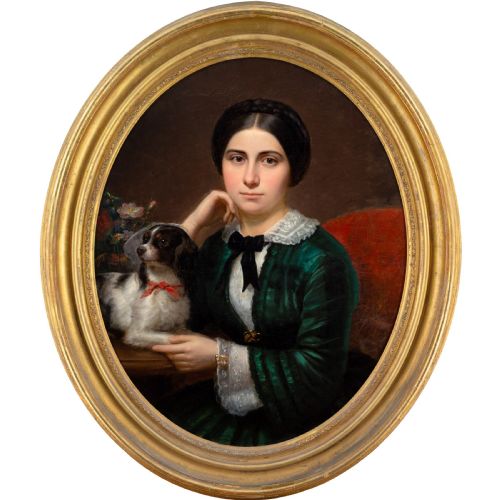
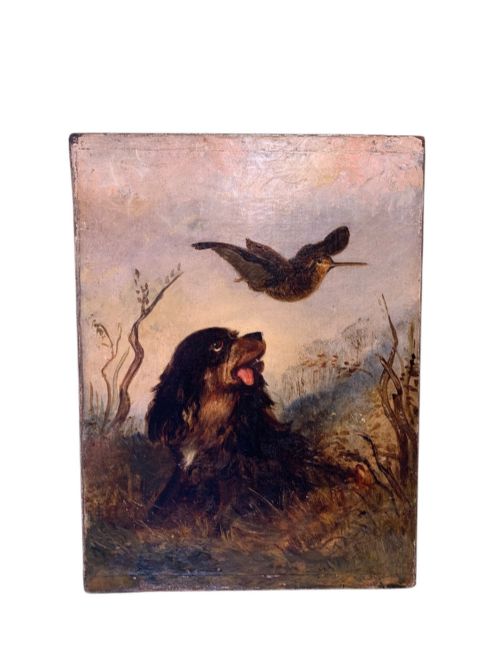


Victorian Portrait with Dog
A Victorian portrait with dog captures a quiet bond between subject and animal, bringing nineteenth-century life directly onto your wall.
Victorian Portrait with Dog
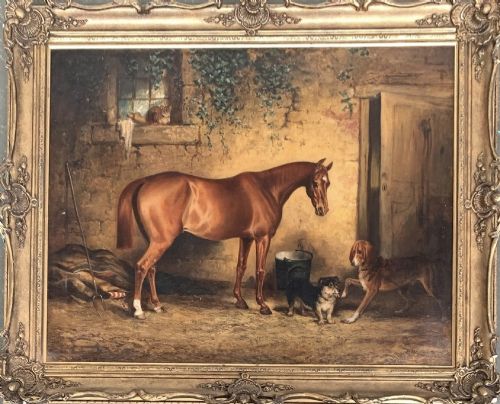
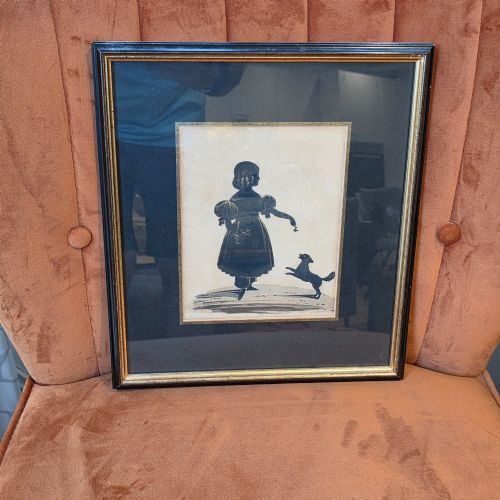
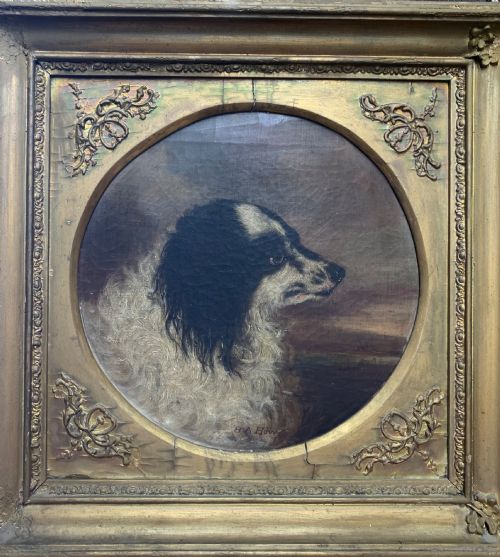
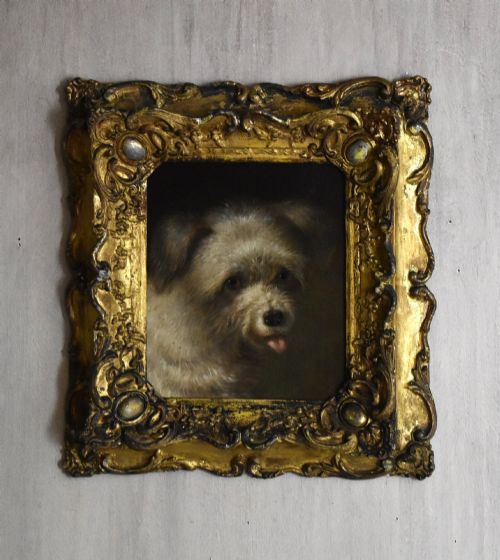
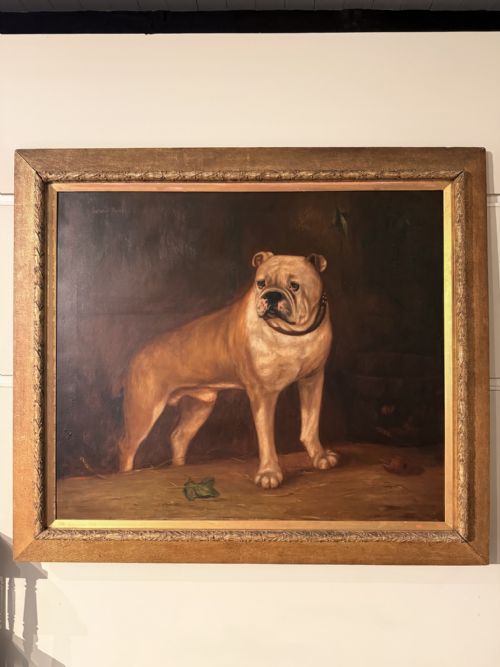
A victorian portrait with dog combines human likeness with canine companionship, recording children, ladies, gentlemen and sportsmen alongside their pets. You will encounter these mostly as oil paintings on canvas, though pencil drawings, watercolours and pastels also appear.
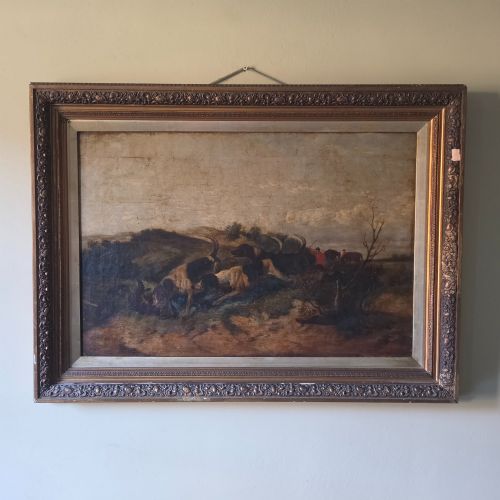
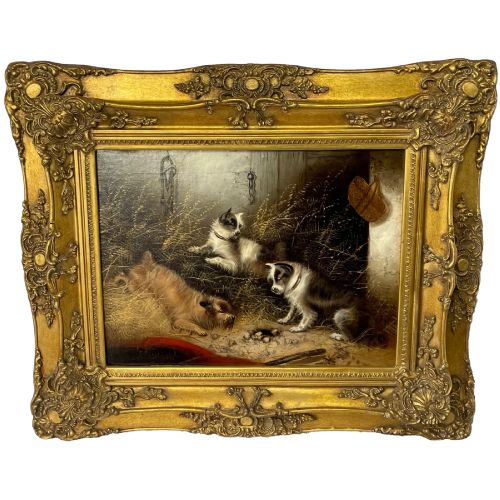
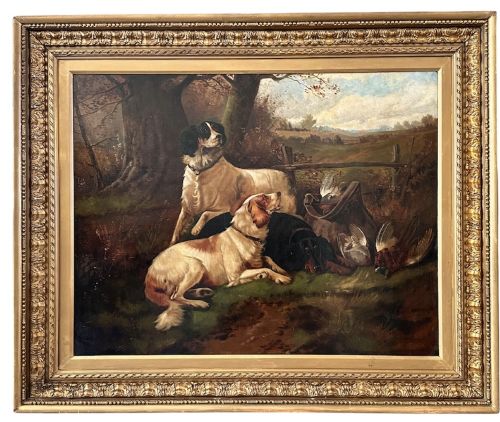
The subjects range from naive folk art depictions of children and simple interiors to formal equestrian scenes and sporting works by named artists. Dating spans from the mid-nineteenth century into the early twentieth century, reflecting varied provincial and continental hands.
Framing often involves gilded wood or gilt wood surrounds, preserving the original presentation of the artwork. These pieces offer a direct window into domestic and sporting life of the period.
Materials and methods
Artists relied primarily on oil paint applied to canvas sheets, building up subjects through layered brushwork. Paper served as the support for delicate pencil drawings and watercolours.
Gilded wood and glass protected and completed the framed artworks, securing the canvases and works on paper within period surrounds.
Listings feature works spanning from the nineteenth century into the Edwardian era, utilising oil paint, watercolour, pencil and pastel.
Quality and execution
Anatomical precision and expression separate accomplished academic works from naive folk art pieces. Skilled handling of light, fabric and animal fur distinguishes fine art portraits from simpler provincial depictions.
The quality of the original frame often mirrors the ambition of the painting itself, with elaborate gilt wood surrounds marking out superior commissions.
John Alfred Wheeler·Sydney Kendrick·Charles Bilger Spalding·Richard Buckner·Thomas Blinks·Samuel John Egbert Jones
The Victorian Portrait with Dog Glossary
- Oil on Canvas
- Pigment mixed with drying oil applied to a stretched woven fabric support. This was the primary medium for substantial nineteenth-century portraits.
- Naive Folk Art
- Artistic production created by self-taught or provincial makers working outside academic traditions. These pieces charm through direct observation rather than correct perspective.
- Genre Painting
- Depiction of aspects of everyday life by portraying ordinary people engaged in common activities. Dogs frequently feature in these domestic and outdoor scenes.
- Pastel
- A dry drawing medium consisting of powdered pigment and a binder. It creates soft textures well suited to intimate portraits of children.
Victorian Portrait with Dog: Frequently Asked Questions
Are all these portraits painted in oils?
While oil on canvas forms the majority of the works, you will also find pencil drawings, watercolours and pastels.
Each medium offers a distinct texture and level of detail, from delicate paper sketches to robust canvas paintings.
How do I date a portrait?
Dating relies on costume, hair styling, framing and any signatures or inscriptions left by the artist.
Many listings provide a specific year or period span based on these visual clues and documented artist lifespans.
Where should I hang these paintings?
These works suit traditional living spaces, studies and hallways where their narrative charm can be appreciated up close.
Keep them away from direct sunlight and damp walls to protect the canvas and gilded frames.
What is the difference between fine art and naive pieces?
Fine art portraits demonstrate formal academic training in proportion, perspective and likeness.
Naive folk art pieces prioritize expressive character and immediate charm over strict anatomical rules.