




19th Century Pastel Drawing
A 19th century pastel drawing brings velvet texture and immediate human presence into a room.
19th Century Pastel Drawing
When you search for a 19th century pastel drawing, you encounter works spanning the Georgian, Victorian, and Edwardian eras, predominantly taking the form of portraits, landscapes, and figure studies. These pieces capture sitters and scenes with a directness that oil paint often lacks, relying on powdered pigment fixed to a support.
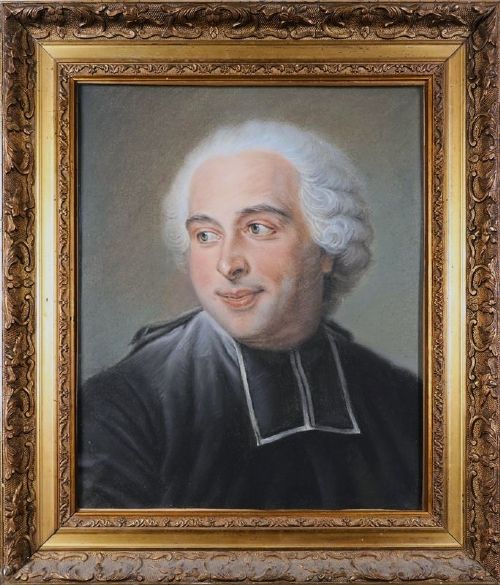
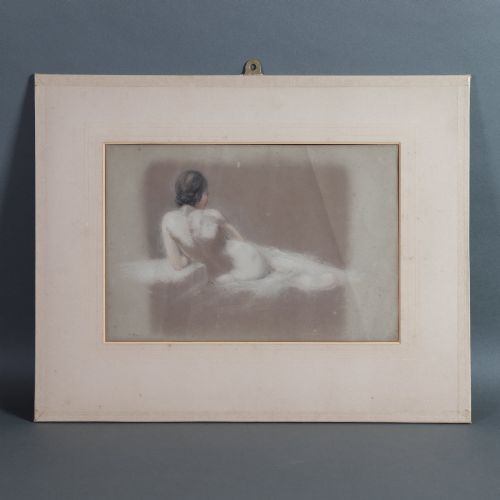
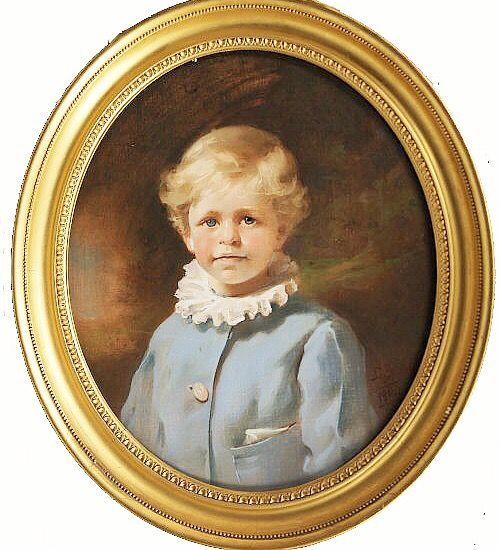
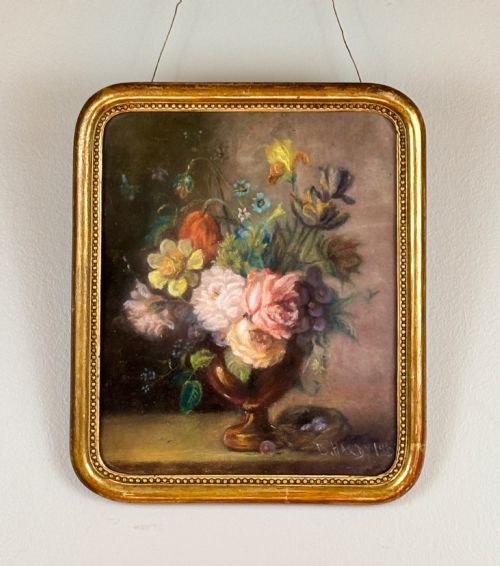
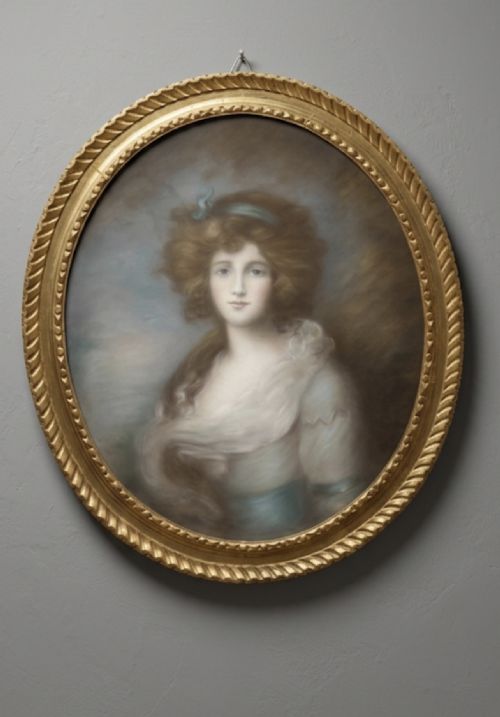
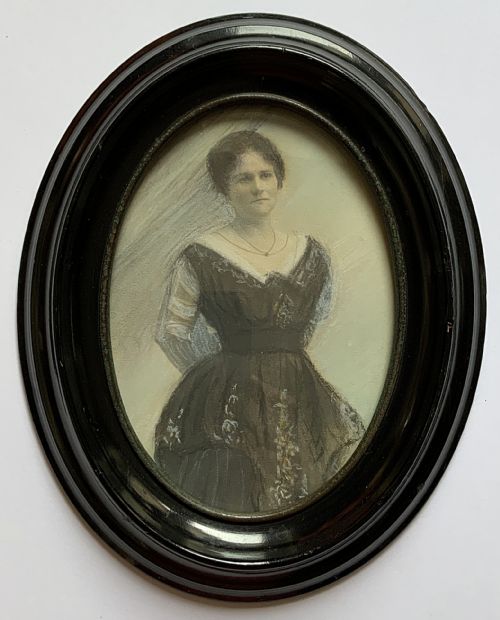
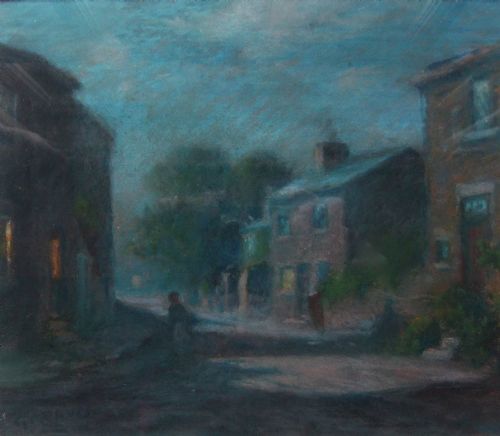
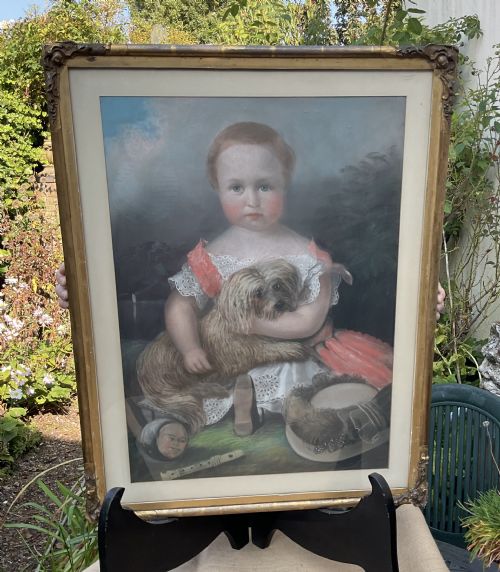
The most common examples on this page are framed portrait studies depicting women, children, and gentlemen, executed by British and French schools. Alongside these figures appear occasional landscapes, still lifes, and animal studies set behind glass in period frames.
Makers range from named artists working within academic traditions to anonymous hands belonging to the English School and French School. Each sheet records the texture of the period through varied applications of chalk and pigment.
Materials and Technique
Makers built these images using soft pastel, chalk, and sometimes watercolour or mixed media applied to paper and occasionally canvas. The dry pigment was layered and blended to achieve soft skin tones and deep drapery.
Because pastel is inherently fragile, survival depends entirely on the protection of glass and a secure wooden or giltwood frame. Many sheets retain their original mount boards and backing papers from the nineteenth century.
Listings feature paper, pastel, chalk, wood, glass, and giltwood across Victorian, Georgian, and Regency styles.
Evaluating the Pieces
Quality rests upon the sureness of the draughtsmanship and the preservation of the pigment layer beneath the glass. A skilled hand captures the luminosity of skin and the drape of a satin dress with minimal, confident strokes rather than heavy blending.
The survival of the surface determines the integrity of the work, as shifting pigment or heavy foxing on the paper alters the visual balance. Original framing in giltwood adds historical completeness to the piece.
William Etty·Leon Sprinck·Thomas Gainsborough·John Raphael Smith·Robert Faulkner·John Macallan Swan·Josiah Gilbert·Gaston Bouy·George Richmond
The 19th Century Pastel Drawing Glossary
- Pastel
- A medium consisting of powdered pigment combined with a binder and moulded into sticks. It permits direct application of pure colour to paper.
- Chalk
- A dry drawing material used alone or beneath pastel to establish initial lines and armature. It provides structural bone to portraiture.
- Giltwood
- Wood carved and coated with gold leaf or gilt composition, forming the traditional frame finish for nineteenth-century works on paper.
- Mixed media
- The combination of pastel with watercolour, gouache, or ink upon a single sheet. This technique strengthens areas where dry pigment requires fluid support.
- Attribution
- An informed opinion regarding the authorship of an unsigned work based on style, technique, and historical comparison.
19th Century Pastel Drawing: Frequently Asked Questions
Are these works always mounted behind glass?
Yes, glass is essential to protect the dry, unbound pigment of a 19th century pastel drawing from atmospheric dust and physical touch.
Without this physical barrier, the powder would smudge and rub off the paper support at the slightest contact.
What subjects appear most frequently?
Portraits of women, children, and gentlemen dominate the available inventory, reflecting the Victorian and Georgian demand for likenesses.
Landscapes, animal studies, and still lifes also appear, though they occur less often than individual figures.
How can I tell a genuine period piece from a later copy?
Examine the framing materials, backing paper, and the type of paper support used, which should align with nineteenth-century manufacturing methods.
Signatures, inscriptions verso, and the natural ageing of the pigments and paper provide further confirmation of age.