





Pastel Child Drawing
A pastel child drawing brings a delicate, historic likeness into a room, capturing youthful expression through soft pigment.
Pastel Child Drawing
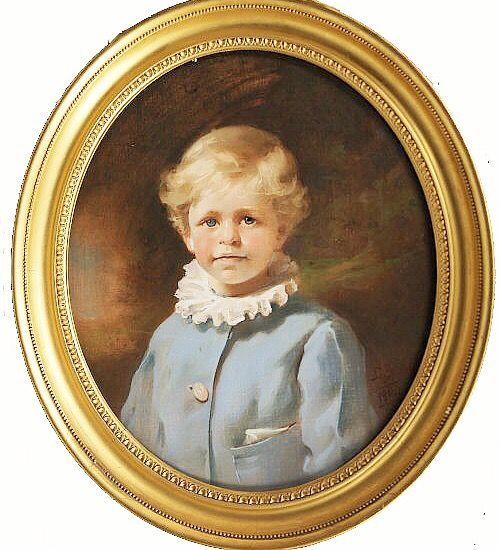
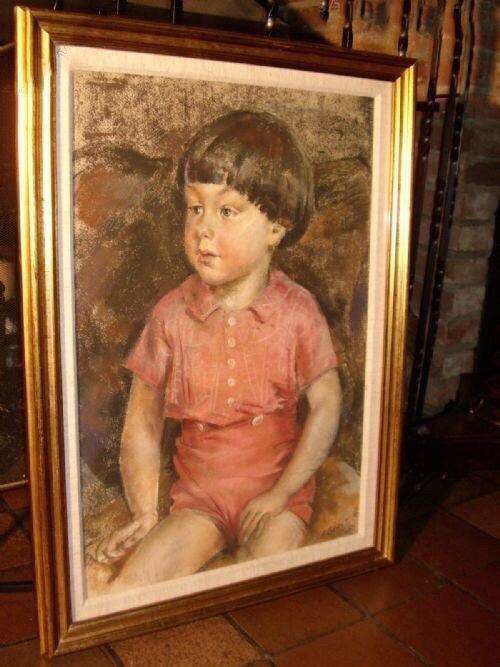
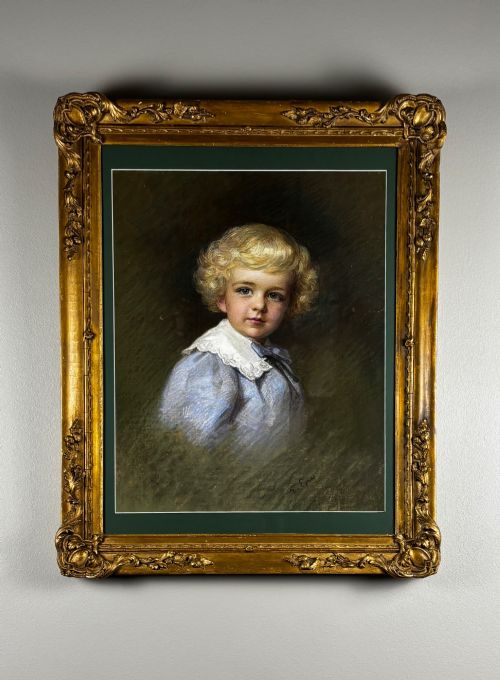
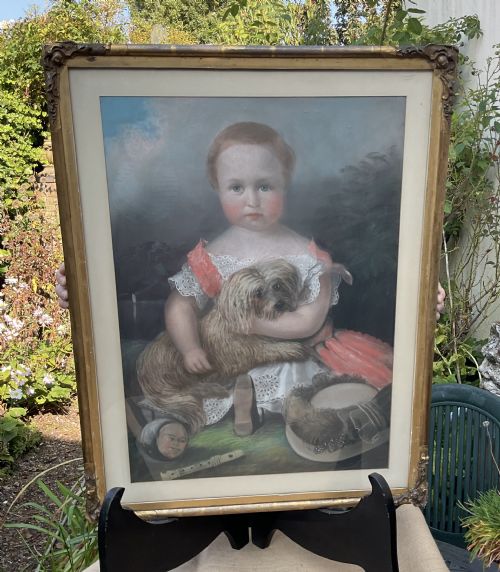
A pastel child drawing is a framed portrait or fine art piece originating from periods such as the Georgian, Victorian, and Edwardian eras, extending into mid-century modern British works. These portrayals depict young boys and girls, sometimes accompanied by animals, rendered through delicate dry mediums.
Buyers browsing this selection will encounter varied formats including pastel on paper, pastel on canvas, and combinations of pastel with gouache or lithograph. Dating spans from the eighteenth century through to nineteen fifty, showing how portraiture techniques evolved across generations.
The objects appear in assorted framing styles, utilising wood, giltwood, and gesso frames that protect the fragile surfaces. These framed portraits function as wall art, bringing historical character and individual personality into domestic spaces.
Materials and technique
Artists applied dry pastel pigments directly onto prepared paper or canvas surfaces to build up tone and texture in these portraits. The friable nature of pastel required careful handling by the maker to maintain soft gradations of colour across the subject's face and clothing.
Many works incorporate gouache alongside pastel to sharpen highlights or define details in the child's clothing, such as the red jacket seen in eighteenth-century examples. Later twentieth-century pieces experiment further by layering pastel over lithograph prints.
Protective framing using glass, wood, and gilded gesso surrounds the delicate picture plane to shield the pigment from atmospheric damage. These frames range from ornate nineteenth-century giltwood constructions to simpler wooden mouldings.
Listings feature works spanning from the eighteenth century through the Victorian and Edwardian periods, up to mid-century modern British pieces.
Distinctions in quality
The preservation of the dry pigment beneath the glass determines the visual integrity of the piece over time. Minimal pigment loss, stable paper or canvas substrates, and authentic period framing contribute to the overall standing of an artwork.
Emily Eyres·Leon Sprinck·J.A. Grant·Arthur Pond·Sonia Lawson R.A.
The Pastel Child Drawing Glossary
- Pastel
- A dry painting medium consisting of powdered pigment and a binder, producing a velvety surface. It requires glass placement for protection against smudging.
- Gouache
- An opaque water-based paint used alongside pastel to add solid highlights and dense colour areas. It provides sharp contrast to the softer pastel strokes.
- Giltwood
- Wood carved and covered with a thin layer of gold leaf, commonly used for ornate picture frames. It adds a reflective border to the artwork.
- Gesso
- A plaster-like mixture applied to wooden frames as a base before gilding or painting. It allows intricate moulded ornamentation on the frame edges.
- Lithograph
- A print produced from a flat stone or metal plate, sometimes utilised as a base layer beneath pastel work. This technique combines mechanical printing with hand-applied pigment.
Pastel Child Drawing: Frequently Asked Questions
How should I hang a pastel child drawing?
Hang these framed artworks away from direct sunlight to prevent the dry pastel pigments from fading over time. Maintaining stable indoor humidity levels also protects the paper or canvas substrate from moisture damage.
Ensure the piece is secured firmly to the wall using appropriate fixings suited to the weight of the wooden or giltwood frame. Position the artwork at eye level to appreciate the fine details of the portrait.
Are these portraits original artworks?
The selection includes unique hand-drawn pastel and gouache works created directly by artists across the eighteenth, nineteenth, and twentieth centuries. Each piece reflects the specific hand of its maker rather than being a mass reproduction.
Certain twentieth-century examples combine pastel work with lithograph prints, integrating drawn elements with printed bases. Reviewing individual listing details clarifies the specific medium combination used by the artist.
How do I identify the period of a frame?
Period frames often display construction methods, materials, and decorative styles characteristic of their era, such as nineteenth-century gesso moulding. Examining the reverse of the frame can reveal older fixings, backing boards, or labels that indicate its age.
Original frames complement the date of the artwork, though many historic pieces have been reframed subsequently. Consulting the specific materials noted in each listing helps determine the age of the housing.
What subjects appear in these drawings?
The artworks predominantly portray young boys and girls captured in bust-length or full-composition poses. Some historic compositions include additional elements, such as a child posing with a pet dog.
Clothing styles vary by period, ranging from eighteenth-century jackets to Victorian attire. These depictions reflect historical fashions and societal views of childhood across different centuries.