


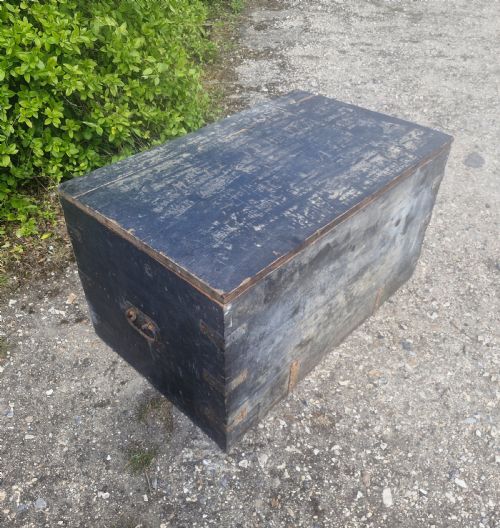


Victorian Painted Wooden Trunk
A victorian painted wooden trunk is a sturdy storage piece offering rustic charm, practical space, and distinctive period character.
Victorian Painted Wooden Trunk
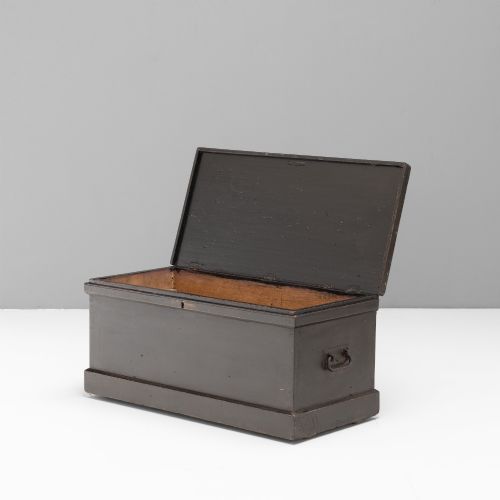
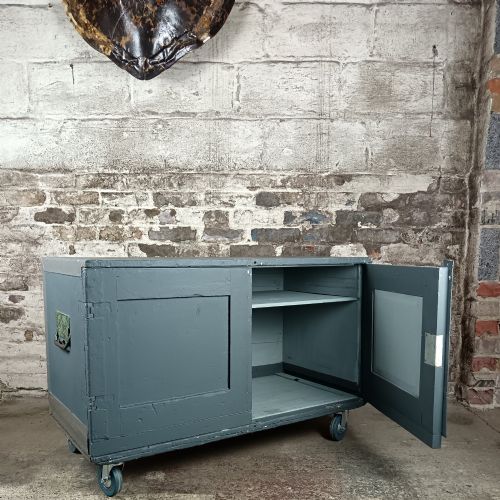
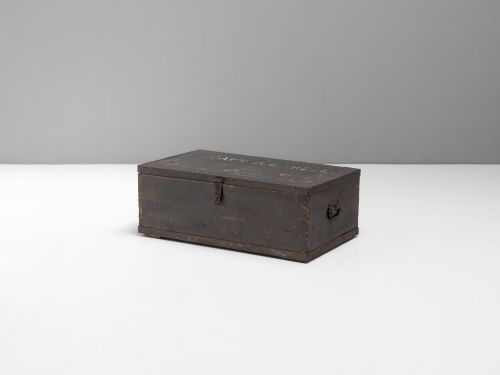
A victorian painted wooden trunk serves as a practical storage chest or blanket box originating from the nineteenth century. These items provide robust utility and distinct visual character suited to domestic interiors.
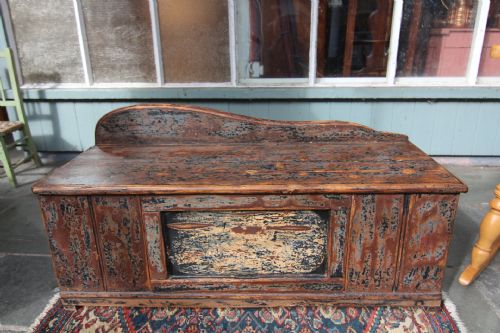
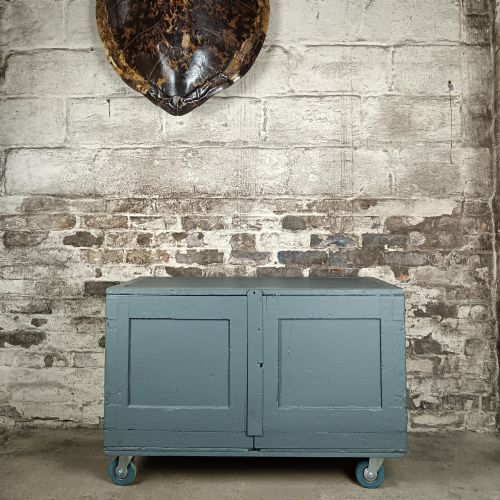
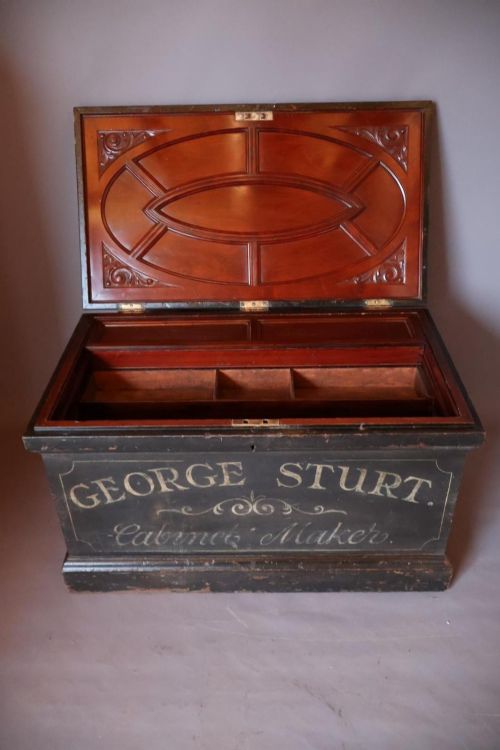
The versions most commonly met on this page include painted pine boxes, blanket chests, and travel trunks finished in scumble, graining, or original polychrome paint. Makers built these objects for travel, military use, or household storage.
Examples often display straightforward construction methods alongside regional decorative treatments such as bracket feet or metal bindings. Buyers encounter both small artisan boxes and larger campaign trunks from the period.
Materials and technique
Constructed primarily from pine and hardwood timbers, these trunks rely on solid joints designed to withstand heavy transit and regular daily use. Iron and brass hardware, including corner brackets and carrying handles, reinforce the wooden bodies.
Surfaces receive protective and decorative finishes through hand painting, scumbling, or graining techniques applied directly to the wood. Original paint layers frequently survive, preserving the distinct visual texture applied by nineteenth-century makers.
A few trunks harbour hidden red interiors behind sober exterior paint, offering a sudden flash of colour when opened.
What varies in quality
The distinction between standard storage boxes and superior pieces rests in the originality and preservation of the surface paint. Trunks retaining untouched scumbled finishes, graining, or polychrome decoration hold greater visual presence than later repainted surfaces.
Structural integrity and the survival of original hardware such as brackets, locks, and keys elevate a piece. Finer examples combine robust joinery with specialised formats like campaign cases or fitted interiors.
The Victorian Painted Wooden Trunk Glossary
- Scumble
- A decorative painting technique involving a translucent top layer dragged over a lighter base coat to imitate finer wood grains. This method was widely used on nineteenth-century pine furniture.
- Campaign chest
- A portable trunk or chest made in sections with recessed brass handles for military transport. These pieces were built for officers on active service.
- Mule chest
- A storage chest featuring one or two drawers at the base beneath a hinged lid. They bridge the design between traditional coffers and modern drawer chests.
- Polychrome
- Decorated in multiple colours. In nineteenth-century pieces, this refers to hand-painted surface ornamentation.
- Bracket foot
- A simple foot supporting a case piece, shaped like a bracket and extending outward from the corners. They appear frequently on period blanket boxes.
Victorian Painted Wooden Trunk: Frequently Asked Questions
How were trunks used originally?
These chests served primarily for transporting personal belongings during travel or storing blankets and household items at home. Military officers and travellers relied on sturdy packing cases for long journeys.
Domestic versions remained in bedrooms and hallways to keep textiles clean and secure. Their durable construction allowed them to double as benches or table surfaces in modest quarters.
How do I clean a painted trunk?
Dust the exterior gently with a dry, soft cloth to remove surface particles without disturbing fragile paint layers. Avoid harsh chemical cleaners or excessive moisture that can lift historical finishes.
Feed dry interior wood sparingly with appropriate conservation wax if necessary. Keeping the piece away from direct sunlight preserves the original pigment.
How can I tell the period?
Examine the construction joints, timber types, and hardware for nineteenth-century manufacturing traits. Hand-forged iron fittings and early cut nails often indicate older periods.
Surface treatments like scumble glaze or traditional lead-based paints provide further chronological clues. Comparing the form to dated comparative examples helps confirm the decade.
Where should I place a trunk?
Position the box at the foot of a bed or beneath a window to utilise its flat lid as a display surface. Ensure the location avoids damp conditions and extreme temperature shifts.
Keep the trunk away from direct heat sources to prevent the pine from warping or the painted finish from cracking.