

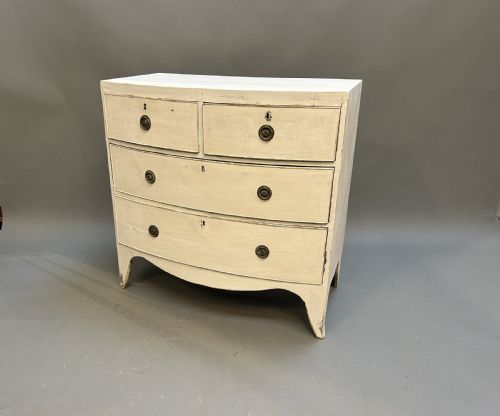
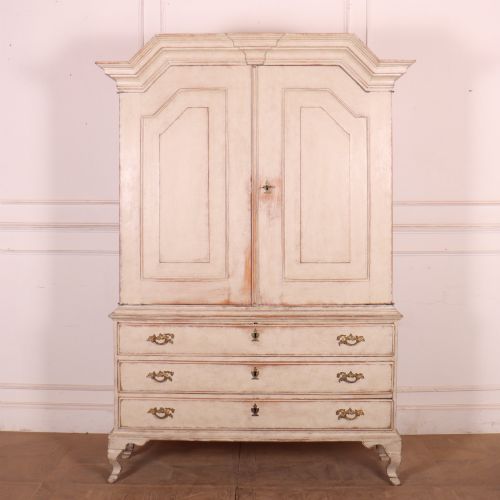
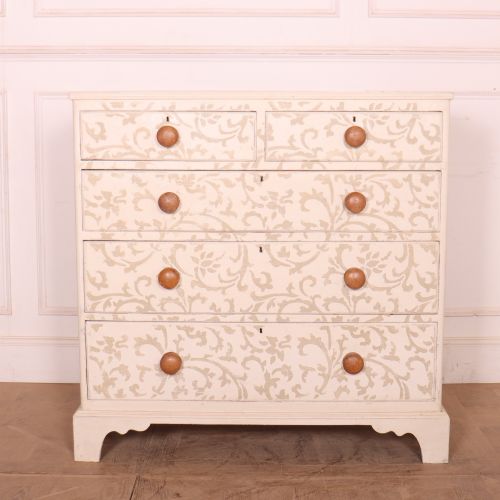


Off White Storage Chest
An off white storage chest brings pale, neutral tone and sturdy utility to a room, offering practical storage disguised in soft, muted paint.
Off White Storage Chest
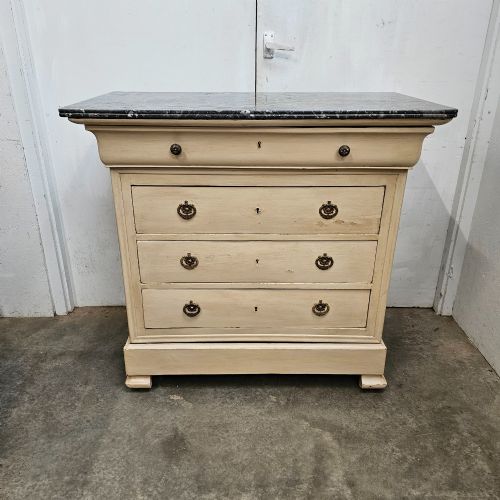
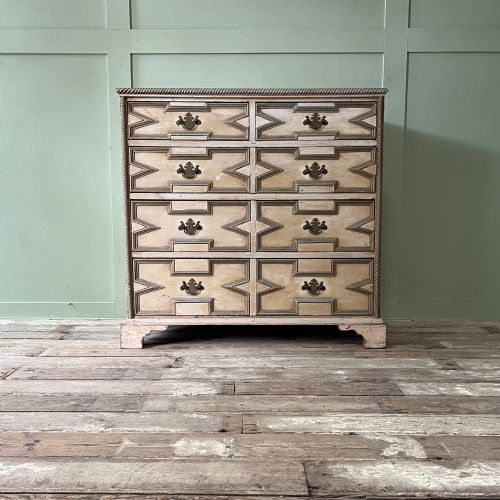
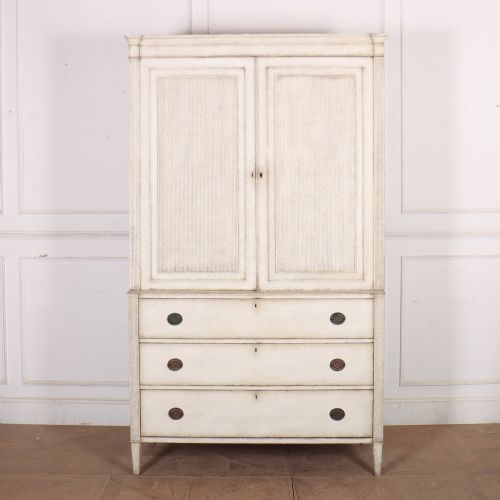
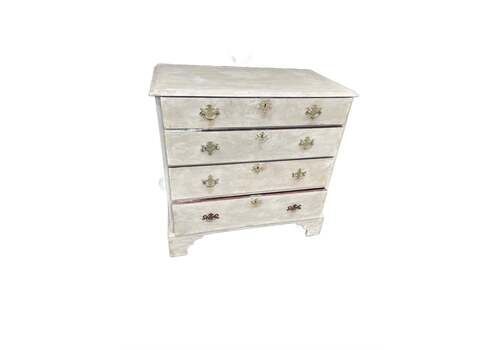
An off white storage chest covers a diverse group of functional furniture pieces finished in pale or cream paint, ranging from traditional blanket boxes to tall chests of drawers. When searching for an off white storage chest, a buyer encounters forms designed to hold textiles, garments, and household goods while maintaining a light visual presence in domestic spaces.
The selections span multiple eras and regional traditions, featuring examples from nineteenth century workshops alongside eighteenth century French Provincial commodes and Scandinavian country cupboards. These pieces bridge utilitarian storage with decorative painted finishes, often utilising pine, mahogany, and solid wood under layers of aged paint.
How they were made
Makers constructed these storage pieces primarily from solid timber foundations like pine and mahogany, joined with traditional techniques suited to heavy daily domestic use. Surfaces received protective and decorative coats of paint, frequently layered over time to achieve the aged off white tones visible today.
Hardware details typically involve brass and iron fittings, such as drop handles, keyplates, and hinges that secure heavy lids or drawer fronts. Carved wooden ornamentation appears on select French and Victorian pieces, adding subtle relief to otherwise plain painted surfaces.
Chemist shop fittings find new life as domestic drawer units, storing socks instead of unguents.
What varies in quality
Quality in these painted storage pieces rests upon the integrity of the timber construction and the age and character of the surface finish. Pieces built with dense woods and traditional joinery maintain structural stability across centuries of opening and closing.
The sophistication of the painted surface distinguishes standard utility items from finer decorative pieces. Original or early paint layers displaying natural craquelure and patination hold greater visual depth than later, uniform modern repainting.
Sir Clough Williams-Ellis·Edwards and Roberts
The Off White Storage Chest Glossary
- Commode
- A low chest of drawers or cabinet, frequently associated with French cabinet-making traditions. These pieces often feature serpentine fronts and decorative painted finishes.
- Linen Cupboard
- A tall storage piece designed specifically for household linens and textiles. They typically feature internal shelving enclosed by doors.
- Bank of Drawers
- A multi-drawer storage unit designed for commercial, institutional, or domestic utility. They offer numerous smaller compartments for organised sorting.
- Blanket Box
- A deep chest with a hinged lid intended for storing heavy blankets and bedding. They represent some of the earliest forms of household containment.
- Serpentine
- A furniture front shaped with a central convex curve flanked by two concave curves. This contour requires skilled carpentry to execute on drawers and commodes.
Off White Storage Chest: Frequently Asked Questions
What is an off white storage chest used for?
These chests provide concealed storage for blankets, clothing, and household items while serving as a decorative surface in bedrooms or hallways.
The neutral painted exterior allows the furniture to blend easily into various interior schemes without overwhelming the room.
How do I identify a nineteenth century piece?
Nineteenth century pieces often display specific construction traits like hand-cut dovetail joints in the drawers and heavier timber frames. Examining the hardware and the wear patterns on the painted surfaces also helps determine the age.
Secondary woods used inside the drawers and back panels provide further clues regarding the manufacturing period.
Are painted finishes original?
Painted finishes vary between original historic layers, subsequent period redating, and later decorative updates applied by previous owners. Inspecting the edges and undersides reveals whether the paint has aged naturally with the timber substrate.
Subtle cracking and wear consistent with the age of the wood indicate a long-established surface.
How should I care for painted wood?
Maintenance requires dusting with a soft, dry cloth and avoiding harsh chemical cleaners that can damage aged paint layers. Keeping the furniture away from direct heat sources prevents the timber from warping and the paint from cracking.
Applying occasional specialist wax can help protect delicate historic surfaces.