
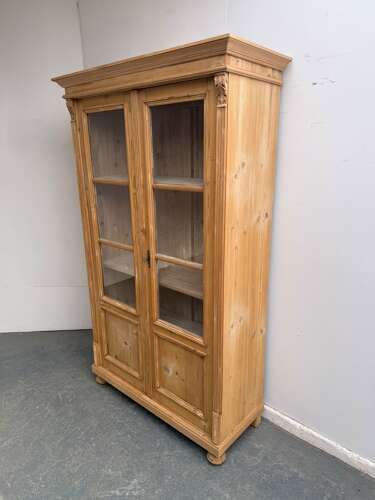
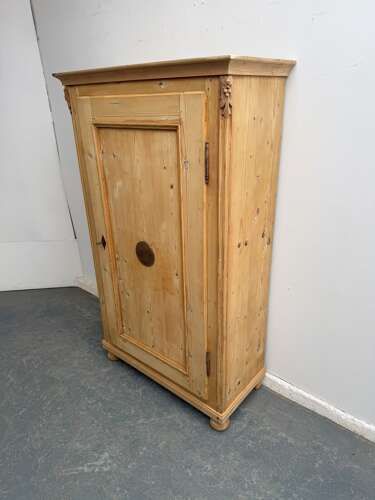
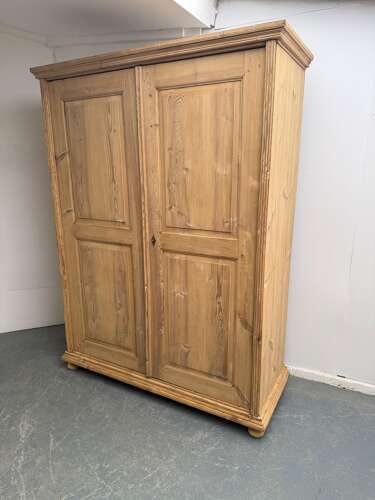
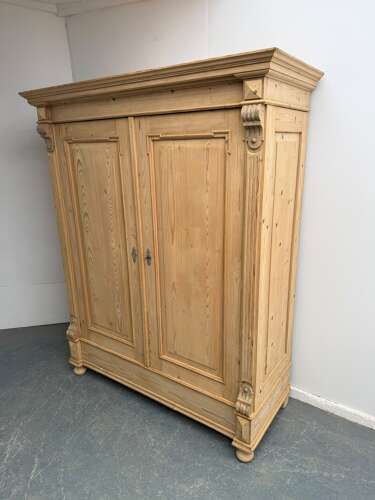
Victorian Painted Wardrobe
When you search for a victorian painted wardrobe, you find substantial nineteenth-century storage pieces built to last and finished in period paint or scumble.
Victorian Painted Wardrobe
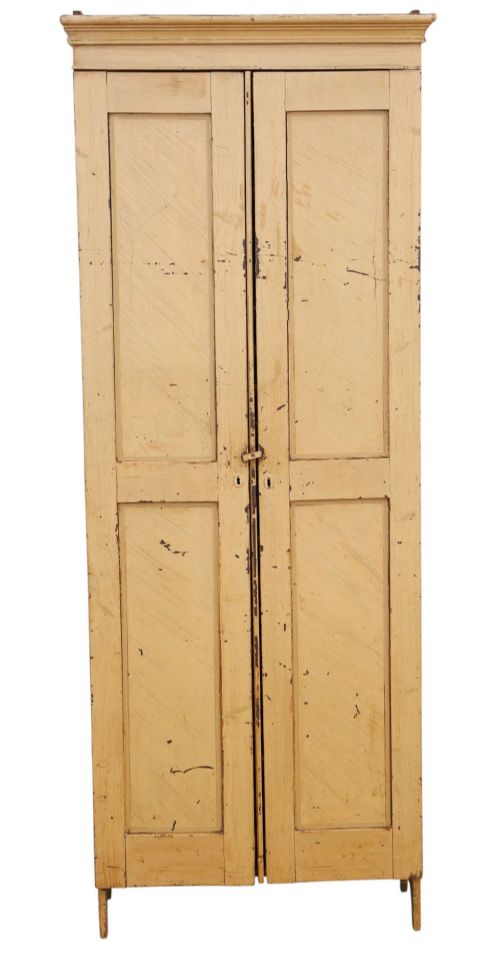
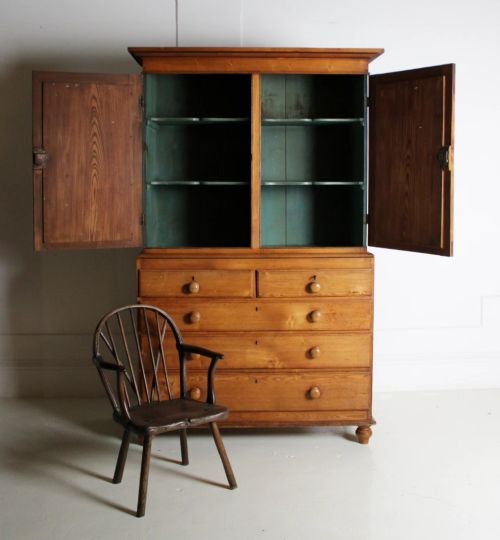
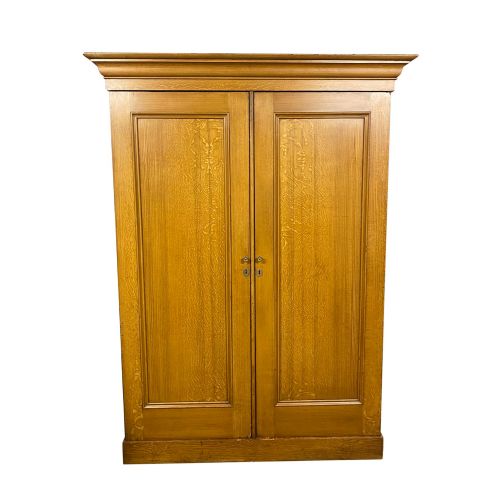
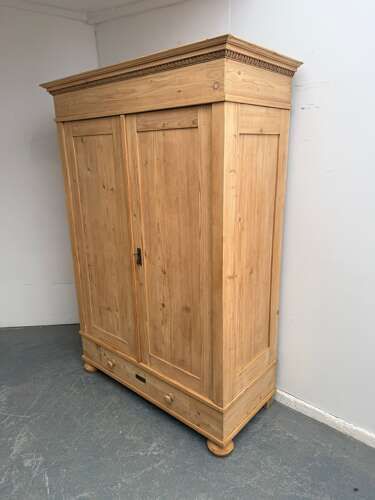
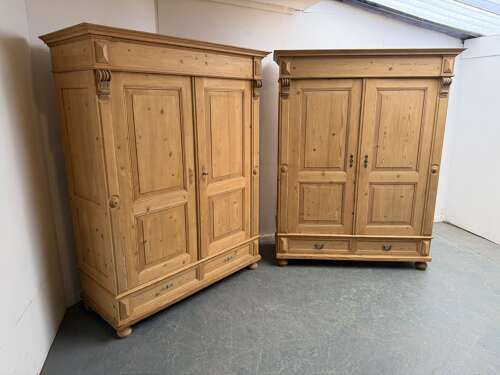
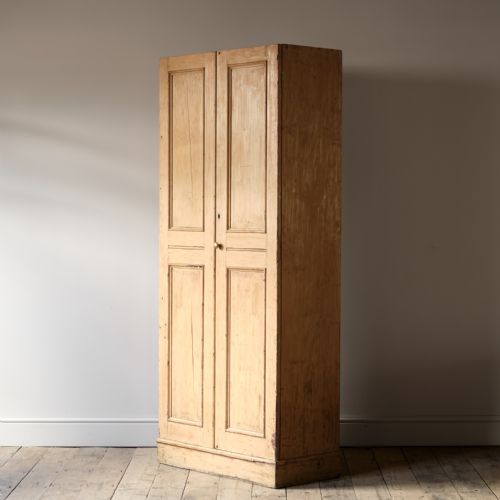
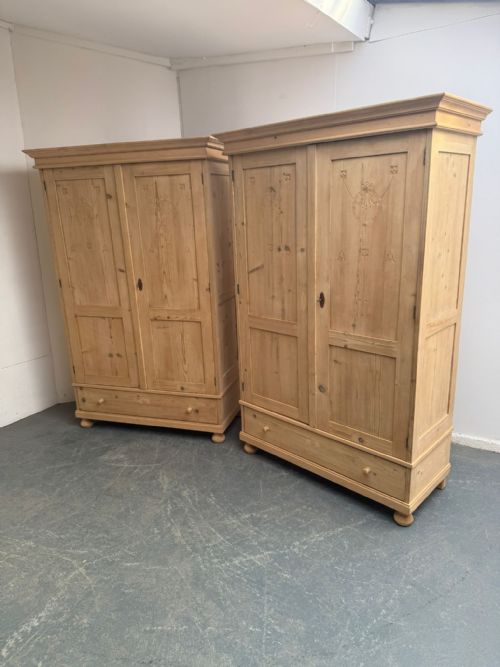
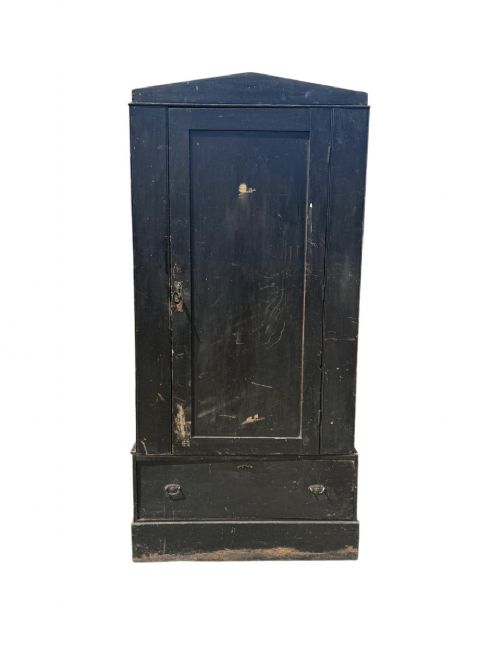
A victorian painted wardrobe is a large piece of nineteenth-century bedroom furniture designed to store garments, linens, and household goods. These pieces take many forms, from two-door knockdown wardrobes and compactums to tall cupboards and linen presses.
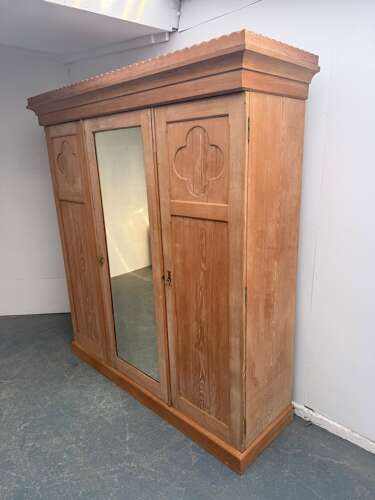
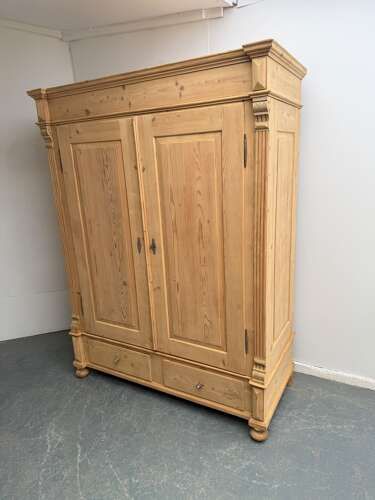
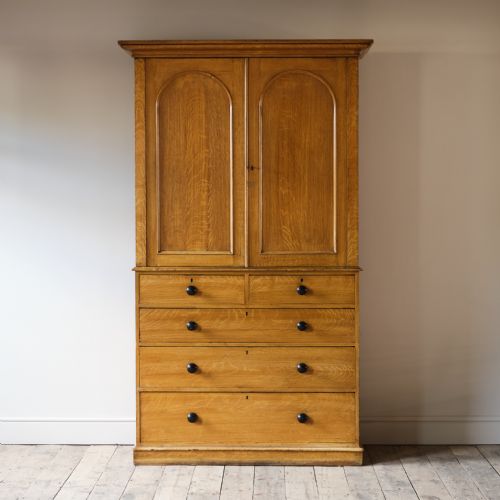
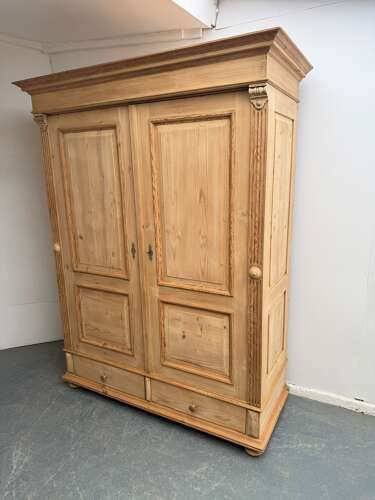
The version most commonly met on this page is the pine knockdown wardrobe, constructed so the main body separates into manageable sections for transport. Alongside these, buyers encounter painted hall wardrobes, gentlemen's compactums, and housekeeper's cupboards dating from the Victorian era up to around nineteen-ten.
Makers and joiners of the period used regional styles ranging from straightforward English country designs to Arts and Crafts interpretations and Hungarian folk art. These wardrobes served practical storage needs in domestic settings and retain their utility today.
Materials and construction
Solid pine forms the primary structure for the vast majority of these pieces, occasionally supplemented by ash in Arts and Crafts examples. Joinery techniques typically include panelled doors, pegged joints, and knockdown fixings that allowed large items to move between rooms easily.
Surface finishes define these pieces, utilising original paintwork in cream, white, grey, blue, and black, alongside scumble glaze mimicking faux oak. Iron, brass, and metal hardware such as hinges, handles, and hanging hooks complete the construction.
Listings feature pieces spanning the Victorian period, the nineteenth century, and nineteen-ten, utilising pine, ash, iron, and brass.
What separates the grades
Quality in a victorian painted wardrobe rests on the integrity of the original construction and the preservation of early surface finishes. Pieces featuring intact scumble paintwork or original coloured pigments command distinct interest compared to items stripped back to bare wood or repainted later.
Structural elements such as moulded cornices, fielded panels, carved details, and working internal drawers or shelves distinguish standard utility items from finer vernacular and Arts and Crafts pieces. The retention of original knockdown bolts and heavy brass fittings further separates superior examples.
The Victorian Painted Wardrobe Glossary
- Knockdown wardrobe
- A large wardrobe designed to be dismantled into flat sections using internal bolts or pegs, facilitating transport in period homes.
- Scumble paintwork
- A decorative surface technique where a translucent glaze is manipulated over a lighter base coat to imitate the grain of oak or other hardwoods.
- Compactum
- A multi-functional wardrobe combining hanging space with internal drawers, linen shelves, and smaller compartments.
- Linen press
- A tall storage piece featuring upper sliding trays or shelves enclosed by doors, positioned above a base section fitted with drawers.
- Fielded panel
- A wooden door panel with bevelled edges recessed into a heavier surrounding frame, adding depth and structural stability.
Victorian Painted Wardrobe: Frequently Asked Questions
How do I dismantle a knockdown wardrobe?
Period knockdown wardrobes utilise internal wooden pegs, metal bolts, or sliding wedge joints that secure the cornices, sides, and base together without permanent glue. Working methodically around the interior allows the side panels to lift free from the base and backboards.
Marking each joint with chalk before separation ensures the pieces reassemble in the correct alignment. Having an extra pair of hands is essential to support the heavy pine sections during this process.
Are these wardrobes deep enough for modern hangers?
Many nineteenth-century wardrobes were built with shallower internal depths than modern standard wardrobes because clothing was historically folded or hung sideways on peg rails. Some pieces accommodate angled or smaller hangers rather than straight front-facing rails.
Checking the internal depth dimensions before purchase confirms whether modern hangers and garments will fit without the doors pressing against the clothes.
How should I care for original painted surfaces?
Original painted and scumbled finishes require gentle cleaning with a dry or very slightly damp microfiber cloth to remove dust without softening the historic paint layer. Avoid modern solvent-based cleaners, harsh detergents, or abrasive scouring pads.
Applying a traditional microcrystalline wax can protect fragile painted surfaces, provided the finish is stable and sealed. Keeping the wardrobe away from direct sunlight and damp conditions prevents the paint from flaking or the pine from warping.
How do I tell Victorian pine from later reproductions?
Genuine nineteenth-century pine shows distinct signs of age, including hand-cut joinery marks, iron or brass hardware appropriate to the period, and natural timber shrinkage over time. The wood often exhibits deep patination beneath layers of historic paint.
Reproductions frequently use modern machine-sawn timber, uniform modern screws, and artificial distressing rather than genuine wear. Examining the interior construction and the backboards usually reveals the true age of the piece.