
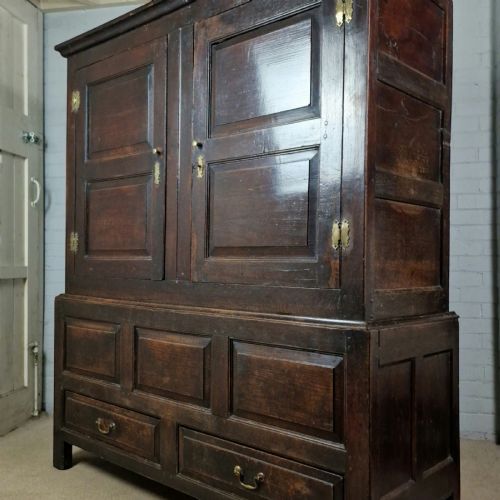
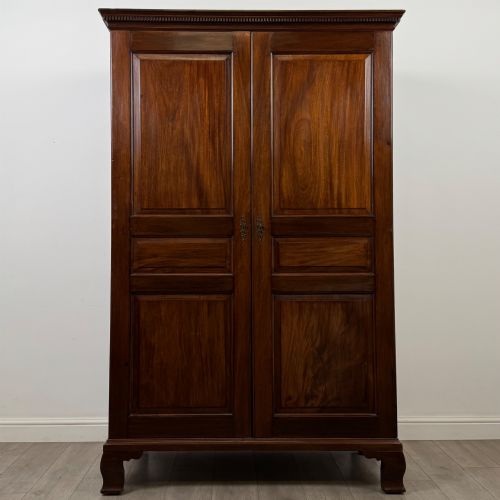
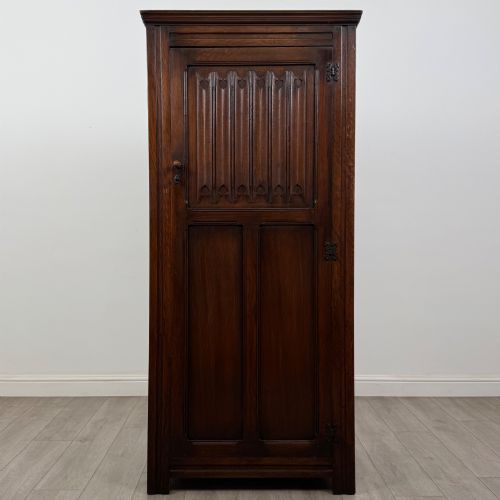
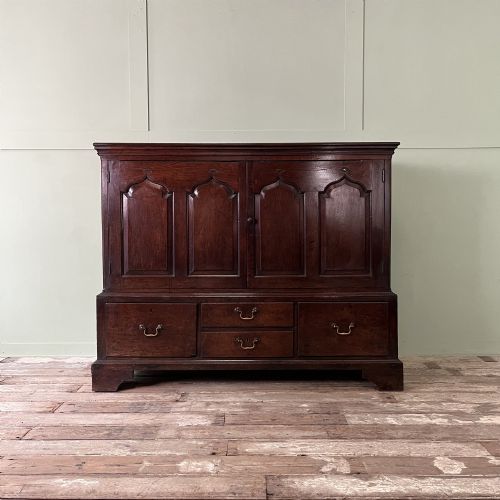
Traditional Clothes Cupboard
A traditional clothes cupboard is a substantial storage piece built to hold garments and linens, offering period character and deep storage capacity for any room.
Traditional Clothes Cupboard
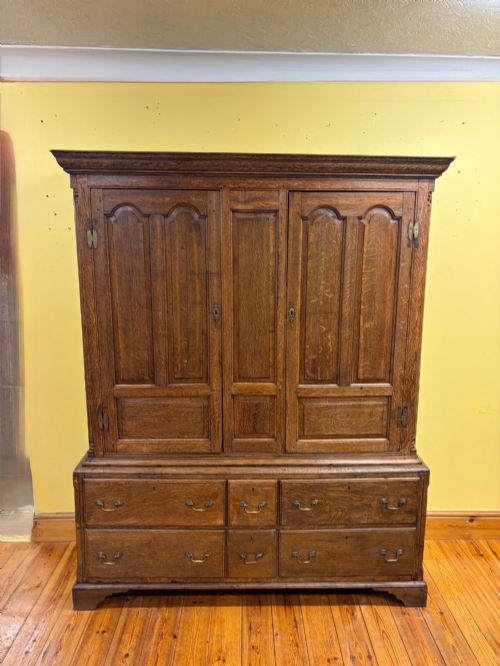
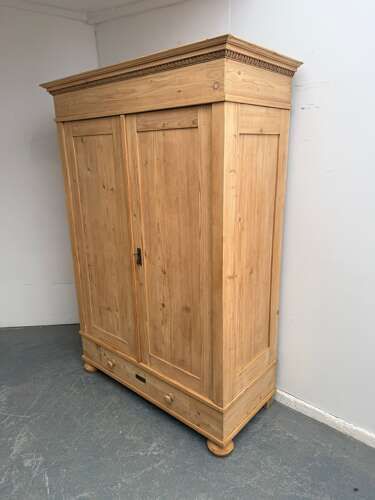
When you search for a traditional clothes cupboard, you encounter a range of large storage furniture designed to house garments and household linens. The selection spans centuries of cabinetmaking, from Georgian and Victorian periods through to Edwardian and later country styles.
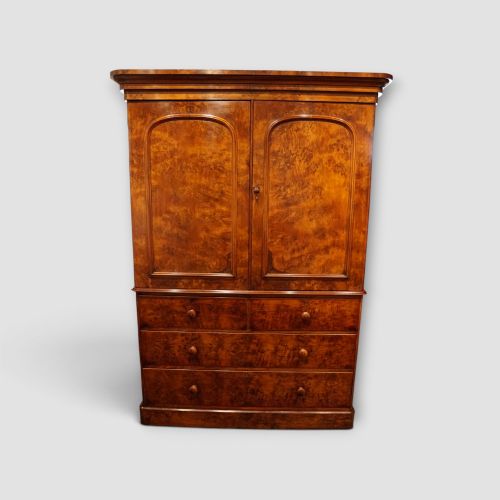
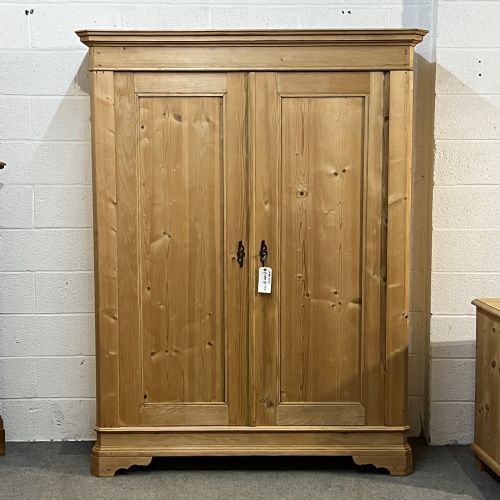
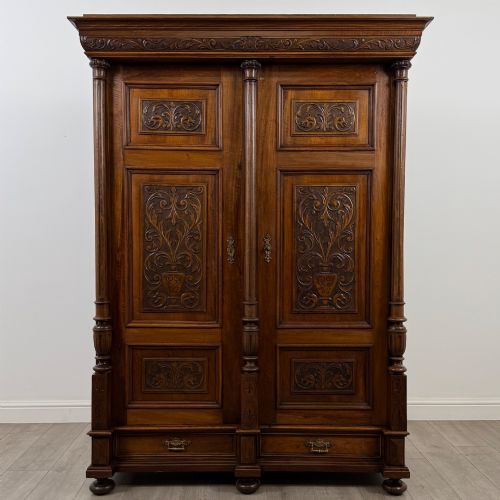
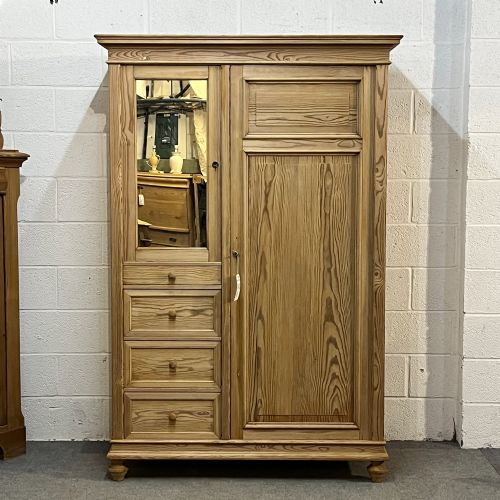
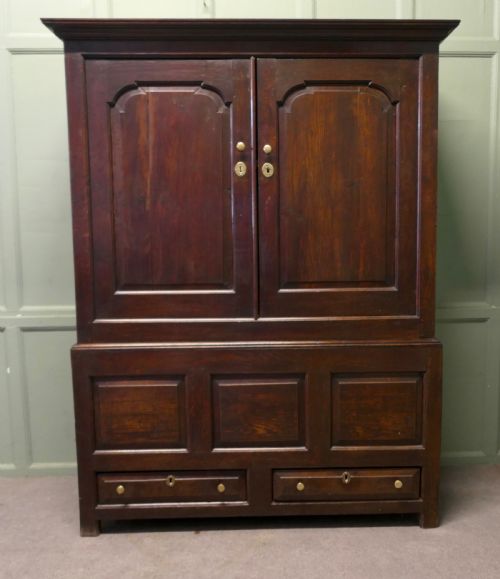
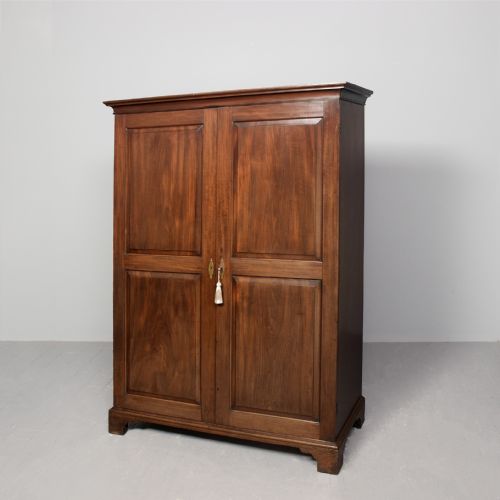
You meet several distinct forms on this page, including tall wardrobes, linen presses with sliding trays, compactums, and housekeeper's cupboards. Oak and pine pieces reflect domestic country use, while mahogany and burr walnut examples show finer formal design.
The origins vary from English workshops to French provincial makers, alongside occasional continental pieces. Most items serve to organise clothing through a mix of hanging space, internal shelves, and deep drawers.
How they were made
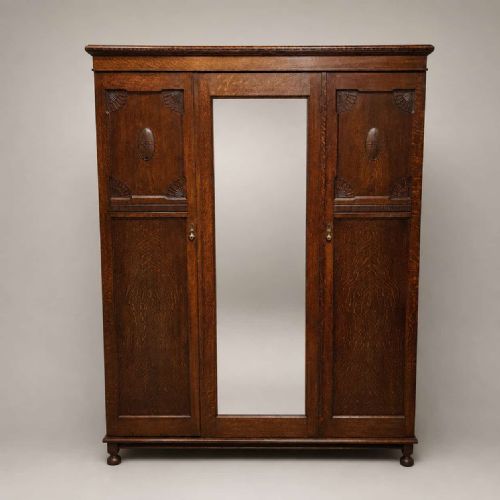
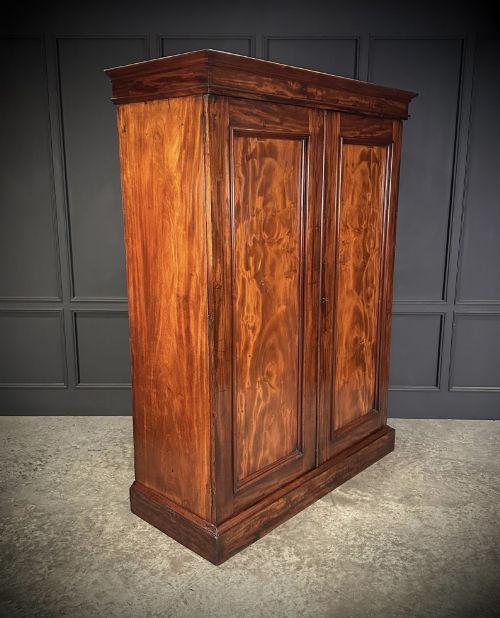
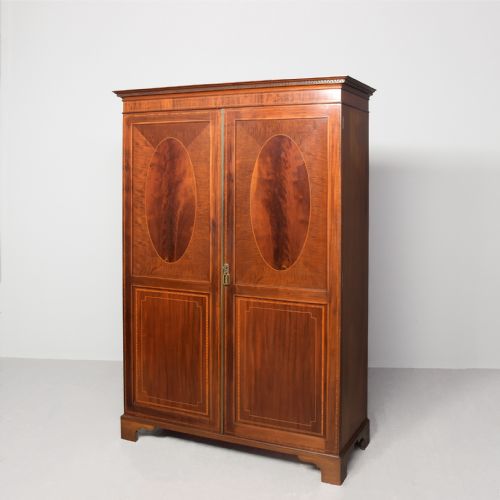
Cabinetmakers built these pieces using solid regional timbers like oak and pine for utility furniture, alongside imported hardwoods such as mahogany and walnut for formal rooms. Flame mahogany veneer and burr elm add decorative grain patterns to drawer fronts and door panels.
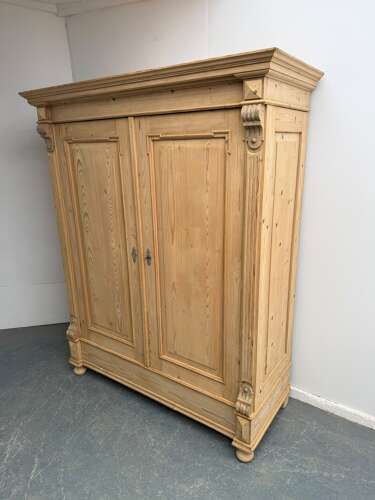
Construction techniques include panelled doors, pegged joints, and dovetailed drawers designed to withstand heavy daily use. Iron and brass hardware, from simple drop handles to decorative escutcheons, secure the doors and drawers.
Listings feature pieces spanning the Georgian, Victorian, Edwardian, and 1930s periods, built from pine, oak, mahogany, and walnut.
What varies in quality
The grade of timber and the choice of veneer dictate much of the piece's initial standing. Figured mahogany or burr walnut selected for primary surfaces indicates higher workshop ambition than plain utility pine.
Joinery execution sets pieces apart, seen in the neatness of dovetails, the snug fit of panelled doors, and the retention of original brass hardware. Proportions and restrained mouldings separate balanced cabinet design from heavier, less considered carpentry.
The Traditional Clothes Cupboard Glossary
- Linen press
- A tall storage piece featuring sliding trays or shelves in the upper section for folded textiles, paired with drawers below. This form evolved to protect household linens from dust.
- Compactum
- A multi-compartment wardrobe that combines hanging space, sliding trays, and multiple internal drawers within a single footprint. It provides comprehensive storage for varied clothing types.
- Knockdown wardrobe
- A large wardrobe constructed with modular panels and pegged joints so it can be dismantled for transport. This design enabled movement between rooms and properties.
- Housekeeper's cupboard
- A large utility cupboard traditionally used in large houses to store provisions, linens, or tableware. These pieces typically feature sturdy oak construction with generous internal shelving.
- Breakfront
- A cabinet design where the central section projects forward from the flanking wings. This architectural arrangement creates depth and visual interest on large wardrobes and linen presses.
Traditional Clothes Cupboard: Frequently Asked Questions
What is a traditional clothes cupboard?
A traditional clothes cupboard is a freestanding wooden furniture piece designed for storing garments and household textiles before built-in closets became standard. These pieces use shelves, hanging rails, or sliding trays to keep rooms orderly.
They range from utilitarian pine and oak country pieces to formal mahogany and walnut designs from the Georgian and Victorian eras.
How do I use a linen press?
A linen press uses internal sliding trays or shelves in the upper section to store folded bed linen, tablecloths, and garments flat. The deep drawers beneath hold smaller items or bulkier clothing.
This layout separates folded textiles from hanging garments, making the piece suitable for bedroom or landing storage.
How do I date a wooden cupboard?
Dating a cupboard relies on examining timber choices, construction methods, and hardware styles. Georgian pieces often show hand-cut dovetails and solid mahogany or oak, while Victorian pieces frequently incorporate machine-sawn elements and burr walnut veneers.
Secondary woods inside drawers and the style of mouldings provide further clues to the period of manufacture.
Will a knockdown wardrobe fit my room?
Knockdown wardrobes were specifically engineered to be disassembled into manageable panels and sections for transport and installation. This modular construction allows you to move large storage furniture up narrow stairs and into period properties.
Checking the knockdown mechanism ensures the panels reassemble securely once in place.
Where should I place a large wardrobe?
Large wardrobes require a stable wall with sufficient clearance for doors to open fully without hitting surrounding furniture. Placing them away from direct heat sources prevents the solid timber and veneers from drying out.
Allowing room for crown mouldings and footings ensures the piece sits level and looks properly proportioned in the space.