

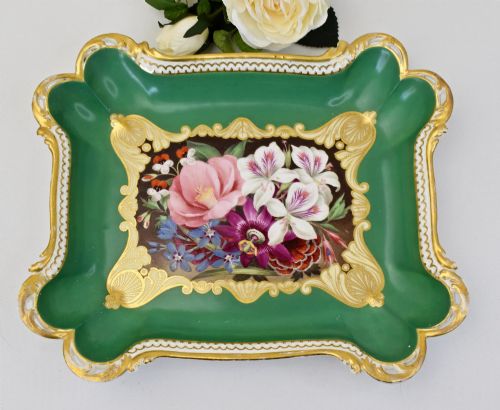


Victorian Painted Plaques
Victorian painted plaques bring hand-painted artistry and crisp ironwork into interiors through porcelain portraits, ceramic landscapes and cast armorials.
Victorian Painted Plaques
Victorian painted plaques encompass delicate porcelain panels, robust cast iron signs and earthenware tiles created during the nineteenth century. These items serve primarily as wall art, decorative chargers and architectural markers intended for display within domestic and public spaces.
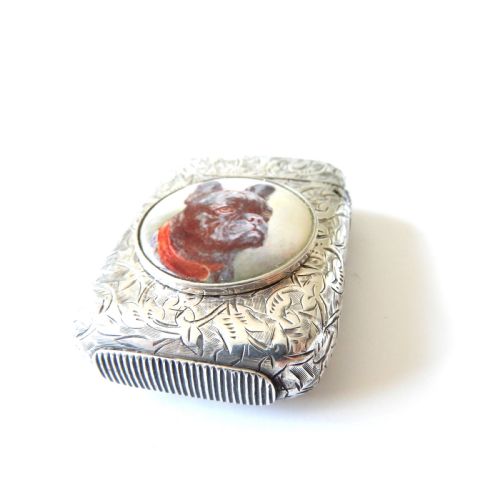
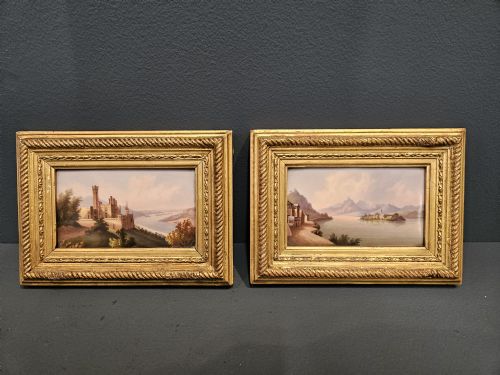
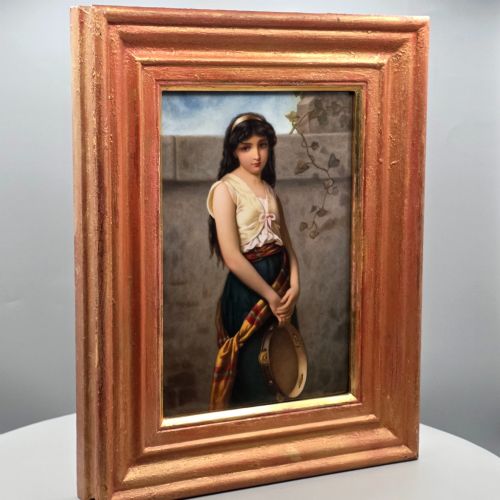
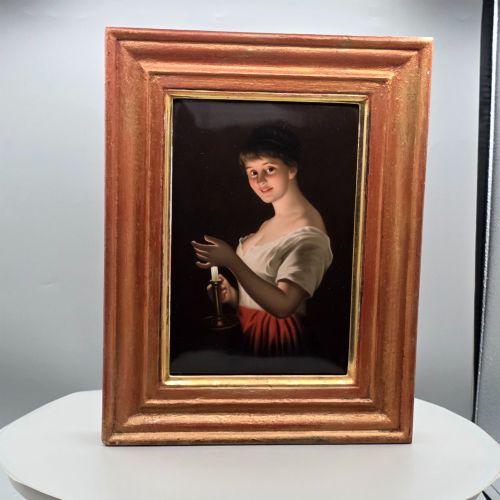
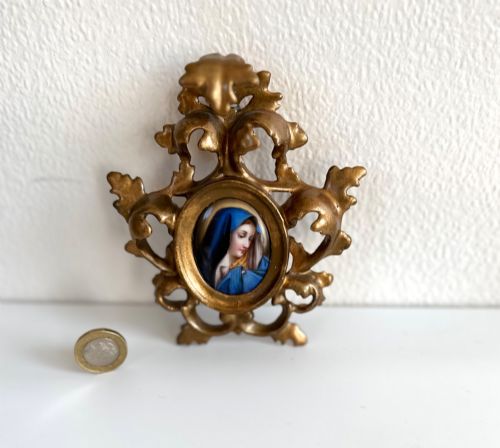
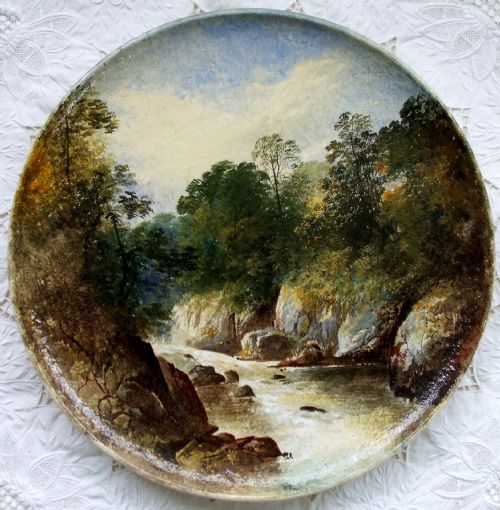
Porcelain examples frequently showcase miniature portraits, landscape scenes after master painters or botanical studies rendered in polychrome enamel and gilt. Earthenware and terracotta variations span Copeland pottery, Royal Bonn chargers and framed foliate panels.
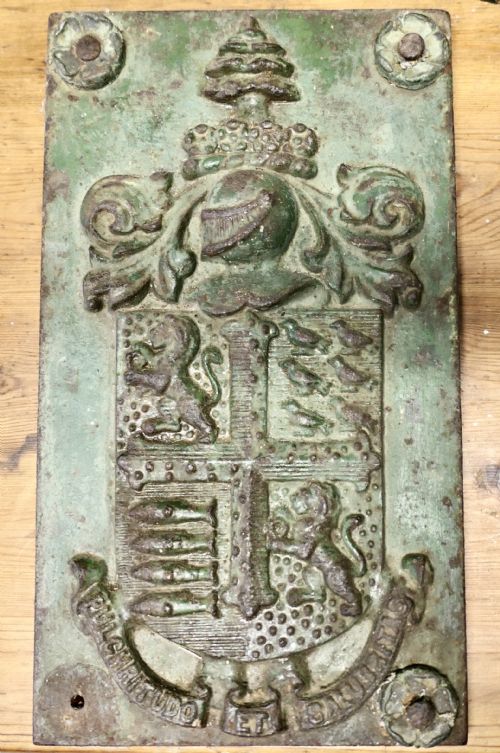
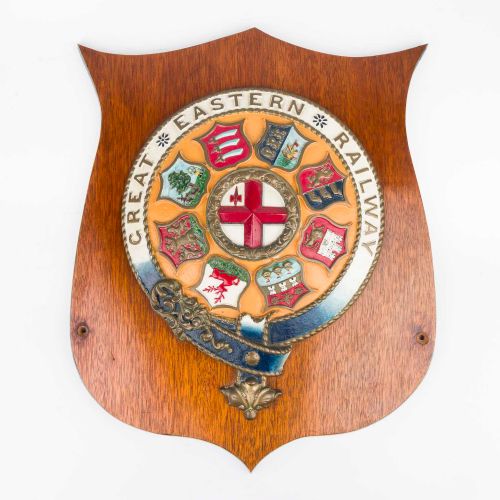
Industrial and civic expressions of Victorian painted plaques appear as cast iron railway signs, armorial coats of arms and trade notices bearing hand-applied lettering. These metal reliefs combine utility with heraldic pride, reflecting the manufacturing output of the period.
Materials and methods
Porcelain and earthenware plaques rely on ceramic body preparation followed by meticulous hand-painting with metallic oxide pigments and enamel colours. Subsequent kiln firings fuse the glaze and paint layers to create a durable, glossy finish often accented with gold leaf or gilt detailing.
Cast iron plaques utilise sand-moulding techniques to form heavy armorial reliefs, railway signs and street markers. Artisans then apply oil-based paints and protective coatings directly to the cast metal surface to highlight lettering and sculptural motifs.
Alternative substrates such as slate, reverse glass and wood employ direct surface painting, Toleware japanning or protective varnishing. These varied mediums dictate whether a piece receives high-temperature ceramic firing or traditional brushwork.
Listings feature porcelain, cast iron, earthenware and slate, demonstrating the diverse media utilised for Victorian painted plaques.
Determinants of quality
The refinement of brushwork separates standard decorative wares from exceptional artistic output on porcelain and earthenware panels. Master porcelain painters achieve subtle tonal gradations in flesh tones, drapery and botanical subjects that lesser hands render flatly.
The crispness of the casting defines metalwork quality, where deep relief, legible lettering and minimal surface pitting distinguish superior iron signboards and armorials. Factory execution from established potteries or foundries ensures structural integrity and precise proportions.
Originality of framing and surface preservation influence the standing of a piece within its category. Integral carved wooden frames, intact reverse glass integrity and uncompromised enamel glazes preserve the historical context of the object.
Royal Bonn·Copeland Pottery·Ernst Wahliss·KPM·Royal Worcester·Minton
The Victorian Painted Plaques Glossary
- Armorial
- A design featuring a coat of arms, crest or heraldic symbols. These motifs appear frequently on cast iron and porcelain plaques associated with railways, civic bodies and noble families.
- Charger
- A large decorative plate intended for display rather than dining. Copeland and Royal Bonn produced notable examples featuring hand-painted landscapes and portraits.
- Toleware
- Japanned and hand-painted metalware produced in the eighteenth and nineteenth centuries. Artisans applied dark varnishes and decorative motifs onto tin-plated steel.
- Reverse glass painting
- An artistic technique where the image is applied directly to the back of a pane of glass so the correct perspective appears from the front. This method protects the paint layer from atmospheric damage.
- Enamel
- A glassy substance fused to metal or ceramic through firing to provide colour and protection. Limoges panels and metal signs rely on this technique for longevity.
Victorian Painted Plaques: Frequently Asked Questions
How do I hang a heavy cast iron plaque?
Cast iron plaques require robust wall anchors and direct load-bearing screws fixed into masonry or timber studs rather than standard plasterboard hooks. Due to their substantial weight, professional installation ensures the security of the display.
Positioning should account for eye level and adequate lighting to reveal the painted details and cast reliefs without straining the wall structure.
Can I clean porcelain painted plaques with water?
Dusting with a soft, dry microfibre cloth is the safest method for routine maintenance of antique porcelain surfaces. Moisture can seep into hairline cracks, unglazed ceramic rears or older repairs, causing deterioration.
Avoid chemical cleaning solutions and abrasive cloths entirely to protect the delicate hand-painted enamel and gilt borders from permanent damage.
How do I distinguish KPM plaques from copies?
Berlin KPM porcelain plaques typically feature impressed sceptre marks and painted orb or cypher stamps on the reverse. Examining the precision of the miniature painting and the weight of the porcelain biscuit helps confirm period authenticity.
Reference marks against factory records to verify the exact production era and the consistency of the ceramic body.
Where were Victorian iron railway signs displayed?
Railway signs such as gate warnings and company crests were mounted on station platforms, level crossings and rolling stock across networks. These iron panels endured outdoor weather conditions while communicating instructions to the public and staff.
Preserved examples retain traces of original paint layers that record the operational history of nineteenth-century transport.